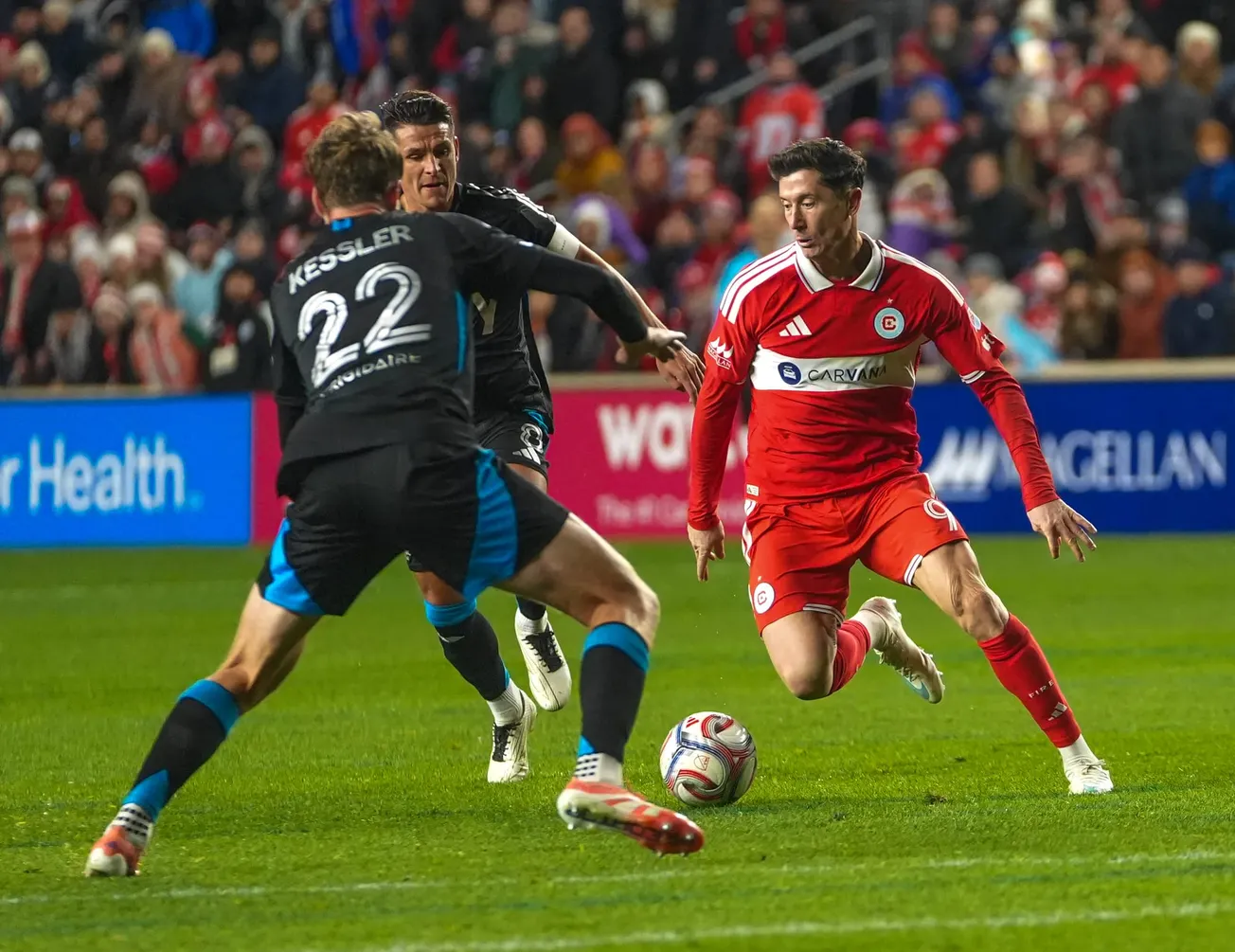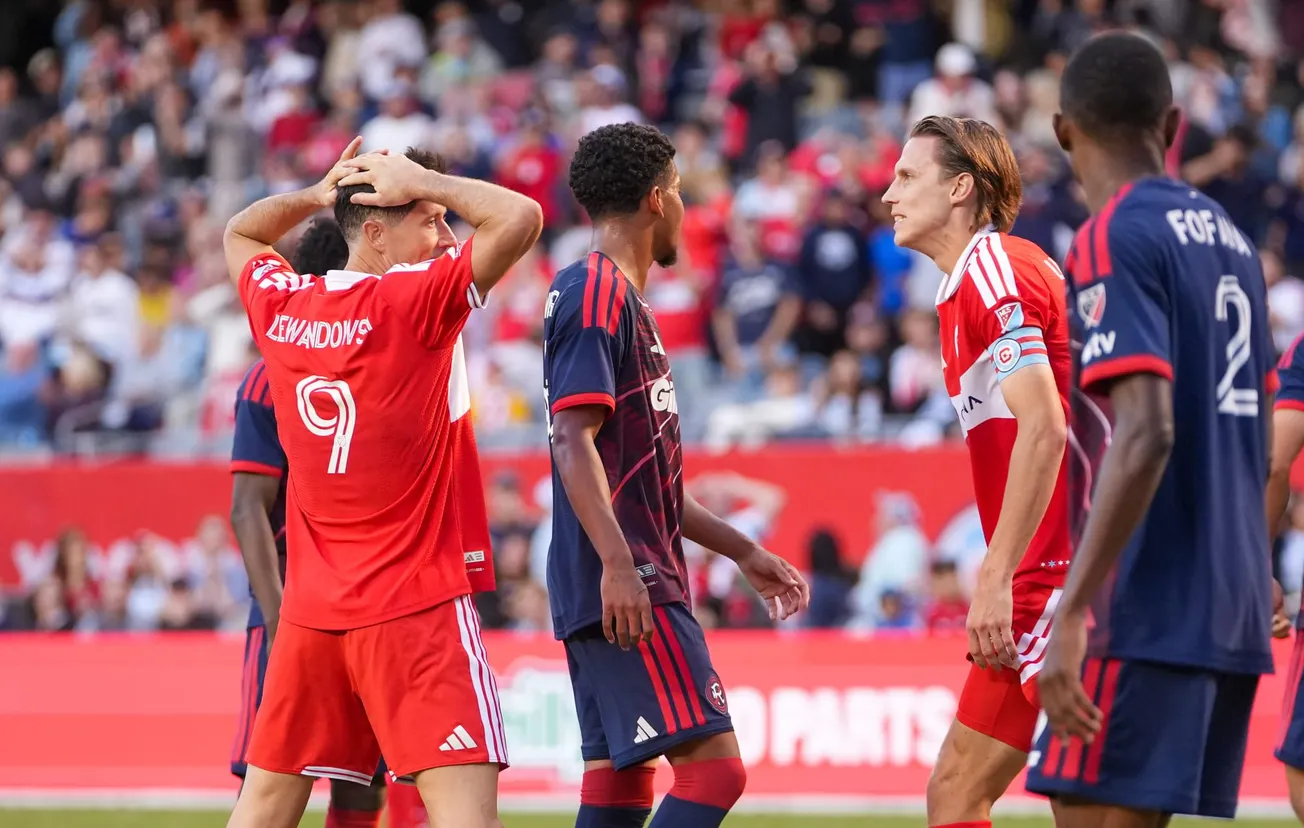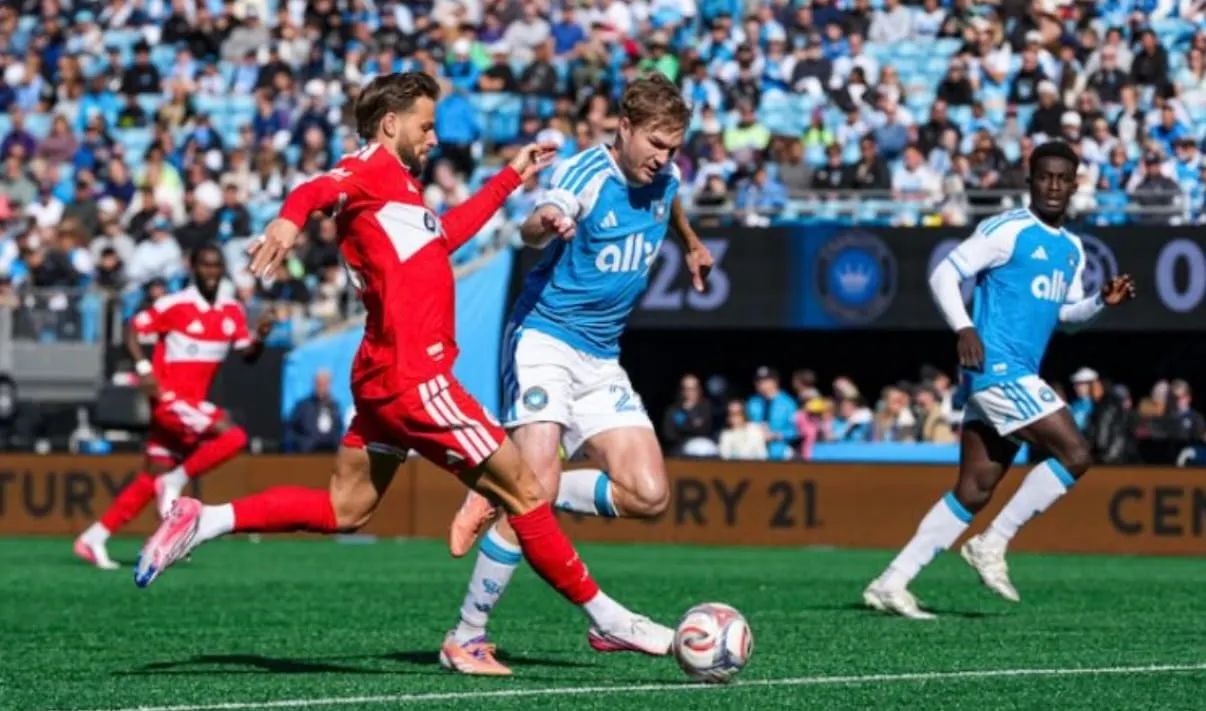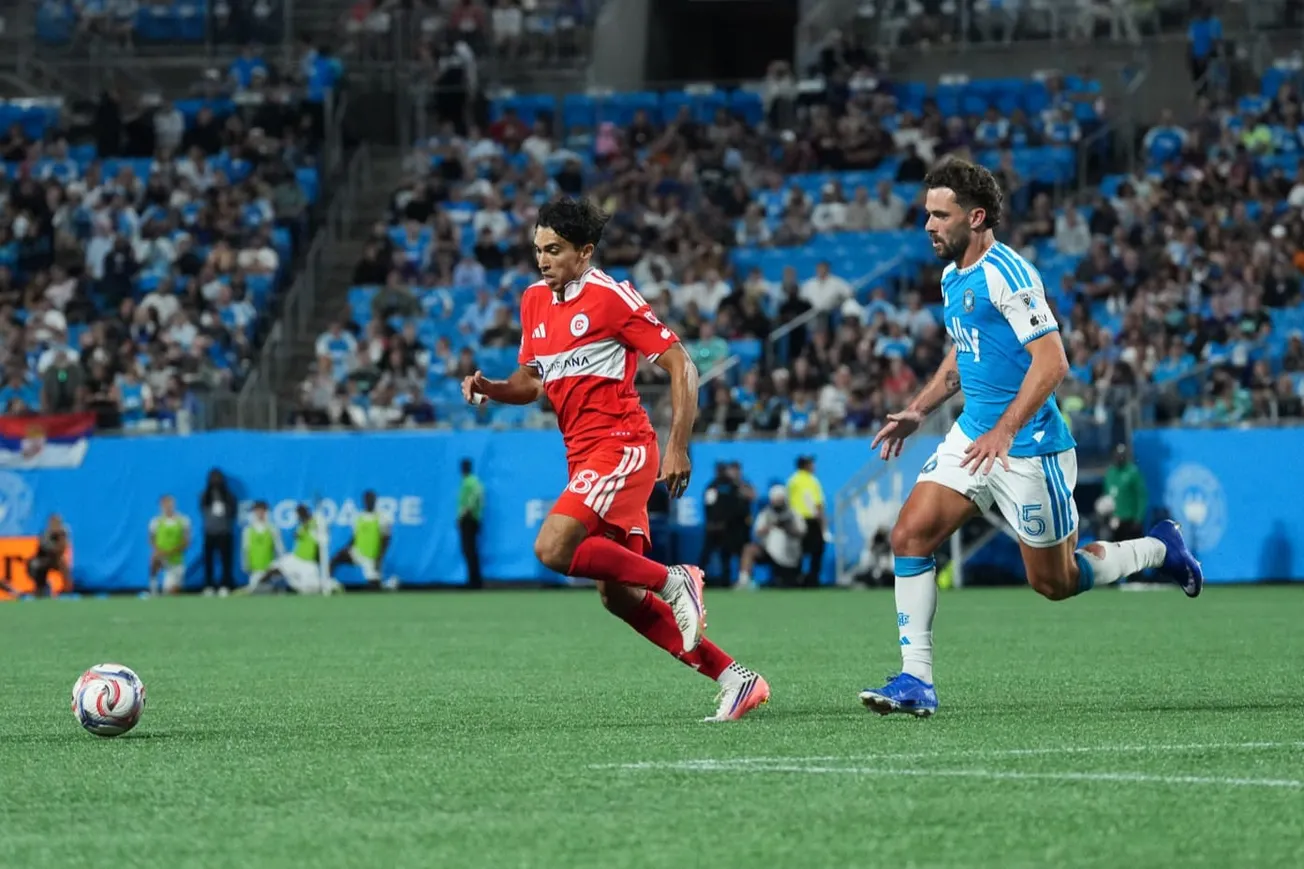

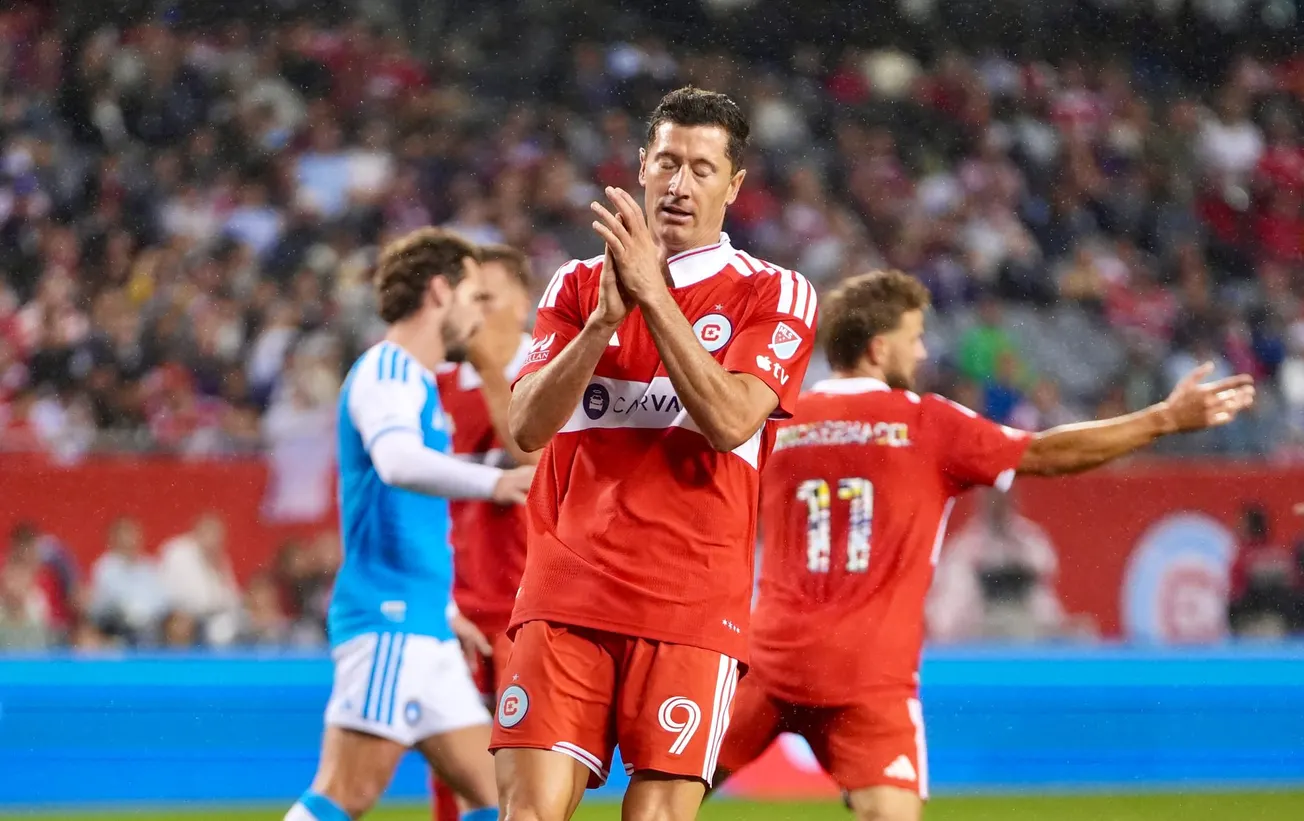
The Chicago Fire’s season is over, and the manner of the playoff exit is coming under the microscope.
Within a week, the Fire and Charlotte FC twice seemed destined for a penalty shootout. And twice, Charlotte scored a last-gasp winning goal before any shootout could take place.
“I think we put ourselves into position, got back into the game,” Head Coach Gregg Berhalter said postgame. “I think at a minimum, you need to see what happens in penalties. And, you know, second straight game that we didn’t get to do that. So, a disappointing, disappointing end to the season.”
However, the reason it’s so much of a postgame talking point isn’t just the fact that they lost to two last-minute winners. It’s the fact that on both occasions, the Fire spent the final minutes of the game actively preparing for a shootout that would never happen.
The Fire’s return to the playoffs last season was brief as they were swept by the Philadelphia Union in the first round. A penalty shootout contributed to that exit – after miraculously clawing their way back into Game 1 at Subaru Park, both Jack Elliott and Joel Waterman missed their kicks, undoing what was otherwise a remarkable comeback.
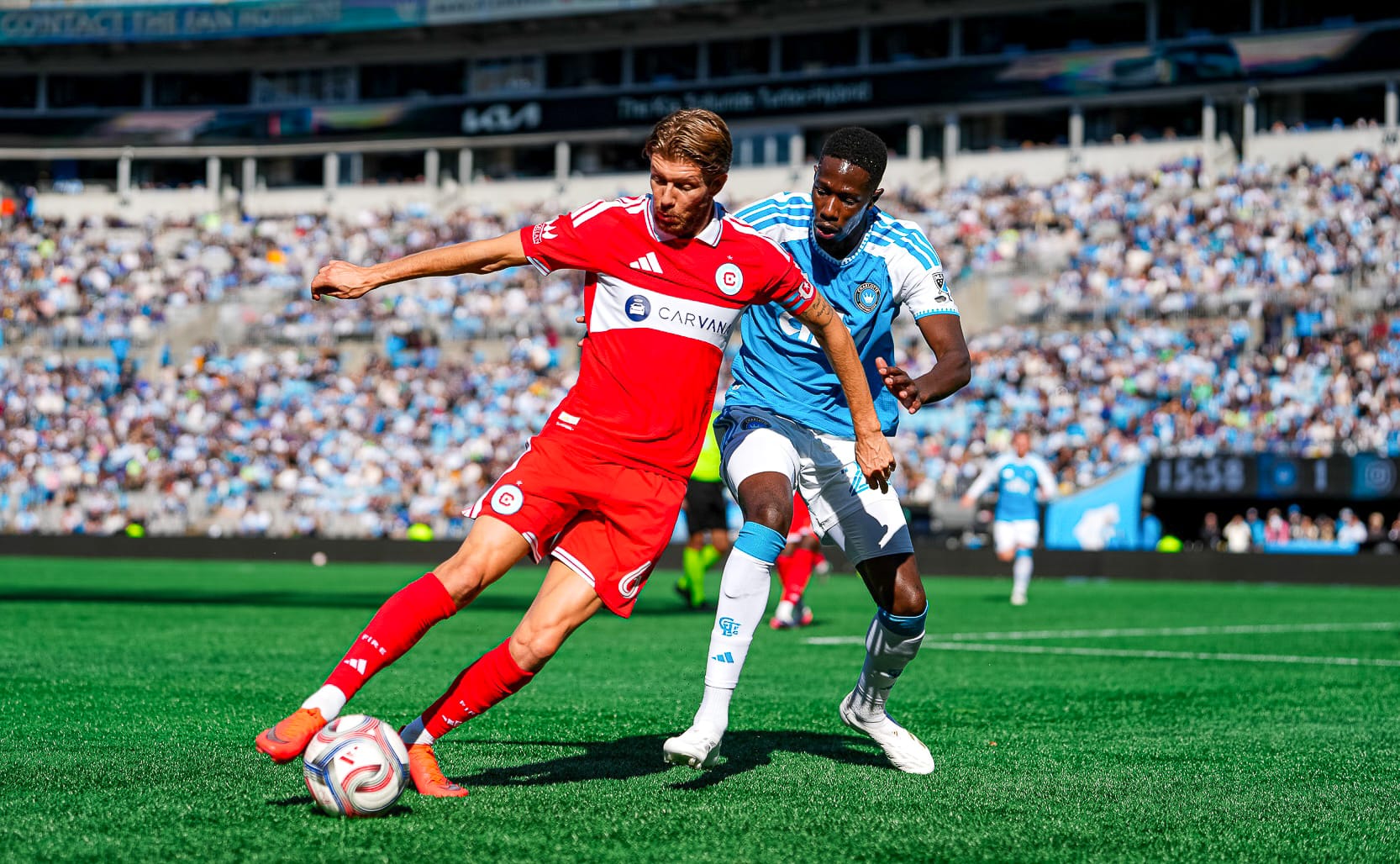
With that background, it made sense that the Fire would put more preparation into a potential shootout this time. The first team did several run throughs in the days leading up to the playoffs, ensuring that in the event of one happening, the team would be in the best position to succeed.
In both games against Charlotte, with the scores level late at one apiece, Berhalter brought on Johan Gómez and Anzor Mekvabishvili for Jonathan Bamba and Djé D’Avilla respectively – two changes clearly aimed toward a shootout. In Game 1, he brought on Josh Cohen in goal because of his penalty-saving pedigree, and was set to do the same again in Game 2 had Idan Toklomadi not scored with mere seconds left on the clock.
On both occasions, in the final moments before the referee’s whistle, Charlotte found a second wind, and made a final push to score the game winner. The Fire were left lost for words both times.
“I don’t know, it could be,” Anton Salétros said when asked if the Fire were already mentally preparing for a shootout in the final minutes. “In my opinion, you always play the game to win and not to go to penalties. But maybe that’s a factor in the mentality that we were waiting for the penalties and then switched off in the last seconds of the game.”
“But you’re in the game to win. And I felt like we had an opportunity to. After we scored a goal, I felt like we had some kind of momentum in there. I could tell their players also felt that. But yeah, I don’t know.”
The way the Fire lost is a difficult pill to swallow for a side that entered the fall with very serious championship aspirations. Charlotte were an opponent so well matched for the Fire that both games were tight, cagey, and left very little room for the Men in Red to play an expansive brand of football.
Despite that, the Fire twice came back to level the score and twice did enough to earn a draw. Both times, they let it slip away in stoppage time.
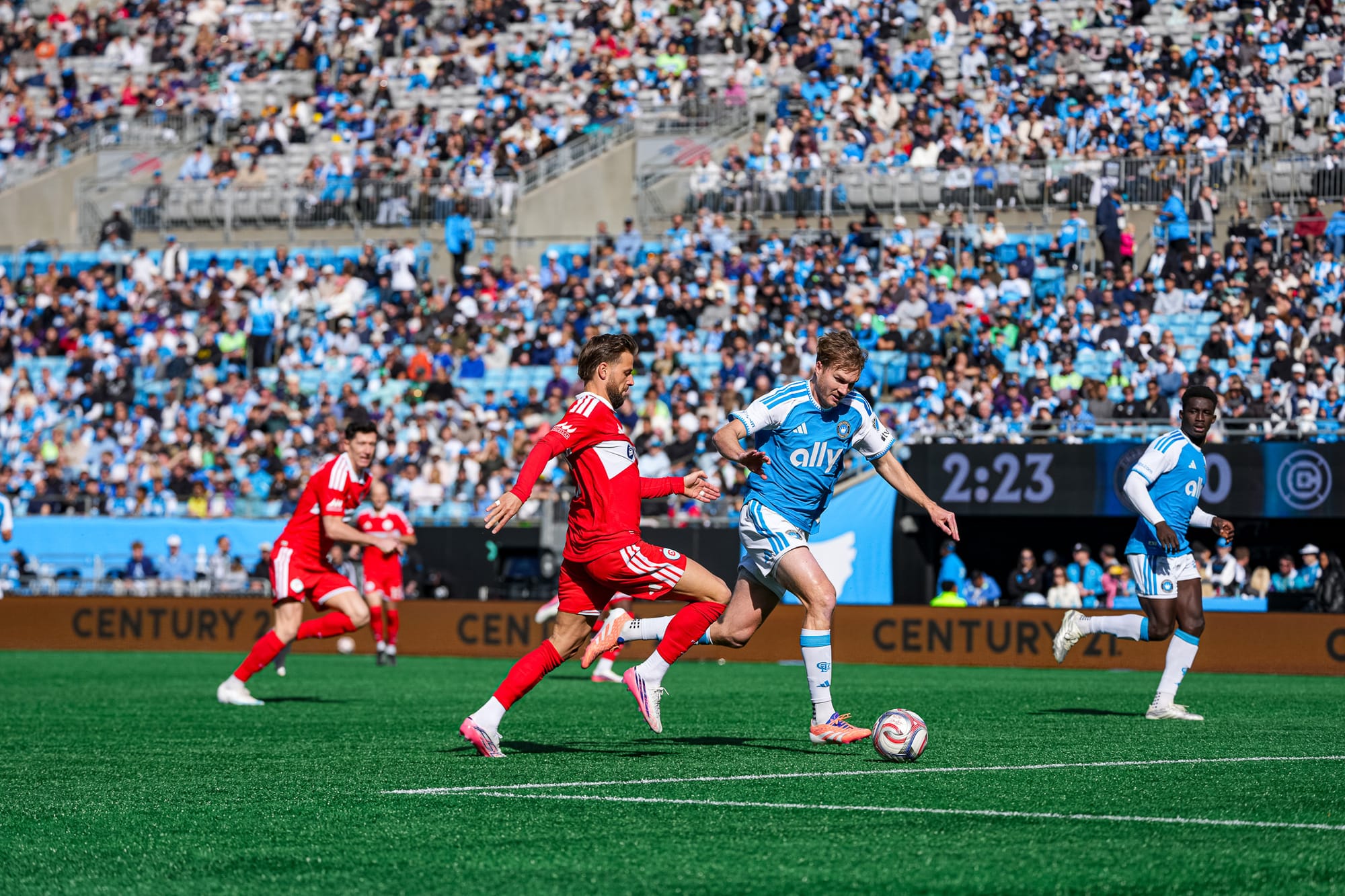
“It’s devastating right now,” winger Philip Zinckernagel said postgame. “I think it feels worse when you give up goals in late overtime in both games. And especially when, overall over two games, I didn’t think Charlotte was better than us.”
“I spoke to some of the Charlotte players after the game, and they actually told me that they were a bit scared after the 1-1 goal because they felt like we were starting to dominate the game and creating momentum. But, yeah, we should have scored. The offensive players also should have done better in these two games, there’s no doubt about that. I think also we were using maybe too much energy on defending over these two games as the offensive players.”
Whatever you want to put it down to, the Fire’s campaign is over, and no matter how much progress was made from 2025 to 2026 in the regular season, it means nothing if they are still dumped out of the playoffs in the same stage, in the same manner, and arguably by a weaker opponent.
For a team with expectations as high as those surrounding the Fire, the misery is compounded.
“Anytime you’re in the playoffs, you have a chance to win a championship, and when you go and exit the tournament in the first round, it’s bitterly disappointing,” Berhalter said. “For me, for the group, both feelings are terrible. They’re feelings that you don’t want to feel. And that’s sport. You see the elation in the stadium in the 95th minute of the game on their end, for us, it’s a depressing feeling. It’s a really sad feeling that we end in the way we did.”
“On one hand I’m proud of this group and the work they put in, the effort they put in every day in training. But for us to be ending right now is tough to swallow because I think we have a better team, and we didn’t get it done. And I’ll take responsibility for that as the leader.”