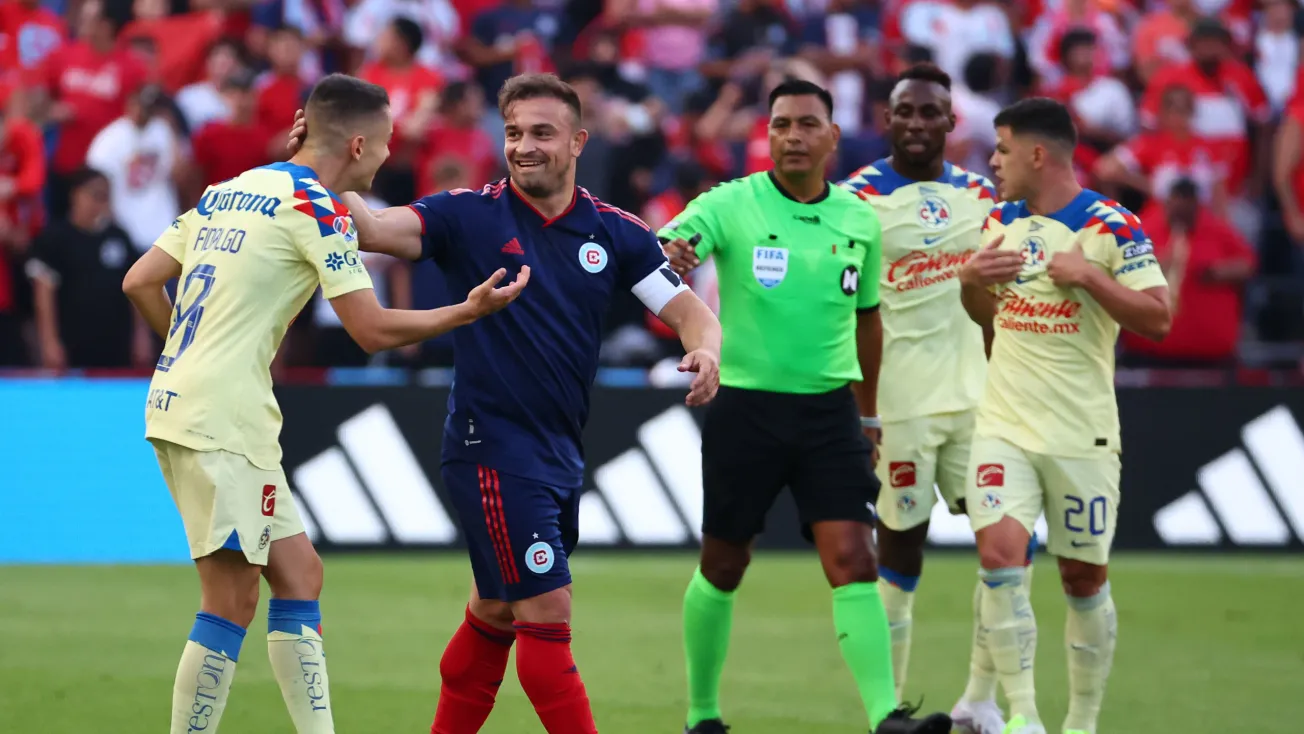
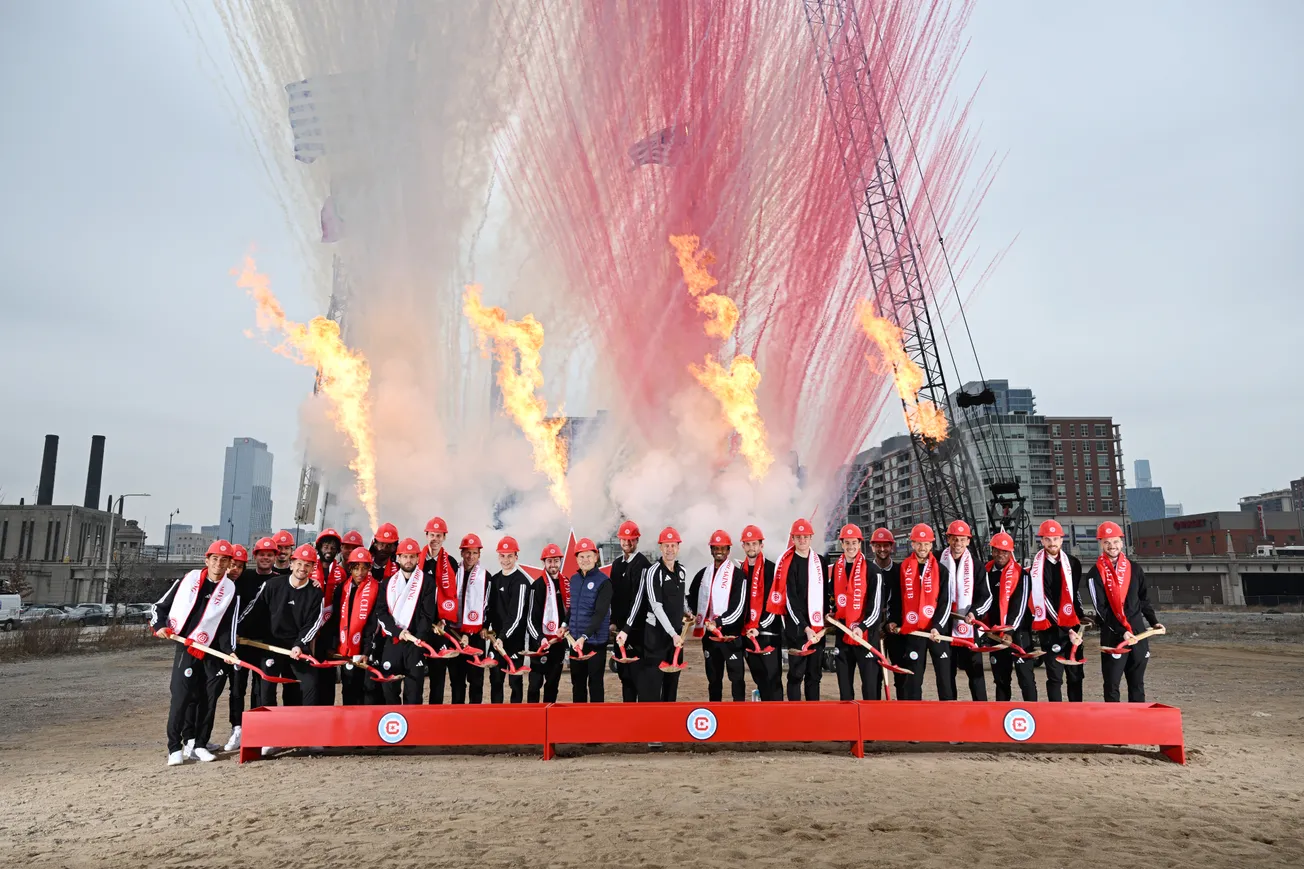
The Chicago Fire’s new home is one step closer to reality.
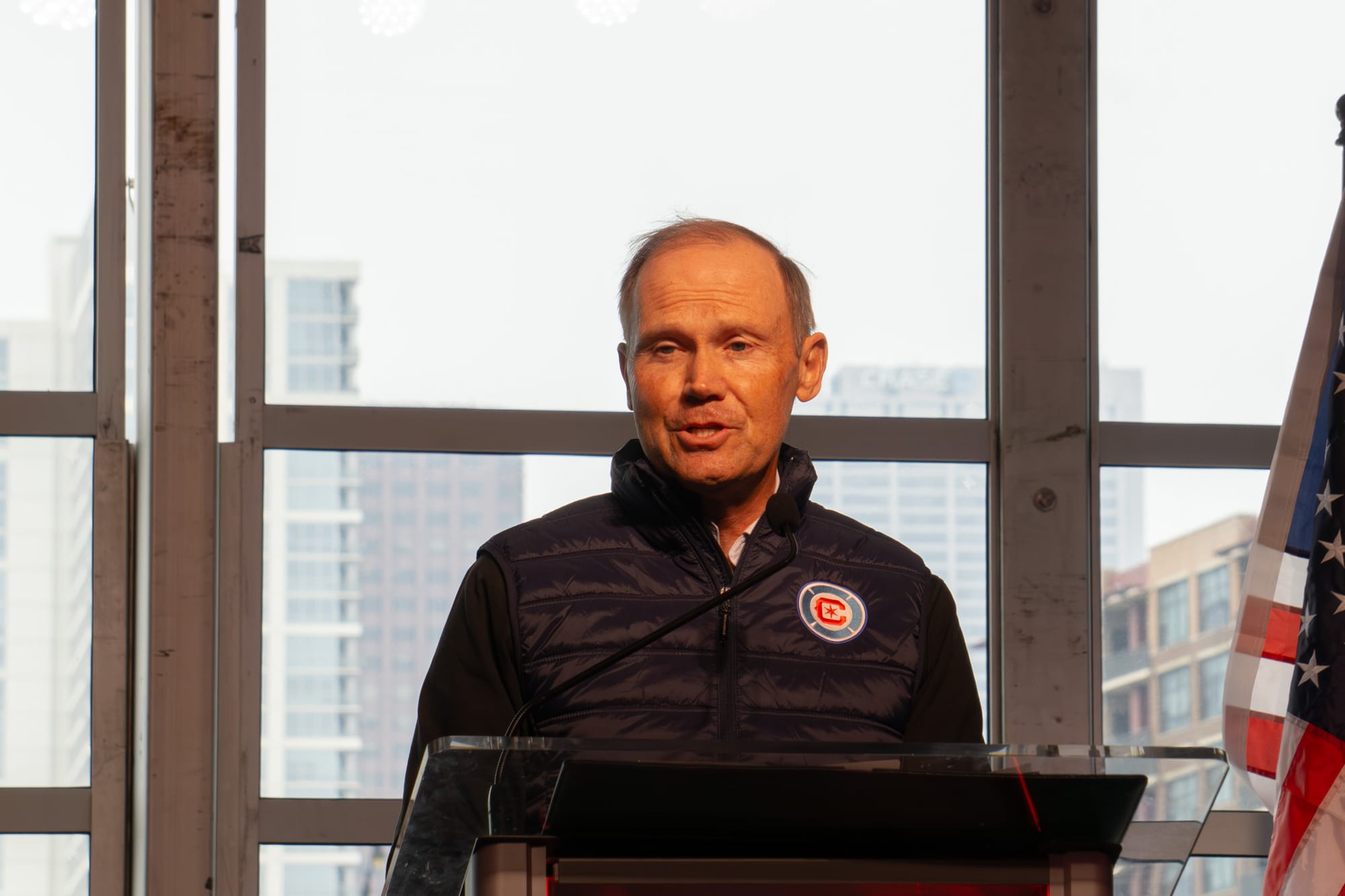
The team had an official groundbreaking at the site of the future $750 million, privately-financed stadium, where team owner Joe Mansueto and president Dave Baldwin were joined by league commissioner Don Garber and Chicago Mayor Brandon Johnson and 3rd Ward Alder Pat Dowell.
"This is signaling that Chicago is never done and never outdone," Johnson said at the event. "Today is a demonstration of what is possible when private investment, aligned with public goals and jobs, neighborhood activation, and long-term economic growth. Today is also a demonstration of what it means when an organization shows its dedication to the fans who live by and swear by this team."
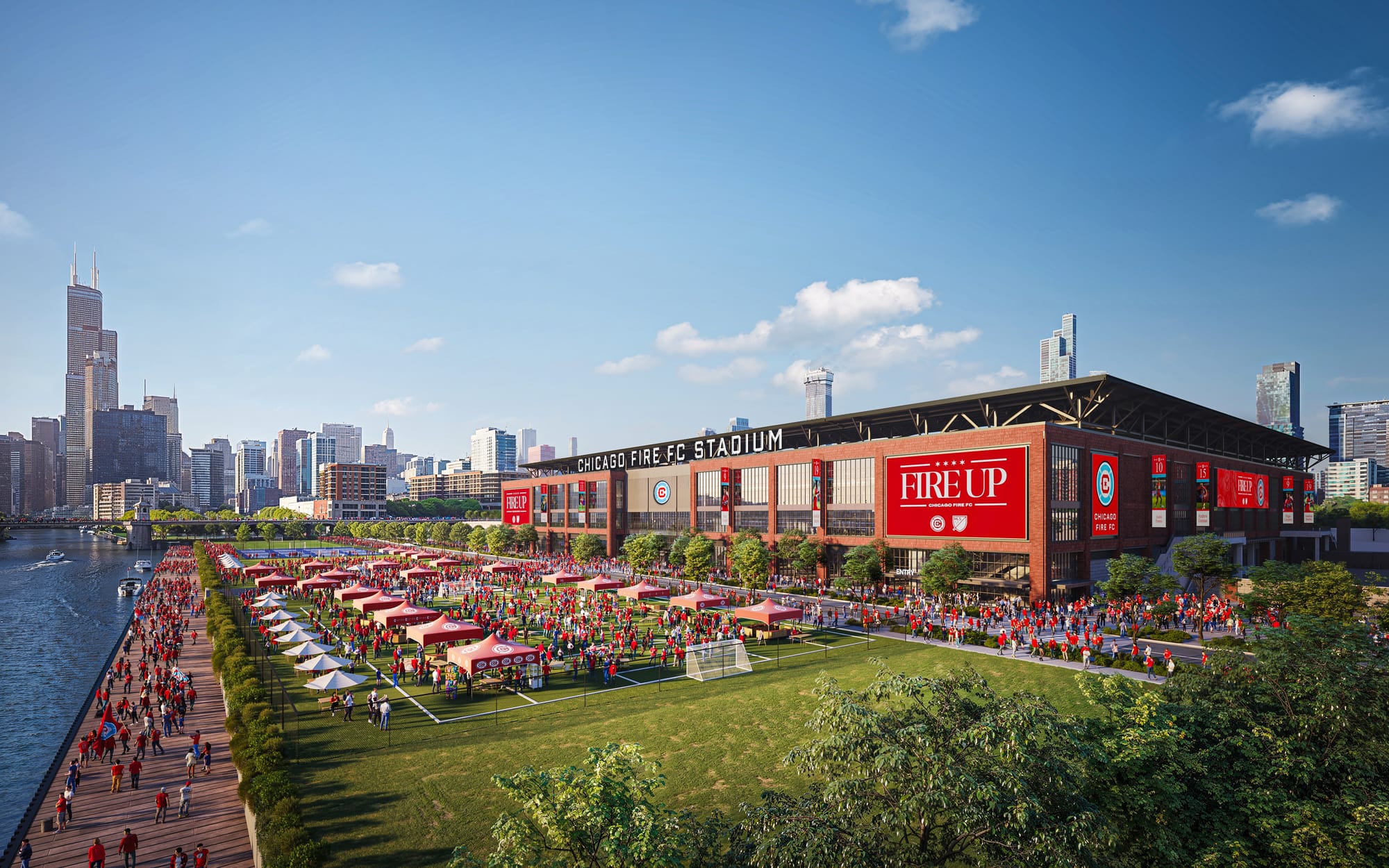
The event marked the start of construction for the Fire’s new stadium at The 78, a new development in the South Loop ahead of the facility’s planned opening in 2028. The stadium will anchor a planned mixed-use megadevelopment on a long-vacant site once occupied by railroad tracks, nestled along the Chicago River and just beyond the shadows of the Loop’s skyscrapers.
"When I first looked at this site - it was August of 2024 and immediately fell in love," Mansueto said at the event. "I knew it was the right home for the Fire. You can see the Sears Tower in the background. As you sit here, you can see the skyline in the background. You've got the river to the west. Dearborn Park [east], Chinatown to the south. Great public transportation... it's really perfect."
Today’s groundbreaking marks the beginning of the end of a process of returning to the city proper that started in 2019 when Mansueto took full ownership of the team. That fall, the Fire announced that they would move from SeatGeek Stadium in Bridgeview, a soccer-specific stadium constructed for the team which had been their home for both training and matches since 2006.
Shortly thereafter, the team’s commercial operations moved from the suburban stadium to downtown Chicago, and the Fire began looking for a site in the city limits for a new training base. After a false start with a location on the north side, in 2023 the team inked a land lease with the Chicago Housing Authority that will see the municipal public housing corporation receive $50 million over the length of the deal.
A year ago to the day, the Fire inaugurated that new facility in a public ceremony, which moved the team’s sporting operations and staff, from academy through the first team, into the city limits. At the training ground’s opening, Manuseto called his ownership of the team a “civic project,” and Chicago a “world class city.” The training facility – one of the best of its kind in the sport – meant that both first team games and training were held in city limits for the first time in team history.
"That is the belief in the city of Chicago," Mansueto said of the stadium investment in the city. "This statement is a statement that Chicago is worth investing in and has a great future ahead of it. We hope it inspires to say yes to investing in Chicago, the third largest market in the country."
Since returning to play in the city, team attendance – which never topped the numbers seen in the team’s inaugural 1998 season at Soldier Field in all the years the Fire played in the suburbs – has gone up considerably, reaching an average of over 23,000 last year.
Still, Soldier Field never has been able to feel like a true home for the team.
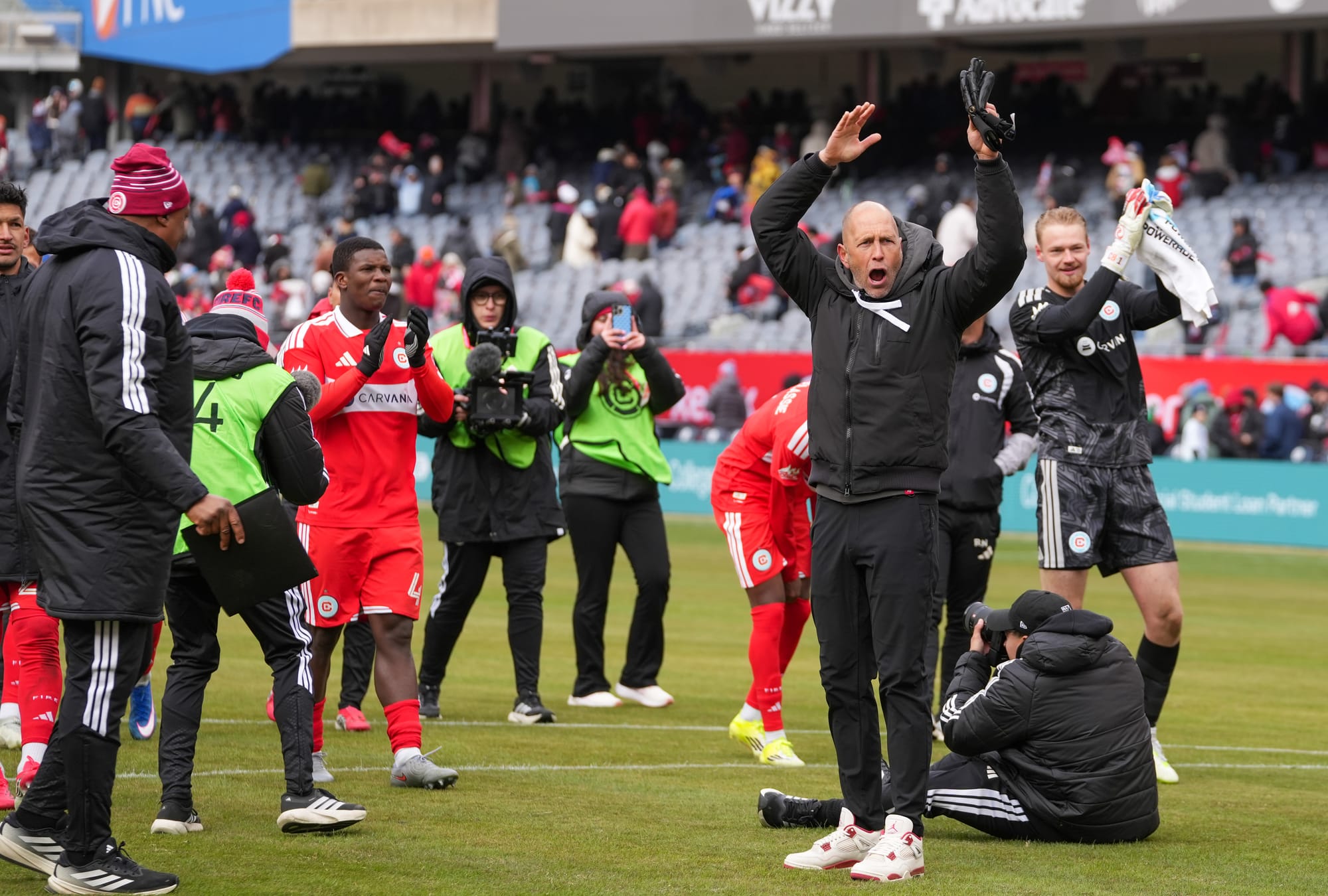
A 62,000 seat stadium built for NFL crowds, Soldier Field often feels empty even on well-attended game days. To make it to seats, fans have to walk past countless reminders that the publicly-owned stadium was constructed for the Chicago Bears, from team logos to the gridiron-themed names of concession stands to murals of past Bears greats.
The elevated stands and lack of roof do little to help gameday atmosphere – and the team has been forced to move several previously scheduled games each season to make way for the Chicago Bears, the venue’s primary tenant.
Despite Soldier Field’s issues, however, there was little indication that the team was seriously considering finding a new home – until Mansueto discussed the possibility at the unveiling of Gregg Berhalter as the team’s new head coach and director of football in October 2024, surprising everyone – including, according sources have told MIR97 Media, team staffers – in attendance.

Last June, the team announced intentions to build a stadium at The 78, a large undeveloped plot about halfway between the Fire's new training grounds and Soldier Field.
The location, close to downtown, blocks from multiple El lines and a relatively short distance from commuter train stops – will give the Fire a prime address as they work to improve the team's relevance in a crowded media market where the team has a much smaller presence in the sports landscape than major league teams in other sports in the city.
With a capacity of 22,000, the new stadium is only slightly larger than the team's first dedicated home in Bridgeview, but the new facility's $750 million budget – almost five times what it cost to construct SeatGeek Stadium, once adjusting for inflation – will give fans amenities unthinkable at the 20-year-old venue.
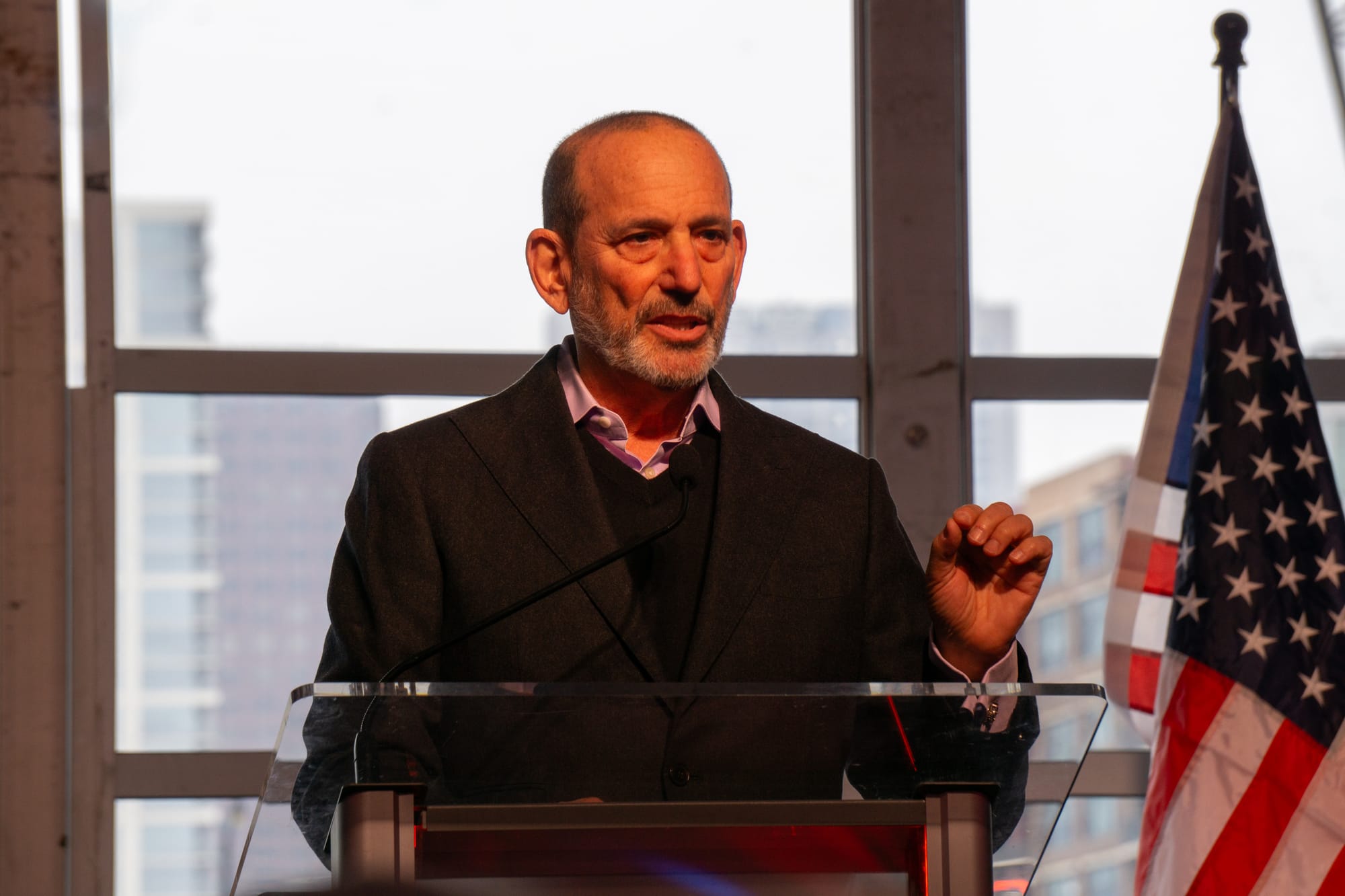
Asked about the capacity of the new stadium, which puts it more in line with larger arenas in North America than it does the top teams in soccer globally, with capacities often north of 40,000, MLS Commissioner Don Garber said "I think this is the right size. You know, the team is going to have an incredible hospitality environment. The club seats are going to be amazing. Their club seats are going to be amazing. I saw a tour of their experience center, you know, and they're going to come out with a cool brand for their supporter section, and you're going to see something that's truly unique. I think that it's going to be the right environment and the right size for what MLS is and what we have to do to have the right economics."
That includes a roof over all seats in the facility to protect fans from the elements – and reflect noise back into the building, helping to create a livelier atmosphere for fans – and a more hostile one for visiting teams.
Today's groundbreaking, held in a tent on the site of the future stadium, was more ceremonial than practical – a temporary tent was erected to protect the gathered officials, sponsors and a handful of supporters. Heavy equipment was present in the background, but the only earth moving of the day was done by ceremonial red shovels.
Still, team officials have told MIR97 Media that the real work of starting construction on the stadium is on schedule for an opening in 2028, with Team President Dave Baldwin telling media in an event last month that by the end of the year, those passing by the site should see “structural steel rising” – indicating that the site preparation and foundation for the Fire’s future home will be completed this year.
In the meantime, the stadium will start to feel real for an increasing number of fans. In February, the Fire unveiled their “Dear Chicago” experience center in the Wrigley Building downtown containing a full-sized mockup of one of the 50 suites that will be housed in the new stadium. For the time being, the center is only available to prospective suite purchasers, with the Fire seeking multi-year, six-figure-per-annum commitments.

This summer, the experience center will be made available to those looking to purchase premium seating, before becoming more widely available to general season ticket and supporters in 2027, by which time progress at the site should be visible ahead of an opening in time for the 2028-2029 season.