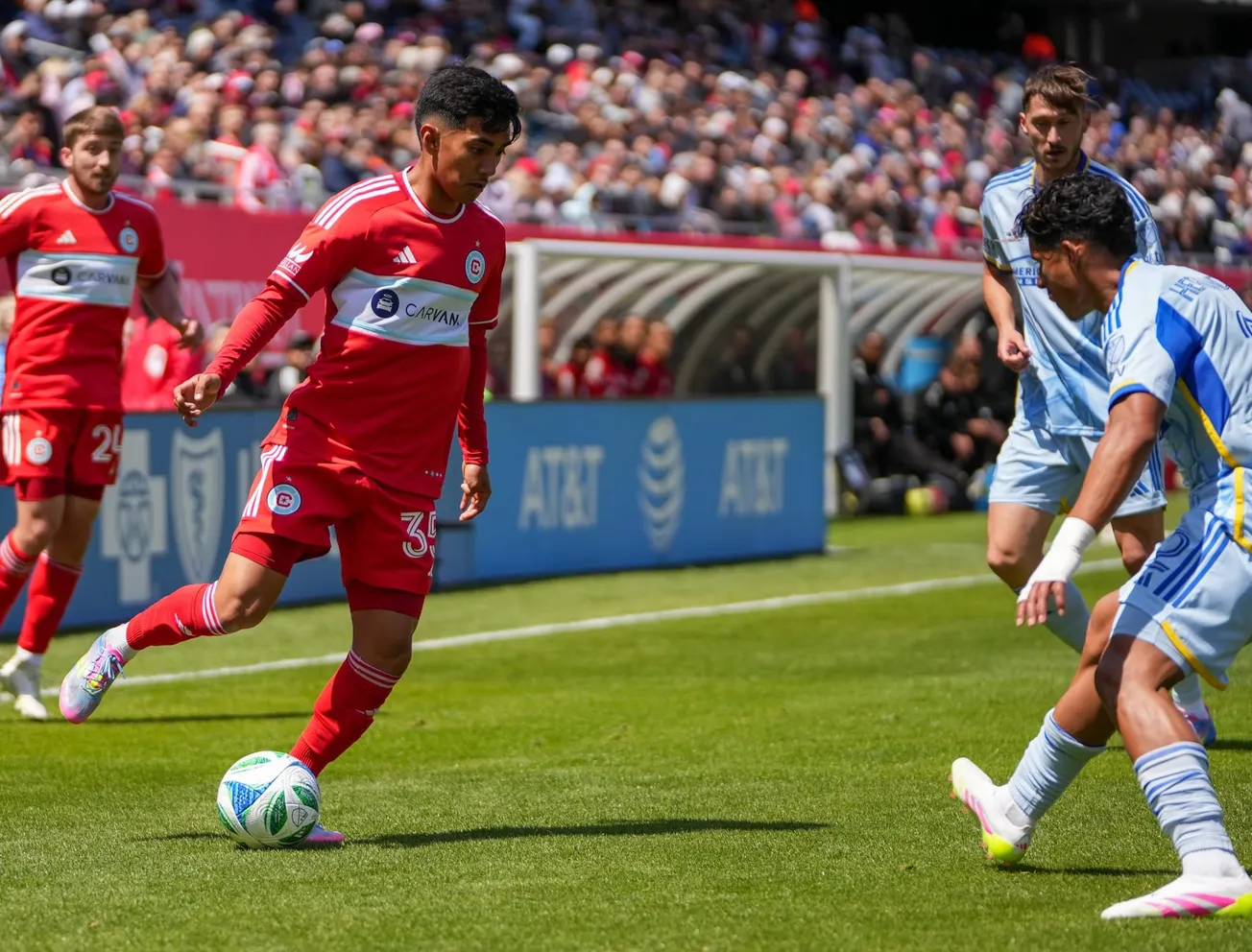


The Chicago Fire’s strong 2025 season on the pitch has paid the team dividends at the gate. In a year where the team broke a seven-year spell without the postseason and the most-ever minutes from academy products, the team also recorded record attendance on the pitch.
In 2025, the Fire had 398,144 fans through the gate across their 17 regular-season MLS matches, averaging out at 23,420 per game.
The Fire’s prior record didn’t stand long: The prior high-water mark was an average of 21,327 and 362,566 fans in total, set just last year. That record, in turn, broke a record from the previous season, when the team averaged 18,817 fans in 2023.
Before that, the team’s high water mark for attendance was set in their inaugural season back in 1998, when the team averaged 17,887 spectators during the regular season as home fans watched a team that went on to win the domestic double.
The Fire have been able to uniquely capitalize on the arrival of Lionel Messi into the league. The team’s attendance this season is buoyed by the 62,358 that showed up for a warm April 13th matchup against Inter Miami, the first time that the Argentine superstar played in Chicago in pink after his arrival to MLS. Excluding that game, the Fire’s average would have been 20,987 – a number that still would still break the record from prior to Messi’s move to South Florida.
Still, the influence of the Argentine superstar looms large: With a home game against Inter Miami late in 2023, the Fire temporarily paused before opening additional sections at Soldier Field available for purchase while working on a strategy to best-capitalize on what would have been Messi’s first competitive club game in Chicago had he not been injured. Instead of simply putting seats for sale and allowing Ticketmaster’s dynamic pricing algorithm to push prices into the stratosphere, the Fire moved strategically.
Many tickets for that game were sold as part of a pack including other Fire games. The team priced additional tickets at comparatively affordable prices to existing season ticket holders, hoping to entice friends and family of the Fire’s most loyal customers to join them in the stands. When it was clear that Messi might not play in the match, the team offered a “guarantee” – if Messi didn’t play, they’d earn a credit redeemable towards tickets the next year. The guarantee was significantly more valuable for those who chose to purchase season tickets rather than tickets to an individual game.
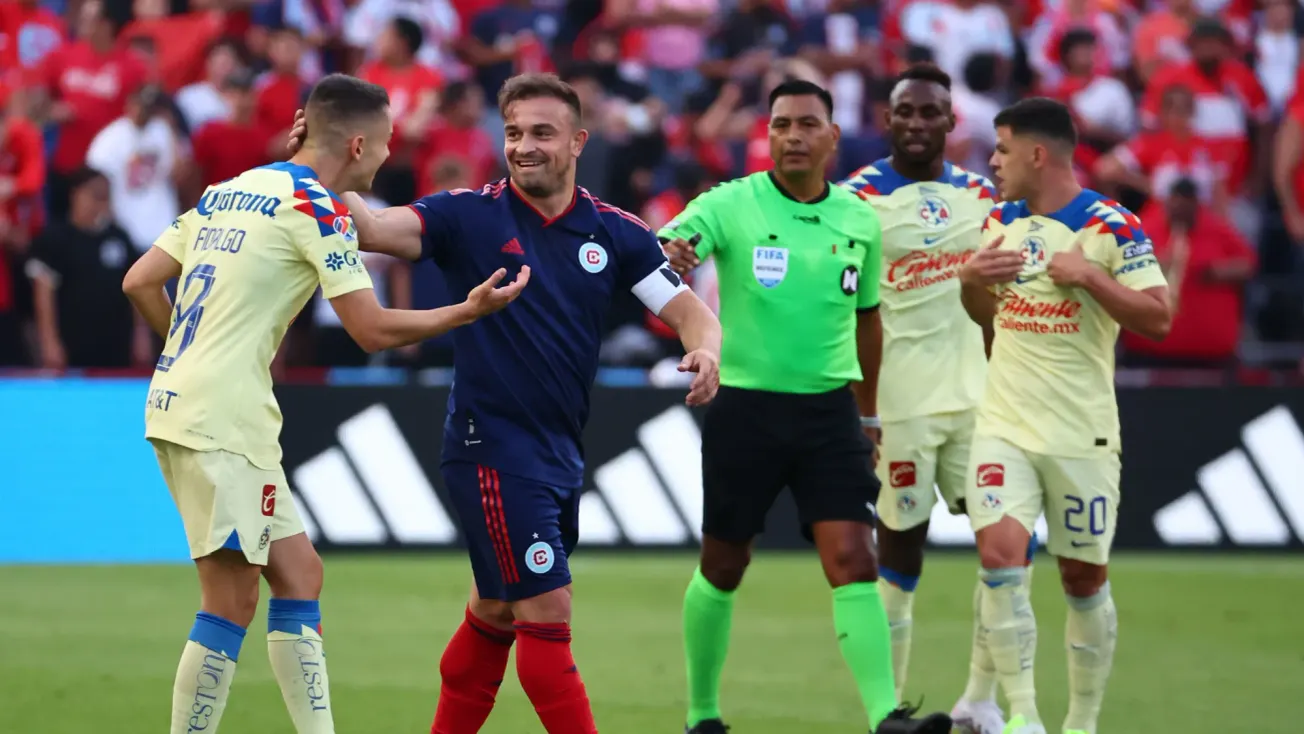
Messi didn’t play, but the crowd of 62,124 were treated to standout performances from Xherdan Shaqiri and Maren Haile-Selassie, with the pair of braces from the Swiss players overpowering Miami 4-1.
As a result, the Fire entered the 2024 season ready to eclipse their 2023 record and continued to use the fixture against Miami that the Fire were guaranteed as a springboard to lasting returns. In 2025, the Fire worked to consolidate those gains and the team's performance on the pitch, with the best record the team has had since 2017 as the Fire have been the second-most prolific scorers in the league behind Inter Miami, has doubtless helped boost performance through the turnstiles.
Trends Emerge With Eyes Towards New Stadium
Despite the general upwards trend, the Fire’s attendance remained highly variable. While the low-water mark was set in their second home game of the season, when 16,278 were in attendance to see the team take on CF Montréal, games at SeatGeek in particular have been a bugbear for the Fire at the gate.
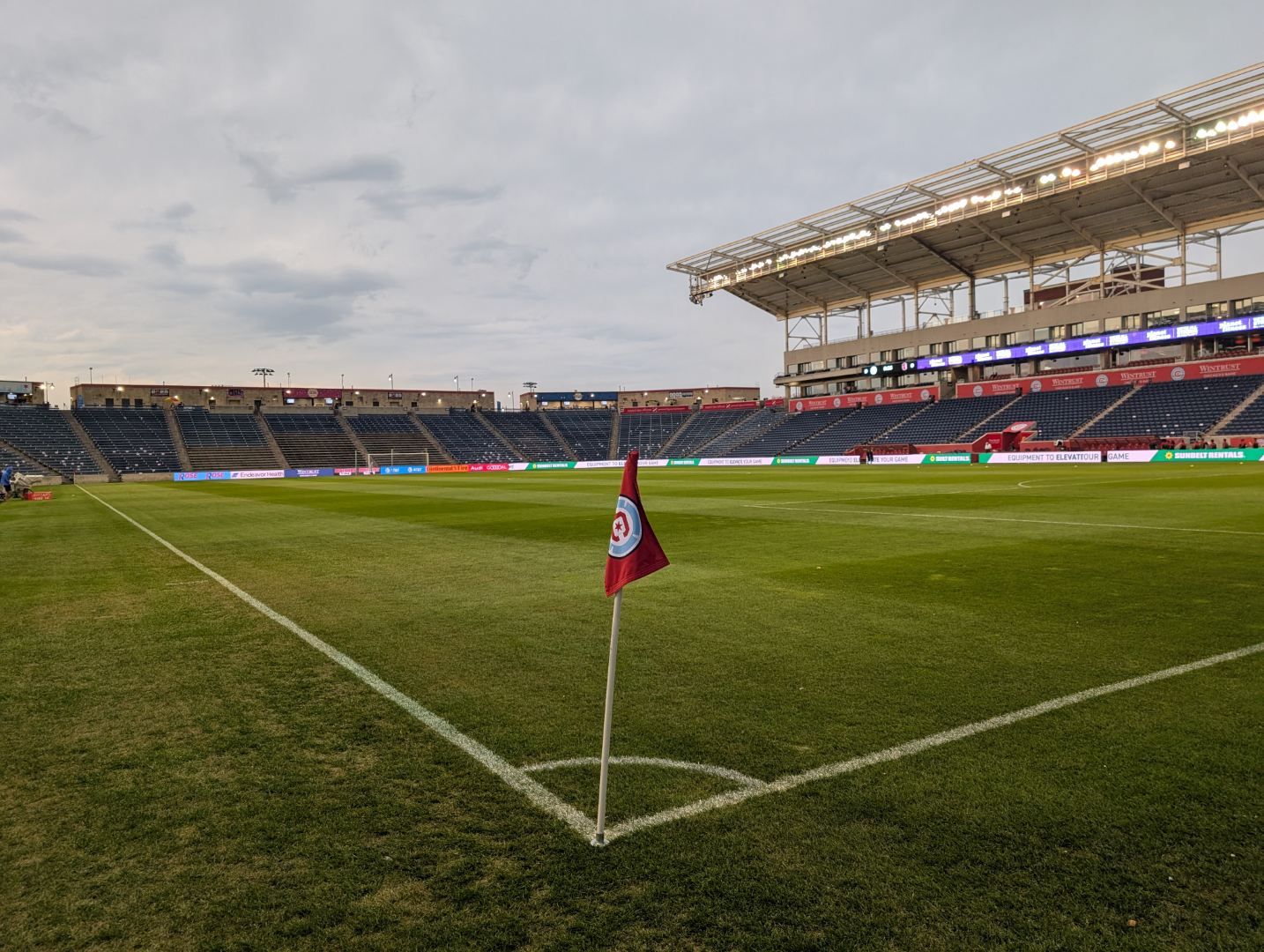
Only their game against Los Angeles FC on August 9th cracks the top 10 in attendance for the team’s 2025 season, the 19,831 at that match being just shy of SeatGeek’s listed 20,000 seating capacity (although higher numbers have been achieved with standing-room crowds in the past). Attendance for that game was boosted by word that South Korean superstar Son Heung-Min would be making his MLS debut, but it was still just the 10th-best attended Fire home game of the year.
The Fire’s other two league games at SeatGeek averaged just 17,216, the 14th and 16th-highest attended games of the 17 match campaign. Those are disappointing totals for prime summer dates but mirror the overall trend at the suburban location which the Fire called home from 2006 through 2019.
Since the team's return to Soldier Field and the removal of COVID restrictions, the team's games at SeatGeek have consistently trailed their games in the city limits. The stadium's location, virtually inaccessible by transit and not in close proximity to a major highway, far from the metropolitan area's center of population, is one factor. Another is the stadium's comparative lack of amenities – many seats have no roof cover, facilities are generally spartan, and the parking and traffic during even moderate crowds have caused headaches for many attendees.
During the time when the team called SeatGeek (or Toyota Park) home, the Fire exceeded an average attendance of 17,000 only twice: In 2008, when the team averaged 17,034, and the 2017 season, the year of the Fire’s last playoff appearance to date. Just two years later, the team drew just 12,324 per game to Bridgeview, the lowest in team history excluding the 2020 and 2021 seasons, both of which were impacted with COVID restrictions.
Since the Fire left, the stadium's age – exacerbated by a lack of maintenance, as evidenced by visible rust in places – have harmed the matchday experience, with video boards and the PA system frequently experiencing technical difficulties.
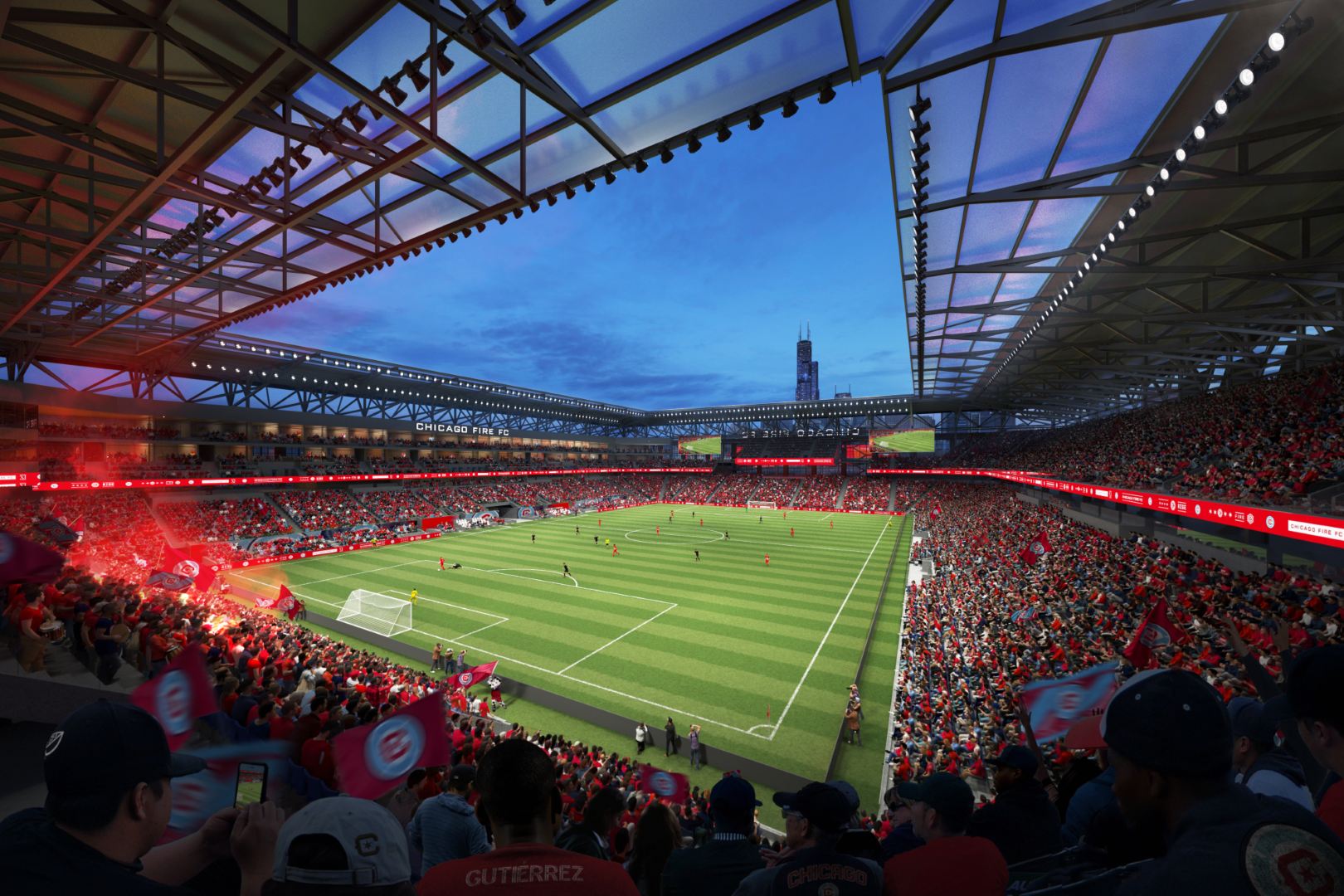
The Fire are about to commence construction a new stadium located in the South Loop with a planned opening in 2028. Like SeatGeek, the stadium will be a smaller venue designed for MLS crowds rather than NFL ones, but the constraints of the new home are evident: The stadium’s planned capacity is 22,000, a figure which the Fire exceeded seven times in the course of the 2025 regular season.
If the Fire’s capacity had been capped at that figure this season, they would have averaged 19,778, or 20,140 if the games at SeatGeek are excluded. The later figure, however, is almost 92% of the new stadium’s planned capacity, and the Fire will doubtless want to use a full building and the improved atmosphere that a full stadium affords, along with the scarcity of tickets, to find ways to increase the low end of the team’s attendance range.
Still, it is not hard to imagine that a new, state-of-the-art facility in the shadows of Chicago's skyline would be a significant draw.
That, combined with a stadium designed to keep noise in – rather than let it escape as happens at Soldier Field and SeatGeek, which has no roof over the section used by supporters – will go a long way to improving the gameday atmosphere and allowing the Fire’s home fans to become the team’s 12th man.