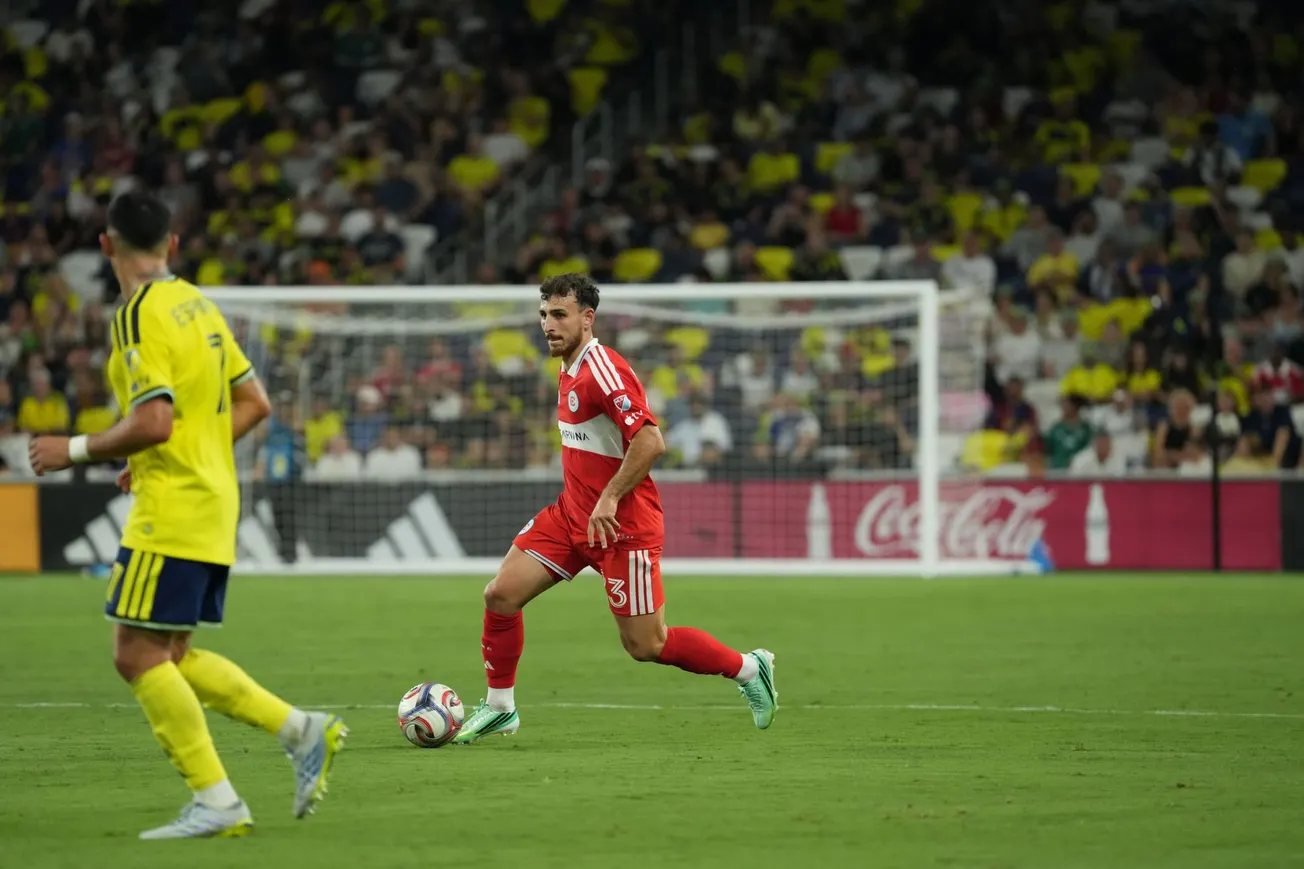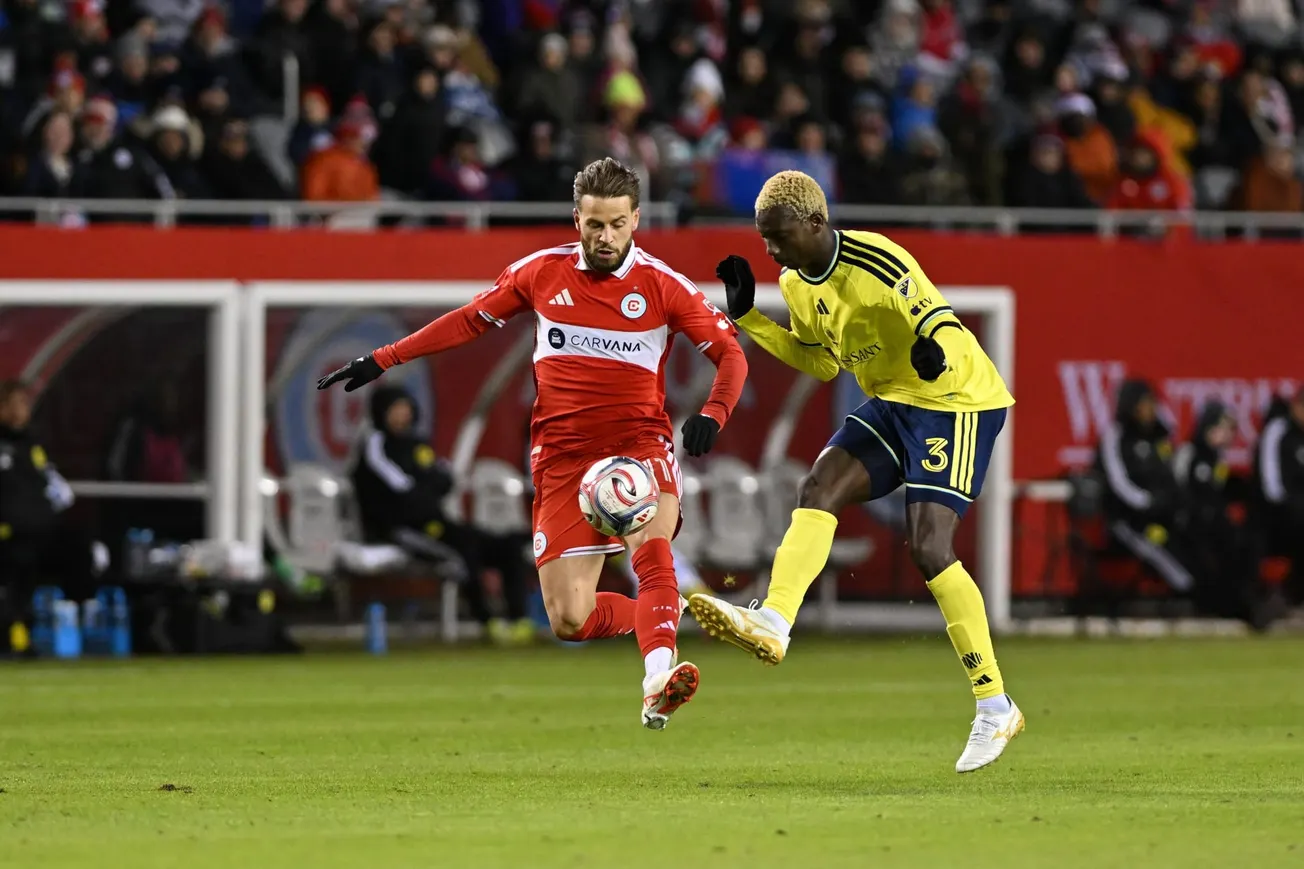

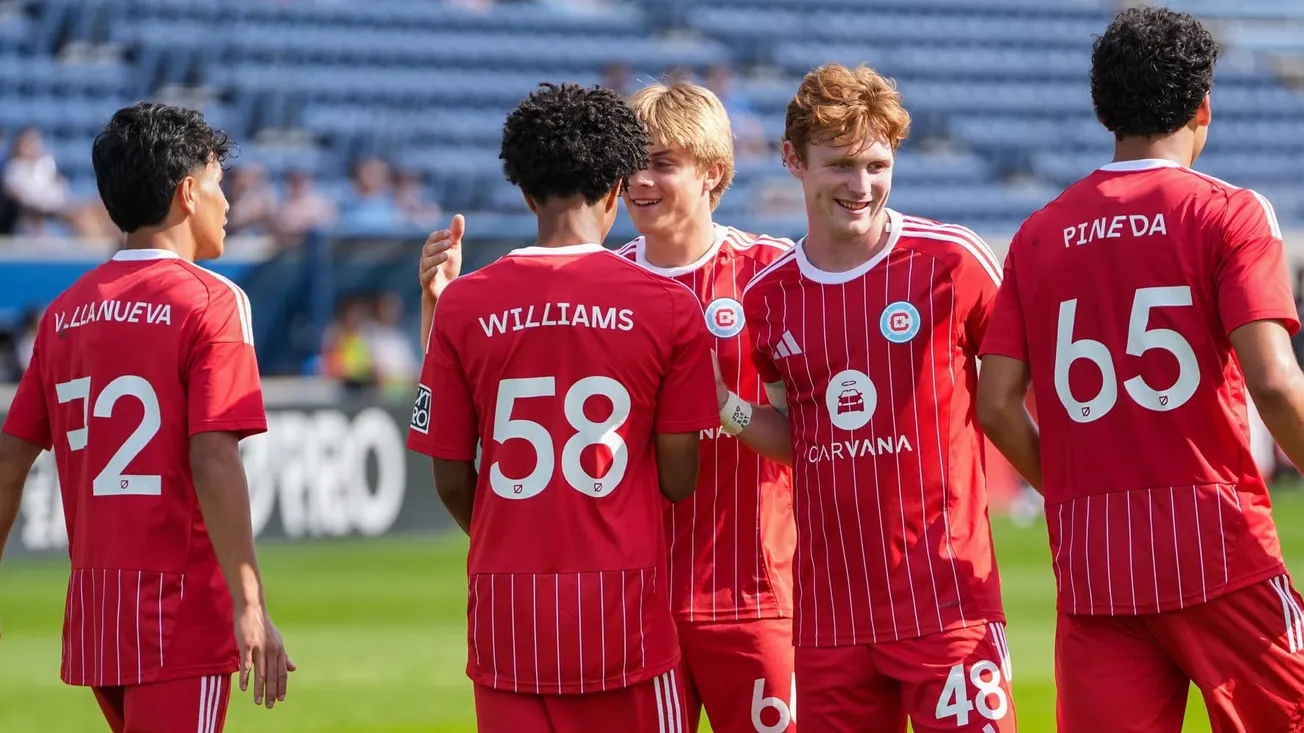
For the first time in several years, Chicago Fire II’s season has ended considerably earlier than the first team’s.
The second team finished their MLS Next Pro campaign on Sunday, losing 1-0 to Chattanooga FC in a dead-rubber decision day matchup. Fire II’s elimination from playoff contention a week earlier ensured that they would miss the postseason for the first time since the inaugural season in 2022.
While falling short of the playoffs was not the design of the team, it has, in many ways, executed its main tasks for 2026. Fire II is now essentially the club’s U-19 team, with a small handful of slightly older players sprinkled in; although the team did not meet its goals in the regular season, there are several things for Head Coach Mike Matkovich to hang his hat on from a developmental standpoint.
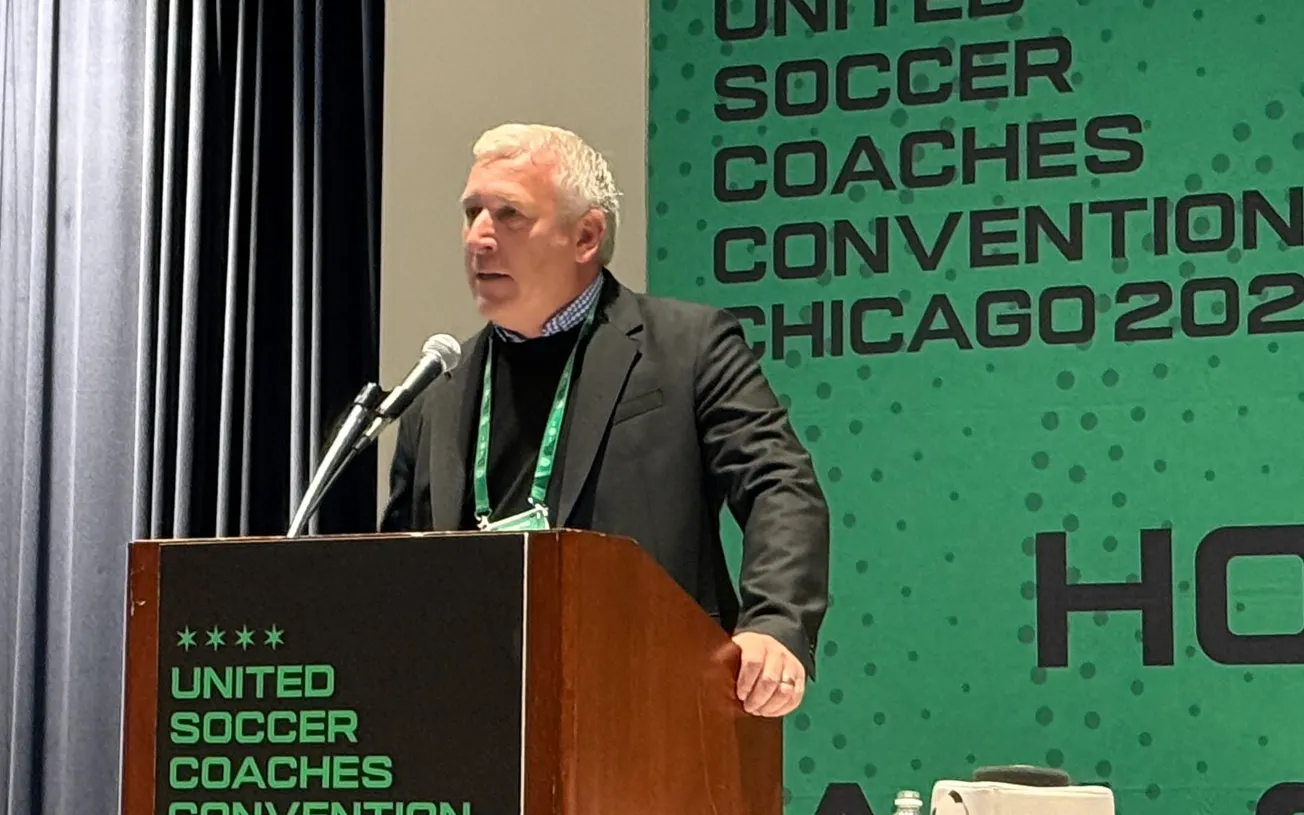
“It's a different era,” Matkovich told MIR97 Media following the game on Sunday. “We're moving in a different way. They want to go young, so you'll have inconsistency. And the growth is more about the individuals, where they end up down the road.”
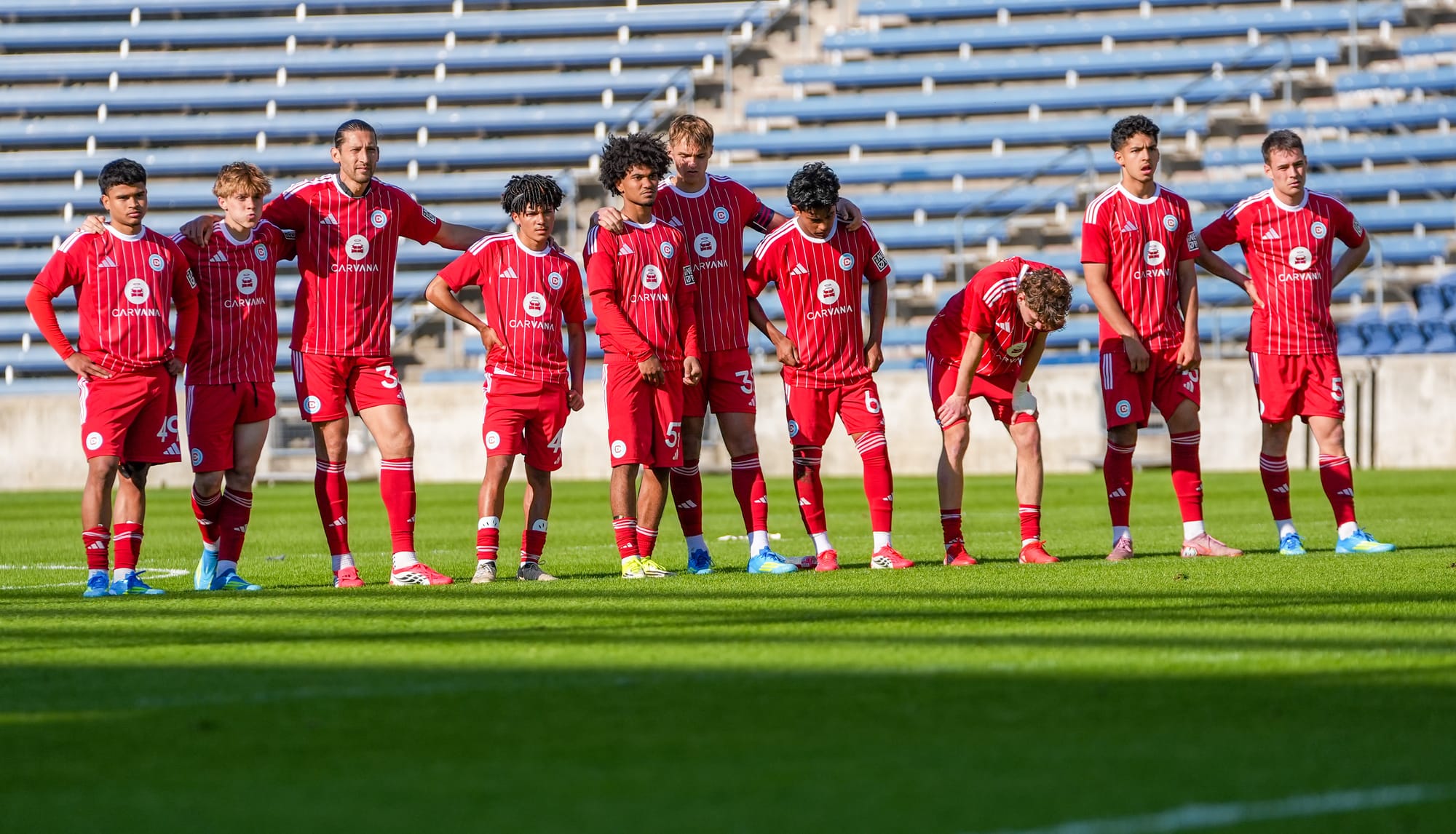
It was a difficult way to end the year for the team; after a late-August win over Inter Miami II, they sat in a playoff spot, but went on to lose their final four games of the regular season, sealing their fate.
Here’s what we can take away from Fire II’s fifth-ever season, and what the future holds for the club in MLS Next Pro.
Development First
Over the last 18 months, there has been a clear and deliberate change in strategy for the second team.
Fire II began 2025 with what could best be described as a “super team” for MLS Next Pro; big-money signing Claudio Cassano was racking up goals and assists on the wing, 25-year-old Diego Konincks was leading from the back, Harold Osorio was going back and forth between scoring for Fire II and for El Salvador in World Cup qualifying, and Jason Shokalook was winning the league Golden Boot up front.
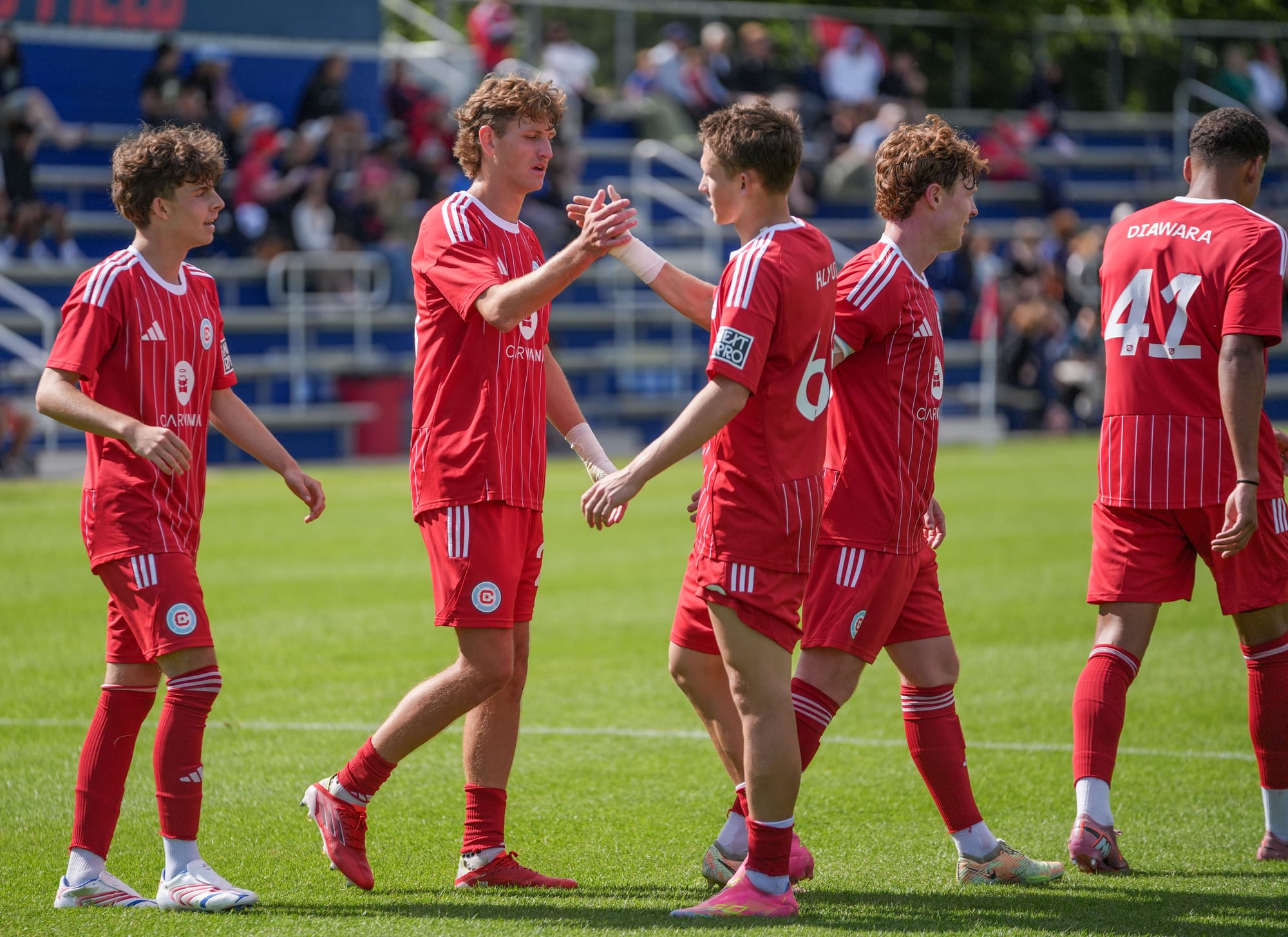
That team, which was regularly winning games by incredibly lopsided scorelines, didn’t even make it through the summer of 2025. By the end of the regular season, there was a clear shift toward academy players, and the team that was fielded in 2026 was unrecognizable from the one that played less than a year prior.
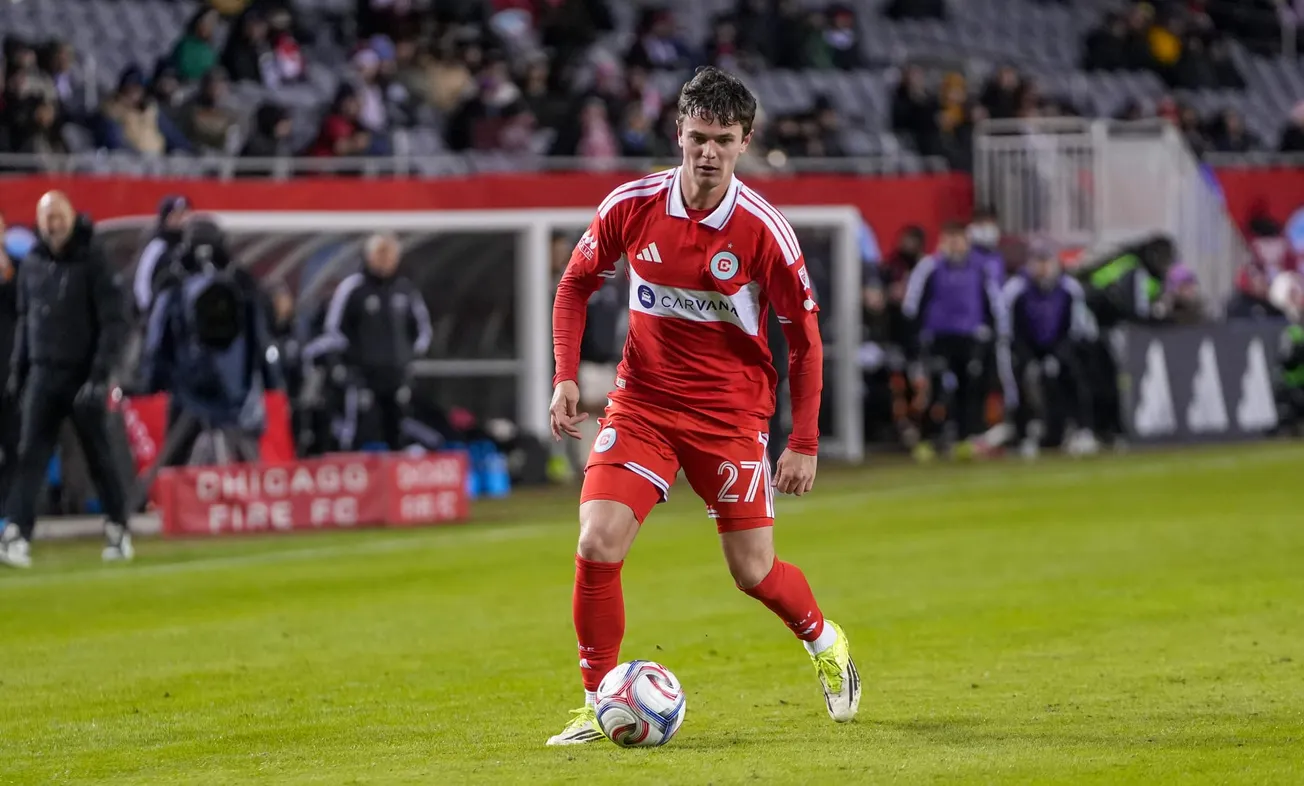
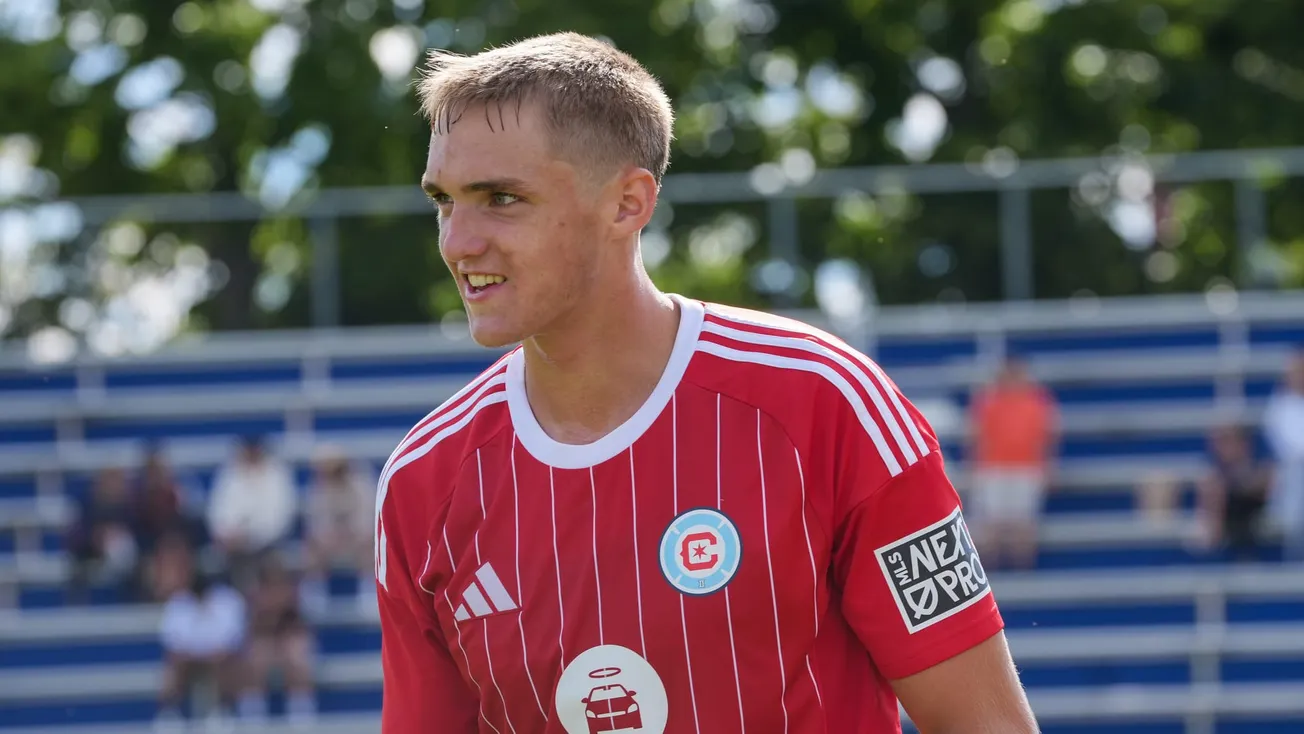
While the results have suffered as a result, this has meant more opportunities for academy players. A routine lineup this season would consist of eight players from the Fire’s development system, with the only exceptions consistently in the XI being SuperDraft pick Jack Sandmeyer, 20-year-old Swiss wingback Damian Nigg, and 2025 draft pick Dean Boltz.
“Last year we had a different group of guys,” Matkovich said. “We've gone younger. We're going within the academy, so it's different. Finding the right balance is tough. But giving guys opportunities, that's the key.”
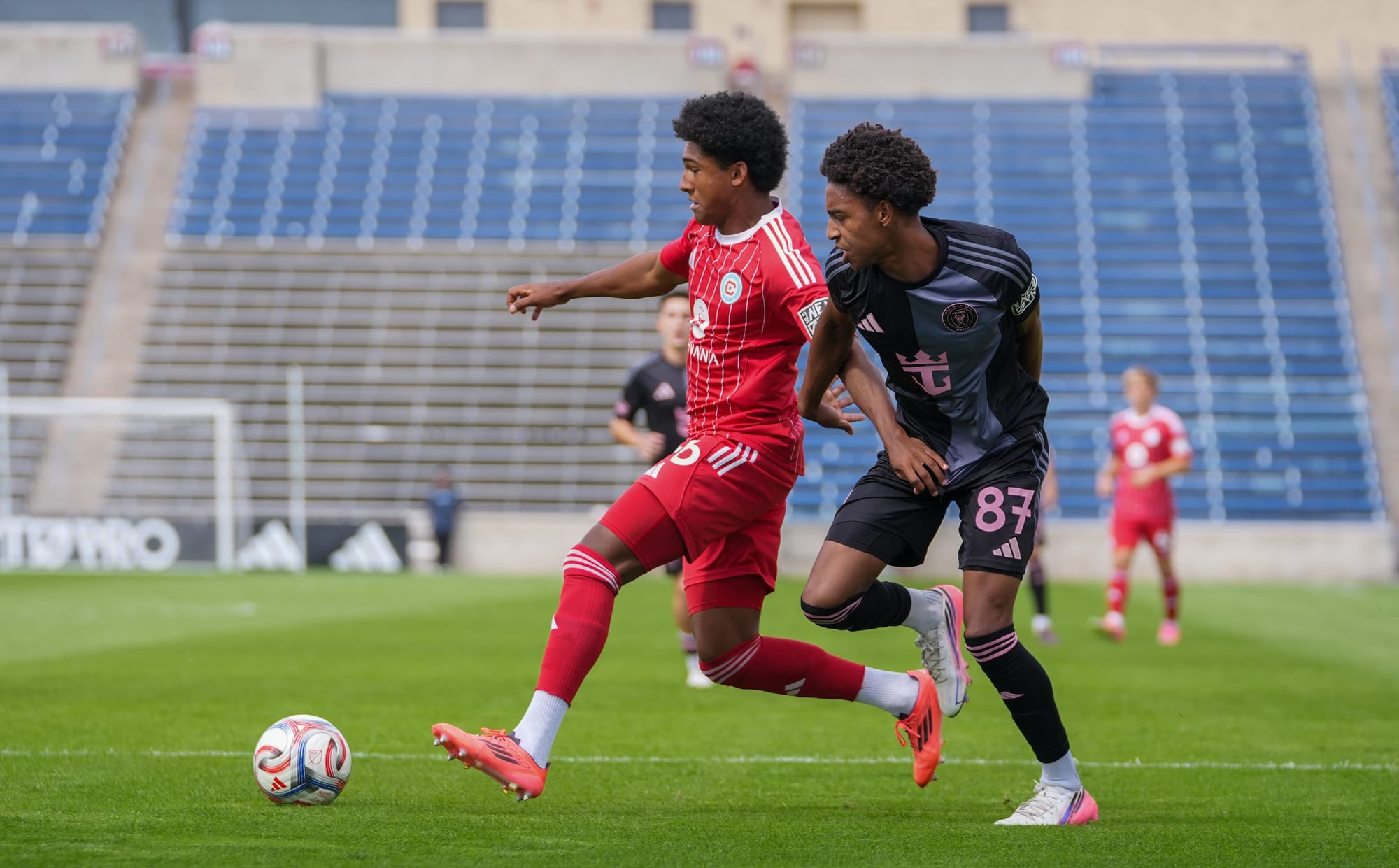
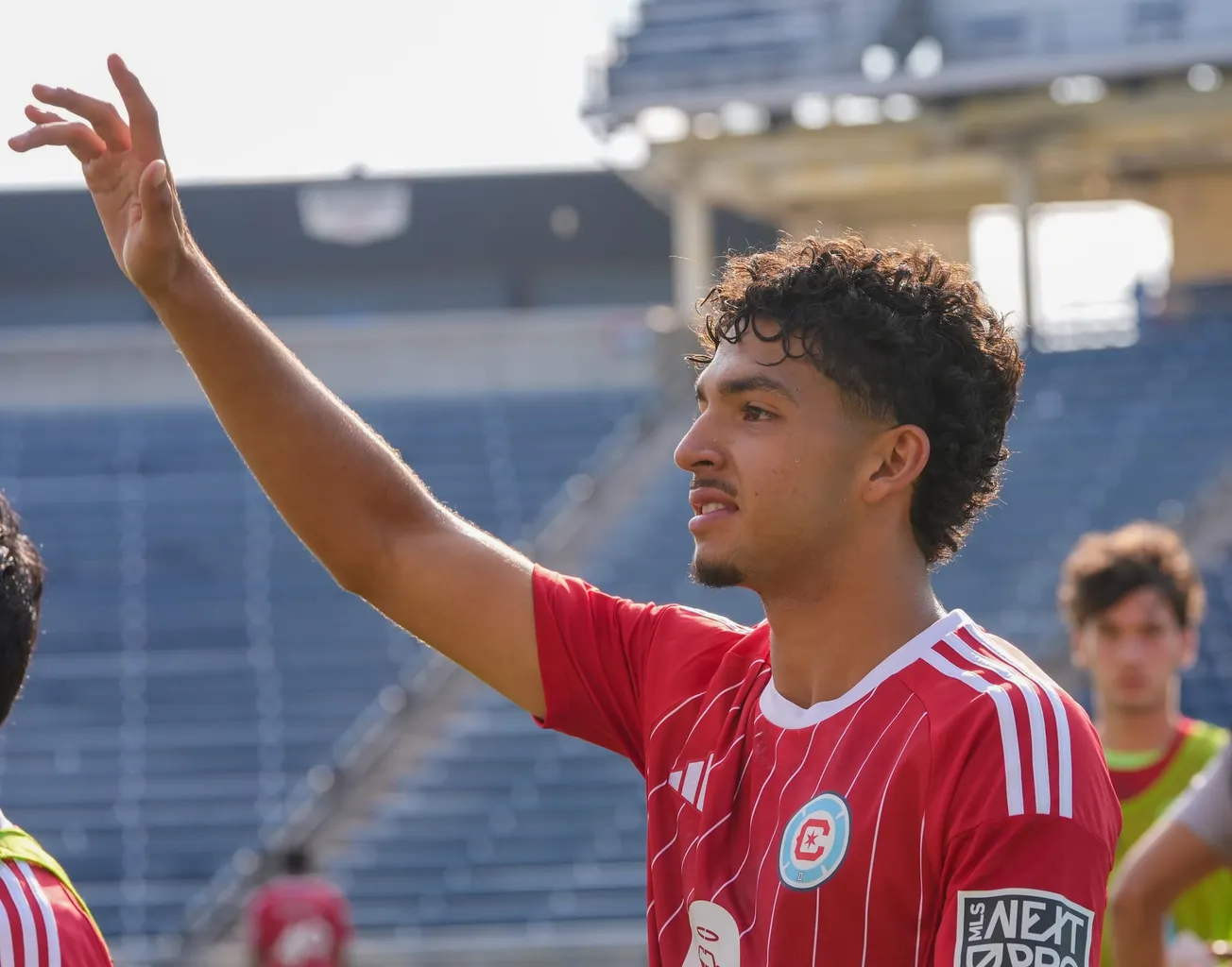
Individually, these academy players have succeeded. Robert Turdean, who has been a homegrown player since January 2025, got his first real run of pro minutes this year, totaling four goals and four assists while starting 23 of the 28 games and only missing matches when he was with the first team. Chase Nagle – arguably the best all-around unsigned player – started 21 games, gaining valuable pro experience before he goes to play for Stanford next fall. 17-year-old Milan Napoe also emerged with 24 appearances and has become a regular participant in first team training this month.
This season, the academy-focused strategy has usually resulted in around eight academy players, unlike last year, when at times only four might be on the field. That’s a deliberate shift, and one that ultimately hurt the team’s standing in the table, but is intended to pay dividends when those players are closer to fulfilling their playing aspirations.
Contracts, contracts, contracts
Last January, Ukrainian winger Vitaliy Hlyut became the first player to sign an MLS Next Pro contract with the Fire directly from the academy. He was followed shortly after by Darris Hyte, who also signed a Fire II contract in that way. While that structure was a new thing at the time, this summer has seen an explosion of second team contracts directly out of the academy.
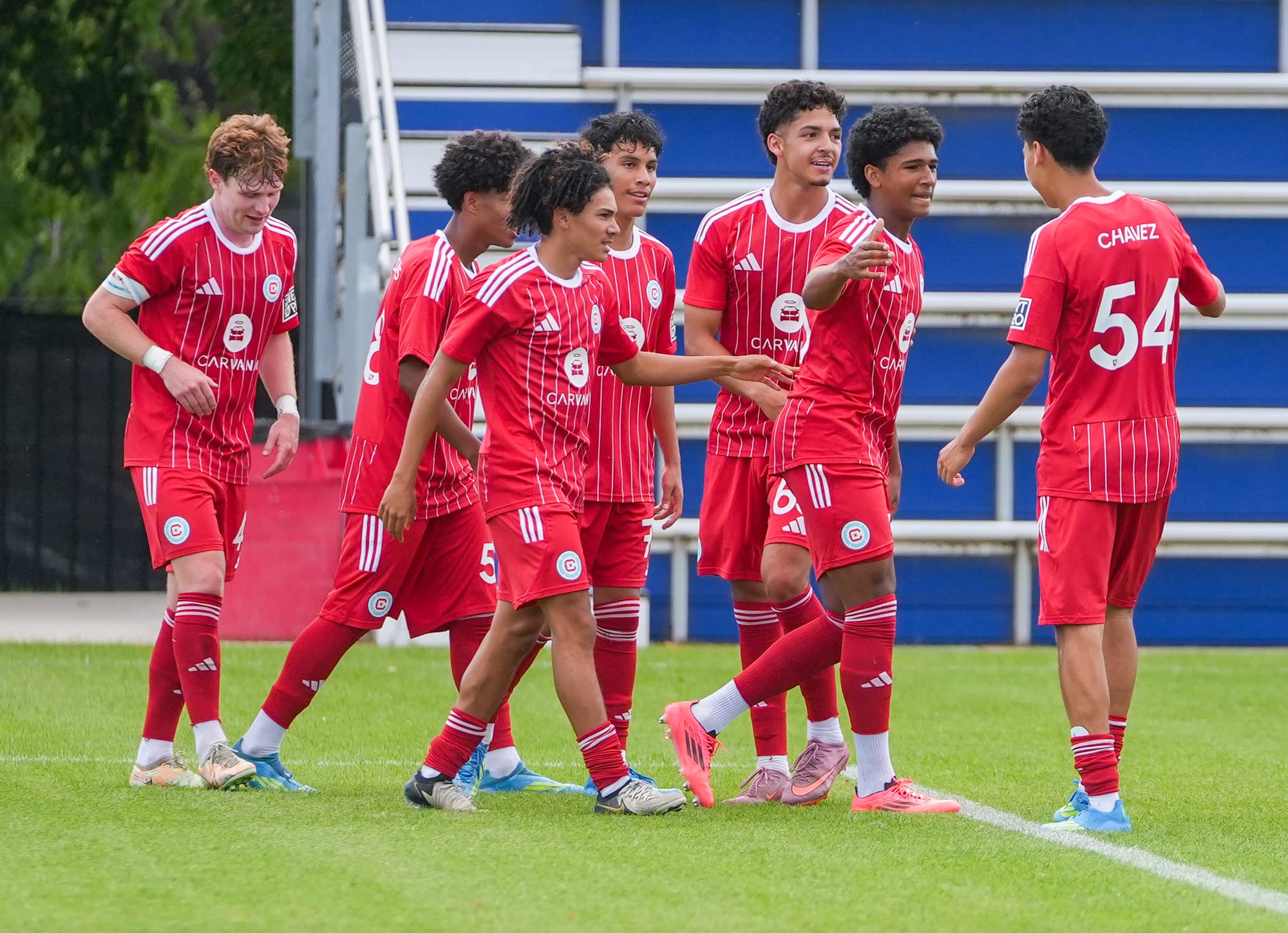
Ahead of this season, goalkeeper Jason Nemo Jr. penned an initial Fire II contract. DeAndre Beckford, Harrison Bernhardt, Christopher Morales, and Rafi Pineda all signed directly out of the academy, with all four being completed in August. Winger Damyan Villanueva also earned a Next Pro deal, which is yet to be announced.
The moves this summer demonstrated that that kind of move is now possible for academy players; in the past, most academy players were left unsigned unless they were good enough for a first team deal, but the last two years have cast a wider net with regard to who gets signed.
Importantly, what the pathway is for these players remains to be seen. Traditionally, the main route for players not immediately good enough for first team deals was almost always college soccer; because of loosening NCAA restrictions on professionalism, all the academy players signed this year remain technically eligible for college, and how this will shake out nationwide remains to be seen.
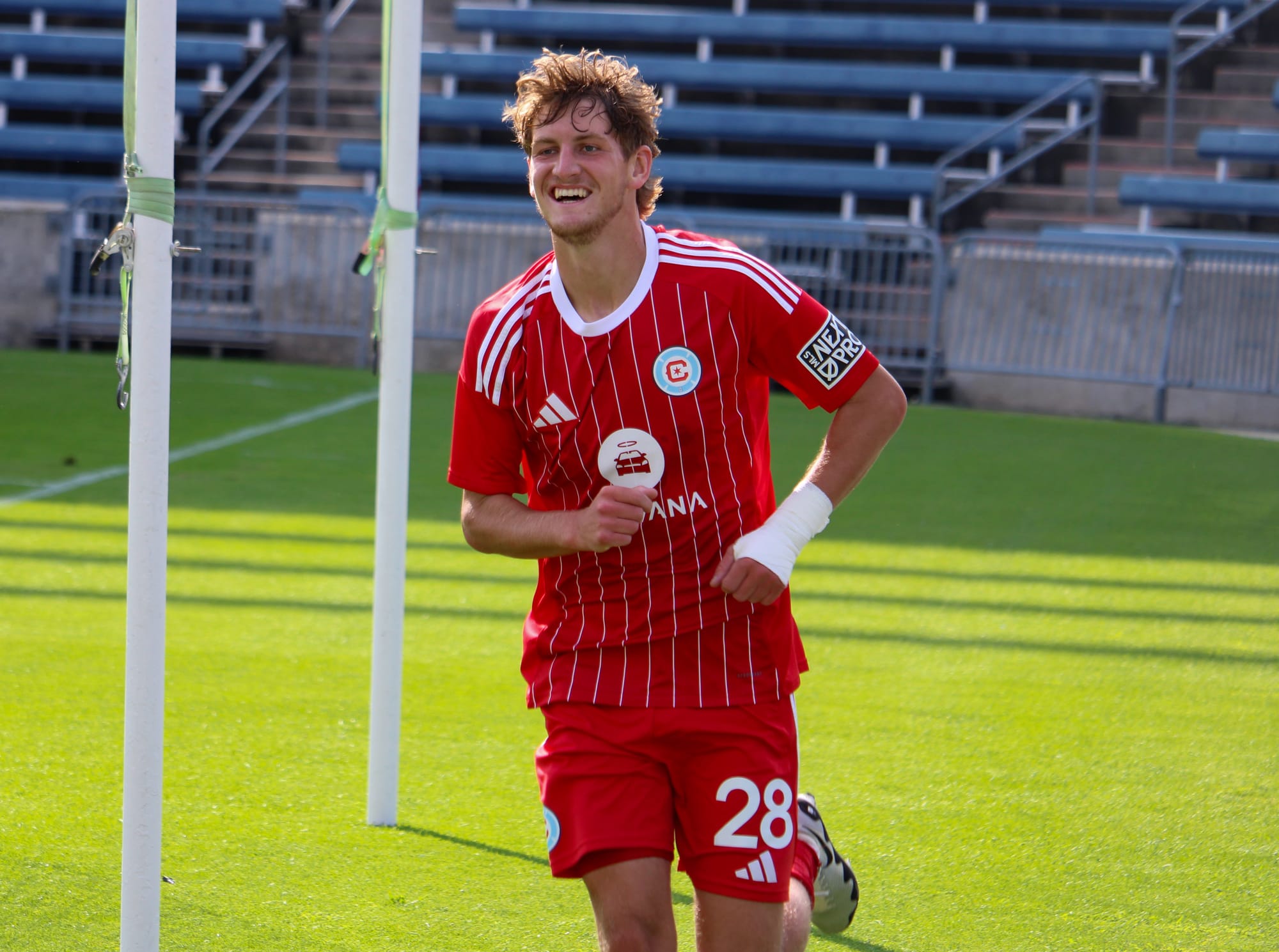
Though this new era of plentiful Next Pro contracts is definitely worth discussing and something to monitor in seasons to come, it’s still too early to make any sort of judgment yet. What happens with ever-evolving rules for both MLS and the NCAA will play a big role in how it shakes out.
Future goalkeepers set
The Fire has a reputation in American soccer as a goalkeeper factory, with Gaga Slonina and Chris Brady being the only two to come through the academy to first team pipeline. Both have gone on to be U.S. internationals, with Slonina moving to Chelsea for over $10 million and Brady now looking like one of the USMNT goalkeepers of the future after he was on the roster for the World Cup this summer.
Two goalkeepers were rostered and under contract in 2026: Owen Pratt and Jason Nemo. They will become first team homegrown players in 2027 and 2028 respectively, and together played all but 91 of the minutes played this year (Josh Cohen had one 90-minute start, and penalty shootout specialist Giorgi Gongadze played one minute in July).
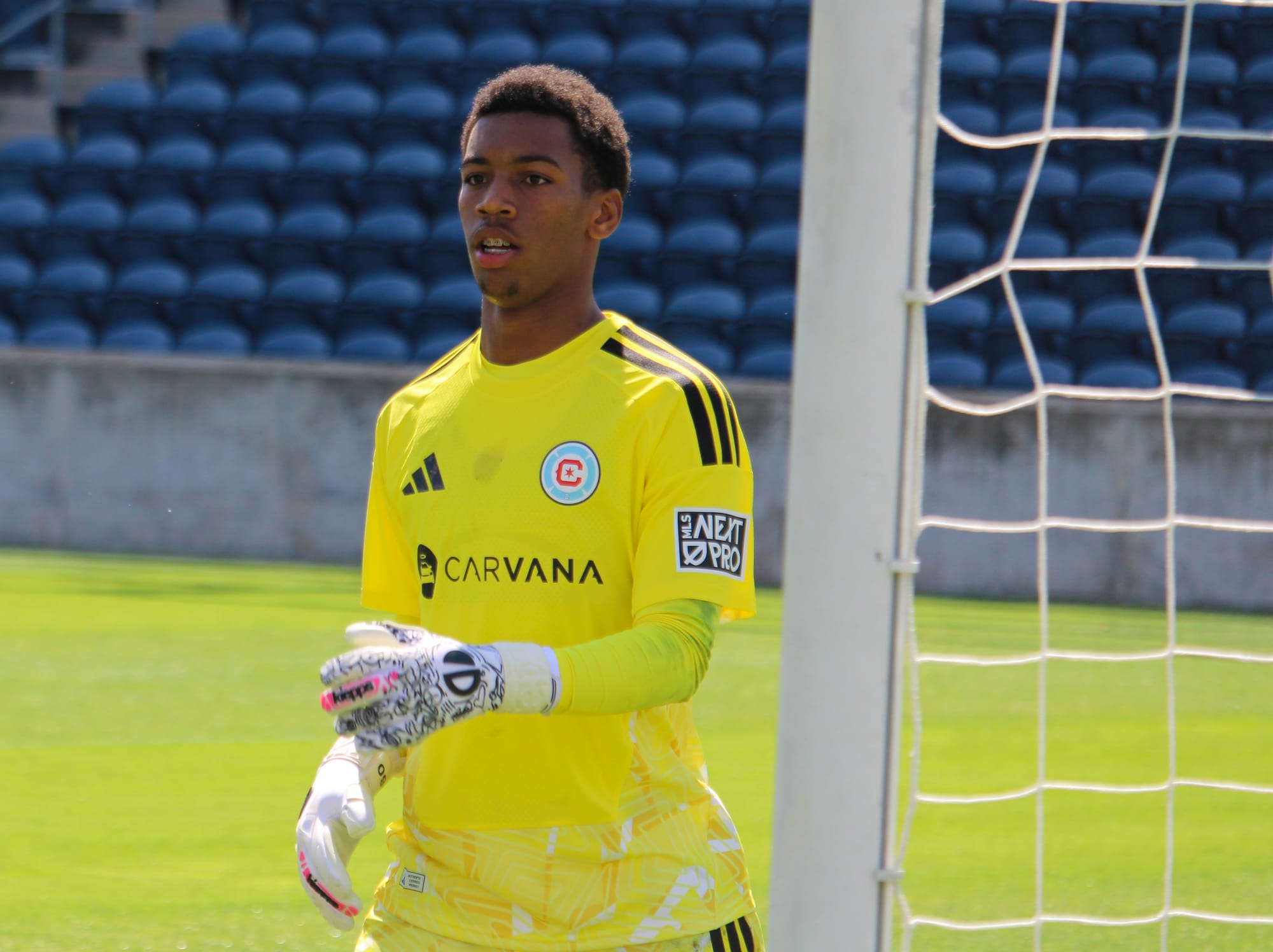
“I thought they both had decent years,” Matkovich said. “Both need time. Sometimes we're impatient. We have to be patient with player development. It doesn't pay off until sometimes three to five years down the road.”
“Patience is the key. We can't get too crazy. I think the guys both did alright. Had some ups and downs. It's part of the process. We just got to keep sticking with them, give them more opportunities. They'll both grow.”
Pratt, acquired from the L.A. Galaxy at the trade deadline last season, had seven starts at the beginning of the year, winning once but also adding three shootout wins. Nemo, who is two years younger, started 20 of the 21 games that followed, recording three clean sheets. The latter has been a regular call-up for the U.S. youth national teams and has improved considerably over the course of the season.
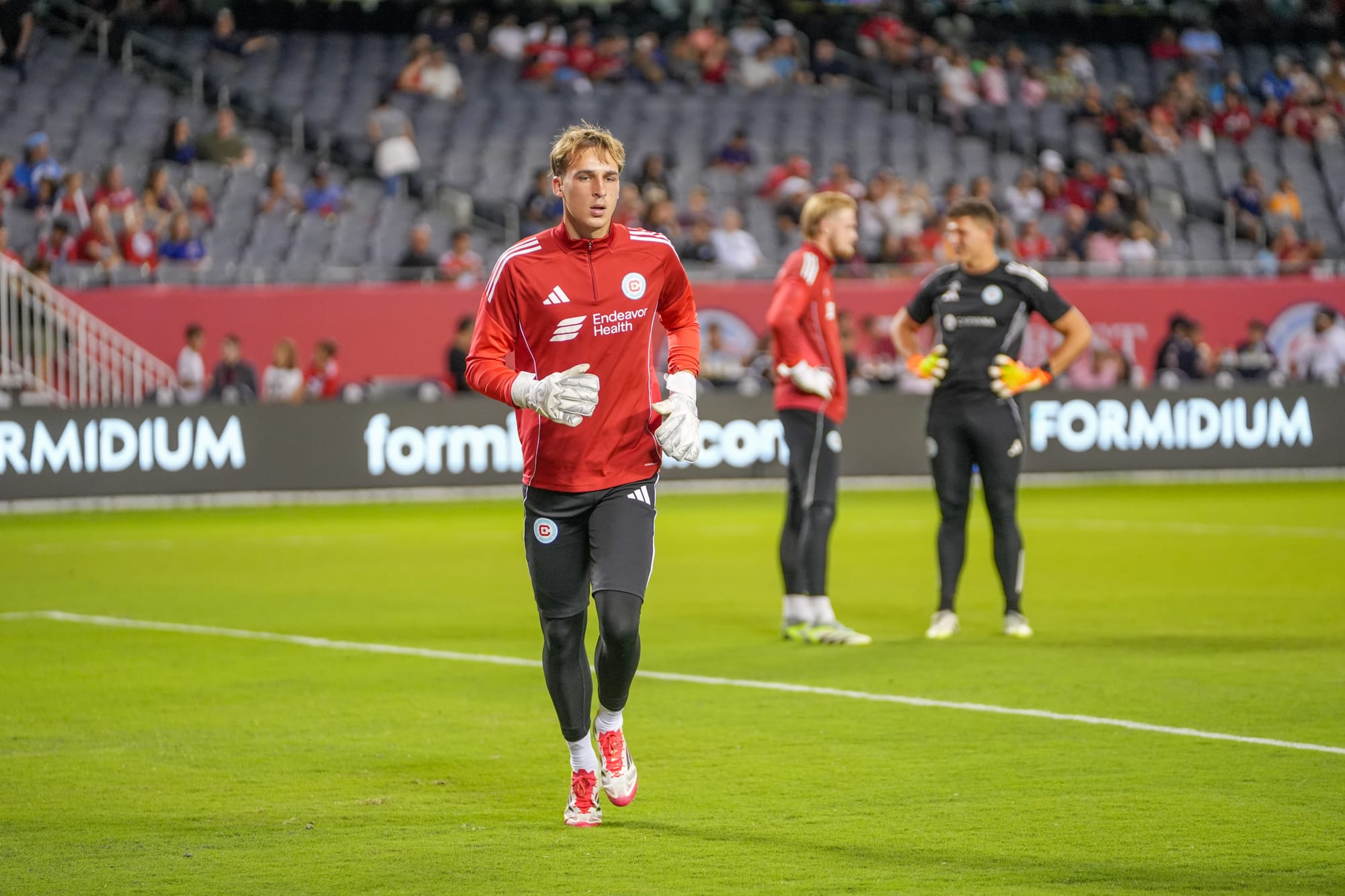
Those two keepers are the most important ones to follow for the future of the first team, given that they are already contractually tied to it. Among the Fire’s other academy goalkeepers – USYNT goalie Alex Bayraktarov, Georgia youth international Giorgi Gongadze, and likely college-bound David Molenda – are also worth mentioning.
Next rising star
Besides the two pre-signed goalkeeper homegrowns, the next generation of homegrown players is less clear than it was two years ago. The current crop – comprised of Dylan Borso, Christopher Cupps, and Robert Turdean – was fairly easy to predict, and now, there isn’t quite the same group of standout young talents in various positions.
Perhaps the most exciting of the current group, however, is someone who didn’t really break through until the final part of the season: 16-year-old midfielder Brody Williams. Born in South Africa but having spent his entire development in the U.S. by now, the box-to-box player joined the Fire on a Next Pro deal in early 2025. Since featuring for the academy teams last year, and now as a second team regular, Williams now seems like the best bet to be the next outfield homegrown player and is arguably the top prospect in the club not with a first team deal already.
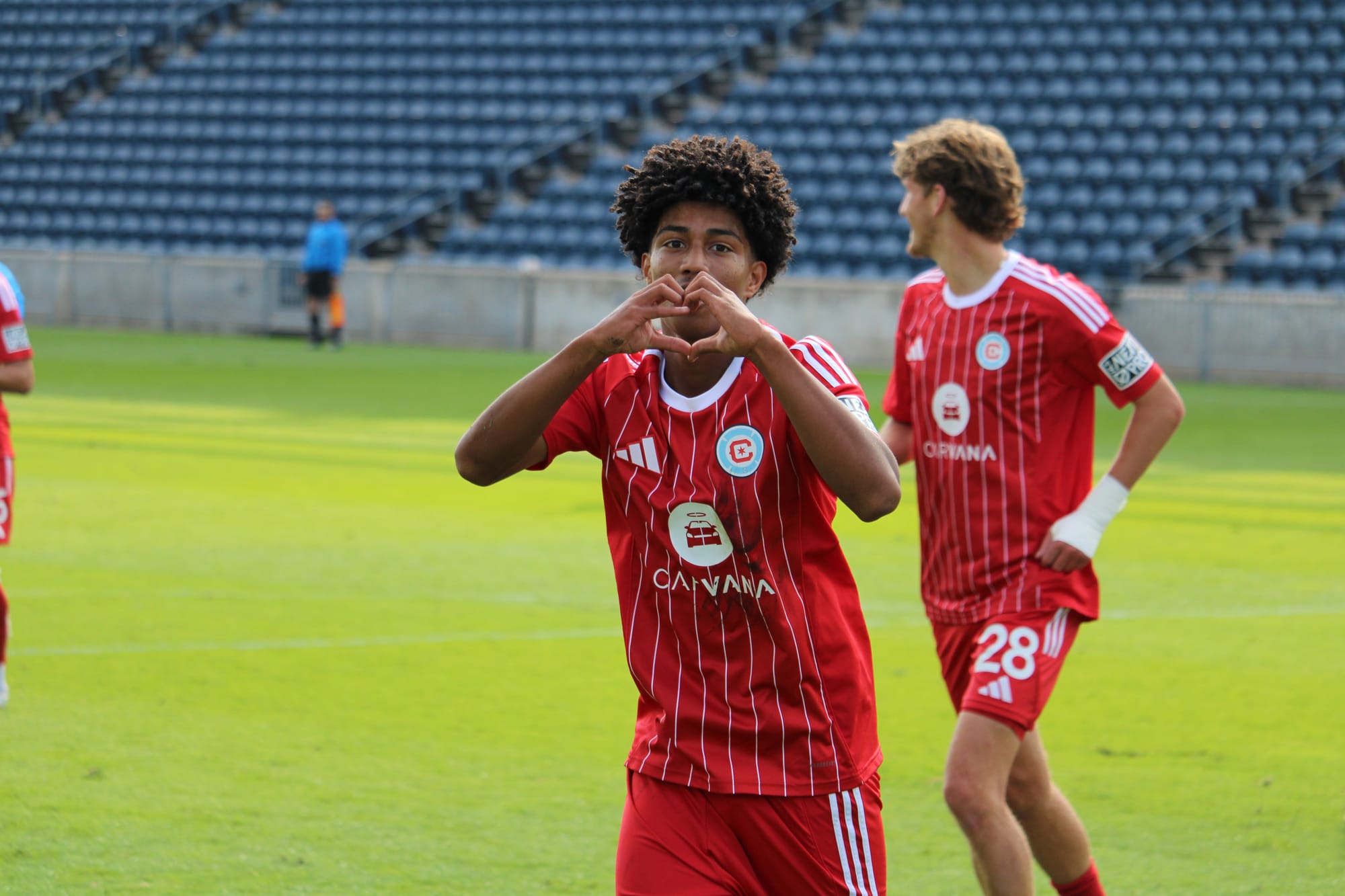
There’s reason to be excited about what’s to come. Williams walks away from the final weeks of the season as one of the top performers, having played both centrally and out wide, with Matkovich singling him out as such. He also got an opportunity to train with the first team this week.
“Brody came on very strong,” Matkovich said. “I think we also were smart with him. We didn't force him too early. Sometimes when you throw guys too quick, it doesn't work. I think we brought him along just fine. I thought he did a nice job down the stretch.”
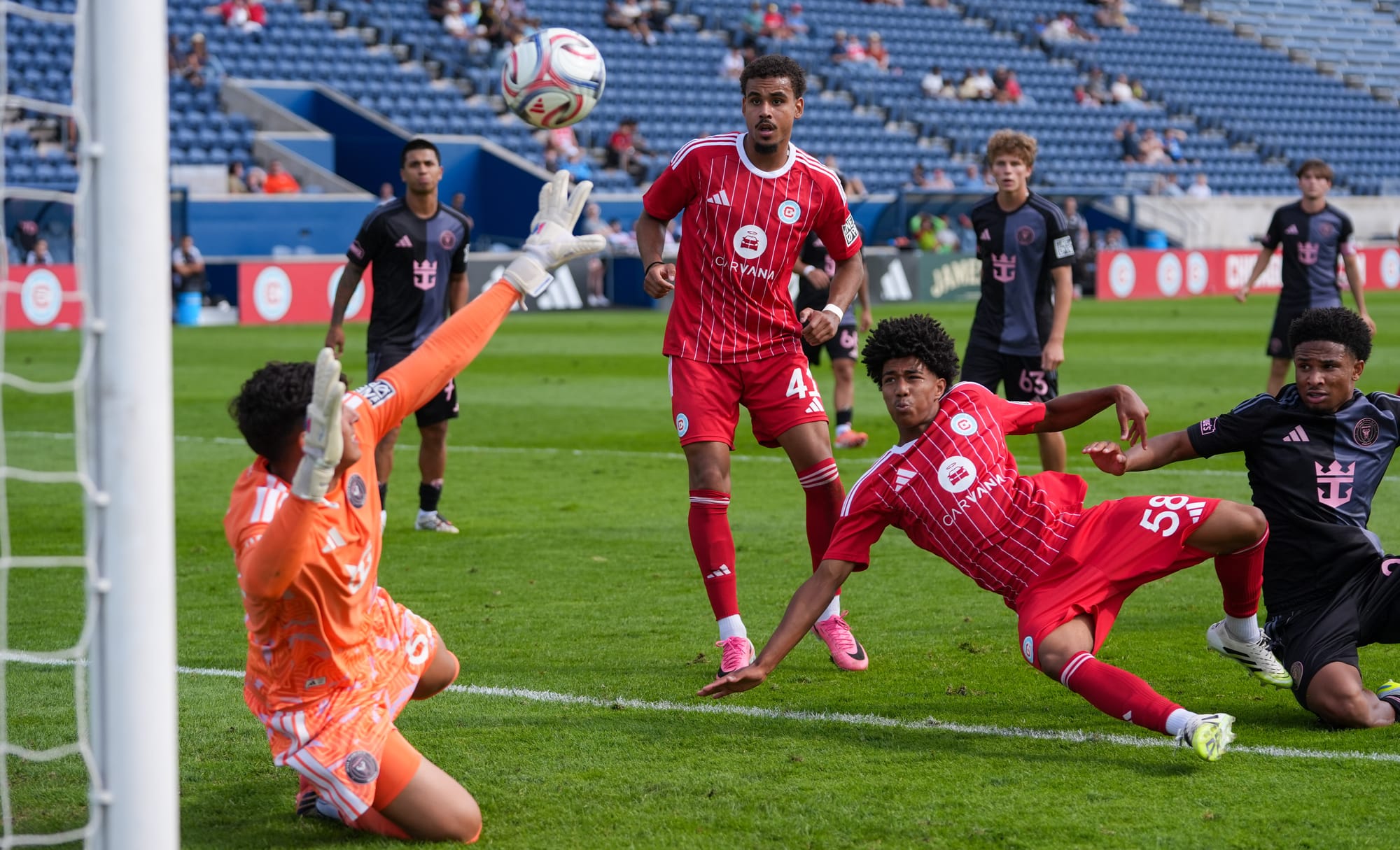
Williams arrived in Chicago last spring with the expectation of being a potential future first team player, but someone who certainly did not have those expectations 12 months ago was Damyan Villanueva. The Mexican-American winger was playing high school soccer four years ago, joined the Fire in 2023, debuted in MLS Next Pro in 2024, and emerged as a reliable player at that level this season.
Villanueva, not valued highly as a prospect entering the season, ended up being a starter for Fire II, and finished the season with six goals and seven assists. His hard work earned him a Next Pro contract and a first U.S. youth national team call-up this week. While he still is not viewed as a first team prospect, and at times struggles to heavily influence games for prolonged spells, Villanueva was the most efficient attacking players for Fire II this year and has the skillset to be a very dangerous player going forward.
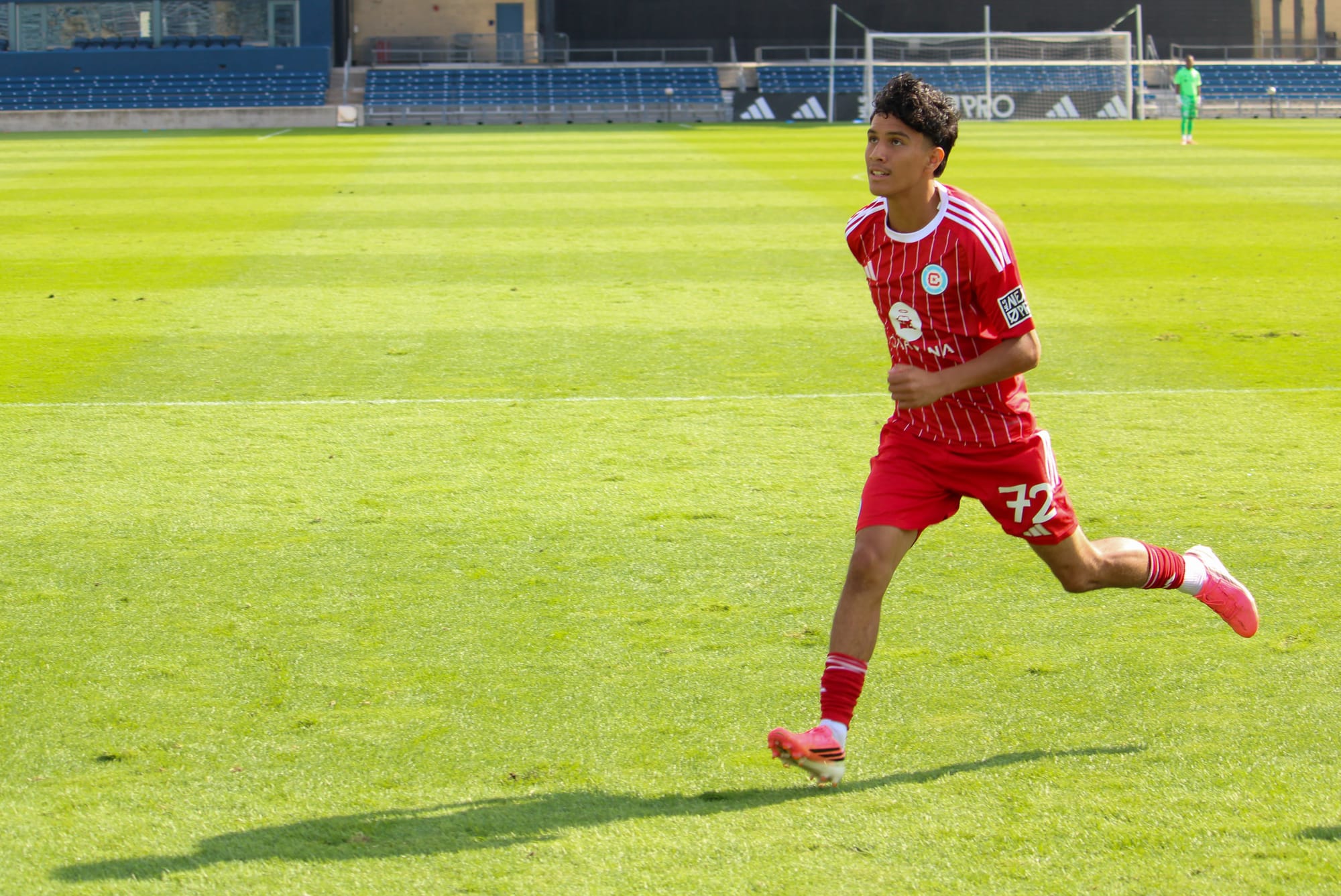
The last player has a degree of uncertainty around him – Vitaliy Hlyut was one of the highest rated prospects in the organization when he signed his Next Pro deal in 2025, but has not produced impressive numbers at the club level. His initial two year deal has expired, and it is not yet clear if his 2027 option will be realized or not. Encouragement comes from Hlyut’s consistently strong performances at the international level; the Ukrainian winger was in the team of the tournament while representing his country at the Under-19 Euros this summer, and has shown his quality in flashes over the last few years.
Sprint season
With the season already over in mid-September, it means there’s an incredibly long offseason for all the players on the second team roster. Several of them will train with the first team now, and this week, many essentially got “try-outs” in front of Gregg Berhalter and the rest of the first team staff. Others will work with the academy teams.
Like MLS, MLS Next Pro is set to switch its calendar next season to align with the fall-spring format that most leagues around the world use. This means that, like MLS, the reserves will play a “sprint season” between February and April of 2027, followed by playoffs. At the Next Pro level, this will feel especially unusual because the regular season will only be 14 games.
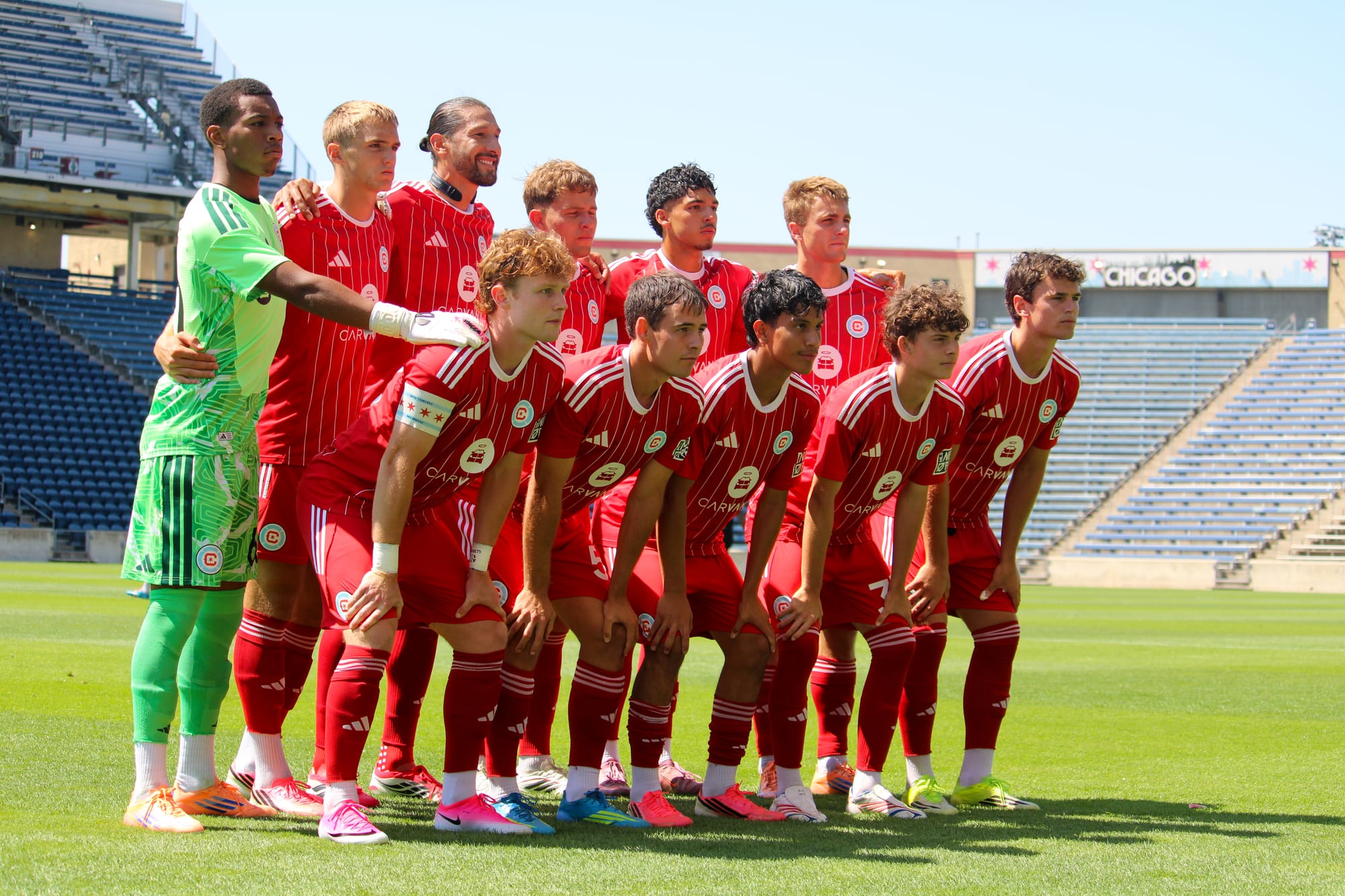
What version of Fire II sees the field for the sprint season remains to be seen, but unless there is a broad change in strategy, it will likely not be too dissimilar from the one that ended this season. The expectation is that there will be less of the cheap, low-risk, high-reward signings from overseas (i.e. Jean Alpha Diouf, Juan Miguel Calle, Jhoiner Montiel, David Tchétchao, etc.) and more focus on existing academy players. There is also the possibility of former academy players returning from college to rejoin the second team, as Trip Fleming did last year. But ultimately, what that looks like is still to be determined.