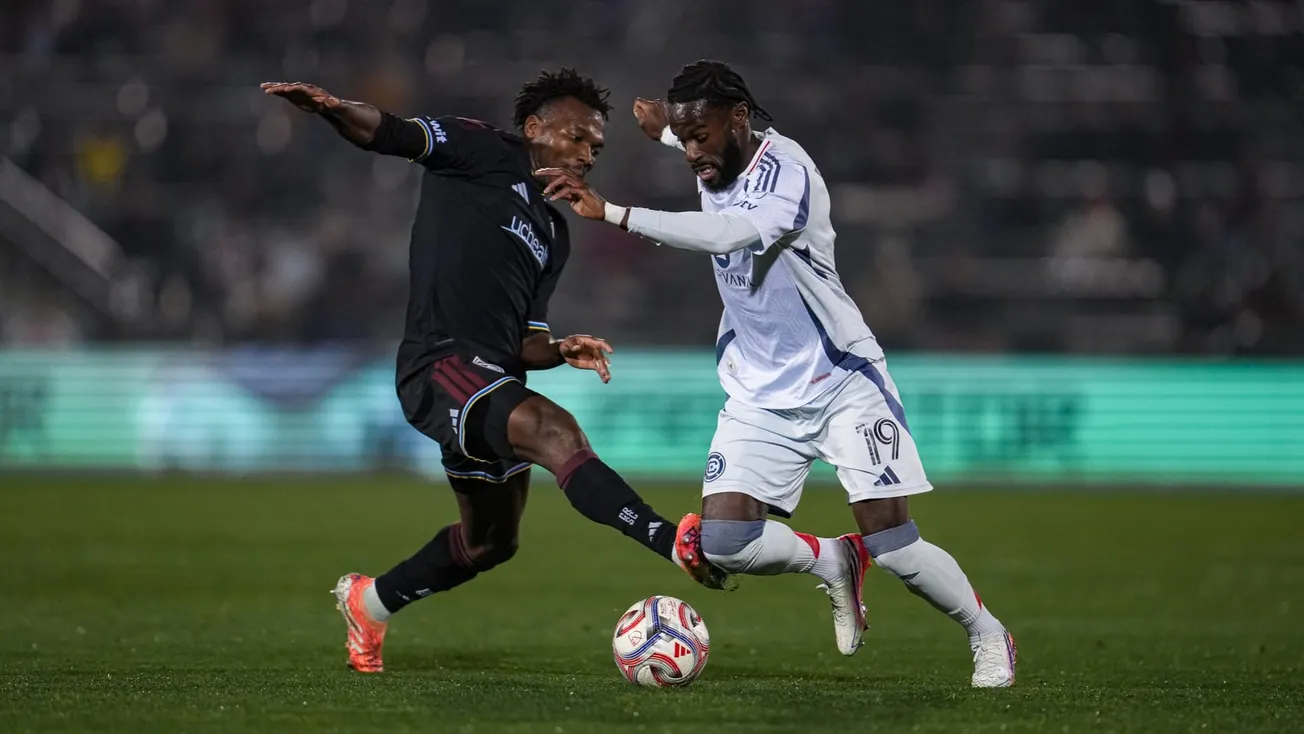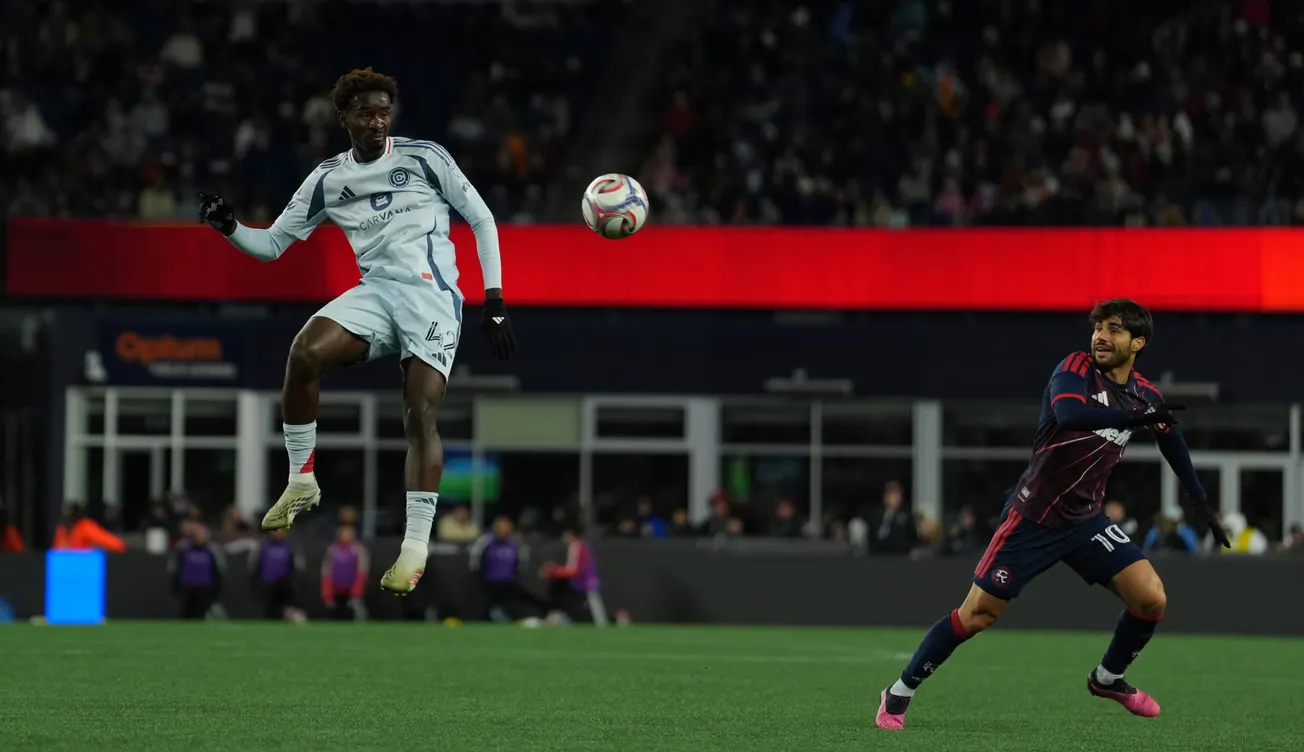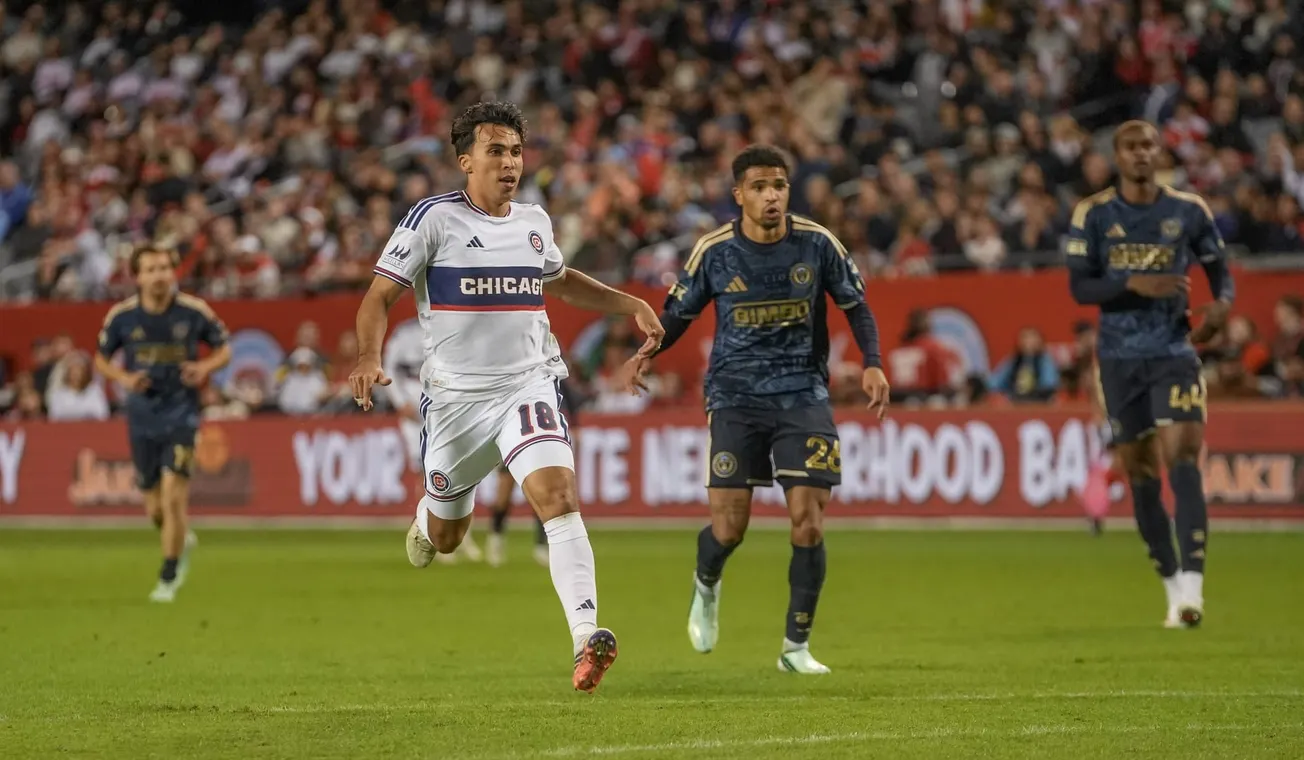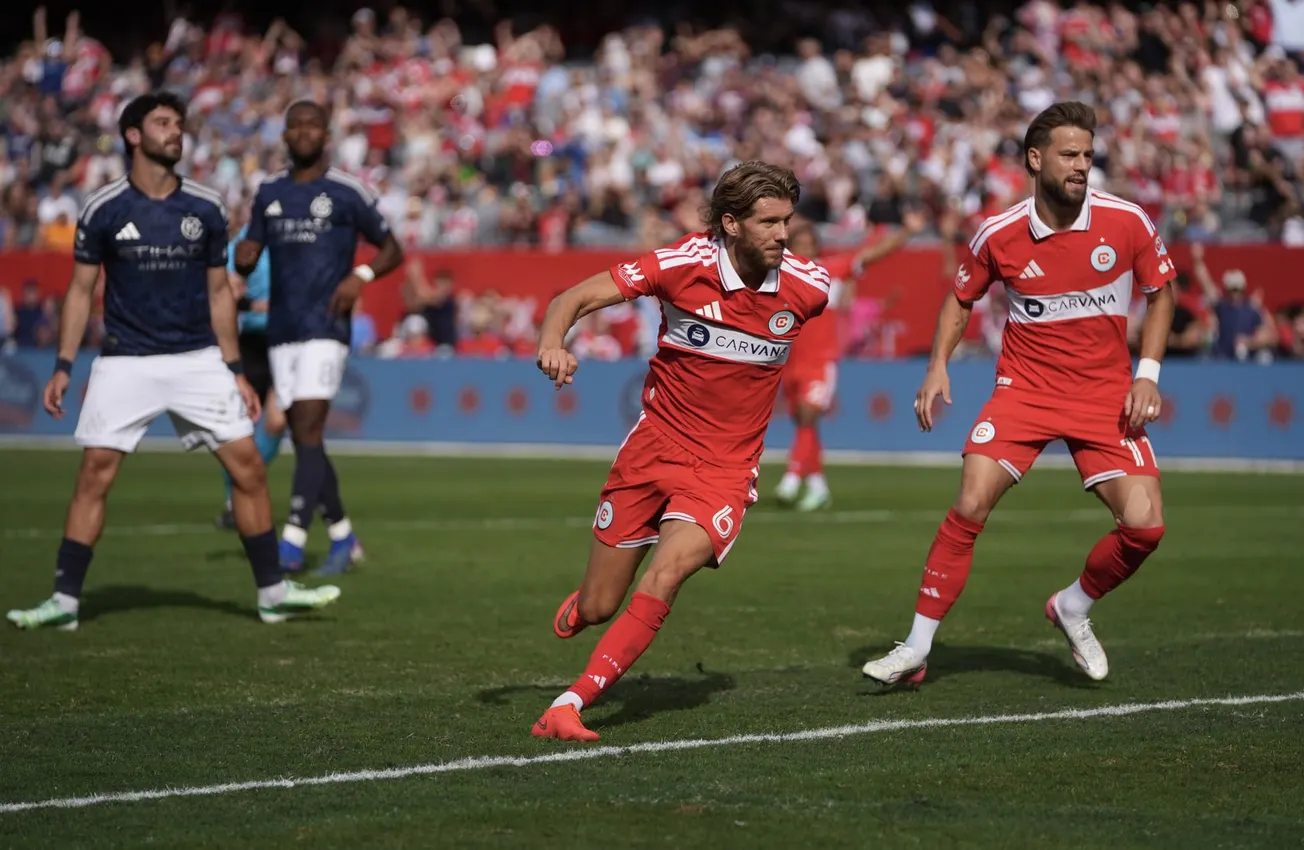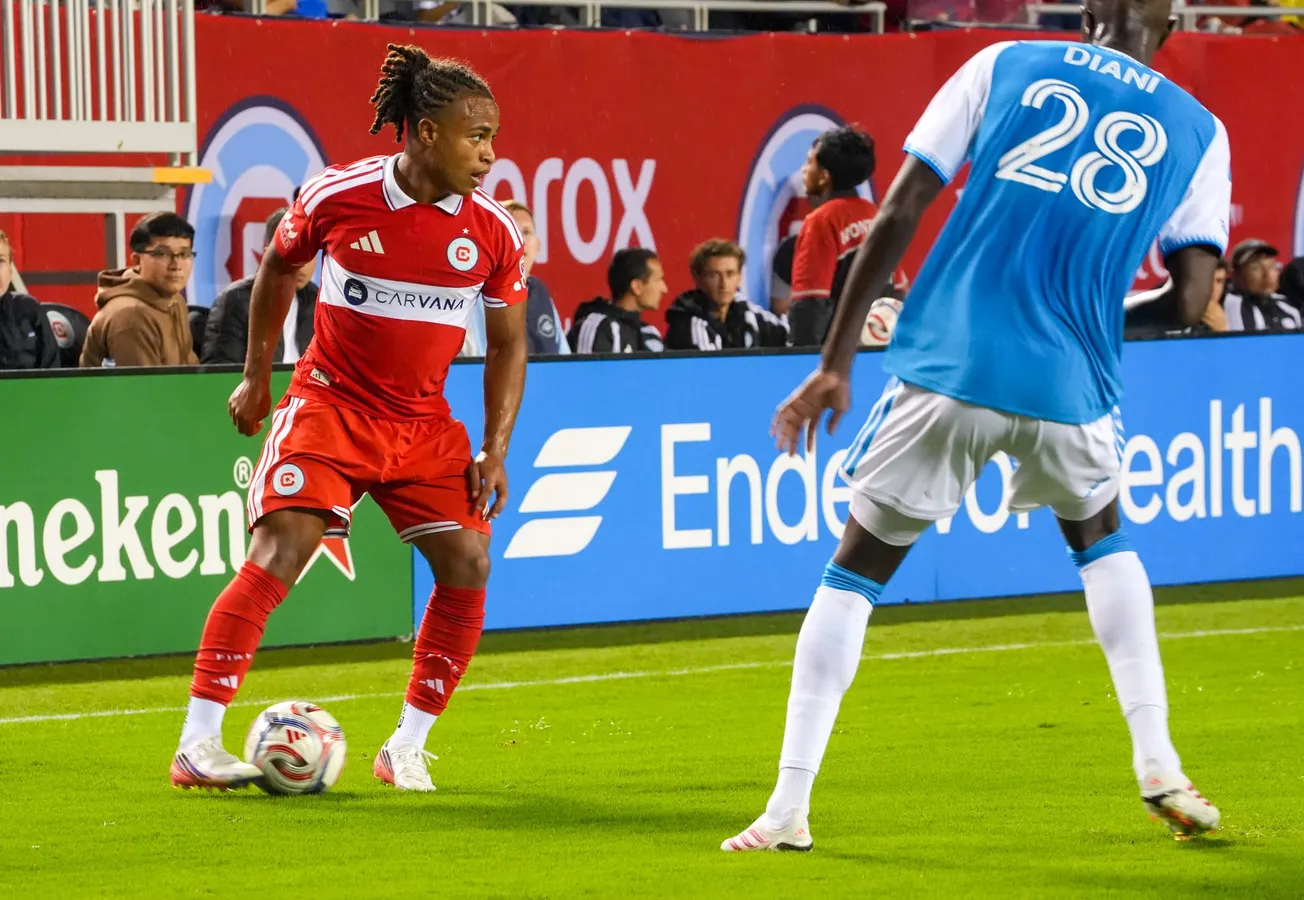


And that’s it: All 34 regular-season games for the Fire in the books, with the Crew’s Brais Méndez getting the last word in with his stoppage-time winner at SeatGeek.
Going into this game, we’d seen the Fire play 3,510 minutes of competitive soccer this year across all competitions. You might think that after all that soccer, there might not be a lot to learn from the final 90 minutes before the playoffs, but there’s still a lot of lessons to take from this one.
What did we learn against Columbus yesterday? Well, let’s just kick it off with this one:
We Know Nothing
Going into the playoffs last year, we knew the narrative on the Fire was more or less written, save for the ending: The offense was electric (only Miami had more goals), but the defense couldn’t stop oncoming attacks (no team in the postseason had allowed more goals). The Starting XI wasn’t quite chiseled in stone, but it was pretty stable. You didn’t know if it was going to work or not, but you knew, for the most part, how the Fire were going to play.
This year, going into the playoffs, nothing seems that stable: There are questions at virtually every position group, and we’ve seen rotations at center back and fullback, in the midfield, and in the attack that not only change who’s in and who’s out, but also the approach and style of play.
Flexibility is good, but not having a clear identity - a “this is how we win” thesis that is clear enough that it permeates everywhere from the locker room to the broadcast booth to fans in the stands, isn’t great when going into the postseason.
The Fire are, on the whole, a very talented team, and talented teams can get results. I’m just not sure that we’ve seen much in recent weeks to suggest that the whole is coalescing into anything greater than the sum of its parts.
Can that happen on the training grounds in the next two weeks? Maybe. Can the Fire find ways to win without that? Yes. But I wouldn’t feel great about the chances of any kind of lengthy stay in the postseason without seeing that in a way we haven’t.
That’s the biggest singular takeaway in this one. The biggest concern behind that, though?
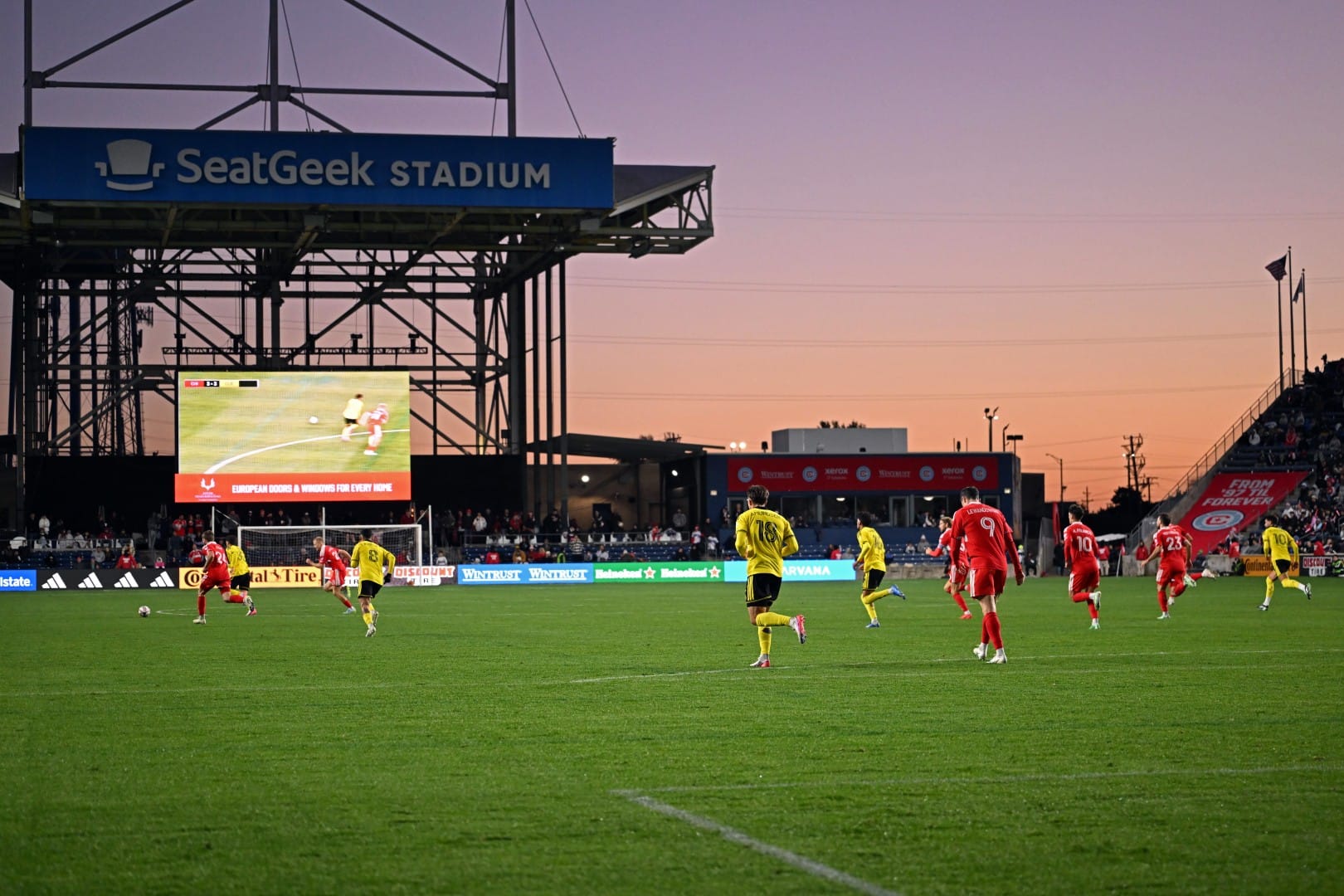
Fire didn’t have a “normal level of defending”
That’s not my analysis – that’s the gaffer’s. Speaking after the game, Gregg Berhalter said “I think it was just poor defending on all the goals, and we need to look at that. If you get to a normal level of defending, you won’t concede those goals.”
That’s a pretty blunt assessment from Berhalter, but it’s also hard to dispute. What’s frustrating is that none of it is really stuff we haven’t seen before, in some way, shape or form. The Fire had the lead three times and still went on to lose. The last time that happened to the Fire was back in 2015, when the Fire faced the Montréal Impact and fell 4-3 thanks to Didier Drogba’s hat trick in his first MLS start at Stade Saputo. (The Fire also had and lost leads three separate times in a game against the Crew in 2004 that ended in a 3-3 draw.)
There’s a lot of contributing factors here: Andreas Hanche-Olsen got the start alongside Mbekezli Mbokazi, and the two have had very little time to establish chemistry and an understanding with each other. Their spacing looked off all night, and that gave the Crew gaps they could exploit far more than was necessary. Noah Allen got the nod at left back, and has, plainly, struggled in that role since coming over from Miami.
On the first goal, although you can’t exactly fault Mbokazi (the midfield didn’t do nearly enough to things difficult for the Crew’s Santi Rodríguez, and he had his pick of sending the ball to either Taha Habroune or Gonzalo Tapia, both of whom were in position to have a clear look on goal), there’s no chance that Tapia has the time to get a shot away if he had been faced down by pre-injury Mbokazi.
The second Fire goal is an individual and collective failure. Bamba just stops as Anass Zaroury enters the box, no one steps up, and so the late arriving player into the box has time and space. It isn’t just Bamba’s fault, though: in the lead up to the goal, pretty much all of the Men In Red are ball-watching instead of taking stock of the oncoming attack.
On the third Crew goal, the Fire at least realize what’s happening as Tapia starts his run, but no one has the athleticism to stop him. Mbokazi, before his injury, used to, making the young Fire center back a rare example of a “must-watch” defender. Post injury, we just haven’t seen that from him, and it cost the Fire. I don’t know if the game plan was to play a high line to try to catch Columbus out – the Fire’s average height of defensive actions was 45.85 meters, per Opta, about 4.6 meters higher than the season average. If you’re going to play that high of a line, you need ways of dealing with balls over the top.
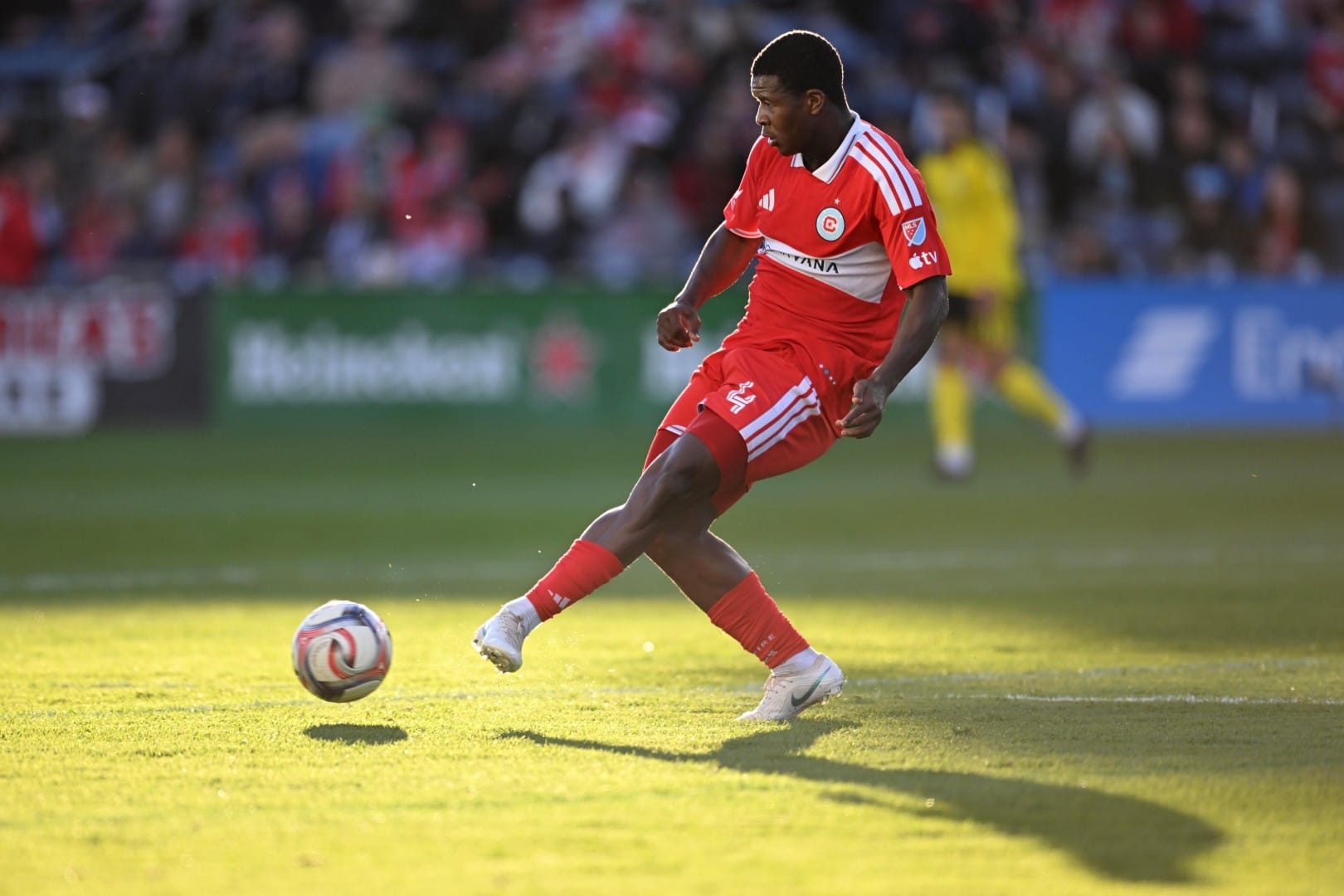
The fourth goal? “You can’t write something like that,” Berhalter said after the game. “Wiide open header, two guys going for the same ball, falls to the guy wide open in the penalty box.”
No, you can’t write something like that. But you can have one guy go for the ball and the other not leave a guy open in the box. And you don’t need to head it if you’re not going to get it someplace safer than letting it drop.
Here’s Anton Salétros, summing it up nicely: “It's been a little bit of a trend the last few games that we concede quite early in the game, and quite a lot of goals, and it's difficult to three or four goals every game to win the game, so that's something we really need to work on this score next week and a half to really set that up for the playoffs.”
We don’t know who the XI will be game 1 against Charlotte
Berhalter made two changes at half in this one, bringing on Anzor Mekvabishvili for Djé D’Avilla and Andrew Gutman for Noah Allen. In the 68th minute, Mbokazi gave way to Jack Elliott, a pretty rare example of a non-injury center back swap. We also got to see André Franco come on in the same window. On paper, he played about twice as many minutes as he did against the Rapids. In practice, once stoppage time is factored in, he went from just under 20 minutes last week to just under 30 minutes this week.
After the game, Berhalter said that Allen and Mbokazi were taken off because both were on a yellow and he didn’t want to risk their availability for the first game against Charlotte. Then he said something a lot more telling.
“Also, when we're talking about getting a starting eleven, giving guys opportunities to prove they deserve to be in the starting eleven. A number of cases. We got [Dje] D’Avilla, Anzor [Mekvabishvili], Andrew [Gutman] and Noah [Allen]. For us, it was good to be able to see how they work through the competition.” For a coach that’s normally pretty close-lipped about player selection unless it’s due to availability concerns, that says an awful lot.
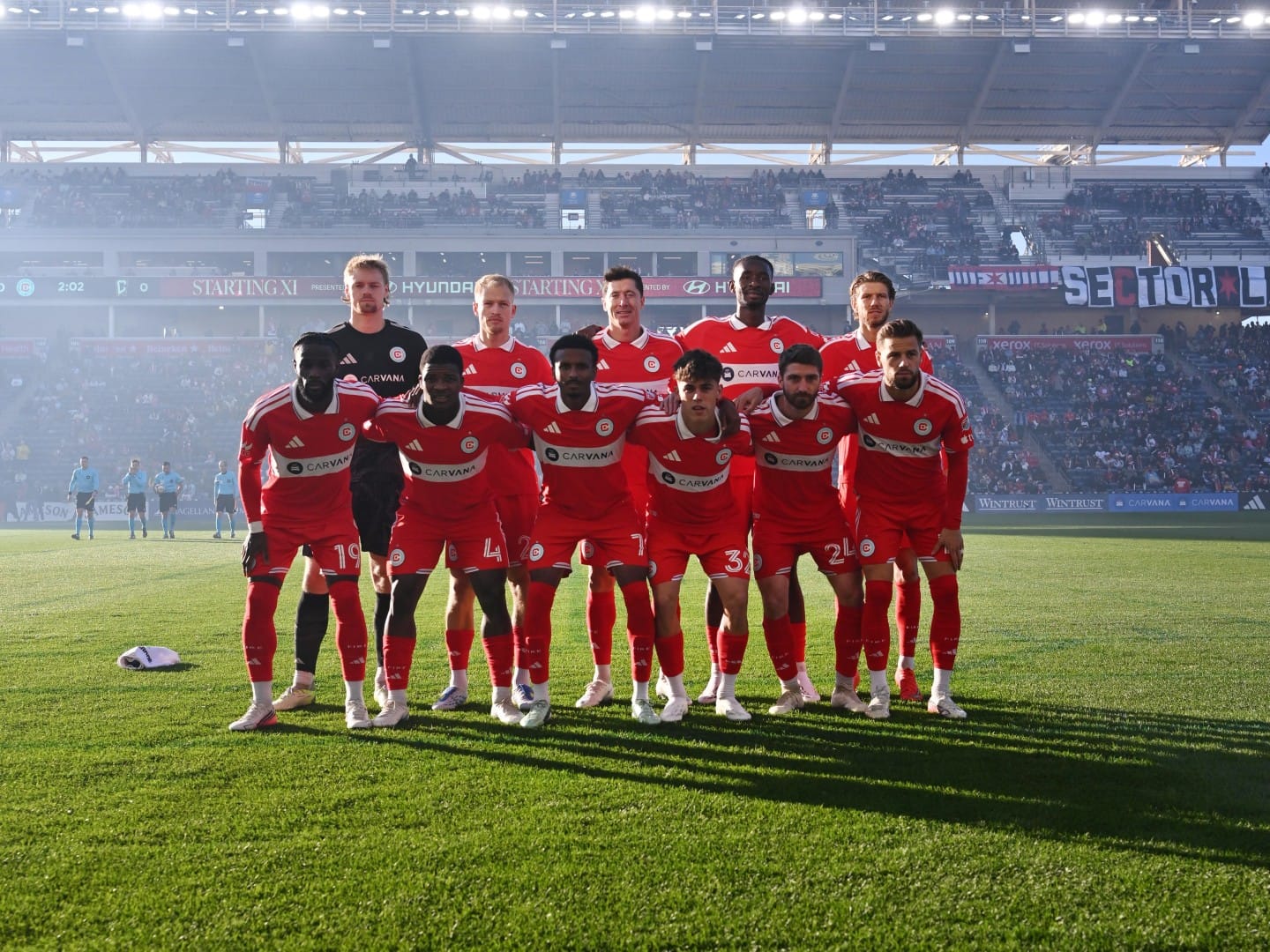
At a high level, the changes didn’t do much to help the Fire: The team was ahead when Allen and D’Avilla subbed off, tied when Elliott and Franco subbed on, and went on to lose. The changes did change how the team played, however, and not always for the better.
Mekvabishvili seemed to struggle with spacing, and he and Salétros didn’t always seem to be on the same page. After the game, Salétros said plainly that he was still “getting to learn Anzor and his playing style.” The two have connected successfully in the Georgian midfielder’s limited time on the pitch for the Fire, and D’Avilla’s consistency issues (if you can’t trust your starting no. 6 on a yellow, you probably can’t trust him to be your starting no. 6) opened the possibility that Mekvabishvili might have a path to starts in the playoffs, but Saturday showed that it won’t be a seamless entry.
And Franco, overall, had a good outing: He had three looks on net, and if each of his shots hadn’t been blocked, it’s easy to see how he could have created a fourth goal for the Fire, either by getting a goal or by creating a rebound that someone else could finish. His passing was excellent, so even if he didn’t land on the boxscore, his return is a very welcome positive, and may possibly be the x-factor that could help the team to a lengthy playoff run.
When Franco arrived in 2025, his 400 minutes changed how the team played (reminder, in his last start pre-injury, he helped the Fire overcome three separate leads by Inter Miami en route to a 5-3 win that guaranteed the team a playoff spot, a nice inverse to blowing three leads in this one).
Franco all but certainly won’t be fit to start this year unless the Fire make it very, very far into the playoffs.
But the other names mentioned here? I wouldn’t really be surprised to see any of them start, or any of them on the bench.
Hugo won’t be the team’s Golden Boot winner
When Hugo Cuypers left the team after Robert Lewandowski’s arrival, he was the team’s (and league’s) Golden Boot leader with 13 goals. Going into Decision Day, it looks like he might hold the crown, at least, through the end of the regular season.
When Maren Haile-Selassie put the Fire up 3-2 in first half stoppage time, however, he took control of the Golden Boot title, with his 10 assists giving him the first tiebreaker. (Don’t tell me that the first tiebreaker for goalscoring shouldn’t be assists, I’m with you there, but that is the way the rule works. If it was up to me, non-penalty goals would be the first tiebreaker, but I don’t get to decide these things.)
It’s a huge turnaround for the Swiss attacker, who was 10 goals behind Cuypers when the Belgian striker left. Half of the MLS goals he’s scored for the Fire since coming over in 2023 came this season, and his 10 assists are also the most he’s had in MLS.
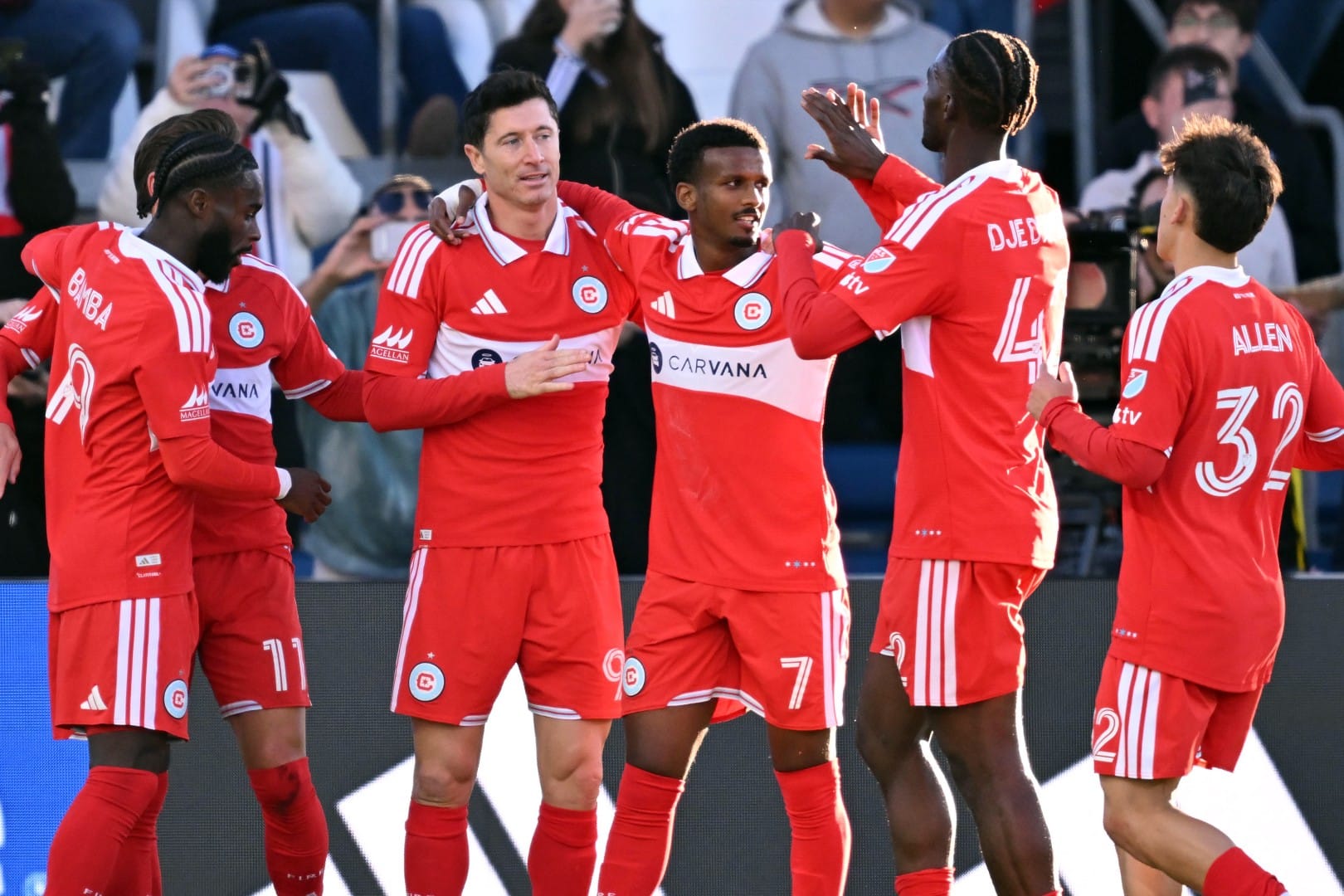
More than just offensive output, he’s also played some of the best soccer we’ve seen from him, which is even more of a statement considering how good he was even before this year.
Robert Lewandowski might be in the hunt for the team’s Golden Boot as well, if you include playoff games: His nine goals put him five back, and it’s possible – though unlikely – Lewy could bag that many, potentially even if the Fire don’t ultimately advance past the first round.
Other thoughts
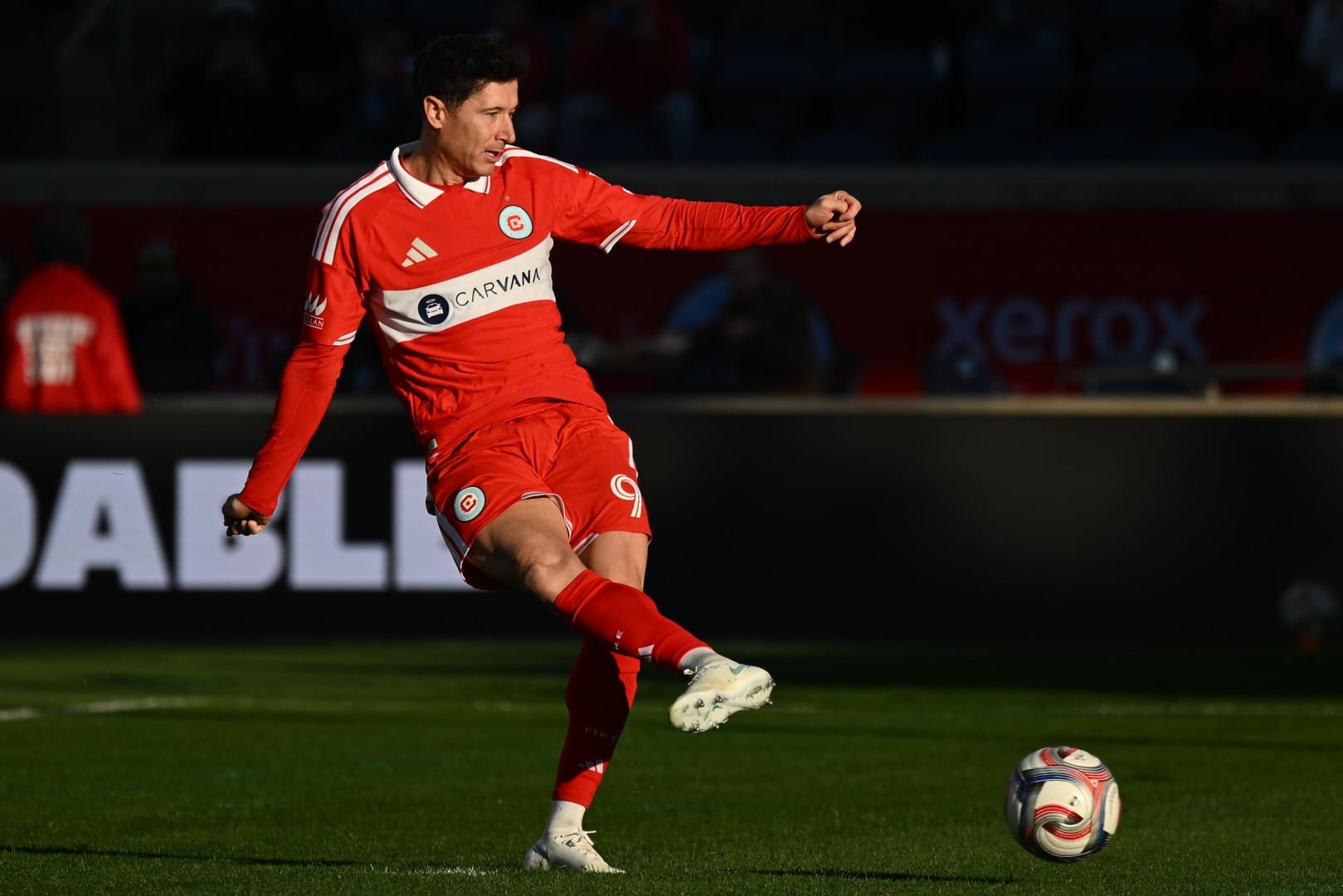
- Lewandowski had one of his better recent games for the Fire. He looked active in hunting for goals, and even if both of his tallies came from the spot, he was inches away from a third with a header that went off the post as the first half headed towards stoppage time. You could also take that as an example of continued bad luck. If you’re looking for a positive: Lewandowski bagged a brace against Charlotte in his first home game in Chicago.
- While on the hunt for other positives, Laurent Courtois said that “It was a really good team that we faced tonight – maybe the most competitive one I faced so far.” Polite? Sure. Maybe a way of talking up his team’s accomplishments getting the win? Of course. But since being given the reins midseason, Courtois’s Crew notched wins against Miami, Dallas and Charlotte, taken St. Louis to penalty kicks in the U.S. Open Cup final, and faced Tigres and Club América in Leagues Cup matches. The view from the outside that I’m continuing to hear from multiple places is that the Fire are a tough team that no one is looking forward to playing.
- If we’re playing the blame game for the loss, Chris Brady wouldn’t be near the top of the list but his play has been inconsistent in the second half of the year: He made some difficult saves for the Fire yesterday, but also allowed goals on relatively simple plays.
- Jonathan Dean tied his MLS high-water mark of 29 appearances, set last year. He’d already broken his personal bests in starts (with 23) and minutes (with 2,016, just under two-thirds of the available minutes in the regular season).