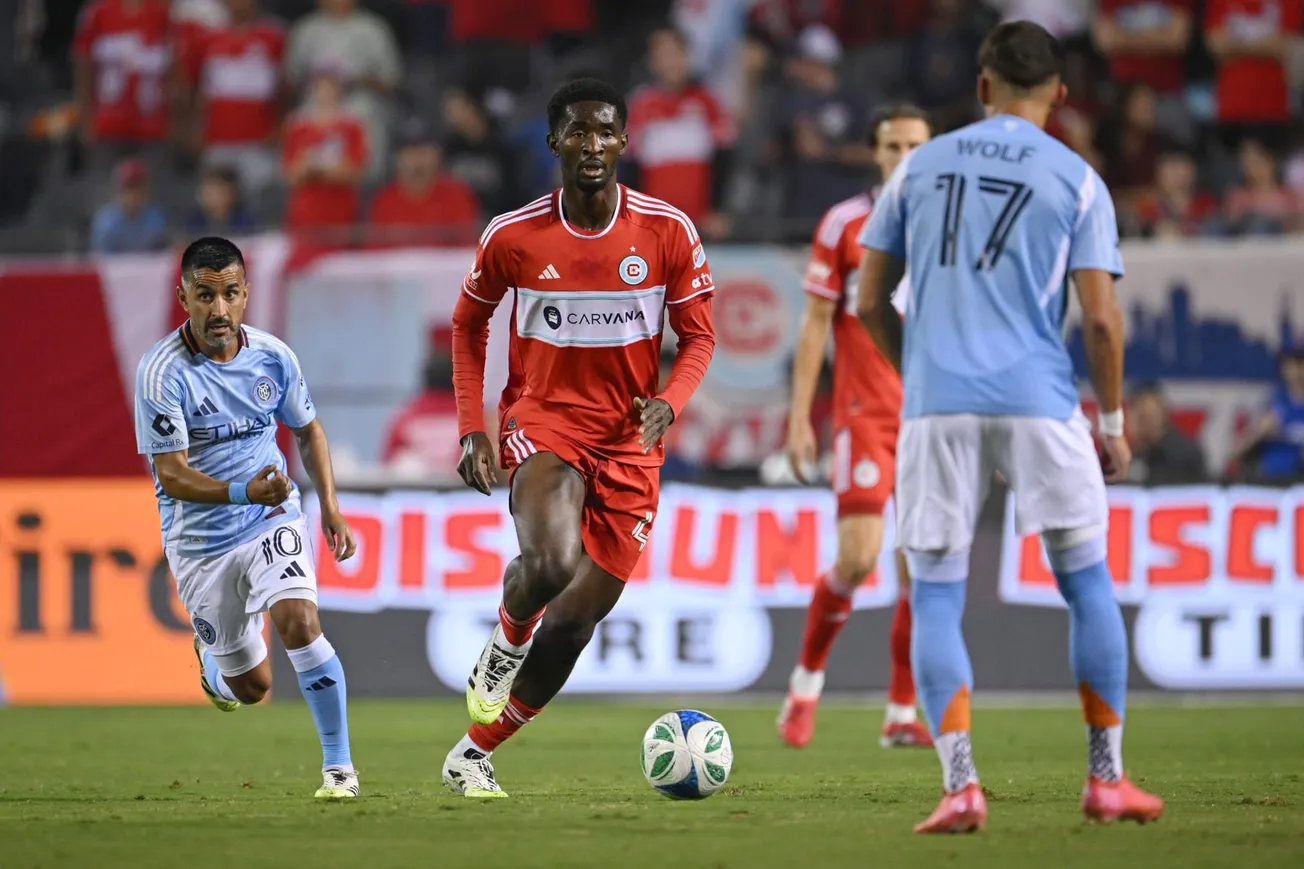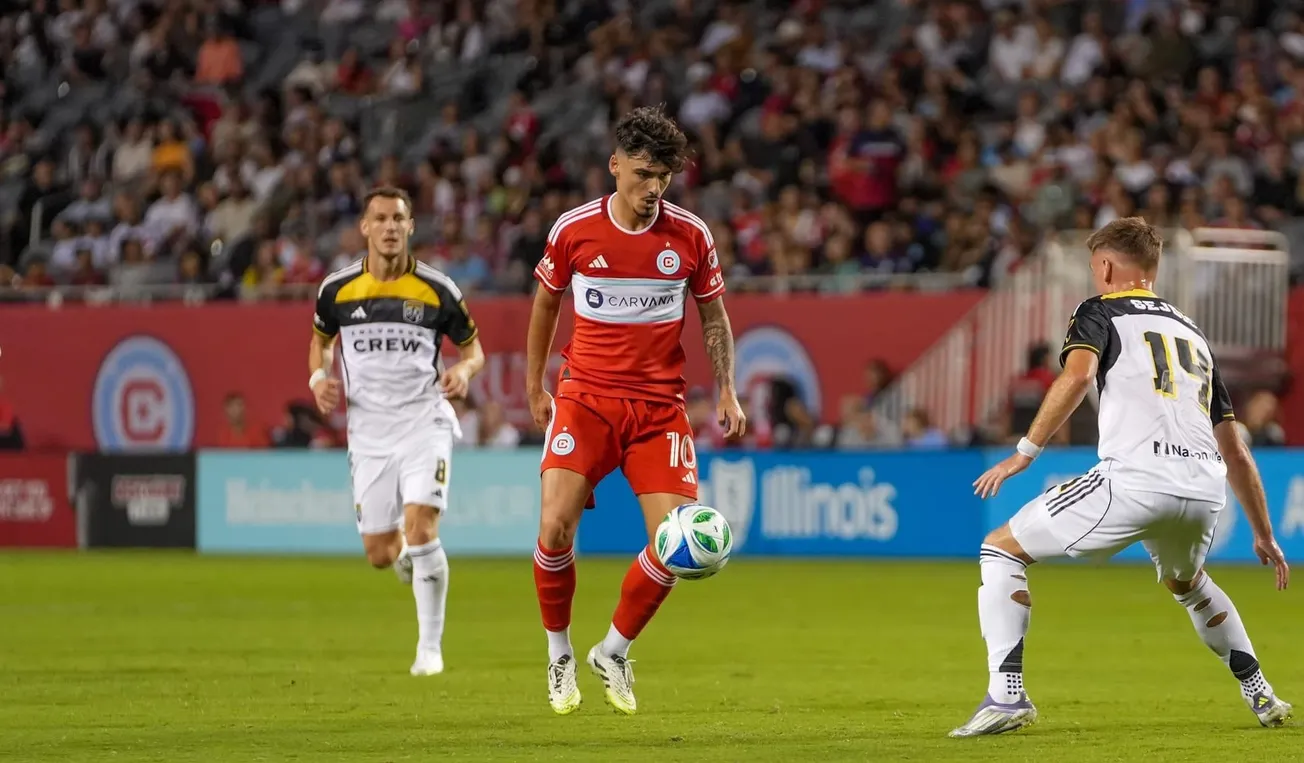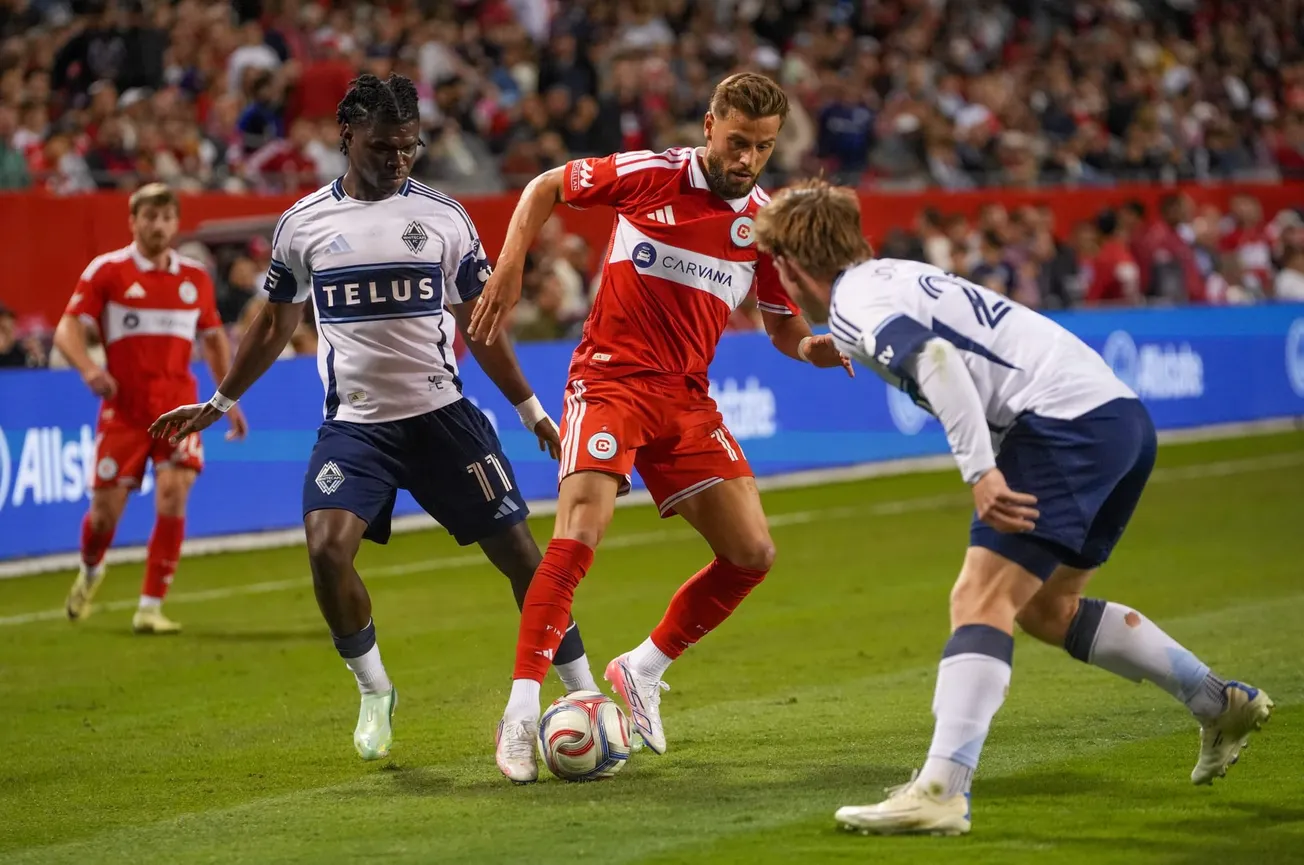

The Chicago Fire celebrated its 29th birthday this week. That isn’t very old from a global football perspective, but for Chicago, it’s the longest a pro soccer team has ever survived in the city. That’s a testament to the way the club, along with MLS, was built to be something that would last.
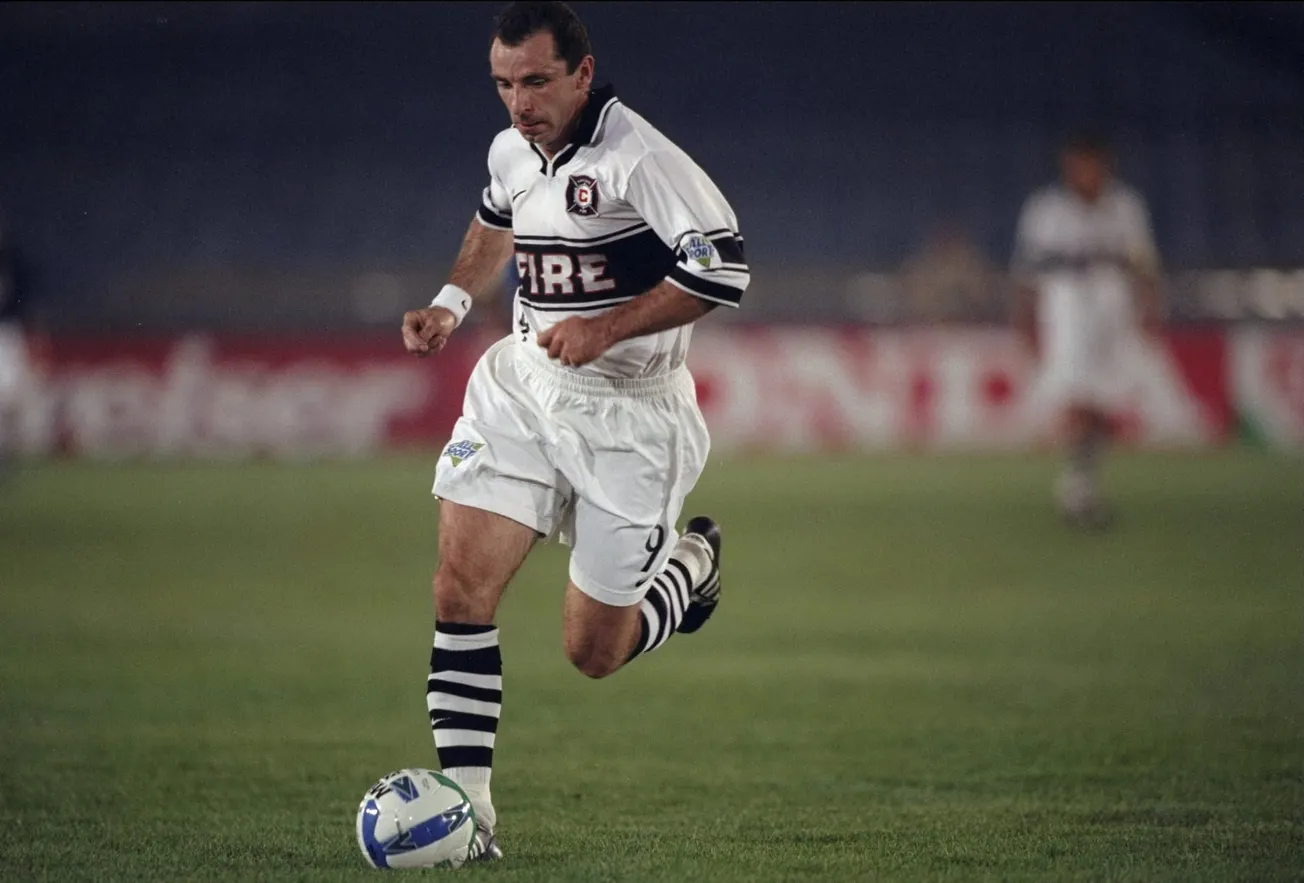
Early success, including a famous double in 1998, set the Fire on that path. And it could be argued that nobody was closer to the heart of that success than Jerzy Podbrożny.
Podbrożny, a journeyman Polish striker who played almost his whole career in his home country, spent two seasons in Chicago between 1998 and 1999. Crucially, he found the net in both the MLS Cup and U.S. Open Cup finals in ’98, writing his name into Fire folklore as one of the club’s most important big-game players.
Almost three decades on, the Fire are back competing among the league’s elite, despite having just spent 16 years largely in the wilderness. Podbrożny’s Thursday visit to the club’s new $100 million downtown performance center gave him a chance to reflect on how far both MLS and the Fire had come since his playing days.
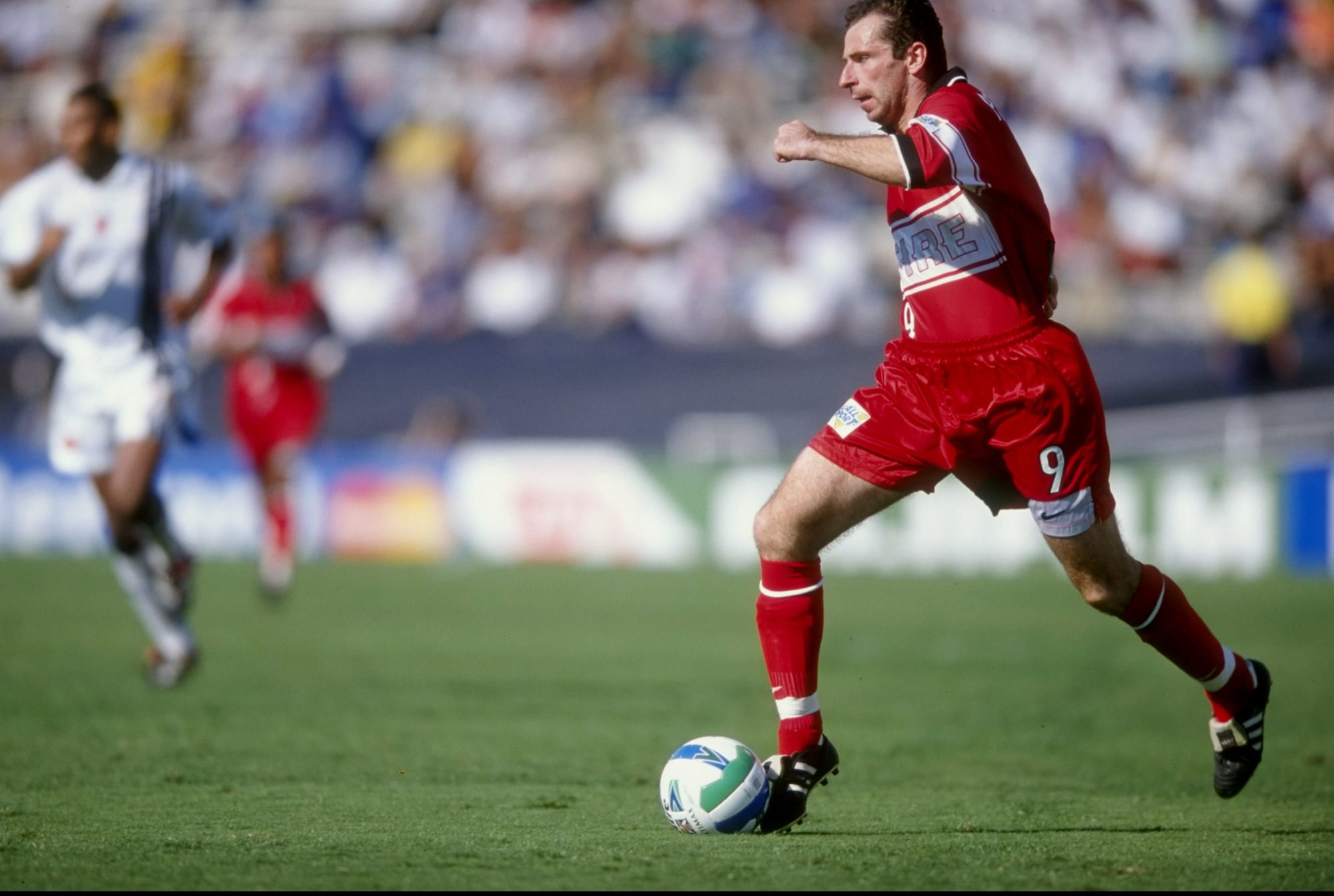
“It’s a wonderful experience,” Podbrożny said, speaking with MIR97 Media. “Back then, it looked completely different. We had a small training facility with one grass field, and it wasn’t even of particularly good quality. Seeing something like this now makes a huge impression.”
“Now all that’s missing is repeating the success from those early years. But they’re on a better path now. There’s a chance of making the playoffs, and the playoffs are a lottery. Anything can happen.”
One of the things that made the early Fire teams successful was the connection they built with fans in the city from day one. That was aided further by the presence of several Polish players in the team’s core, which, besides Podbrożny, included Piotr Nowak and Roman Kosecki. All three were key players on a team that took MLS by storm.
Off the field, that trio energized the local Polish community and gave a huge boost to a new team trying to build a fanbase from scratch. Several decades later, the Fire have returned to the Polish market, signing Robert Lewandowski, now considered one of the greatest center forwards ever to play the sport and the captain of Poland’s national team.
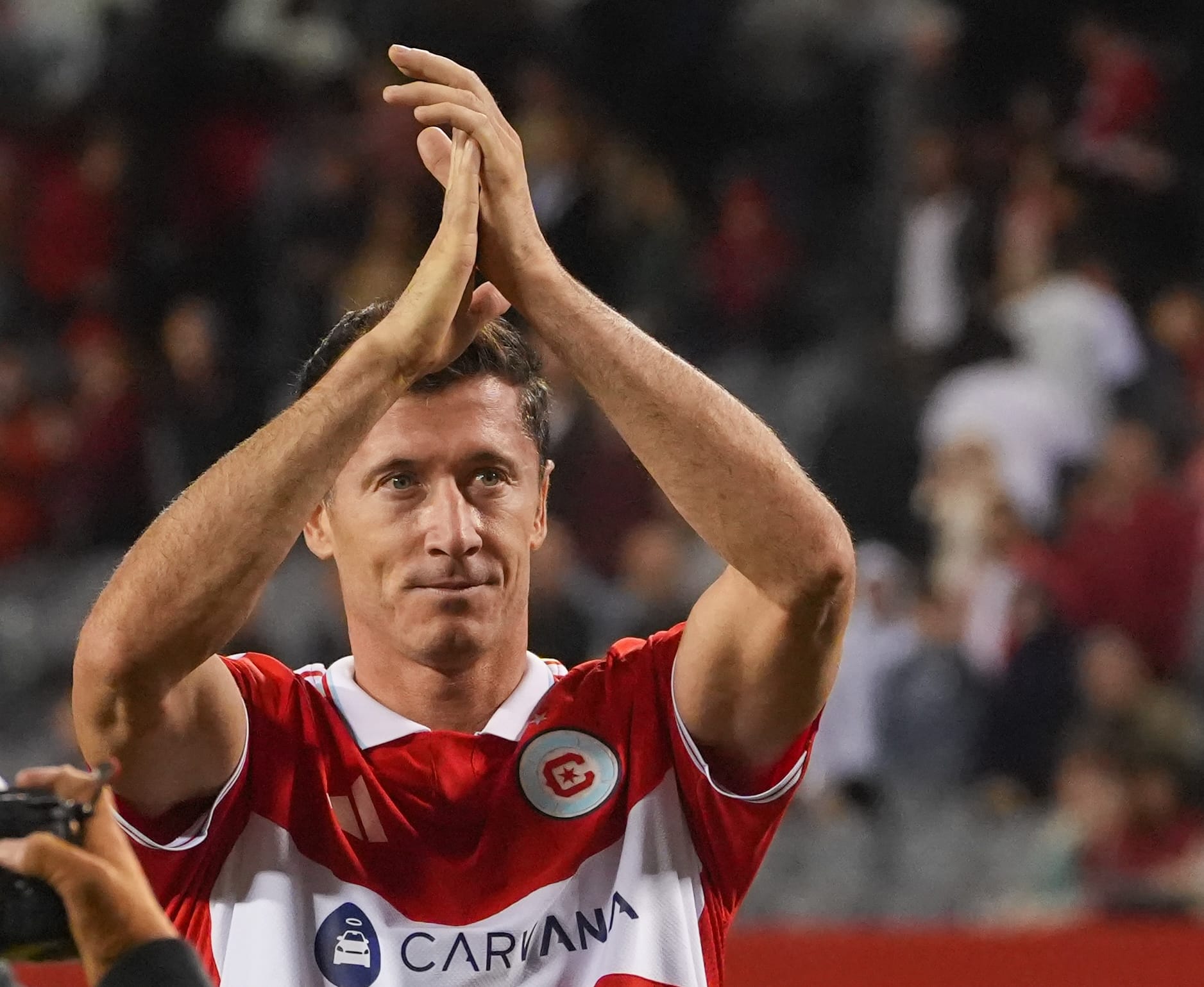
“Back when we played, Mexican fans came for Campos, and Polish fans came for us,” Podbrożny said. “Chicago is the second Polish city after Warszawa. It needs players like that to draw those supporters into the stands. As you can see, the magic is working. I think more and more Polish people are starting to come to the games.”
The club’s first hometown star from that era, Frank Klopas, stopped by mid-interview to offer his own solution up front for the Fire.
“Number nine. We take Lewandowski out. We put Jerry in. That’s it.”
Klopas has been the club’s most enduring figure and famously scored the golden goal in the 1998 Open Cup final after Podbrożny opened the scoring. He remains the main link between that generation and today’s Fire, but other stars of that era haven’t been forgotten; Podbrożny’s senior career spanned more than two decades, and although he spent just two years in MLS, he has returned to Chicago several times since retiring.
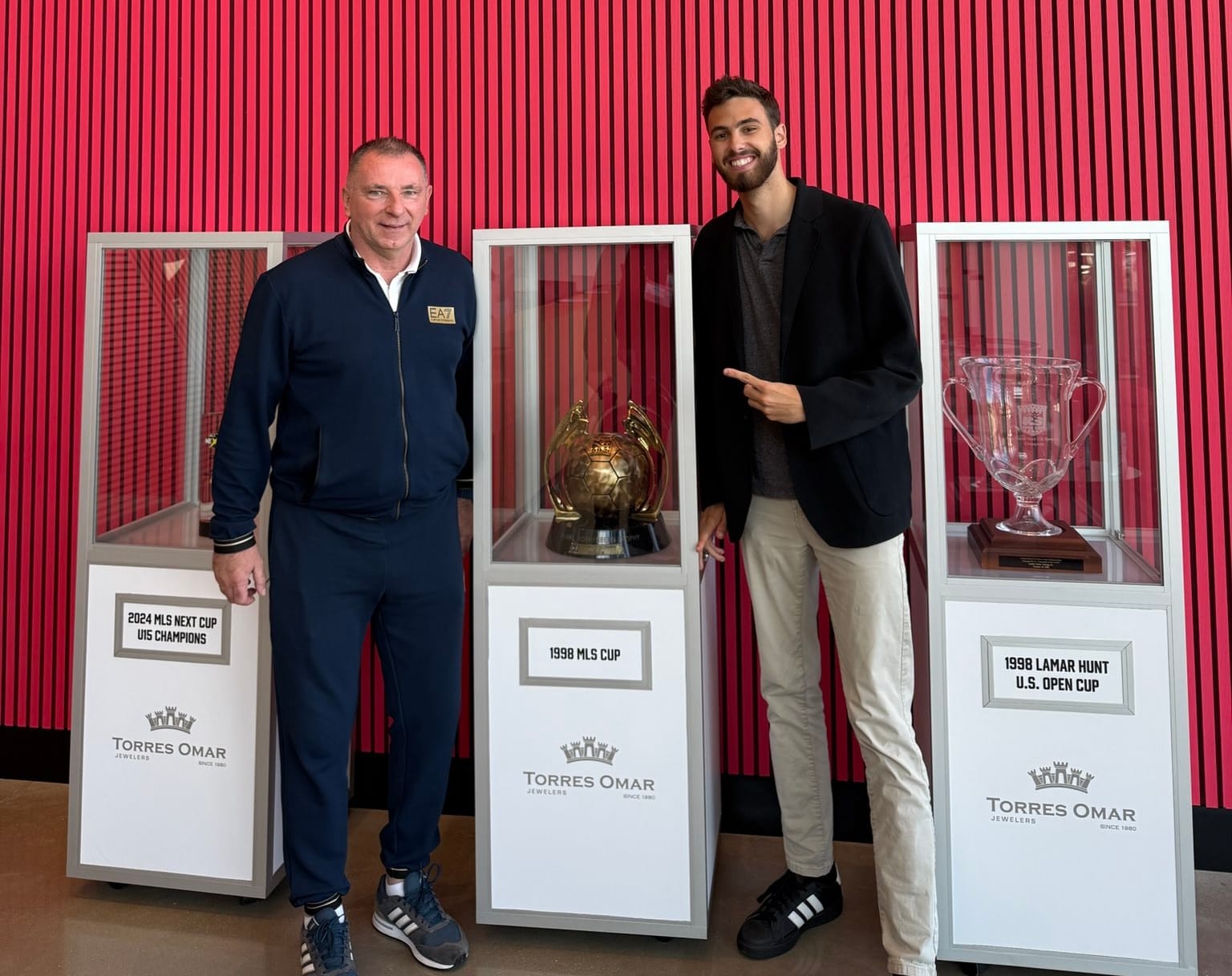
Compared with many of his previous clubs, Podbrożny says the Fire and their fans have always welcomed him back with open arms and treated him well, sustaining the relationship built in the team's early days. On this particular return, he cited that the supporters are a key reason why.
“A big part of it is that the club and the fans remember me and invite me back,” Podbrożny said. “It’s very nice, and I’m always happy to come back.”
Note: The interview with Podbrożny was conducted with assistance from an English-Polish translator as well as artificial intelligence.