In the first week of training for 2026, the Chicago Fire front office continues to make moves. On the heels of the announcement that South African youth international Puso Dithejane would be joining the Fire, the team announced that veteran midfielder Kellyn Acosta would be parting ways with the club.
With 37 days until the Fire kick off their regular season campaign in Houston, here’s what those recent moves mean and where the roster and depth chart stands.
Roster tracker: Acosta move clears cap space, Dithejane causes U22 swap
When the Fire announced that they were signing Dithejane, it temporarily meant that the team had one more player on the roster than is allowed by MLS rules. Teams are allowed to have non-compliant rosters through preseason, but by moving Acosta on, the team has fixed that situation – but the team still has work to do to become fully compliant ahead of their season opener on February 21.
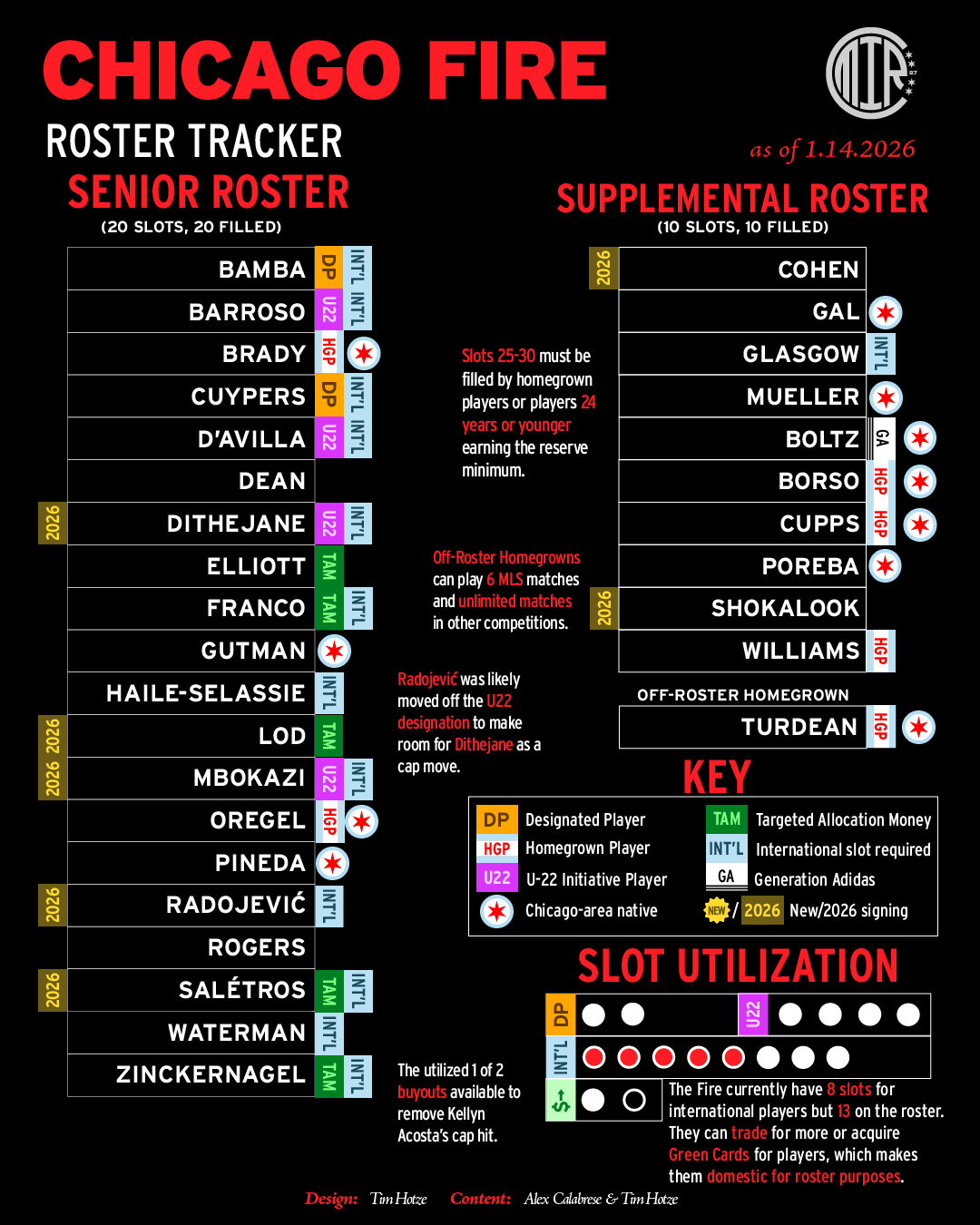
Here’s the updated MIR97 Media Roster Tracker. As was the case before, the roster situation is somewhat fluid and, in particular, senior or supplemental roster designations may change for several players – but those are purely salary cap moves that in no way affect what a player is paid or their availability for MLS or other matches.
Using Buyout Eliminates Acosta Cap Hit
When the Fire signed Kellyn Acosta early in 2024, he was one of the most sought-after free agents in the league, with several MLS teams competing for his services. MLS roster rules restricted the amount the Fire – or any MLS team other than Los Angeles FC – could offer. The deal on the table from Chicago, which paid Acosta just over $1.6 million per season, per the MLS Players Association, was one of several competing offers but it meant that Acosta’s wages were a significant cap hit for the team.
As MIR97 Media previously reported, the terms of the mutual termination between Acosta and the Fire will use one of the Fire’s two buyouts for 2026, as is the case where a team agrees to pay all or some of a player’s remaining wages, but it removes the salary cap hit from the player entirely.
In practice, the terms of mutual terminations which involve payments to a player (or buyouts) typically mean that the Fire will be on the hook for all or part of the amount remaining on the player’s contract – subject to being prorated by whatever the player makes if and when they sign a deal. Because of the buyout however, this will in no way affect the Fire’s cap situation.
Dithejane Causes U22 Slot Shuffle
When the Fire announced that they were acquiring Dithejane from TS Galaxy in South Africa, the announcement to media stated that the winger would occupy a U22 Initiative slot (U22) on the Fire’s roster. The Fire have the ability to select between having two Designated Player (DP) slots and four U22 players or three of each, and the team has until the roster compliance date (likely February 19 or 20) to make their selection official.
At present, the Fire have two DPs in Jonathan Bamba and Hugo Cuypers, but the team already had four U22 Initiative Players in Leonardo Barroso, Djé D’Avilla, Mbekezeli Mbokazi and Victor Radojević. Specifying that Dithejane will occupy a U22 slot means that one of those players – likely Victor Radojević – will have to move off of the U22 slot.
That is purely a cap management move and in no way affects what a player is paid or their availability to play in matches. The U22 Initiative allows teams to pay players a substantial salary (up to $803,125 in 2026) and an unlimited transfer fee while keeping the player’s cost on a team’s salary cap very low ($150,000 for players under 21 and $200,000 for players 21 or older).
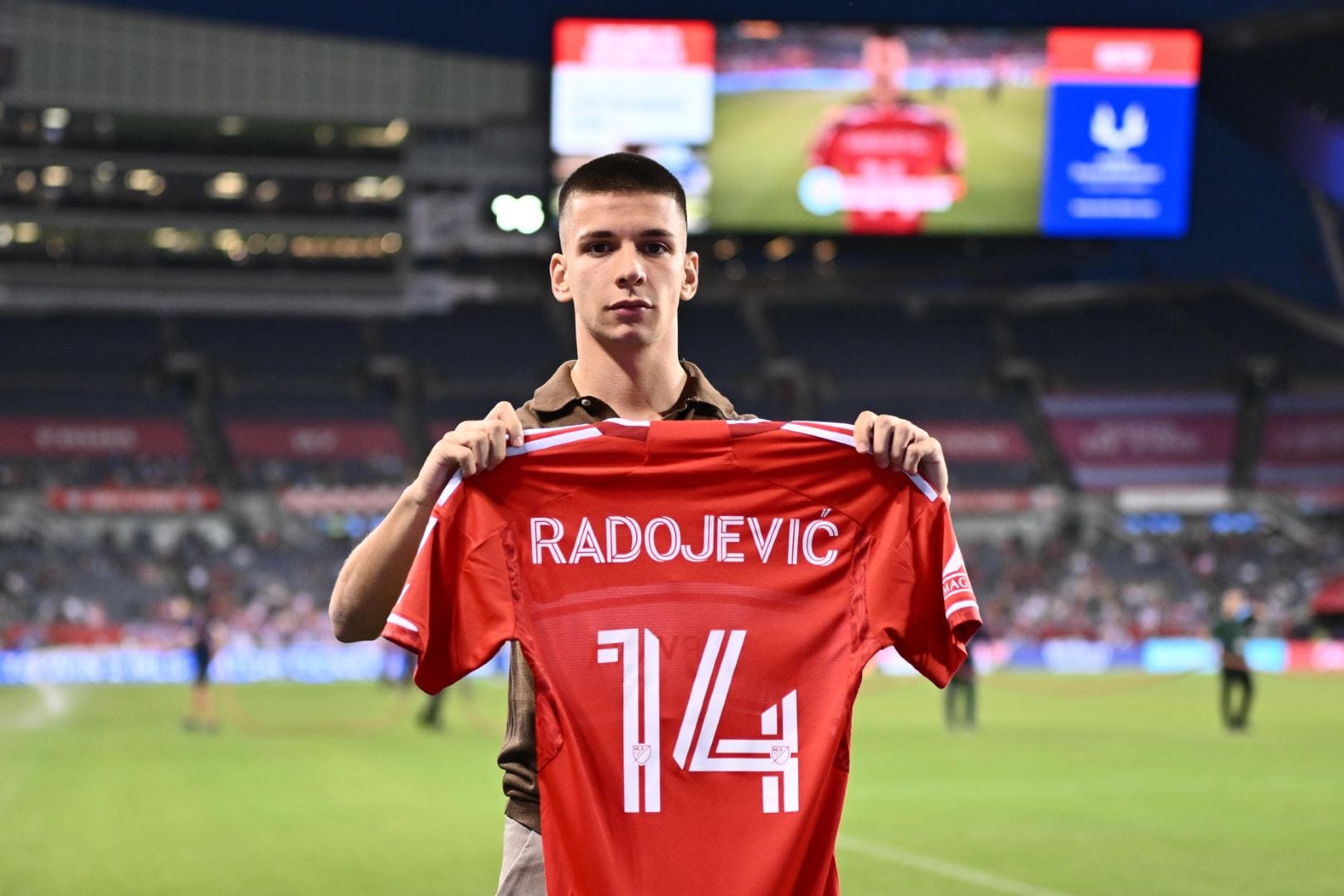
Moving Radojević – who earned $307,000 last year and came on a relatively modest transfer fee – off the U22 designation is likely the most cap-friendly move for the Fire.
Giving Radojvić a U22 tag in 2025 was still smart cap management by the Fire, however: Nearing the end of the summer window, the team had an unused U22 slot and by using it on the Serbian left back, the team effectively was able “prepay” a chunk of Radojević’s transfer fee, lowering his cap hit going forward.
International Slots An Increasing Issue
Dithjeane’s arrival adds to the Fire’s list of players who require an international slot. The Fire currently have eight slots but 13 players who require one, including both Dithejane and Mbokazi as well as Swedish midfielder Anton Salétros.
The Fire will likely use multiple tools to get compliant by the season opener against Houston on February 21. The most likely mechanisms available to the Fire are acquiring permanent residency status for players, trading with other MLS teams for additional slots or moving players off-roster via loan, trade or permanent transfer.
Regardless of which passport a player may have, permanent residents (Green Cards, refugee or other forms of permanent residency status) are considered domestic players for roster purposes. Although the length of time that it takes for a player to get a Green Card varies greatly due to the specific situation of a player, it often takes around two years after their arrival into the league. (The Fire were able to rush former player Arnaud Souquet’s process and complete it in just one year.)
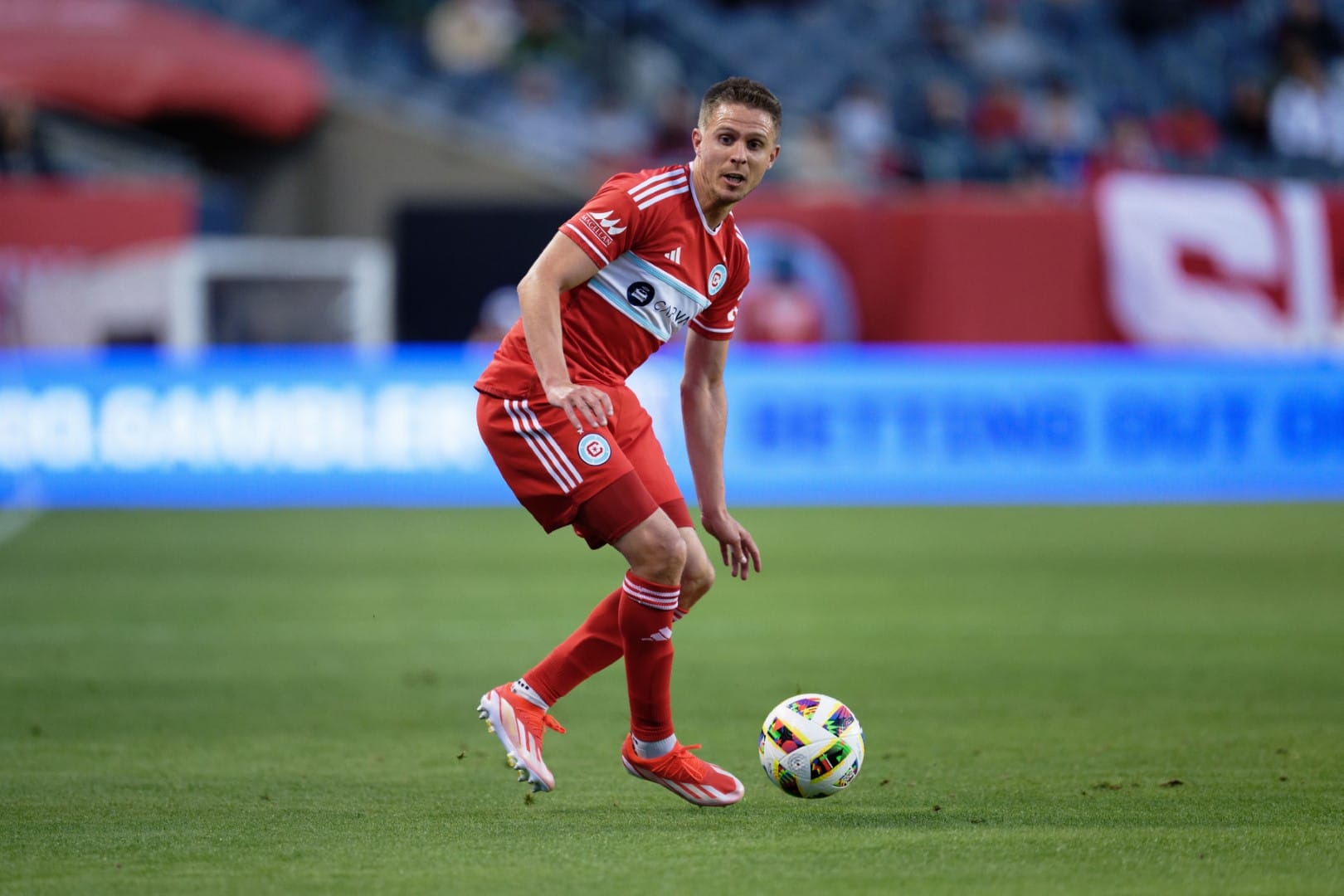
That means that a number of players, including Hugo Cuypers, may be in line for a Green Card. Although the rule has evolved over time, last year, players could be considered domestic for roster purposes once they completed the interview process, before formally receiving a Green Card.
Teams also can trade for slots with other teams for allocation money or other assets. Generally, the value of those slots goes down over the course of the year as teams finalize their roster plans, with trades early in preseason having been in the $200,000-$300,000 range of GAM in recent seasons. While the Fire will likely use this method, acquiring five slots this way would be challenging – and come with a significant cap hit.
Finally, the team can free up slots by moving players off the roster. Last summer, the Fire loaned Guyanese international Omari Glasgow to Loudon United in the lower-tier USL Championship for the remainder of the season. Although the Fire still were on the hook for Glasgow’s wages – meaning he still had a cap hit for the team – the move did free up an international slot while providing Glasgow with competitive minutes. Permanent trades or sales would also free up a slot.
In theory, the team could also free up a slot by placing midfielder André Franco, who tore his ACL last September, on the season ending injury (SEI) list. This would free up Franco’s cap hit and roster spot – including the international slot – but would render Franco unavailable to participate in games in any competition for the remainder of 2026. That is unlikely to happen as Gregg Berhalter has said that the team expects the dynamic Portuguese player to be available after the World Cup break, which ends in mid-July.
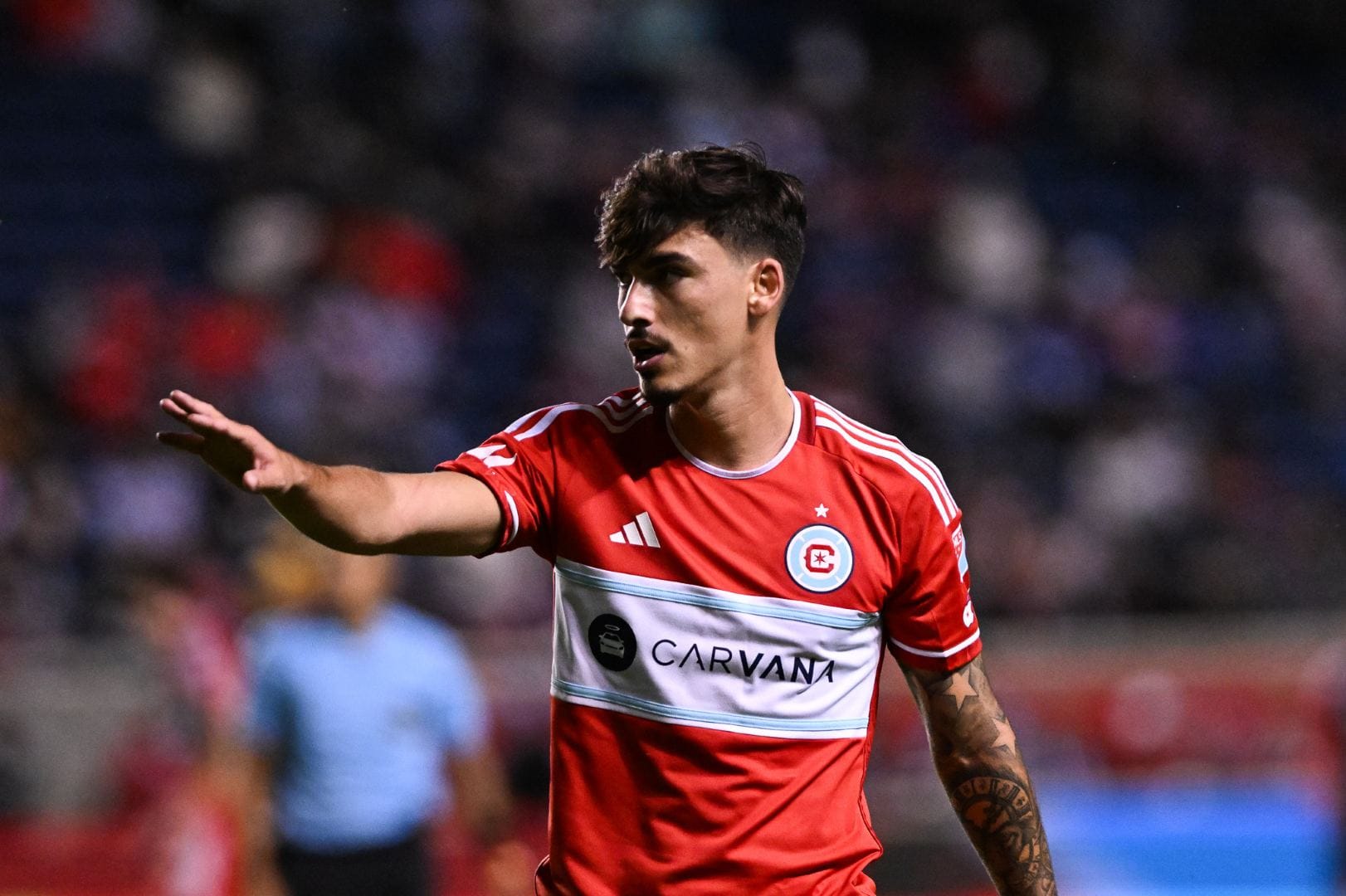
Other than the SEI tag, however, the Fire are likely to use all of these mechanisms in different amounts to become compliant by the start of the season. The current front office under Gregg Berhalter and Gregg Broughton has been meticulous in its planning, and everyone in front office roles knows how to count down from 13 to eight.
Chicago Fire Depth Chart
Since the MIR97 Media depth chart was last updated, the team traded right back Justin Reynolds and added Puso Dithejane at the right wing. The team has also parted ways with Kellyn Acosta and added veteran goalkeeper Josh Cohen to the squad.
This chart shows each player at one position, but many players can – and likely will – appear at multiple positions over the course of the season. (The updated version also swaps Mbokazi and Elliott’s places, putting Mbokazi on his dominant left side. However, it remains a realistic possibility that Berhalter will challenge Mbokazi to play off his dominant side in at least some appearances to develop the young center back’s game and enhance his – and the Fire’s – flexibility. Elliott has played in multiple spots along the back line in his career, and all the center backs will all but certainly have starts over the course of the MLS season.)
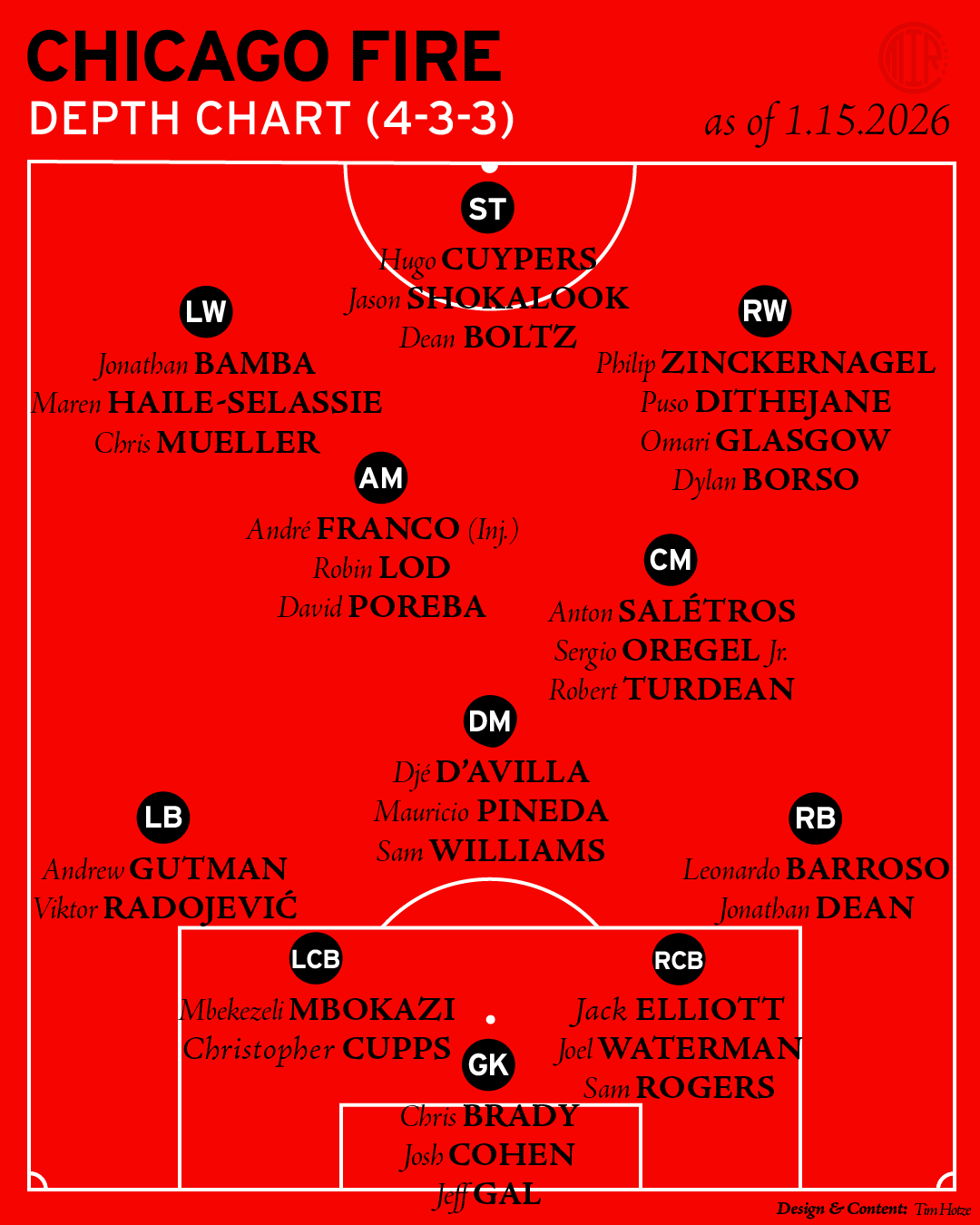
Throughout his time as a coach, Berhalter has used a variety of formations but has most often used a 4-3-3. In discussing the team’s approach, the Fire head coach has said that the team needs to be flexible to play not just this formation but others as well, noting that adding an extra defender (and in essence removing a midfielder to do so) sometimes has benefits in individual matchups.
Kellyn Acosta’s departure reduces the team’s midfield corps to nine, and in effect, given the players’ similar wages, Robin Lod has taken his place on the roster but will likely often play in a more advanced place on the field.
That is especially likely in the first half of the season, when he is likely to be used as the no. 10 central attacking midfielder as Franco recuperates. After Franco’s return, Lod is likely to split time between an attacking midfield role and a deeper-lying no. 8, while he may also see playing time on the wing (he has also played in essence as a second striker, something that is possible, particularly late in games if the Fire are looking for an equalizer).
In addition, it would not be surprising to see Dithejane get time deployed as a wingback, lying deeper while still joining in on the attack. Although the role requires more mobility than playing as a winger and has additional defensive responsibilities, it typically involves staying in wide areas of the field, while playing as a winger more often involves picking the right moments to tuck into half-spaces.
As Dithejane adapts to a new team, system, league and continent, that may make the role a faster path to minutes – particularly if Philip Zinckernagel resumes the form he displayed in 2025, which earned the Dane an All-Star nod. It is also a role which Dithejane has experience playing in South Africa.
“One More Player” On the Way For the Fire?
Since the Fire were eliminated by the Philadelphia Union, ending their season in early November, the team has made seven moves, including signing Jason Shokalook to a first-team deal following his MLS Next Pro Golden Boot-winning season. While that is notably fewer than the team did ahead of the 2025 season, Berhalter’s first at the helm in Chicago, the team has addressed the most obvious needs on the roster.
The most glaring of those needs was reducing the defensive issues that plagued the team for much of the season. Last year, the team allowed 60 goals, tied for sixth most in the 30 team league and the most of the 18 teams that made the postseason.
Looking to cut down on that number in 2026, the team's back line has been reinforced – a process that started last summer with the arrival of Joel Waterman and Viktor Radojević (who has yet to feature for the team due to injury) and which continued this winter with the arrival of Mbekezeli Mbokazi.
Berhalter and his staff have also retooled the midfield. Over the course of the 2025, many players in the midfield corps showed talent and promise – none more so than D’Avilla, who progressed significantly over the course of the season, and Sergio Oregel Jr., who went from a fringe squad member with one MLS appearance in his first years on the team to a regular contributor, seeing over 2000 minutes across 26 starts, including one in the postseason.
Still, the team struggled to effectively control games in the middle of the pitch until Franco’s arrival late in the season. The limitations of the group contributed significantly to the team’s defensive issues and limited the team's tactical flexibility on offense.
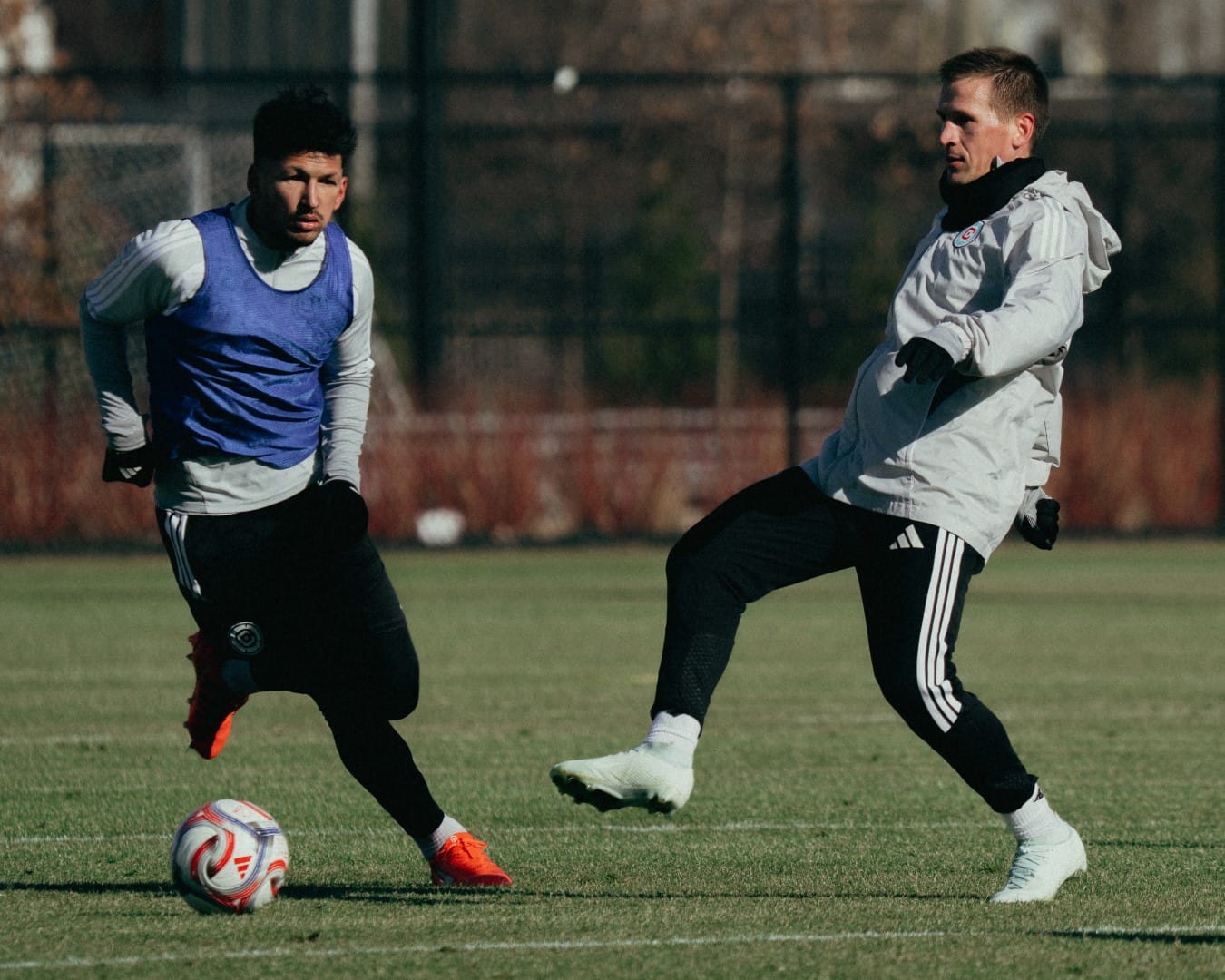
Signing Robin Lod, one of the top midfielders in the league this decade, as a free agent and acquiring Anton Salétros, who has the profile of a top midfielder in this league, combined with progress from within the group should should raise both the floor and the ceiling of the group, and Lod gives the team a high-level MLS starter to carry the load during Franco’s injury.
Despite that, however, there could be more changes on the way soon, with Berhalter saying the team is looking to “add one more player before the season starts,” although that is “not definite, but that’s what we’re looking for.” To pave the way for more additions, however the team had to subtract. “Part of the move with moving Brian [Gutiérrez] out was to create roster flexibility. And he's a fantastic player. He served the club well for 16 years. But him moving out gives us the funds to be able to make some of these moves.”
In addition to having the funds, because of the Fire’s full roster, any other addition would also have to be paired with another subtraction, although that could come in the form of a short-term loan as well as a permanent move.