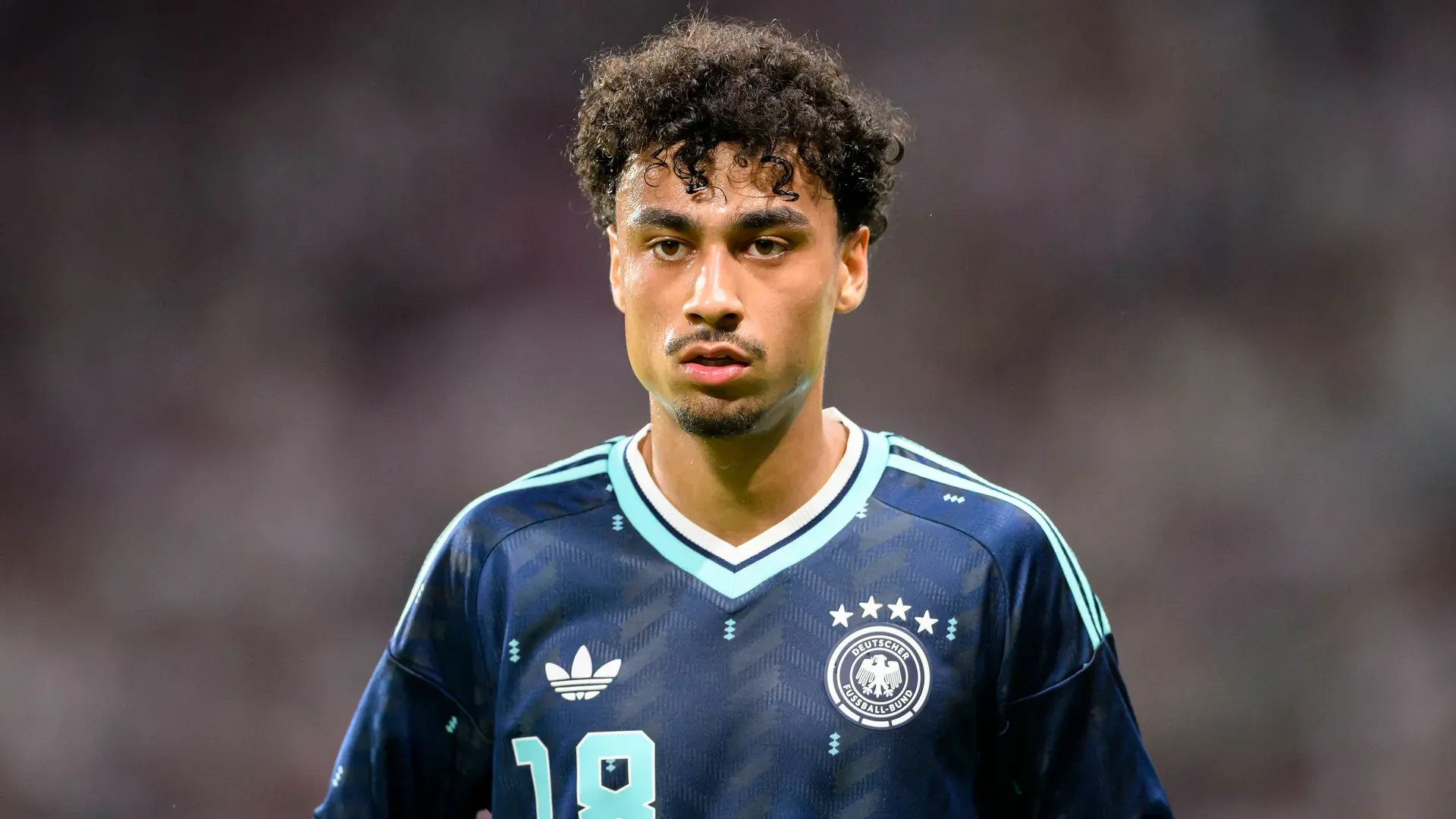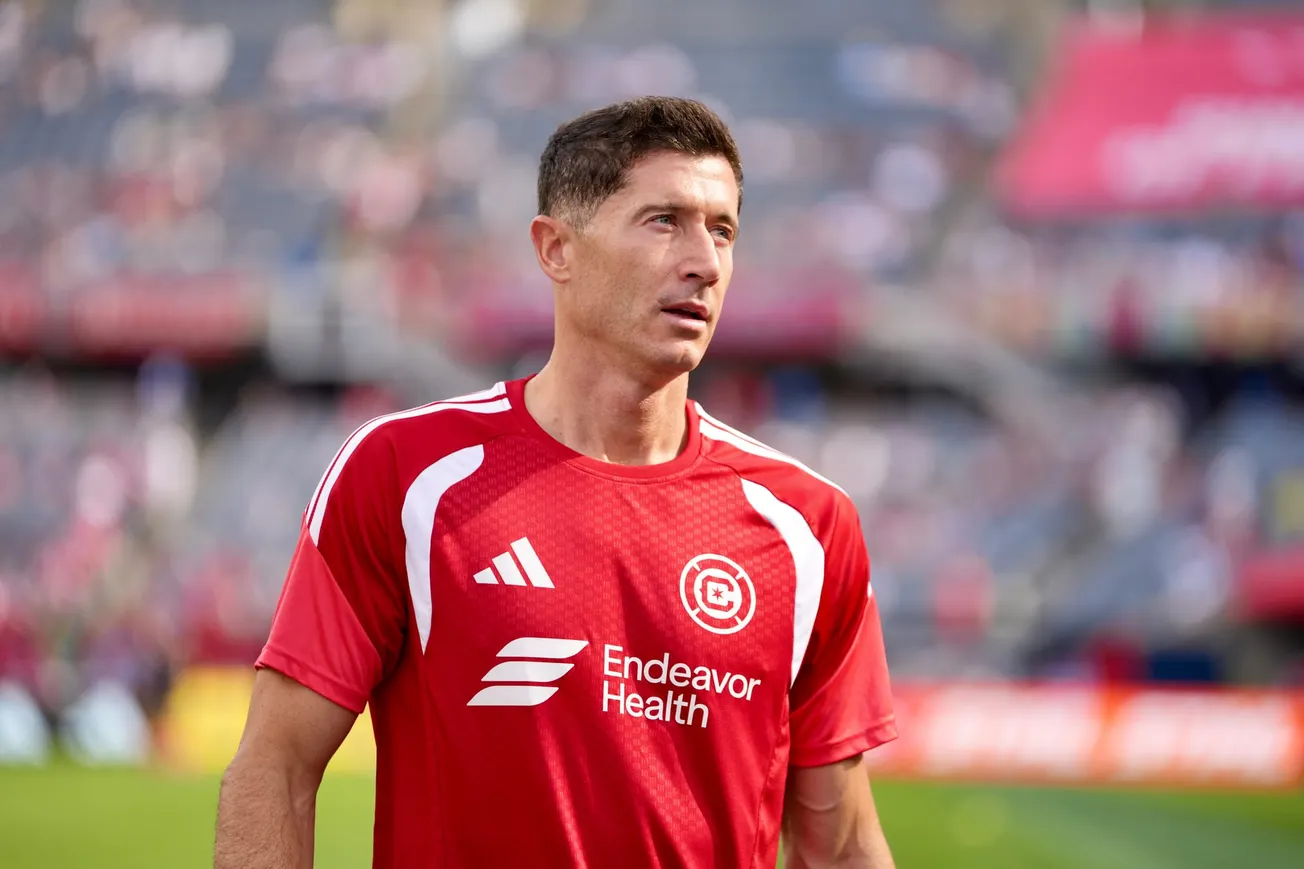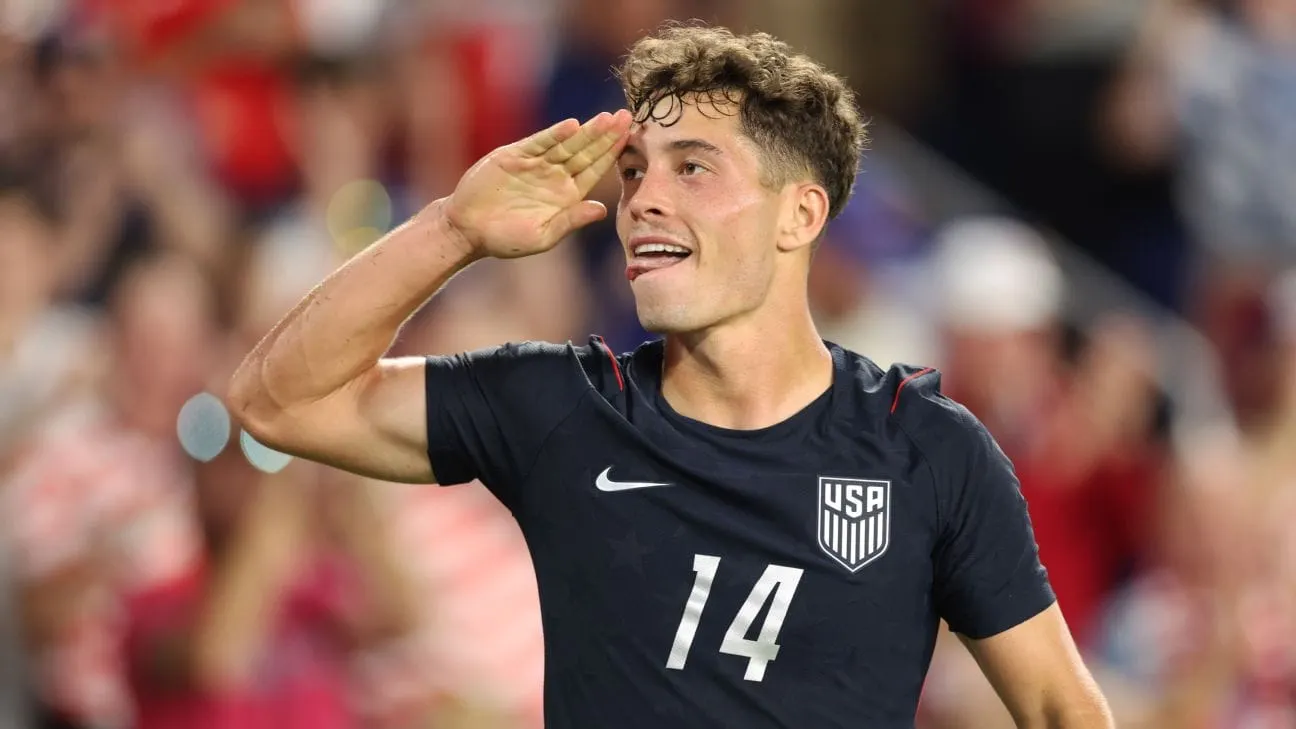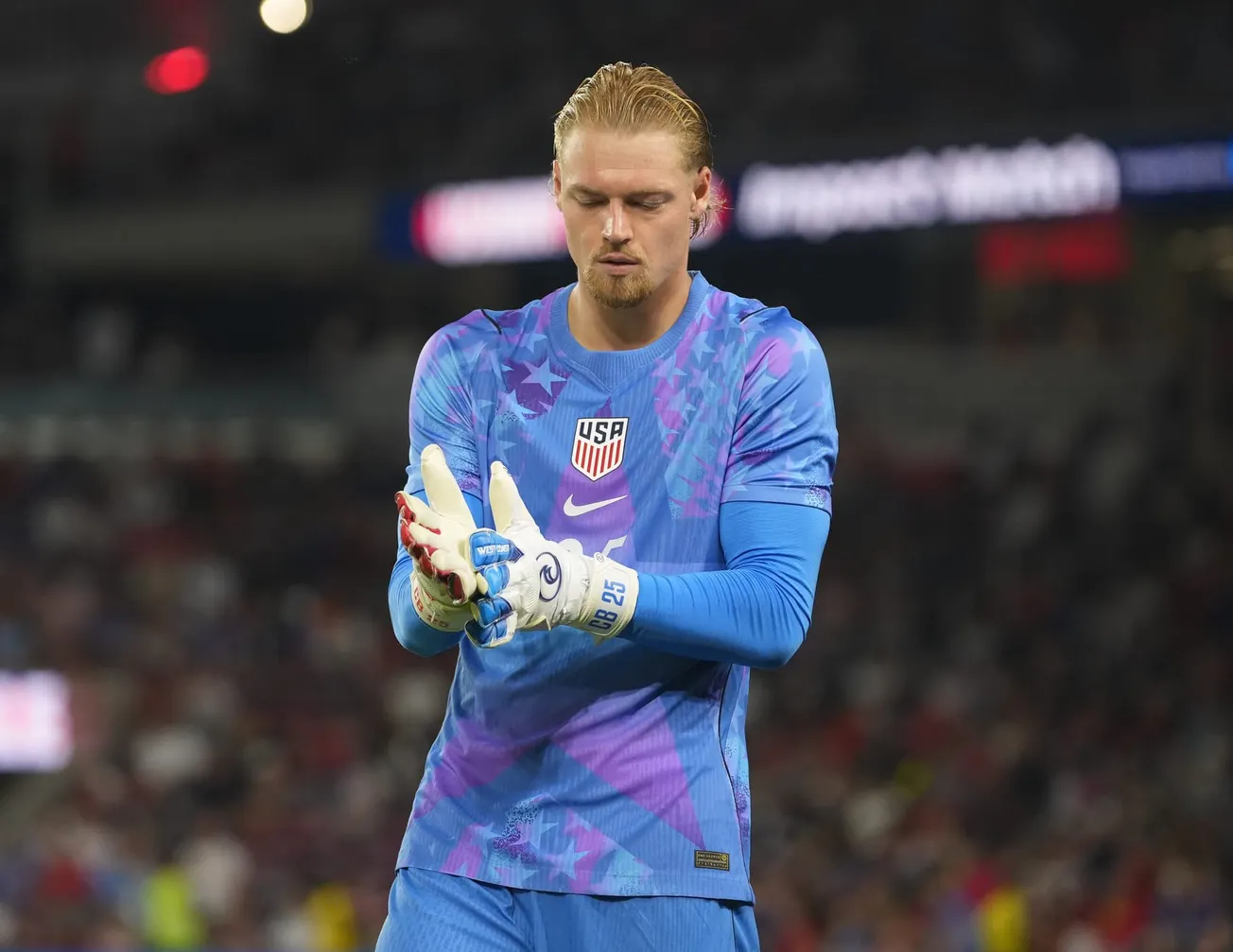

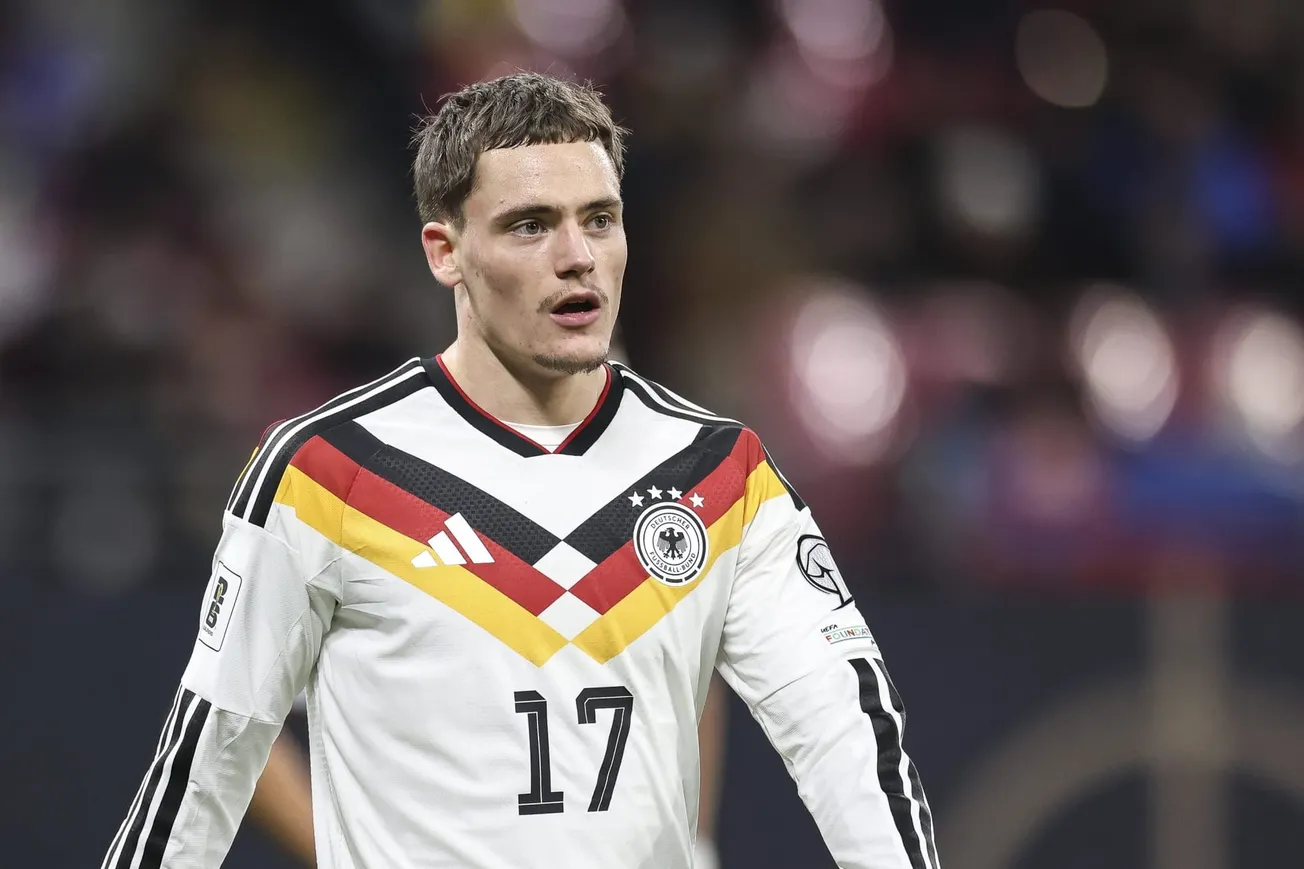
The United States and Germany are gearing up to face off in a thrilling final friendly match before the 2026 FIFA World Cup in North America, and it will take place right here in Chicago. Julian Nagelsmann’s men are riding an eight-match winning streak and will encounter the tournament hosts in their final tune-up.
Here are three major storylines to follow on Saturday from the standpoint of der Mannschaft.
Who is the goalkeeper?
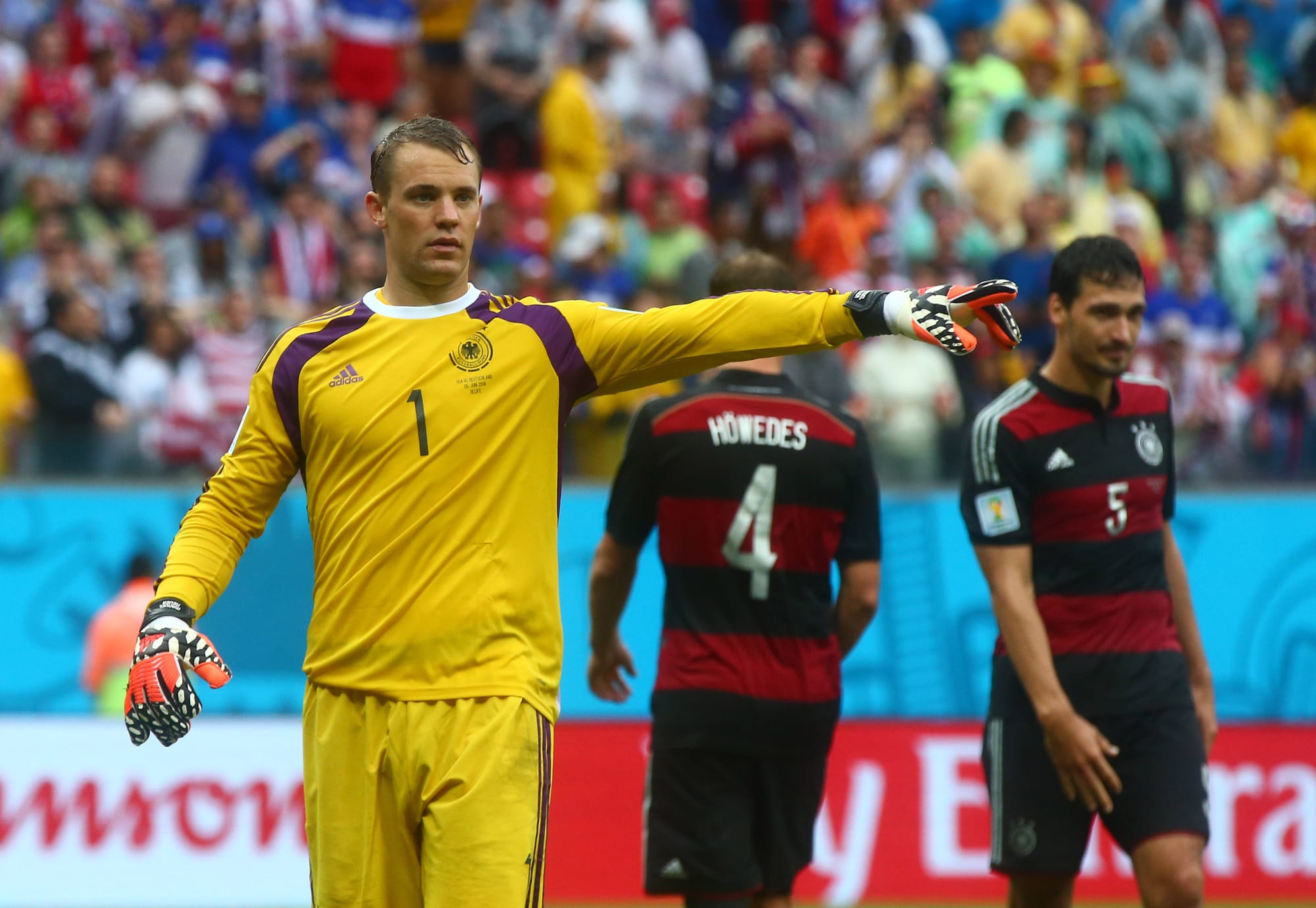
History says that entering a World Cup without a clear, established number one is not a recipe for success. This is particularly true when there seems to be a set starter, and an older, more experienced veteran is brought back into the fold at the last moment.
If that sounds familiar, it’s because both teams enter this game in a quite similar spot when it comes to the goalkeeping position. In Germany’s case, Nagelsmann brought Manuel Neuer back into the national team this month after two years of retirement, a huge decision that received plenty of both plaudits and criticism. The decision has drawn even more scrutiny since Neuer has spent the last few weeks injured and was unable to feature in their send-off game against Finland; now, he is out for the final friendly against the U.S. after he did not train on Friday.
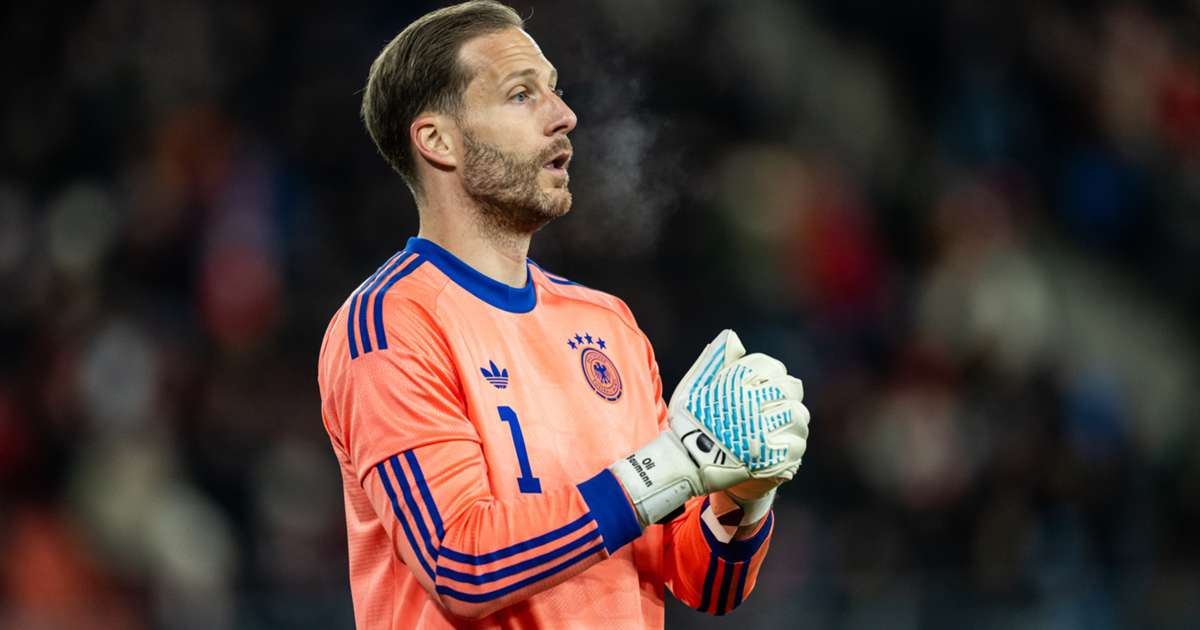
With Hoffenheim’s Oliver Baumann now likely to start against the USMNT, a decision for the World Cup looms for Nagelsmann. Even if Germany’s opening Group E game comes against minnows Curaçao – who would be incredibly lucky to even get a single shot on target in that game – “Das Comeback” being in the World Cup itself is not what anyone would have envisioned. If Neuer’s recovery is still behind schedule, especially if Baumann does well against the U.S., Nagelsmann may have to reconsider his initial decision to make the 40-year-old legend the clear starter.
Without clarity on exactly how close Neuer is to match fitness, Baumann should see this as an opportunity to show his manager that he should have had more trust in him as the #1. This brings into focus the main question: how willing is Nagelsmann to ride with Neuer, even if he enters the World Cup without having played a minute in a month?
Can Leroy Sané fill the right wing void?
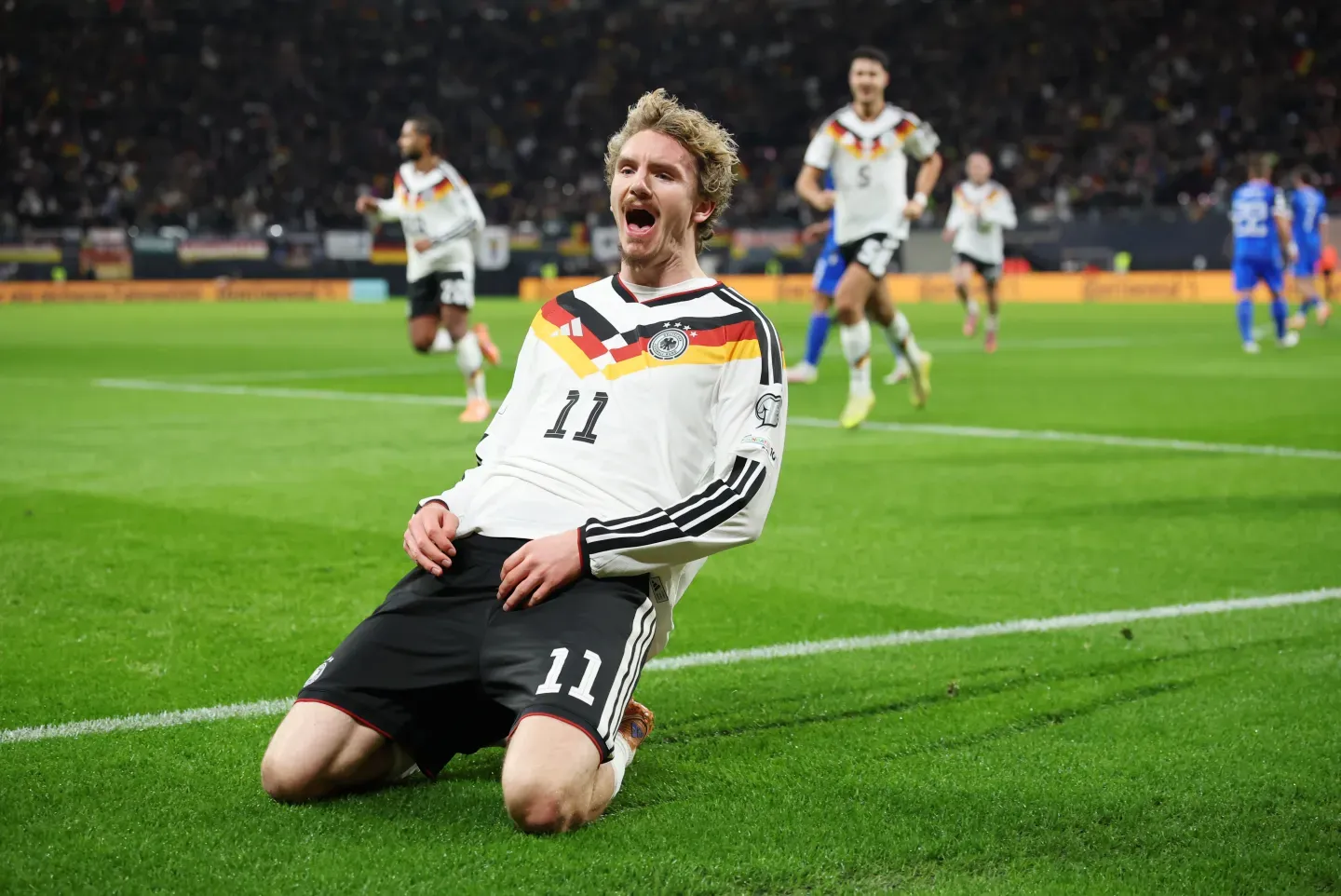
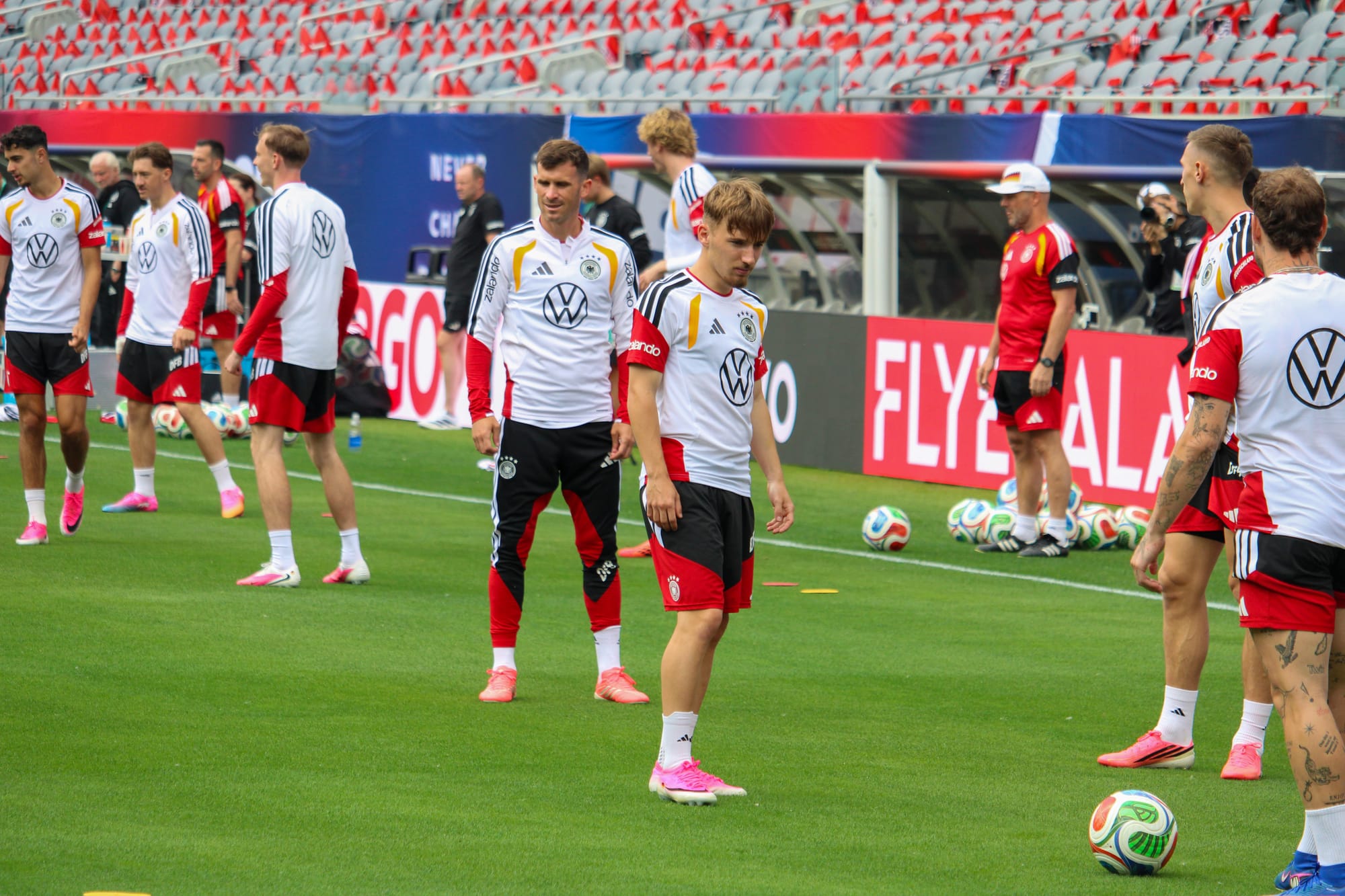
Originally, this section was intended to be centered around whether or not playing four nominal #10s together (Florian Wirtz, Jamal Musiala, Lennart Karl, and Kai Havertz) could work against a decent level of opponent after the fluidity helped Germany to a 4-0 win over Finland last week. Unfortunately, as this story was being written, Karl was injured in training at Soldier Field, suffering a reported muscular injury that will keep him out of the World Cup.
That completely flips the narrative, reopening the discussion about who should start on the right side. Leroy Sané is the clear favorite and is expected to start there against the U.S., giving the 30-year-old a golden opportunity to win back fans and media. Since his move to Galatasaray, Sané has struggled to find consistency, but turned up when Germany needed him in the decisive World Cup Qualifying win over Slovakia in November.
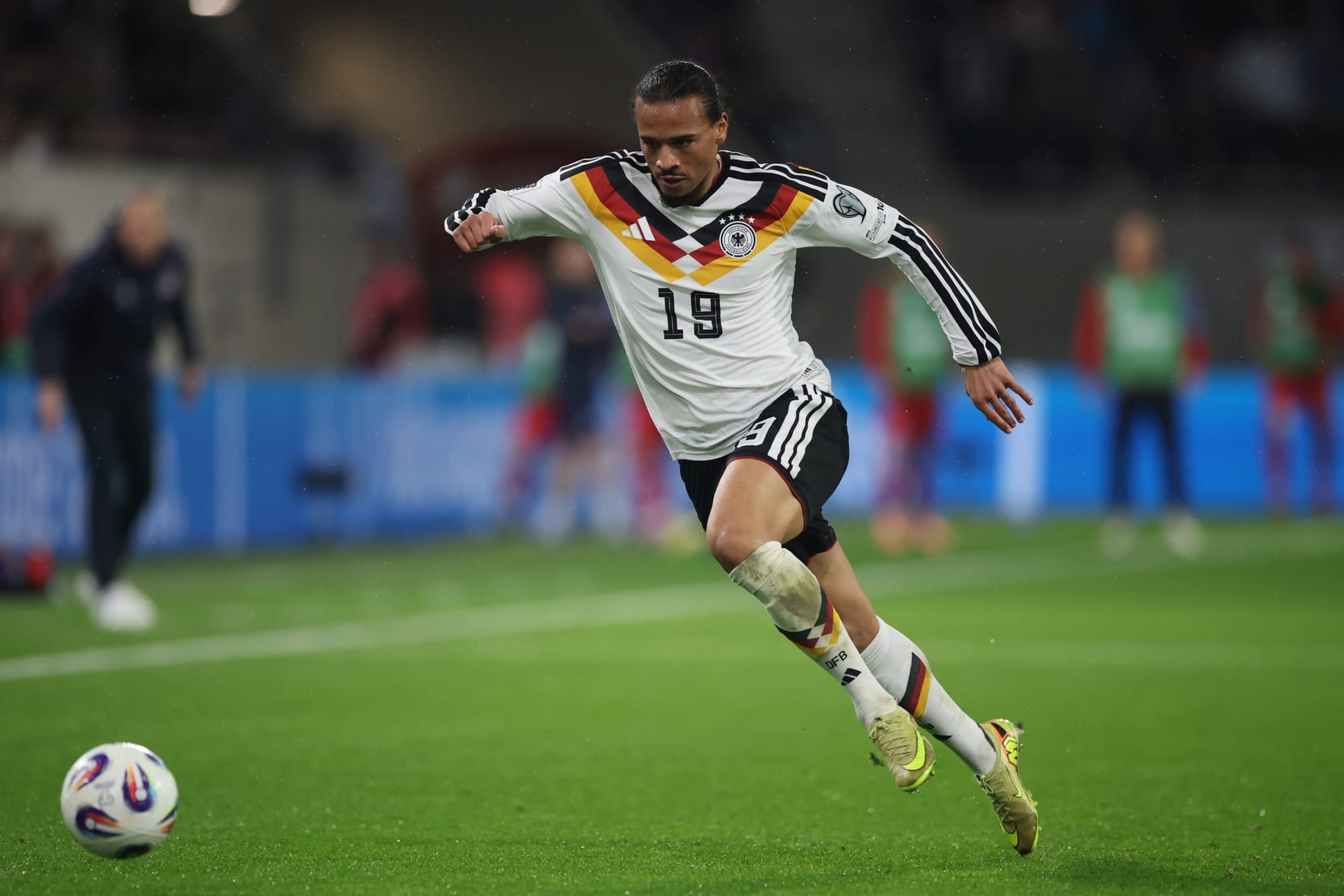
Even if it is Sané’s position to lose it doesn’t mean that it is a certainty. Jamie Leweling has had his moments in his young national team career, and will likely see some minutes off the bench against the U.S.; Dortmund’s Maximilian Beier is also a part of the squad, though he is likely more of a super sub-type player. Lastly, a possible but unlikely scenario would see Jamal Musiala and Florian Wirtz each start on opposite wings, adding an extra midfielder like Leon Goretzka or Angelo Stiller into the mix at the expense of directness on the wings.
Although he suffered arguably the worst season of his professional career, Sané now finally has the opportunity to step up on the biggest stage. If he struggles to establish himself against Antonee Robinson and Tim Ream, however, is Nagelsmann really ready to throw someone else with single-digit caps into the starting XI for the World Cup?
Can Deniz Undav finally win over Nagelsmann?
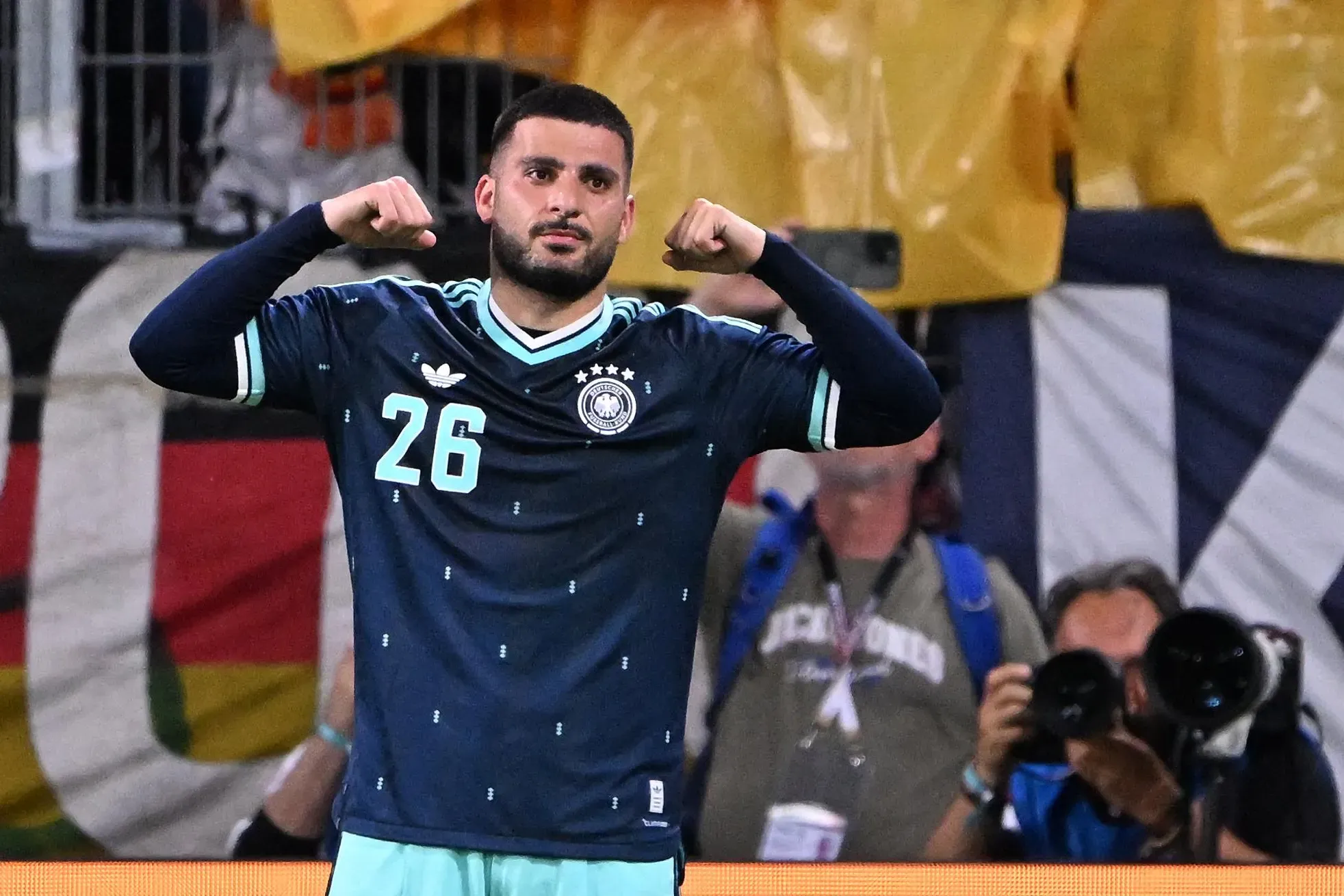
By many metrics, Deniz Undav has been the best German striker in the world for the last year. With Kai Havertz’s injury woes and Nick Woltemade’s Premier League inconsistencies, fans across the country have clamored for the VfB Stuttgart star to get a fair run-out up front. Undav has now scored in successive national team matches, but it remains unclear whether that will be enough to secure his spot in the XI come the World Cup.
For this game, Havertz looks set to start as the #9 after missing all of Qualifying with injury. How he does coming off a taxing end to the season with Arsenal, and whether or not he makes the most of what will likely be about 60 minutes of action, will determine whether or not he can lock down the center forward position heading into the World Cup. Undav and Woltemade, therefore, would be hoping to make the most of limited minutes off the bench.
Here is the reality: Germany did not bring a true out-and-out striker to the World Cup. They brought three striker profiles that are more similar than they are different, even if all three have different skillsets. Without a Tim Kleindienst or Niclas Füllkrug to change things up, Havertz, Undav, and Woltemade will be competing directly against each other for form more than anything else.
Given Undav’s excellent 25-goal season and goals against Switzerland and Finland, he seems best positioned to claim it, even in limited minutes. The question remains: is Nagelsmann prepared to trust Undav in every game in a way that he simply has not so far as national team coach? Will Havertz grasp the position with a strong outing against the U.S.? Or will the center forward role remain a revolving door among these three solid half-nines?