
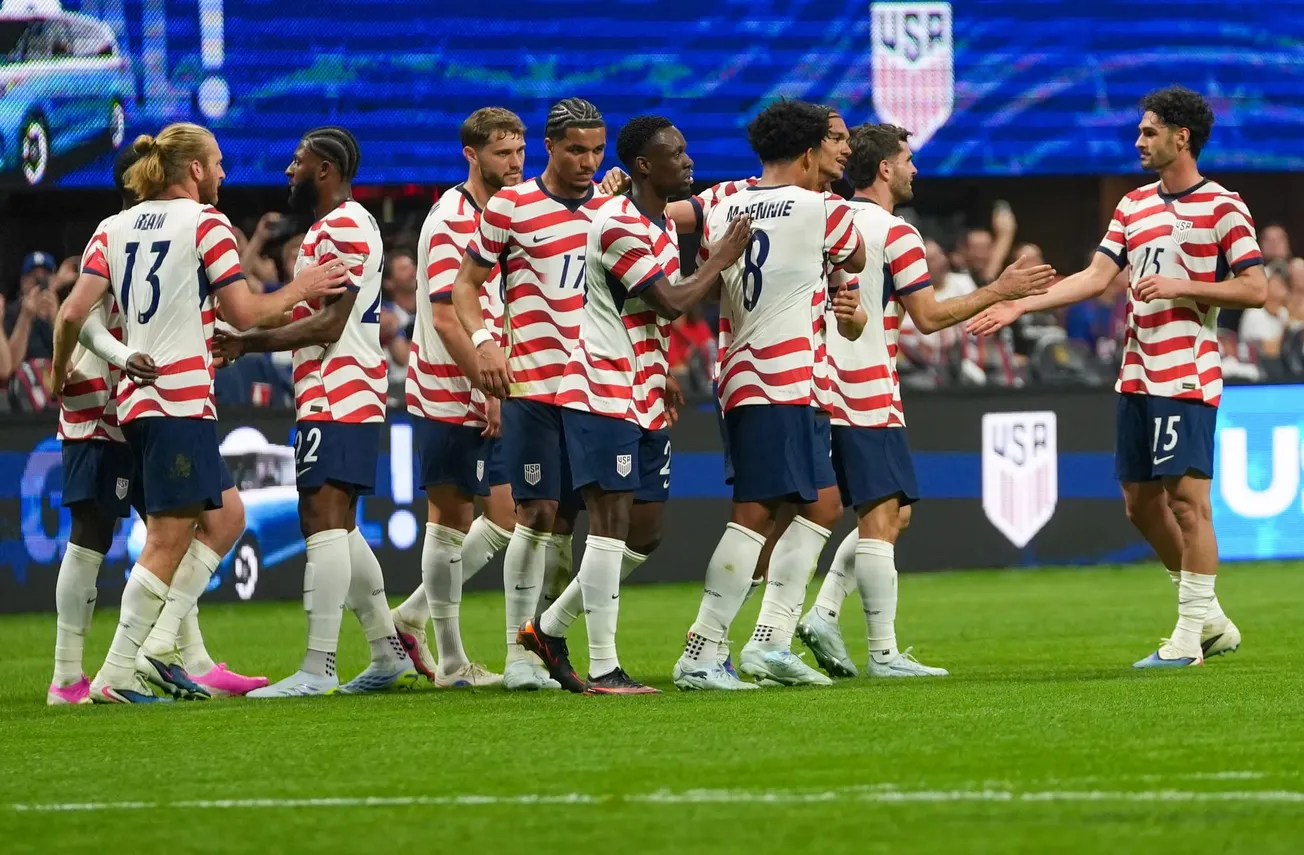
It’s hard to believe, but the 2026 FIFA World Cup is now just around the corner. Major League Soccer is on pause for the tournament, and everyone in North America is now in full-on World Cup mode.
The final send-off game for the U.S. Men’s National Team will be in Chicago, facing 4-time champions Germany at Soldier Field on Saturday. Here are three questions Mauricio Pochettino’s team seek to answer ahead of the home World Cup.
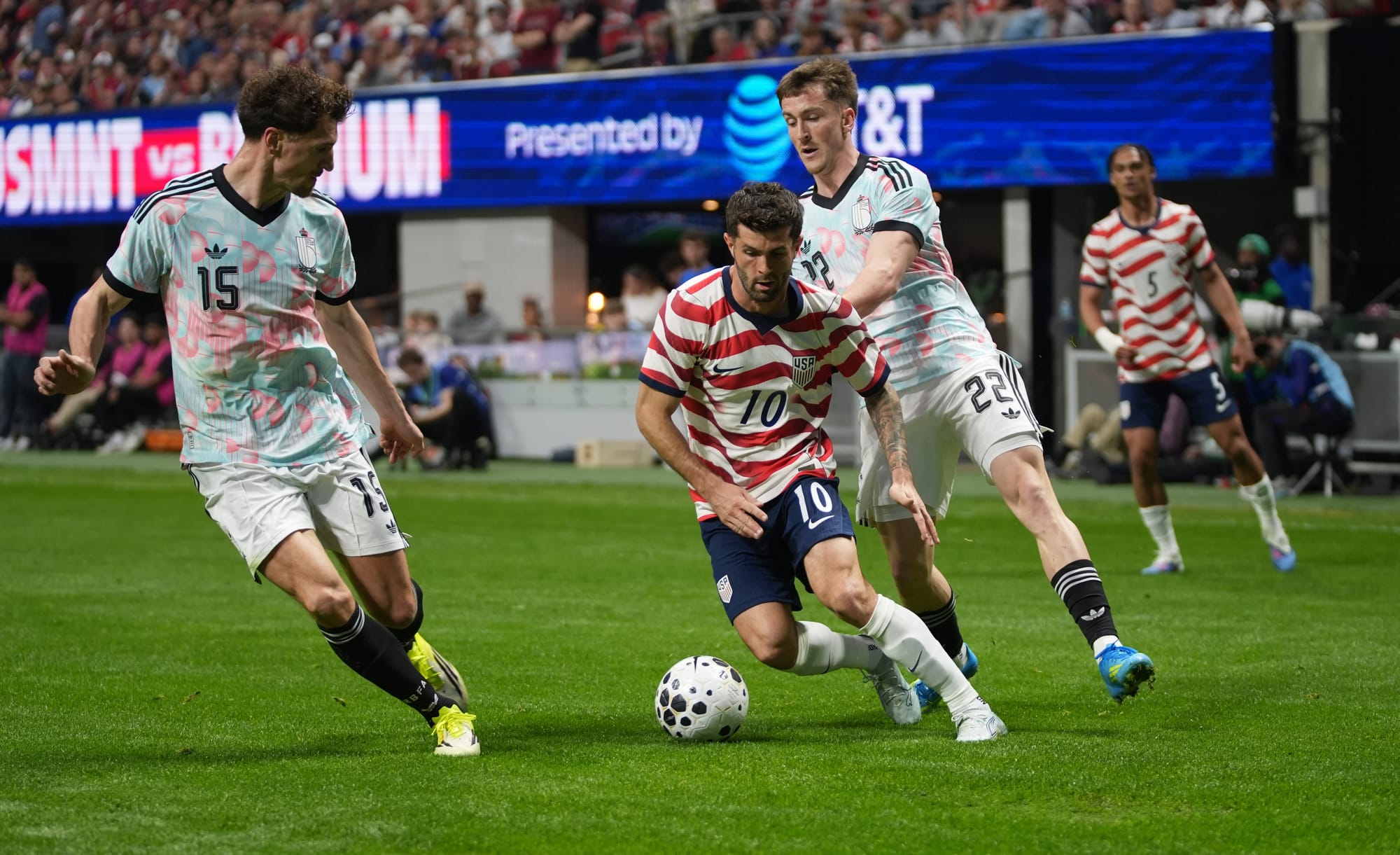
- Who is our goalkeeper?
History says that entering a World Cup without a clear, established number one is not a recipe for success. This is particularly true when there seems to be a set starter, and an older, more experienced veteran is brought back into the fold at the last moment.
That’s true for both teams in this game, and if there’s one position on the USMNT that has absolutely no clarity, at least from the outside looking in, it is the goalkeeper position. Matt Freese has been the apparent #1 for the last year, starting 12 straight games including the entire Gold Cup and all of the fall friendlies. However, after being seemingly out in the cold for months, Matt Turner has started two of the last three, including the 5-2 loss to Belgium and the 3-2 win over Senegal last weekend.
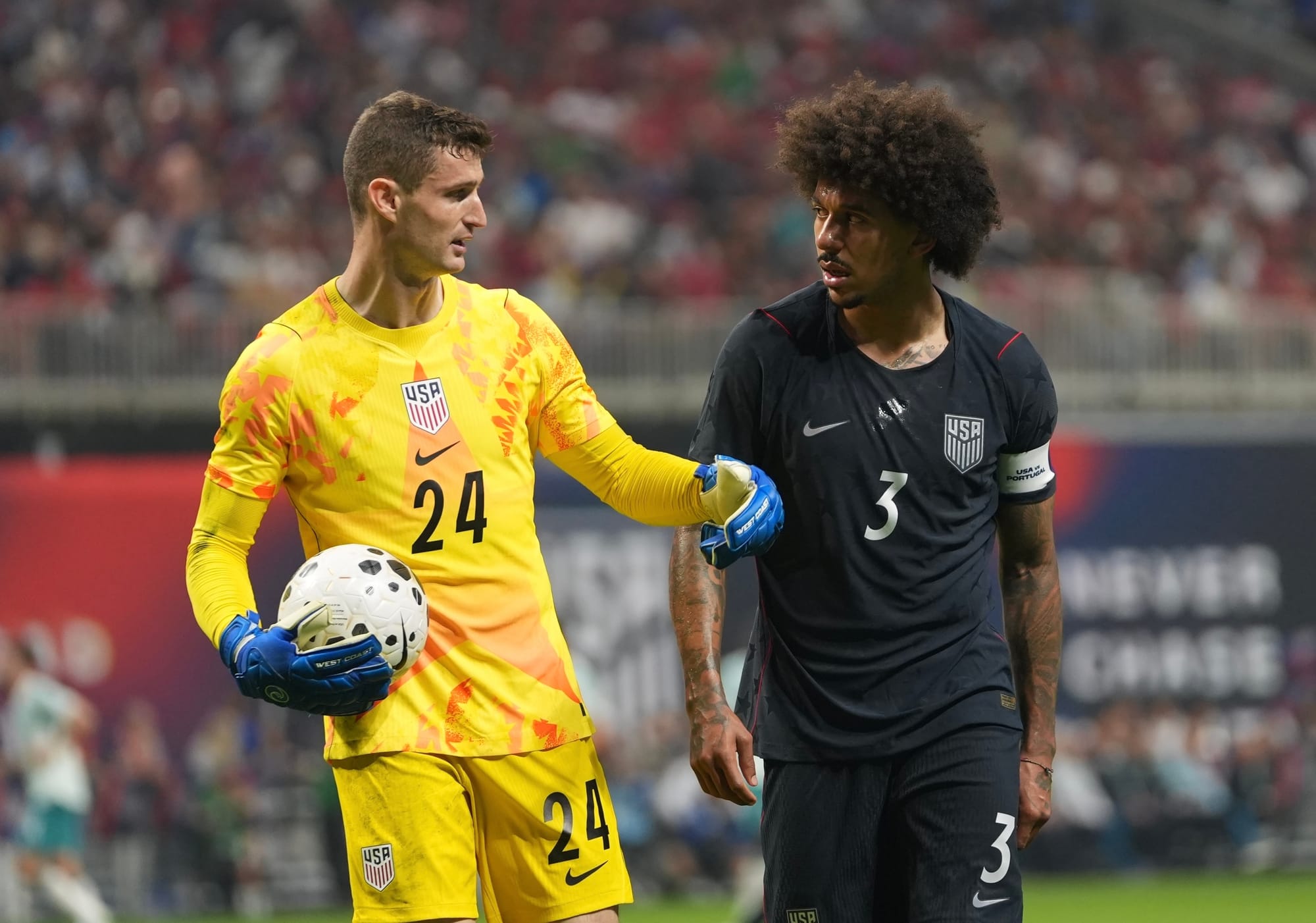
Since the race to start in net is at least a somewhat open competition, who starts against Germany – and how they do – will be a big indicator toward who will start against Paraguay in the World Cup opener on June 12th. The assumption would be that Freese will start, but if things go poorly, there will suddenly be an open question heading into next Friday; something that could dominate the USMNT news cycle in the buildup to the opener.
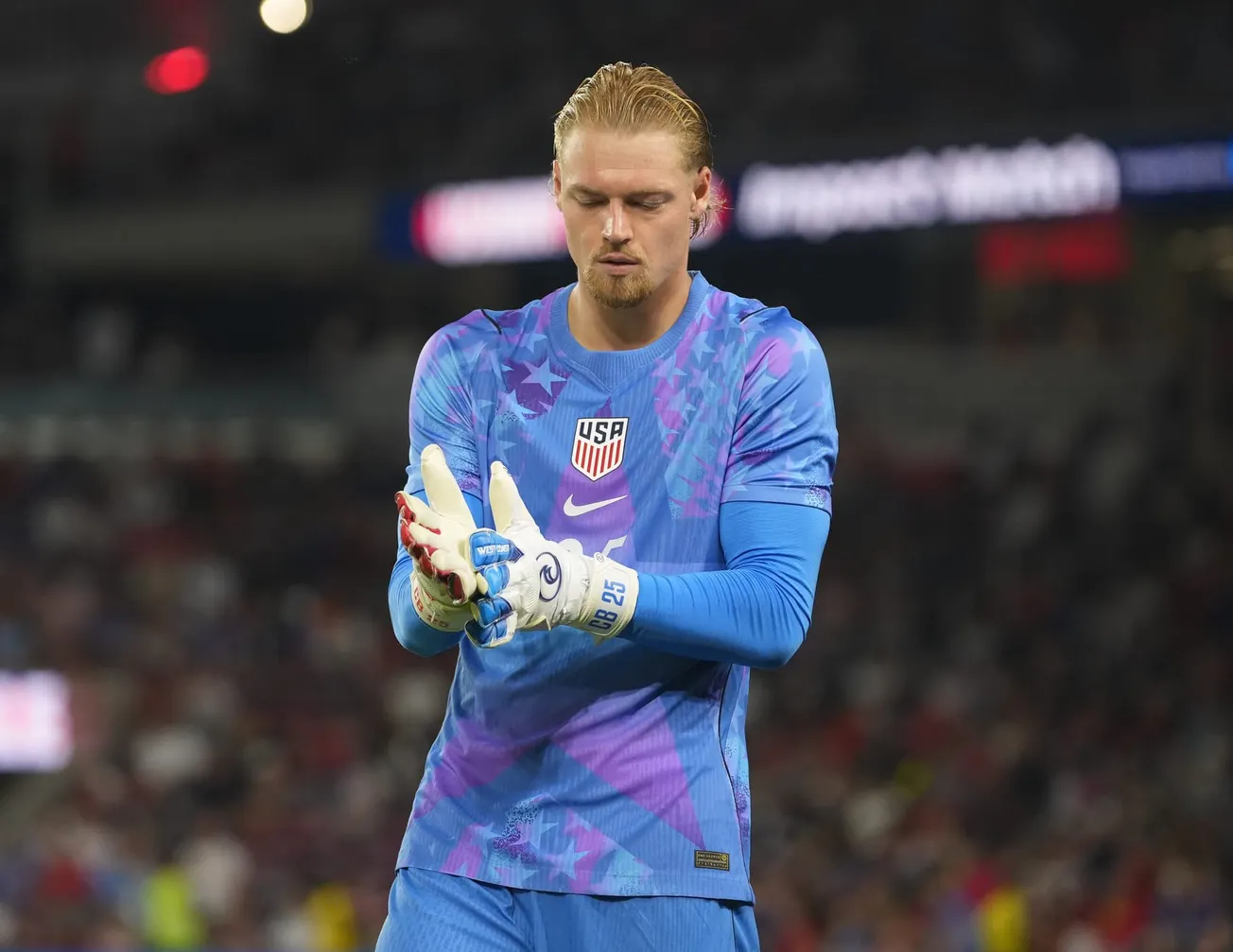
Though the game is being played in his home stadium at Soldier Field, Chicago Fire #1 Chris Brady is unlikely to feature in this one. The Naperville native made his senior USMNT debut against Senegal last week, likely an effort to get him some minutes in a national team shirt in the extremely unlikely event that he is called upon to play in some emergency World Cup scenario. However, even being the #3 for this 2026 edition is something that will benefit Brady in the long run as he hopes to be the starter in 2030 and beyond.
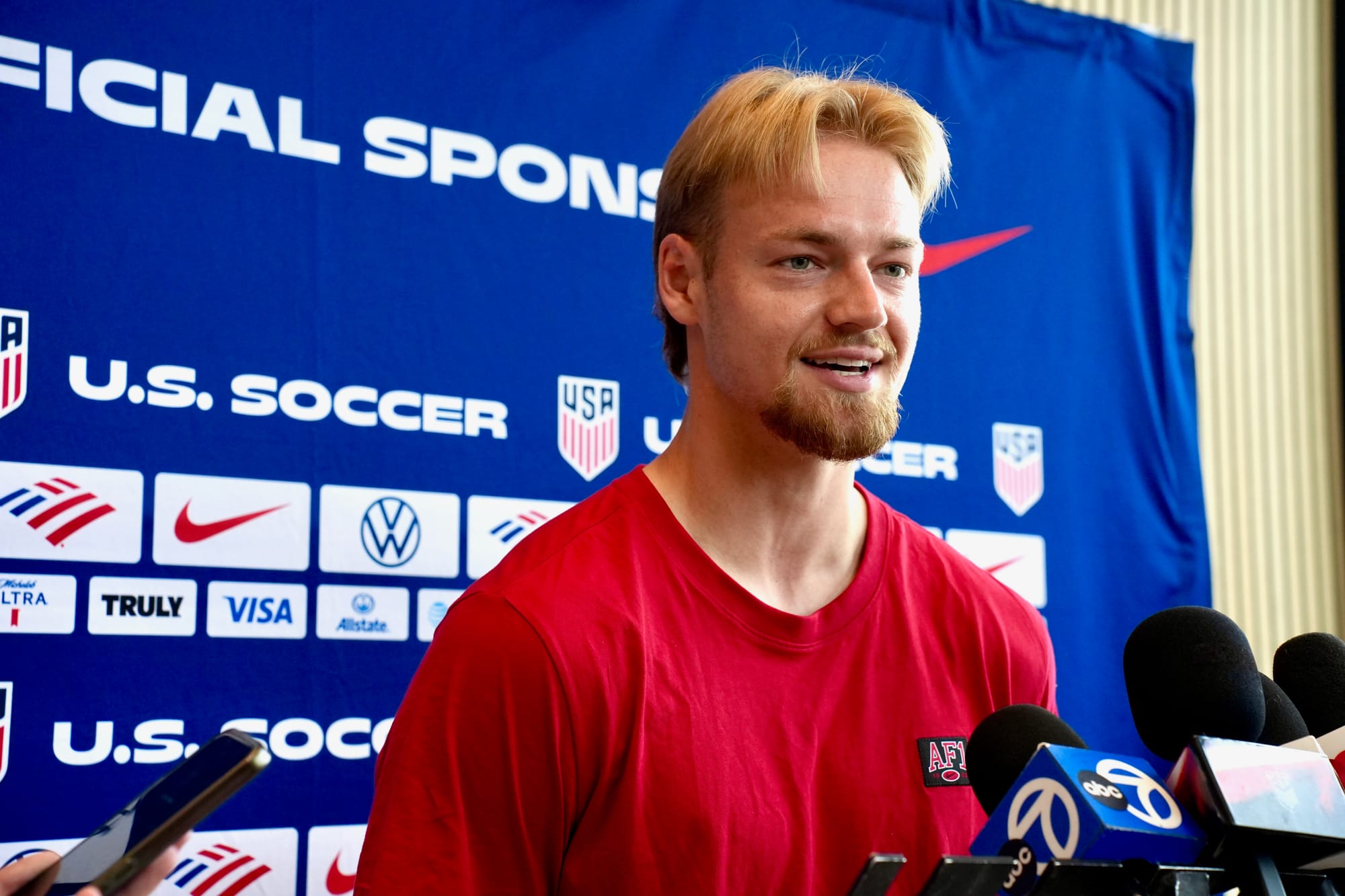
- Should Weston McKennie play deeper against elite competition?
The most glaring omissions from the U.S.’ 26-man roster last month were probably Aidan Morris and Tanner Tessmann, not because they are necessarily the highest quality players left off, but rather because the defensive midfield position has been left drastically thin for the tournament.
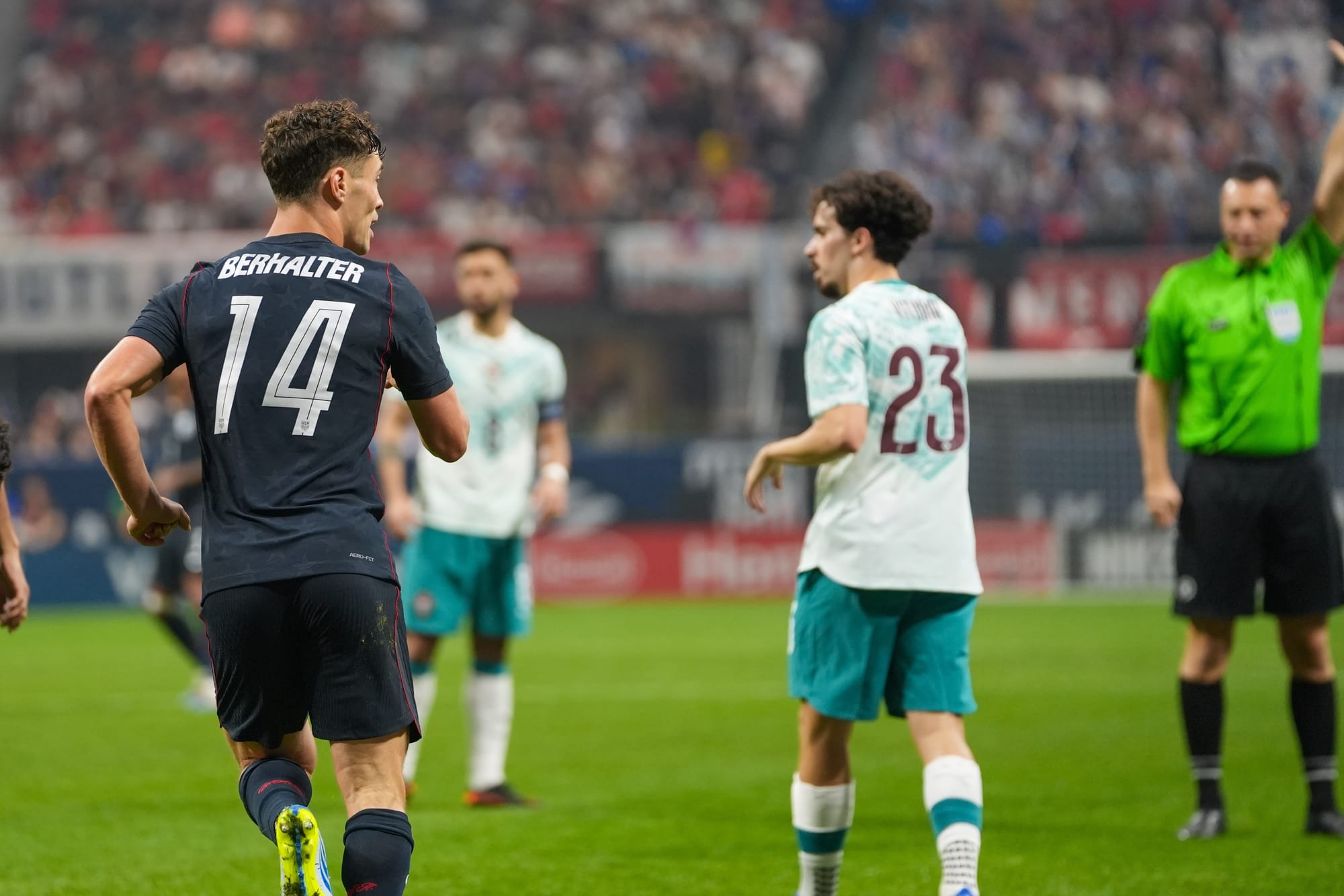
Only four central midfielders – Weston McKennie, Tyler Adams, Sebastian Berhalter, and Cristian Roldan – were named to the roster, and in the case of McKennie, his best minutes in a national team shirt recently have come further up the field as an attacking midfielder. That left Adams and Berhalter to start in the two-man midfield against Senegal, and left McKennie out of the XI altogether. While Berhalter did well against Senegal and is clearly the third-best of the U.S. midfield group, he is still relatively new to playing at this level and remains fairly unproven against elite opposition like the teams he will face in the World Cup.
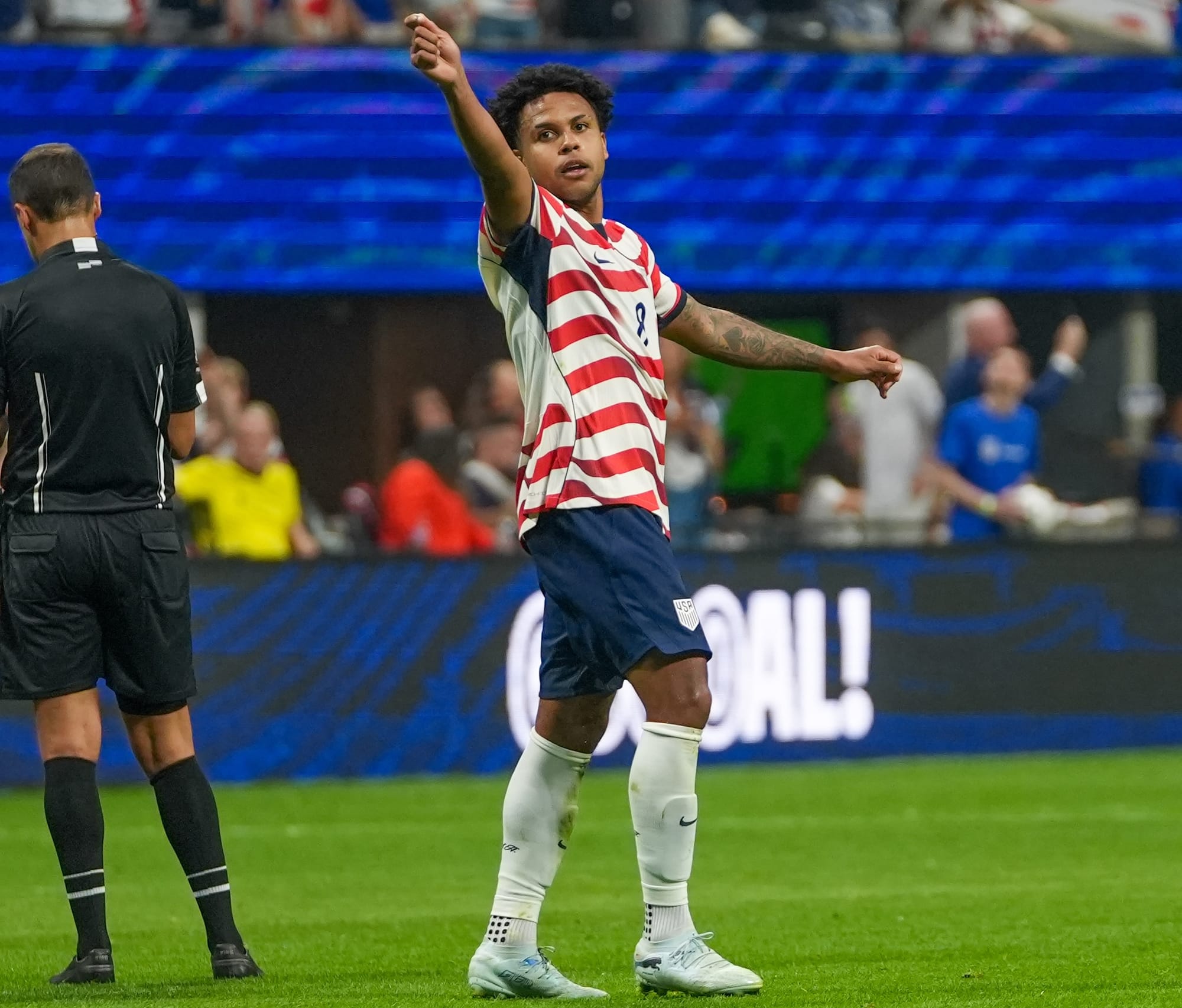
Assuming McKennie starts against Germany, does that mean he will sit deeper, next to Adams? If so, can he hold up there against an elite midfield that may include the combined energy and technical ability of Aleks Pavlović, Felix Nmecha, and Florian Wirtz? There is arguably no better test for the U.S. midfield than against the high-pressing German side, and with the preferred alignment of Adams, McKennie, and Berhalter still unclear, it’s a great game for those questions to be addressed.
On the topic of midfield, consideration also must be given to protecting Adams at all costs before the World Cup. He is the USMNT’s only true #6, and really should be on the field for every meaningful minute of the tournament. It would be a shock to see him go 90 minutes in this game, even if the game state would technically suit that.
- What role is Malik Tillman ready for?
This game might be the biggest of Malik Tillman’s life. Not just because it’s his first-ever time facing the country of his birth, and the country he represented 21 times at youth level, but because a huge question mark still surrounds what his role will be with the USMNT this summer.
A supremely talented attacking midfielder who was the USMNT’s best offensive player at the last Gold Cup, Tillman was riddled with inconsistency for the entirety of the 2025/26 season. Despite a €40 million move to Bayer 04 Leverkusen as Florian Wirtz’s replacement, he has not locked down a starting spot, and has been shuffled between attacking midfield and central midfield throughout the season. Throughout his career, he has often appeared too nonchalant during games, going missing outside of fleeting moments of brilliance.
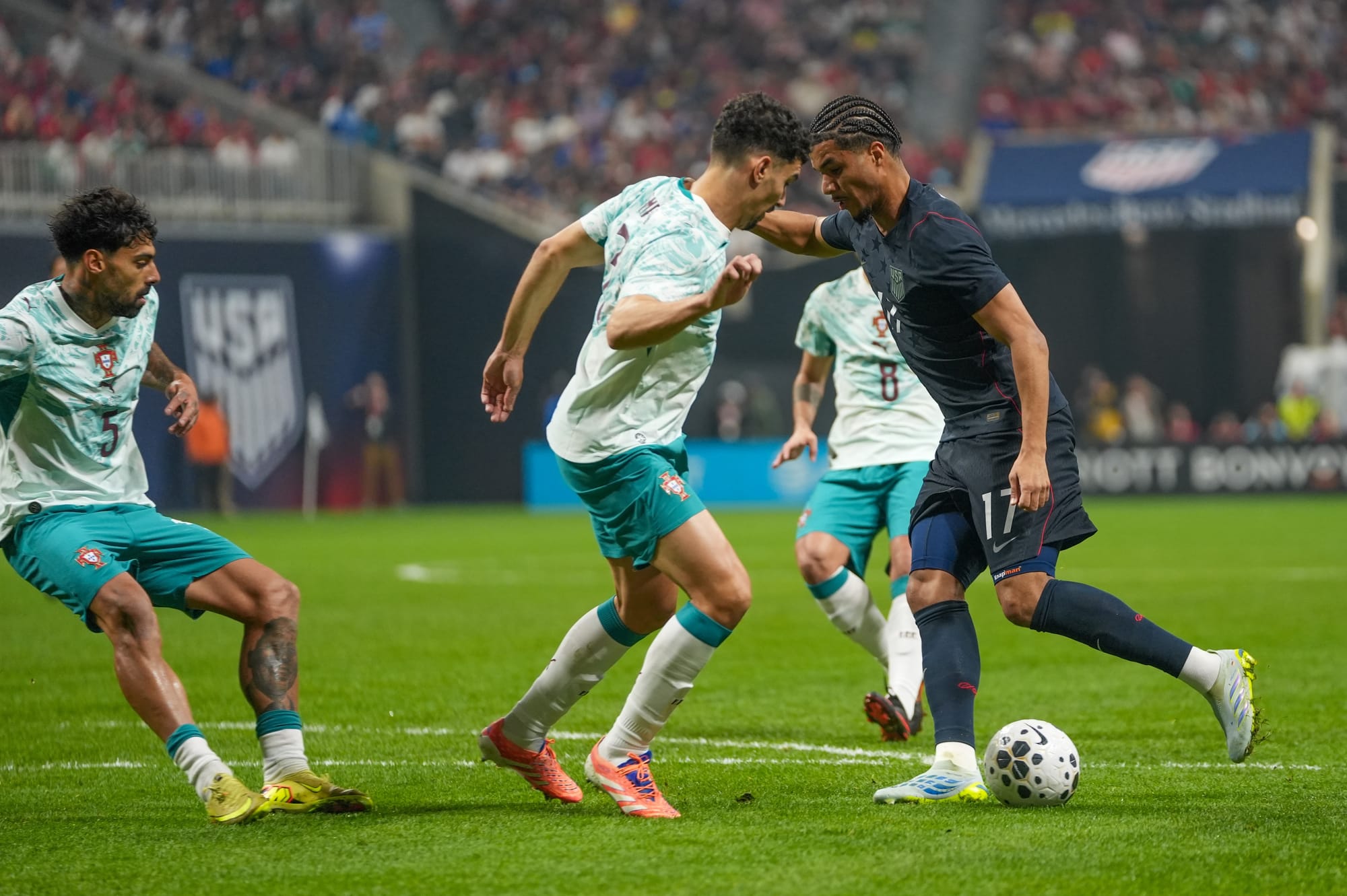
Though it was clear Tillman would make the World Cup roster, his stock was undoubtedly way lower than it was 10 months ago after the Gold Cup. His 45-minute second half outing against Senegal changes that; the German-American created several scoring opportunities and could have left the game with a goal and an assist had it not been for the assistant referee’s flag.
With a shot at a start in this one, the question remains: is Tillman a realistic starter for the USMNT on World Cup opening day? Can he show enough involvement and initiative from the opening whistle to prove he’s ready to be an impactful go-to playmaker alongside Christian Pulisic? If he gets any minutes in a more defensive midfield role, does he look comfortable there against high-level opposition? This is the perfect match to test all of that.