

1. You win some, you lose some
Coming into the match, the Fire hadn’t trailed since the final whistle against D.C. United on March 14th. Including the U.S. Open Cup game against Detroit City, that’s six matches - a total of 540 minutes of competitive soccer without trailing.
In total, the Fire had trailed (again, depending on how you count the minutes of goals and stoppage time) for a total of about 13 minutes in total in 2026, out of 900 competitive minutes played. They had held a lead for about 455 of those minutes, or roughly half the time they played. Of the remaining half? They trailed for less than 1.5% of it.
It hasn’t always been the most convincing soccer. But it’s been effective.
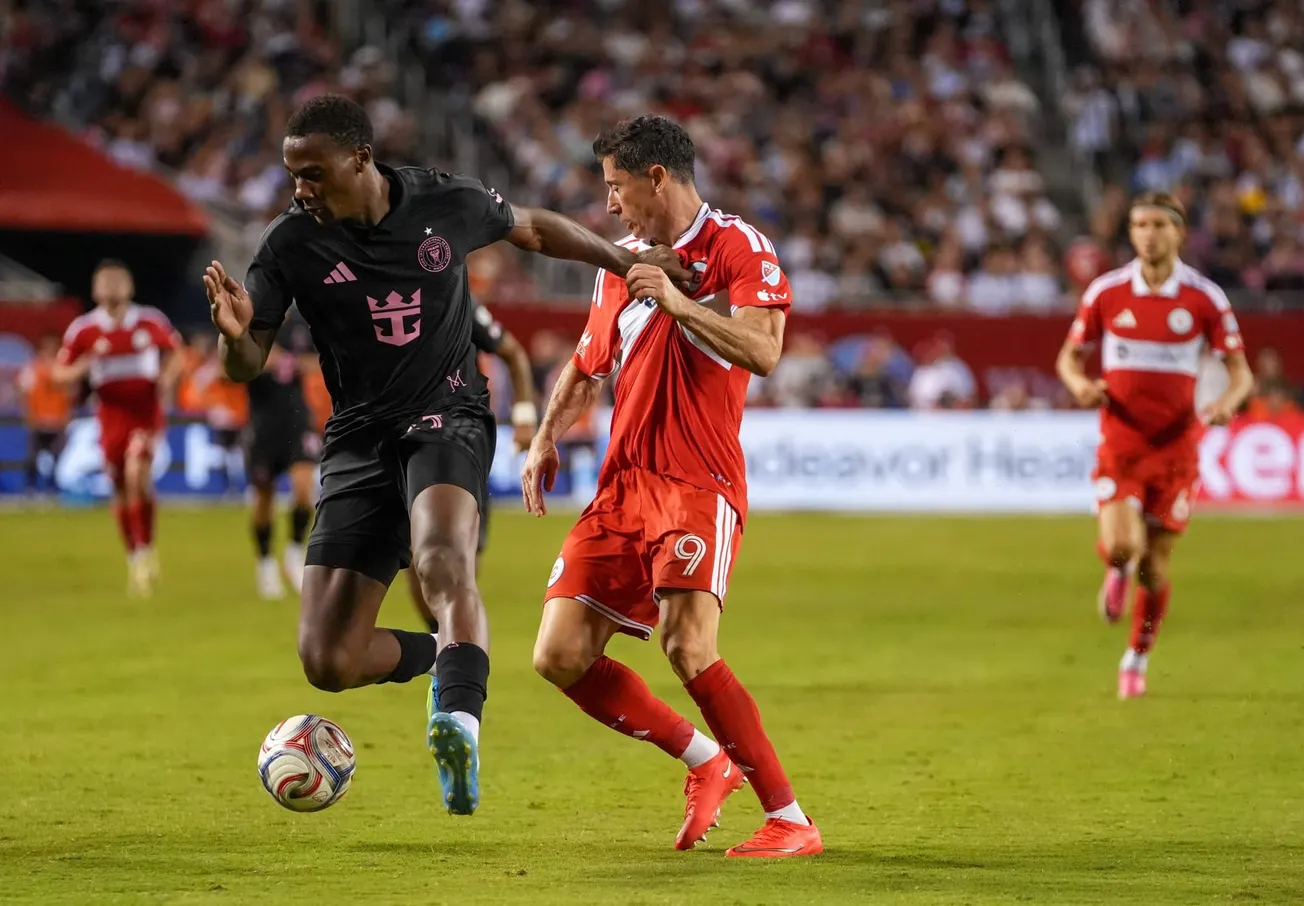
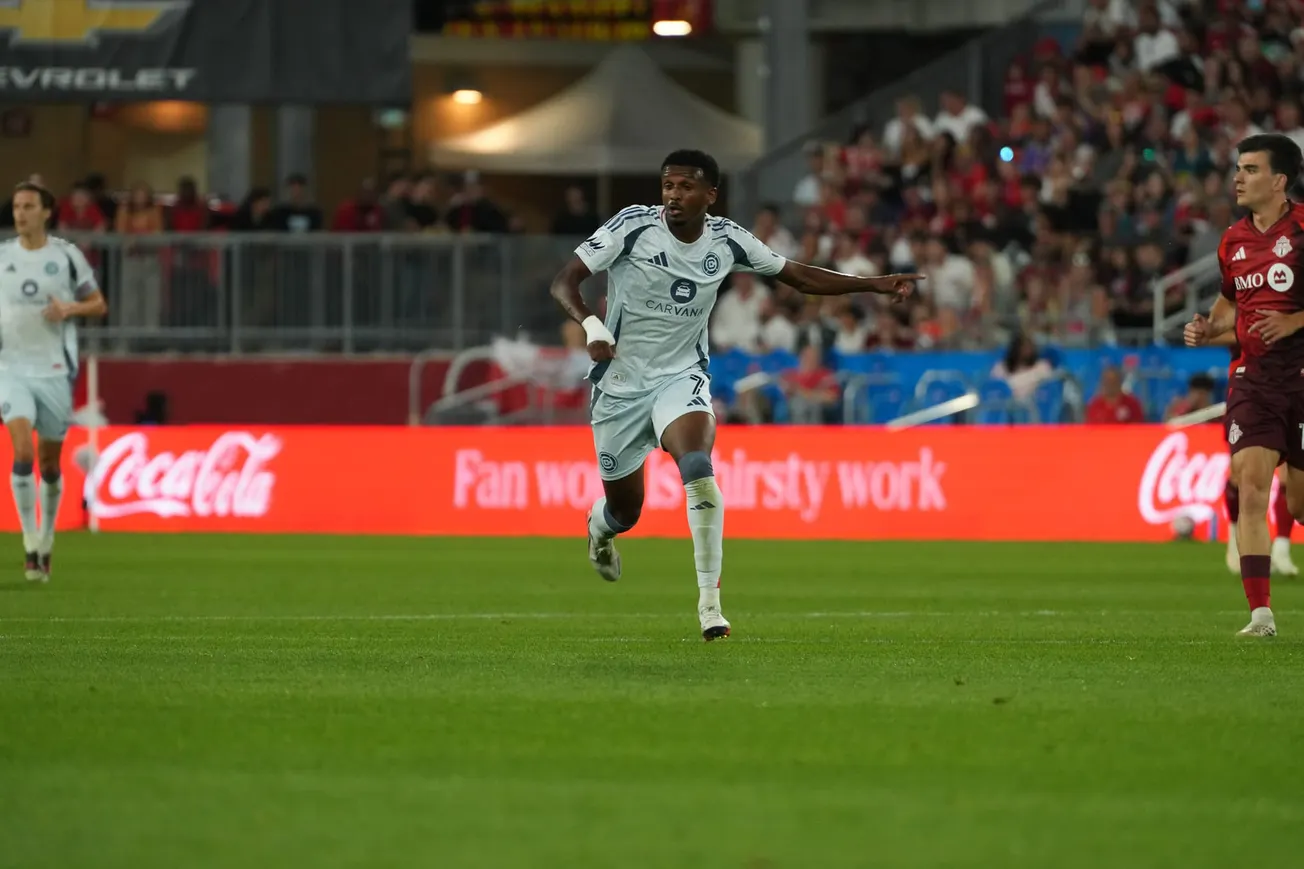
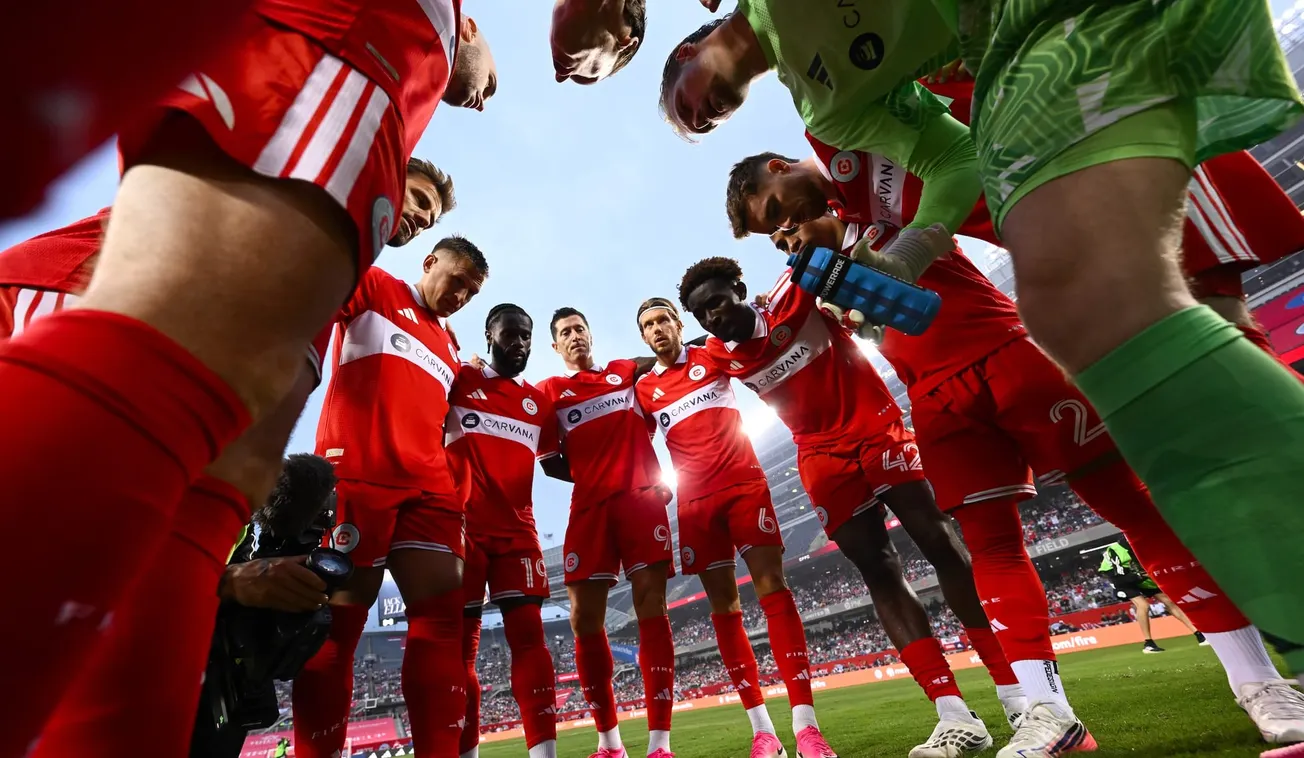
Last night in SeatGeek, the Fire played the better soccer of the two sides for two-thirds of the match but didn’t get a shot on goal until the second half. Against Sporting Kansas City, the Fire did that and ended up with an emphatic a win. In this one, though? It wasn’t, and the Fire got a loss.
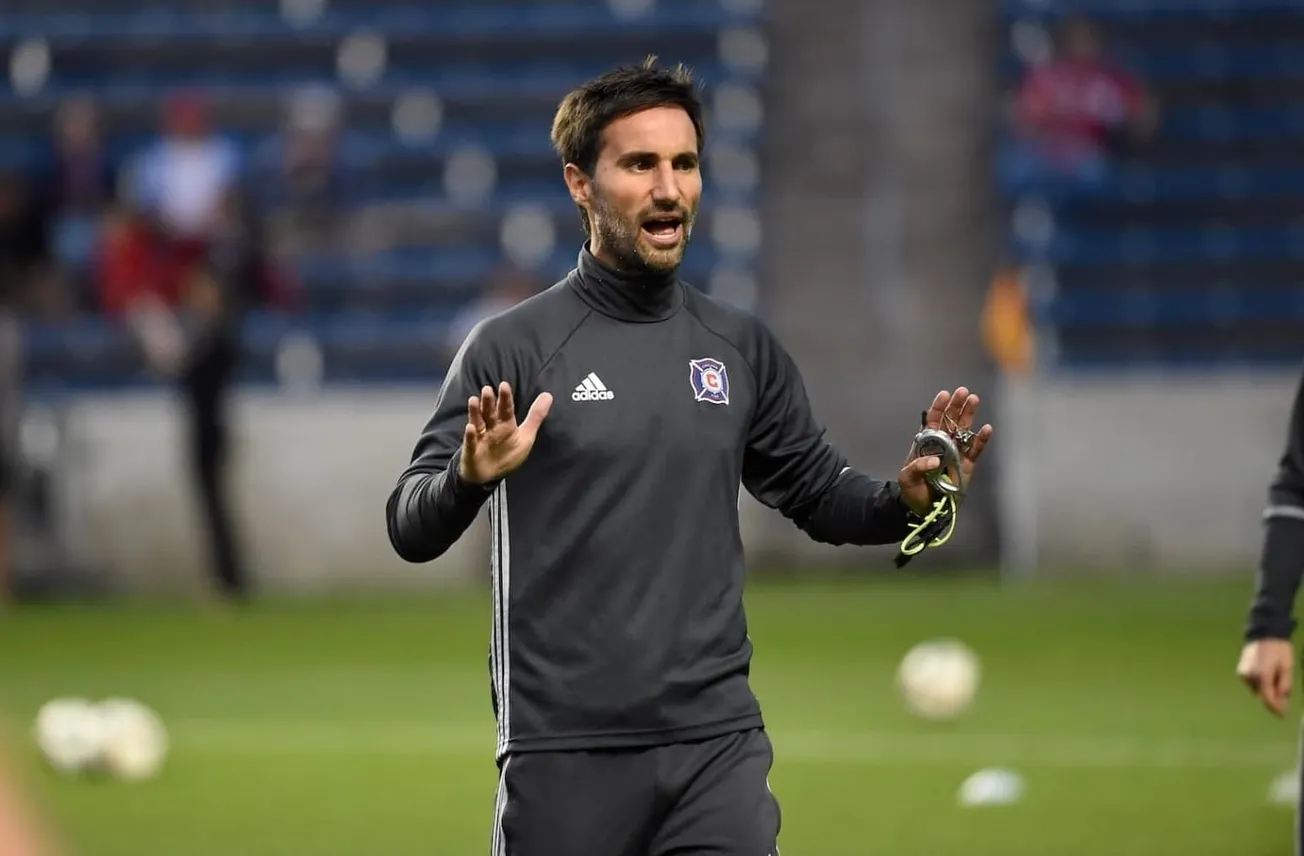
“The performance was, I think, good enough to get the win and we let ourselves down in crucial situations,” Fire Head Coach Gregg Berhalter said after the game. That really is two thoughts in one sentence.
To the first point: After Anton Salétros scored the first goal of the match in the 64th minute, you’d probably have felt that the game was in hand. And if Hugo Cuypers’ effort early in the first half was just a few inches to the left, the team would have been up 1-0 early and it would have been a different game. Put in a performance like the Fire did and it’s likely enough to get you wins against MLS opponents.
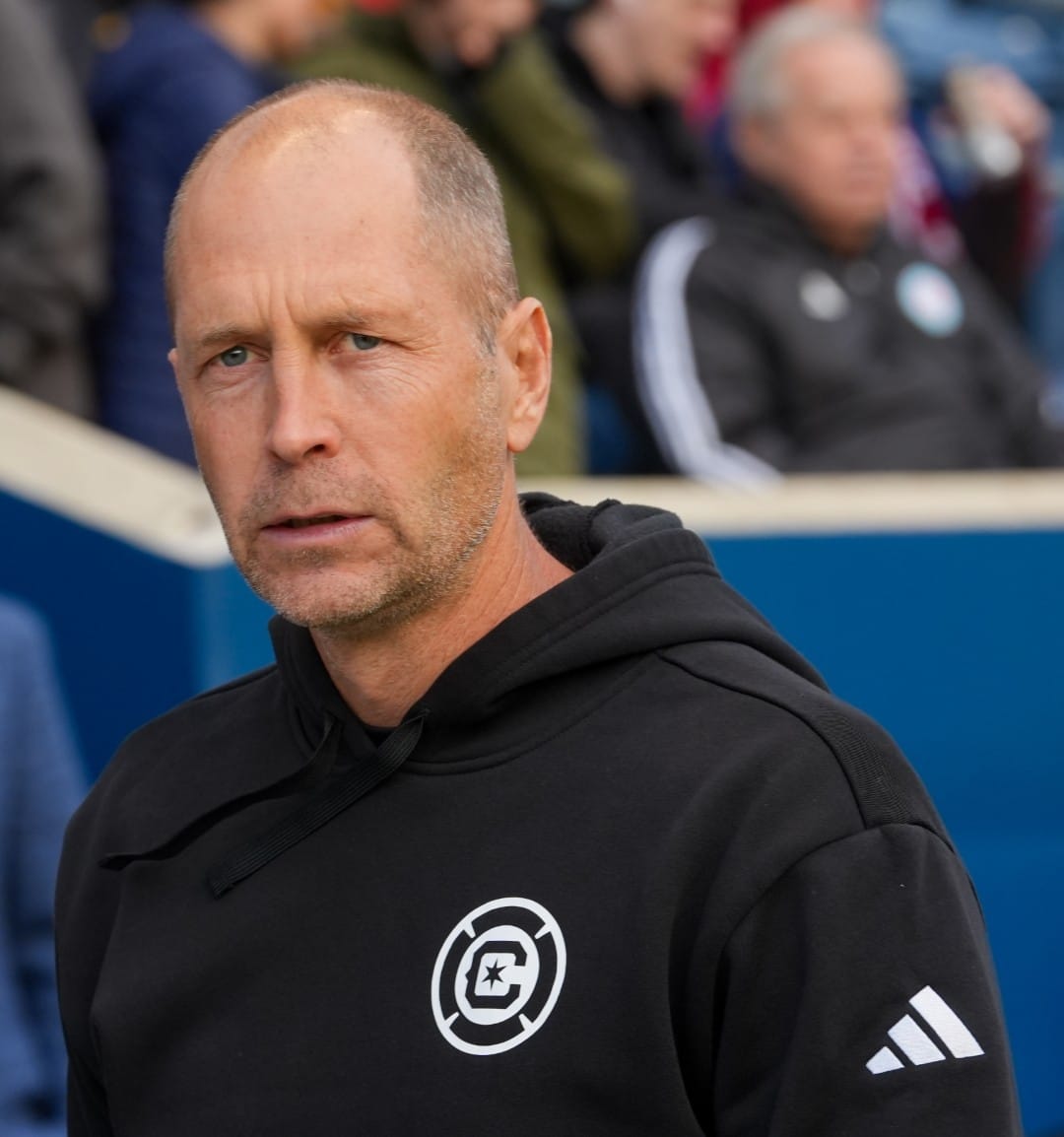
As for the second point Berhalter made, about “letting ourselves down in crucial situations?” Well, if one of those situations is a giveaway off a goal kick, then you might have played well enough to win, but you also haven’t played to deserve a win.
And this time, it cost the Fire.
At a tactical level, one of the issues of the night was the Fire’s inability to translate pressure and possession into legitimate chances. That’s partly down to personnel – a true no. 10 the team believed in, even as a bench option, could have been incisive here, because without that, all the possession and control that Sergio Oregel, Mauricio Pineda and Anton Salétros were able to establish in the middle of the pitch is for naught – and partly down to how the guys on the pitch played.
Salétros was playing in a more advanced role than we’ve seen him in with the Fire, and he looked good – but he was playing more of a “free no. 8-with-no. 10-elements role” than he was a true no. 10. Part of that is the job he was asked to do, and part of that’s just the player he is.
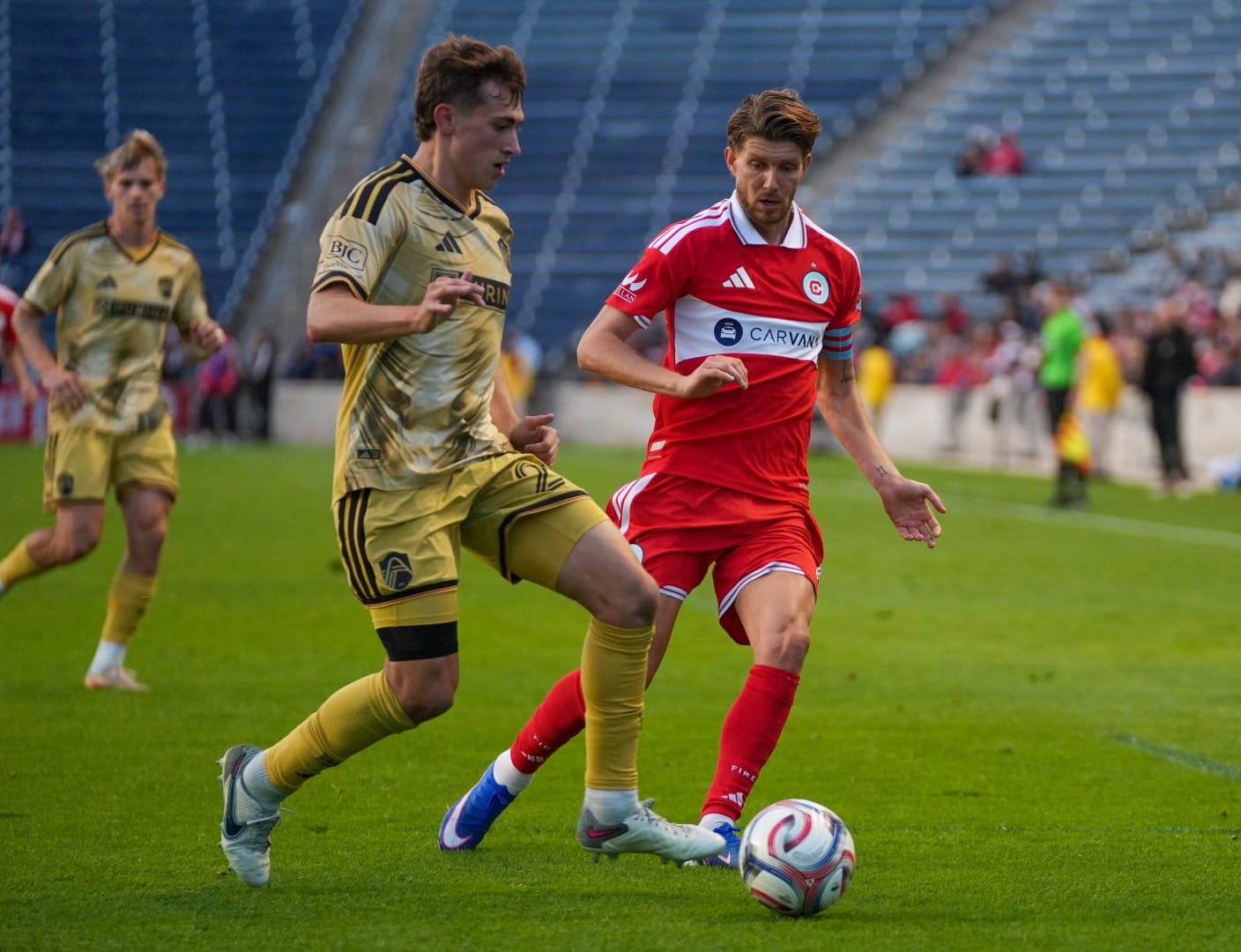
Despite that, however, the Fire had the talent to be the better team and get the win at kickoff. That was true at kickoff. It was true after Salétros and Cuypers were subbed off for Jason Shokalook and Robin Lod. And it was true at the final whistle.
Despite that, for the third time this year, they were on the losing side of a score line.
It’s a good reminder that if you don’t finish chances and put games away when you’ve got pressure on your opponent, you won’t always walk away with a win.
2. The Magic of the Cup doesn’t just cast itself
I’m going to start this off with a disclaimer: This is not a criticism of any of the people who showed up for the game last night. The crowd at SeatGeek – announced at 3,426, in reality, well, likely not that many – was energetic, boisterous and, frankly, louder than any crowd of that size has any right to be. It’s also – maybe paradoxically – not a criticism of those that didn’t show up for those that didn’t show up for the game on an individual basis.
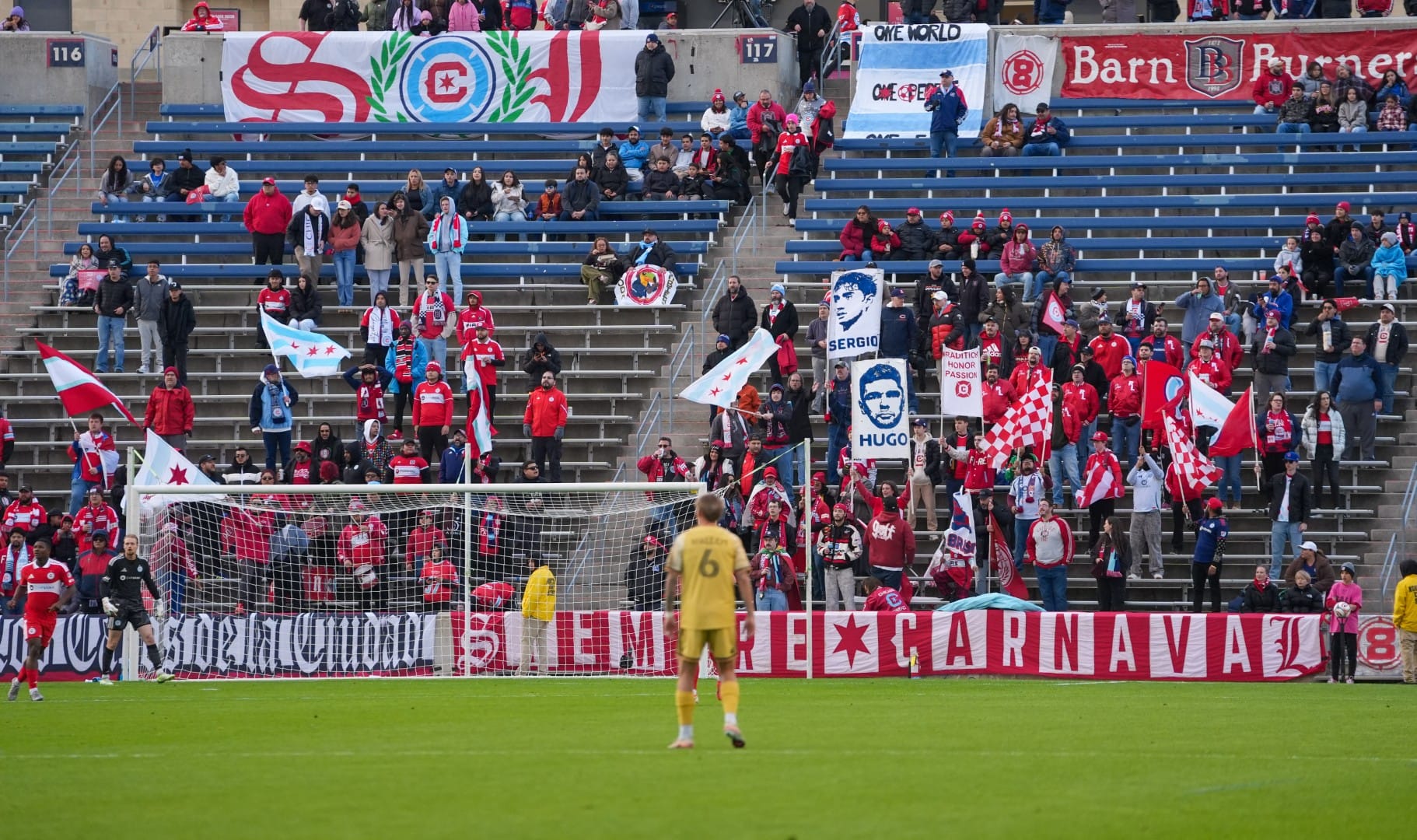
As good as the crowd – again, adjusting for size – was, the atmosphere in Bridgeview on Wednesday was notably different from the atmosphere at Keyworth Stadium for the Fire's first Cup match of the year.
Part of it is venue size: Keyworth felt close to full; even the world’s greatest optimist has to admit that SeatGeek looked mostly empty.
Some of that is inevitable when comparing a lower division team hosting a team from the top division. It was Detroit’s third time in their history hosting an MLS team. All three were Midwestern opponents (the other two were the Columbus Crew and Minnesota United), but it was the first time that Detroit hosted Chicago, a city that has a closer sports rivalry than either of those other two opponents.
So yes, Detroit’s fans were up for it.
But Chicago should have been up for it too! For the first time since St. Louis City entered the league, the Fire were denied an opportunity to face their Midwestern rival that’s the second-closest by distance but nearest by spirit (did you know Cincinnati is about 50 miles closer to Chicago than St. Louis is?). Chicago and St. Louis the kind of heated rivalry that cities that are tied together economically and geographically can.
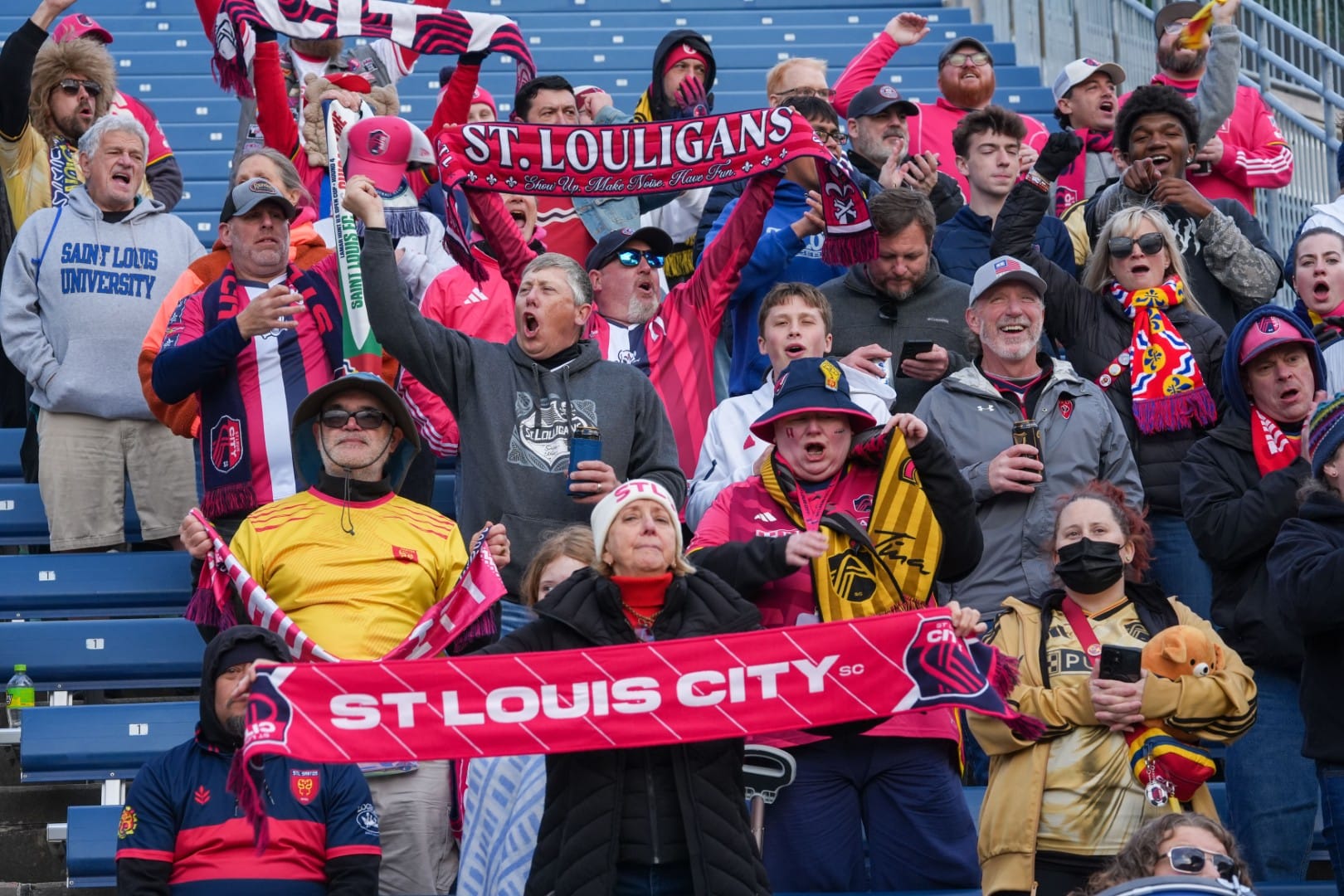
Again: I don’t blame the fans who showed up (for obvious reasons) nor the ones that didn’t.
Here’s a little knowledge about the way the business of sports works that I’ve picked up: Very, very few events sell themselves. Late-breaking news that Son Heung-Min’s first game after moving to the United States would be against the Fire was enough to move tickets at SeatGeek Stadium. A midweek matchup against St. Louis wasn’t.
Teams have entire departments devoted to selling tickets. They do everything from cold-calling to creating advertising and putting it in front of customers. In MLS, however, most are technically MLS employees, and they aren’t currently tasked with doing that for U.S. Open Cup games.
The fact that the people who normally sell things like ad and sponsorship space for the Fire don’t do it for the team’s Open Cup games was evident by the lack of ad boards on the perimeter of SeatGeek. The Open Cup competition guidelines say that for this round of the competition, the majority of that space – if the Fire had elected to have ad boards – would be available for the Fire to sell, with a portion reserved for U.S. Soccer’s sponsors.
They didn’t sell them, and so they weren’t there. It’s fair to criticize coaches – and that includes Gregg Berhalter for this one – for the squad rotation they do (or don’t) for Cup games.
On an organizational level, however? Good crowds require marketing. And sales. And a lot of things. Neither the fans nor even the Fire are really at fault here (and many of the people working at the team are as passionate about the Cup as anyone). The problem is at the top: MLS has decided that putting effort (and investment) into the U.S. Open Cup isn’t worthwhile.
U.S. Soccer, meanwhile, has started investing more time and resources into marketing the Cup. It’s still early, but they’ve been able to nag more sponsors than the Cup previously had, and as a result, although they haven’t been able to significantly increase the prize pot, they have been able to subsidize travel for amateur and lower-league sides – including in the qualification stages. It doesn’t solve everything, but it’s a start.
And it would have been a much better start if MLS had been willing to, literally, play ball: I’ve heard from people I trust at the fed that the competition as about to have a much richer TV deal than what we’re seeing now – until MLS made it clear that they’d come up with any excuse to make sure that Lionel Messi, the most marketable star the sport has seen, would not feature in future editions.
Because of that, Messi, who has featured in 80 Copa del Rey matches and two in the Coupe de France over his career, has just one appearance in the U.S. Open Cup – a shootout loss against FC Cincinnati back in 2023, coming just three days before his first MLS league appearance.
MLS and U.S. Soccer used to be too commercially interdependent in the days when Soccer United Marketing, an entity controlled by MLS, handled the commercial interests for U.S. Soccer.
Now they’re not, and some of the growth in sponsorship money since the breakup shows why U.S. Soccer felt the need to strike out on their own. But MLS’s unwillingness to meet the fed halfway with stuff like marketing this competition just feels like sour grapes, and it’s the Magic of the Cup – one of the oldest organized soccer competitions in the world – that suffers for it.
3. Now, the Fire get to decide what kind of year 2026 will be
Almost exactly a year before last night’s loss, the Fire had what became, in retrospect, a season-defining result when the team fell 7-2 to Nashville SC. It was the first time in team history that they’d allowed seven goals in a match, and it was the match no. 5 in what became a six game winless run for the Fire.
Going into Nashville for that one, the Fire’s most recent victory was more than a month in the rear view mirror, when a trio of wins on the road briefly gave the team a winning record. The team had managed a 0-0 draw to Inter Miami over that stretch, but at that point, there were real questions about the team.
The team took a brutal loss and somehow used that result to turn things around: although the Fire’s next game ended in a scoreless draw after Chris Brady was sent off, the team showed real backbone in keeping a clean sheet in Jeff Gal’s first, totally unplanned, MLS appearance and then went on a four game winning streak (including two victories in the Cup), finally looking like a playoff team in the process.
This loss wasn’t nearly the magnitude of the 7-2 pasting the team received in Nashville, but the expectations around this year’s Fire are much higher than they were last year.
In 2025, making it to the postseason was the goal. In 2026? That isn’t enough.
You can quibble with any number of things – the squad rotation from Berhalter, the pitch quality at SeatGeek, the choices (and lack thereof) made by the referee throughout the game – but at the end of the day, the Fire put out a squad that was good enough to win against a work-in-progress St. Louis City team and came up short.
That's a lesson-in-waiting for the Fire, who are now good enough to beat pretty much any opponent on the night but not good enough to be able to rely on that fact to get victories.
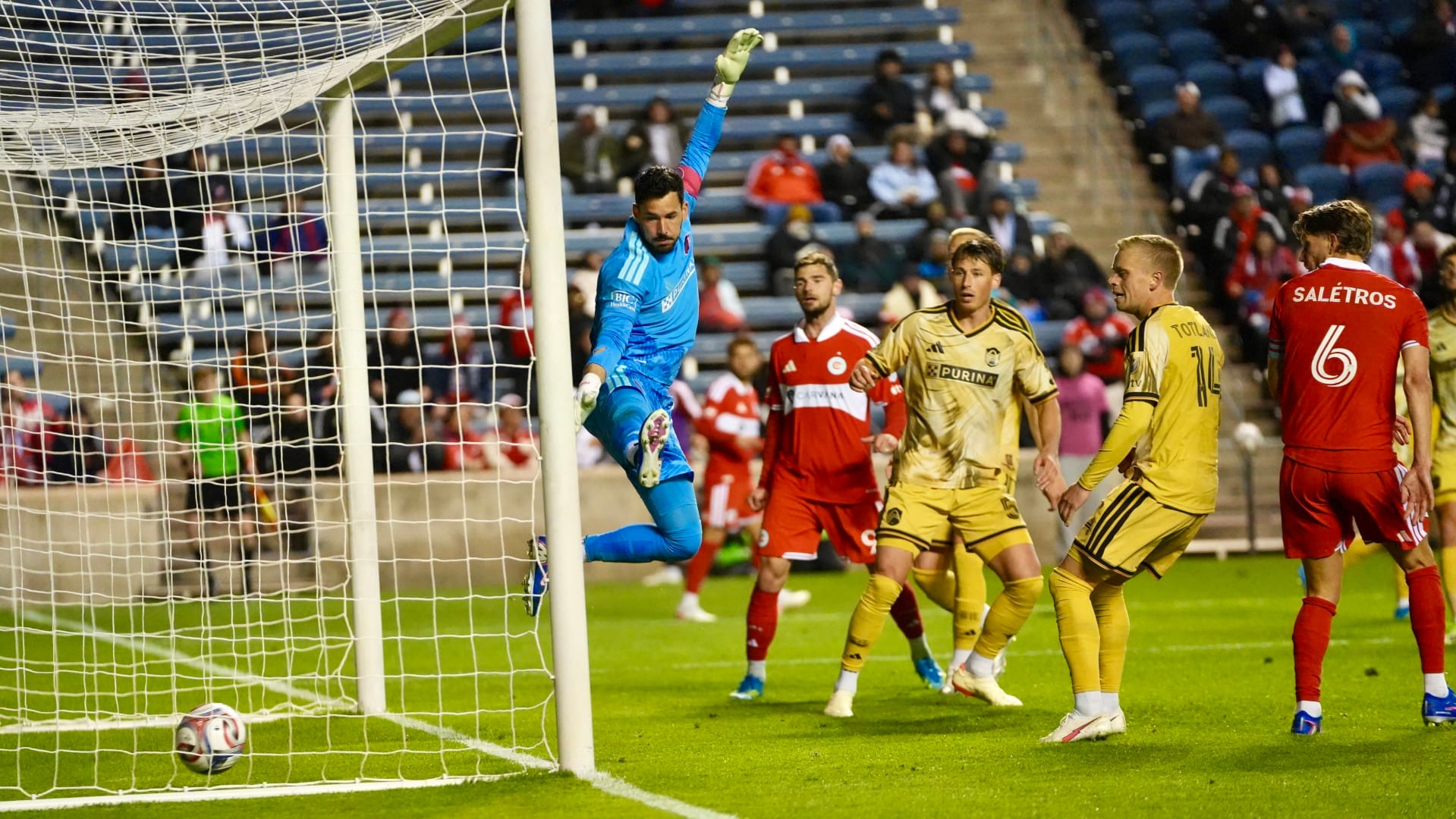
This morning, the Fire need to look themselves in the mirror and ask themselves who they want to be. They could settle to being a good-but-not great playoff team – say, finishing somewhere between fourth and seventh in the East – and it’d still be a step forward. But even if all the pieces haven’t fully snapped together, the team is leaving big hints that they can be something greater.
It starts Saturday. Asked if he felt the team had unfinished business against FC Cincinnati after the team saw a late lead evaporate by the final whistle when the teams met two weeks ago, Salétros said that they were “hungry” for the rematch. “We had three points against Cincinnati and they slipped through our fingers. We are very eager to play them at home again and to keep pushing.”