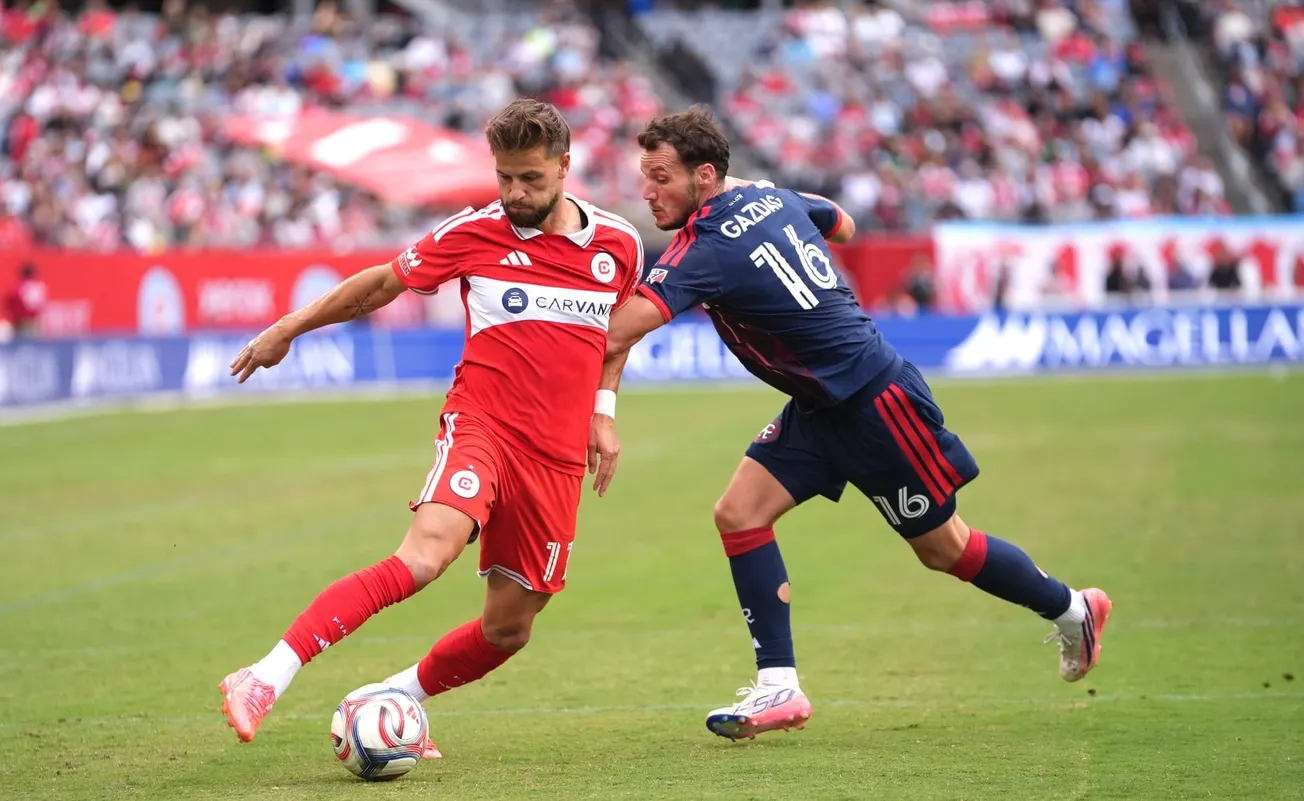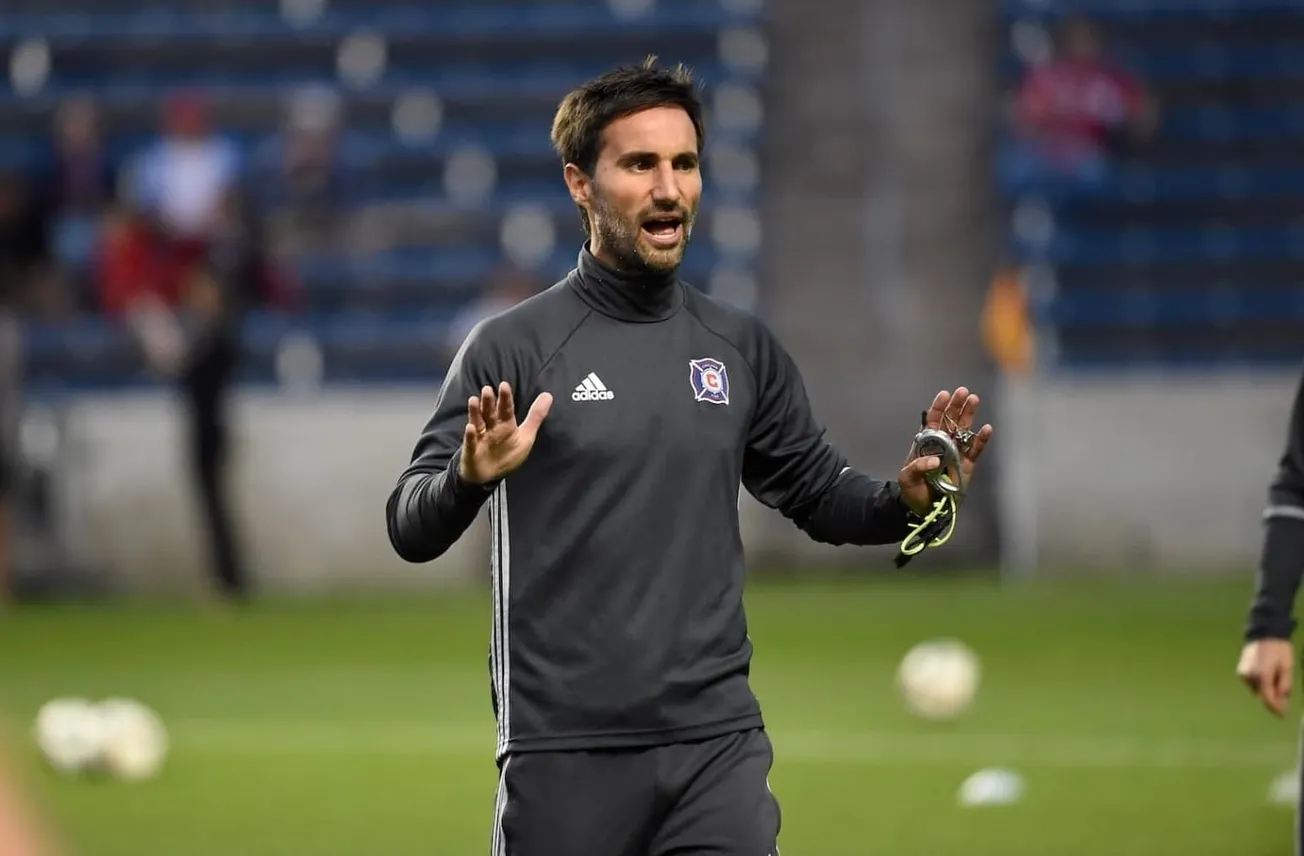

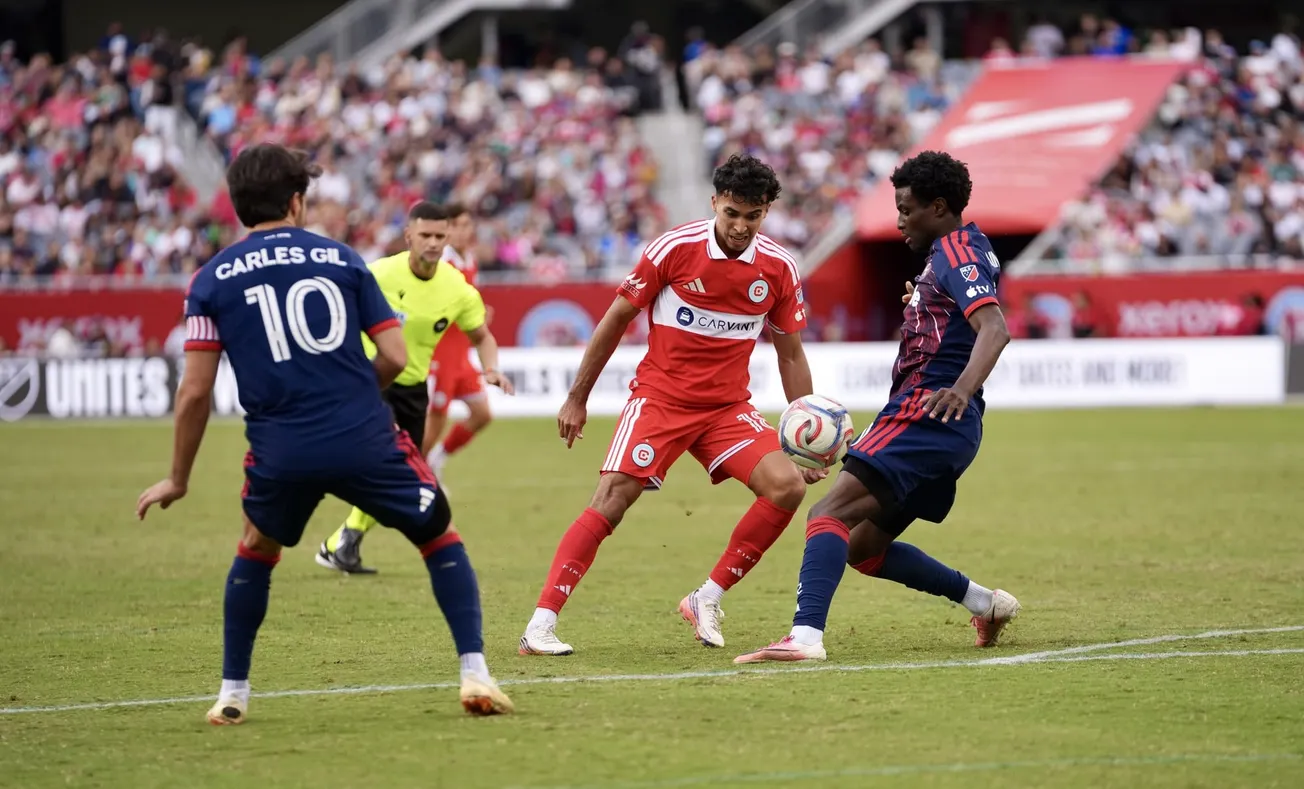
The Fire’s undefeated streak is finally over at the hands of a 2-1 loss to the New England Revolution in their last home game this month.
The game was very much a reminder that the Fire are a team in transition, just as they were at the beginning of the season, when the team struggled to find ways to consistently create without André Franco available in the midfield.
Here’s what we learned in the Fire’s first loss at Soldier Field since May 9th.
Marko is a great head coach in this league
In Marko Mitrović’s first year in the dugout of any senior-level team as a head coach, he’s had the Revs performing significantly above expectations.
That’s surprised many around the league, but probably people in Chicago less than most other places: Mitrović has deep connections to the Fire organization, having been an assistant for a number of years, and to Gregg Berhalter, who was leading the senior national team while Mitrović coached at various levels of the youth set up.
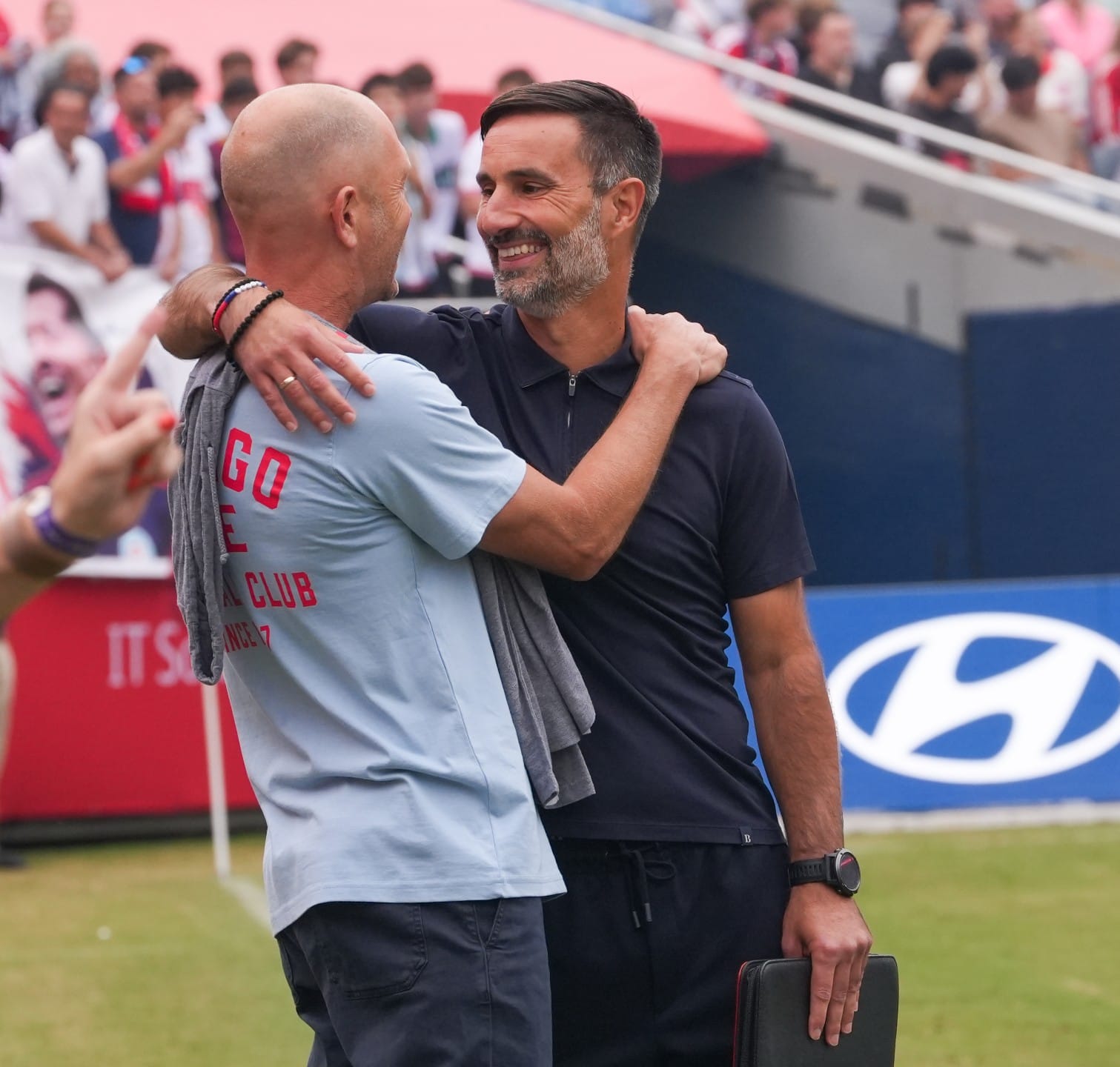
Maybe because of this, he had the perfect game plan against the Fire. Overall, it wasn’t overly complicated: The Fire have been scoring by controlled entries into the box, typically from wide areas, while the Fire load numbers in the box centrally.
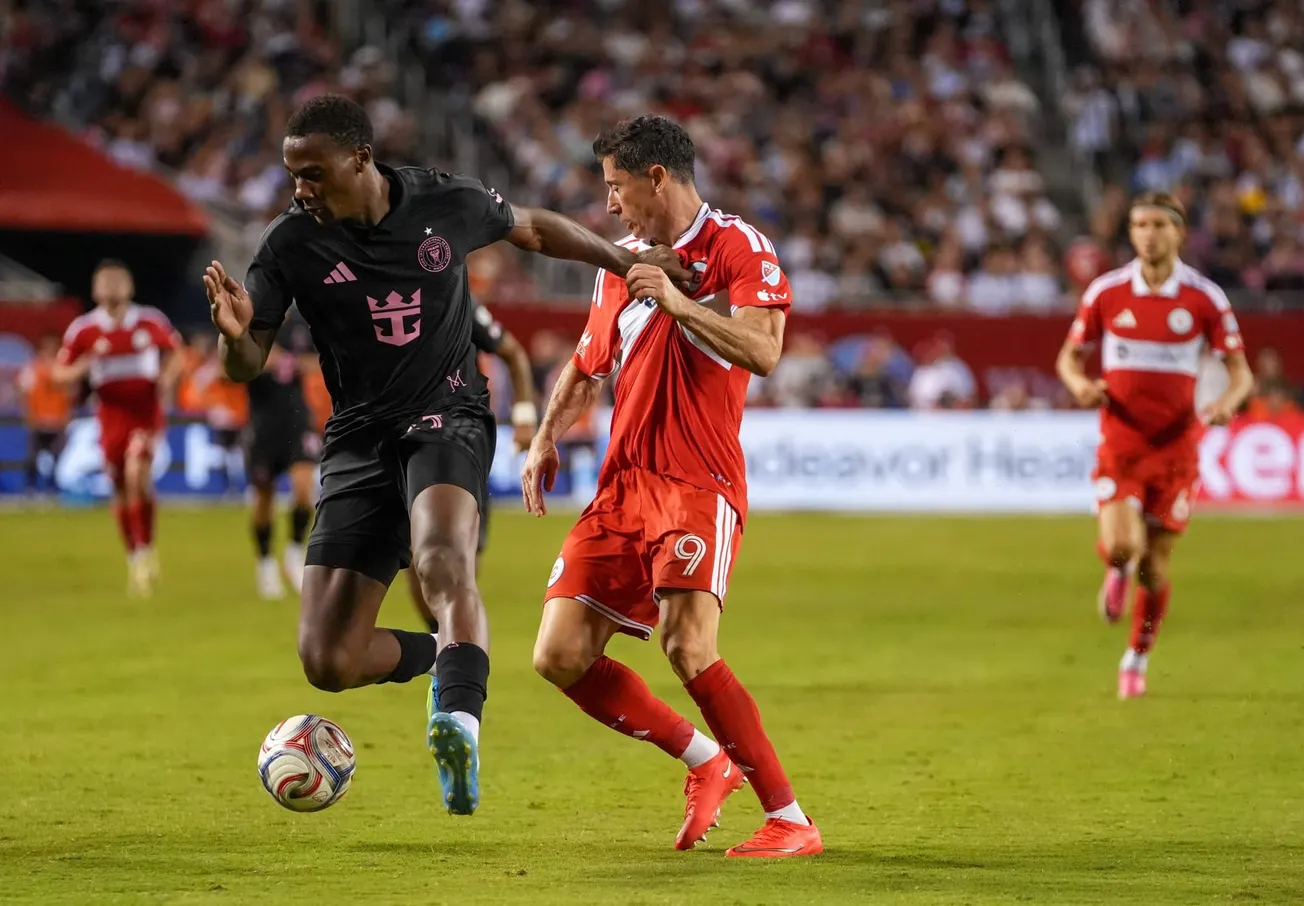
One of those numbers for the Fire has been “9” and for the Fire, that number is now worn by a guy named Robert Lewandowski. Teams have been double- and sometimes triple-teaming him in the box, which is a smart thing when you’ve got a guy named “Robert Lewandowski” in the box and you play for the other team. But sometimes this doesn’t work! And he’s able to get free, or get a second look at a shot, and also, if you are putting that many numbers on Robert Lewandowski, they won’t be on someone else, giving them time and space to operate.
So what did Mitrović do? He put a couple guys wide and then just loaded the box. Completely. Not infrequently with 10 of the 11 players that the Revs had were either in the penalty box or just outside of it, complicating entry by the Fire’s attackers.
That’s more or less the only real estate the Revs controlled in this one – their own box. Everything else, the Revs were willing to concede to the Fire, by design.
That’s why the Fire were able to dominate most of the things they try to dominate when they win – possession, shots, passes into the final third, touches in the opposition’s box. The field tilt in this one was 82-18 in favor of the home team. Possession 61-39 in favor of the Fire (71-29 in the 2nd half – again, showing that once they were ahead, the Revs really didn’t think they had much use for the ball) Shots? 22 to 4. xG? 1.95 to 1.26.
The Rev’s last shot of the game ‒ not shot on target, shot ‒ was the goal in the 47th minute. Even when the Fire scored, once again making a game of it, the Revs weren’t getting anything going forward.
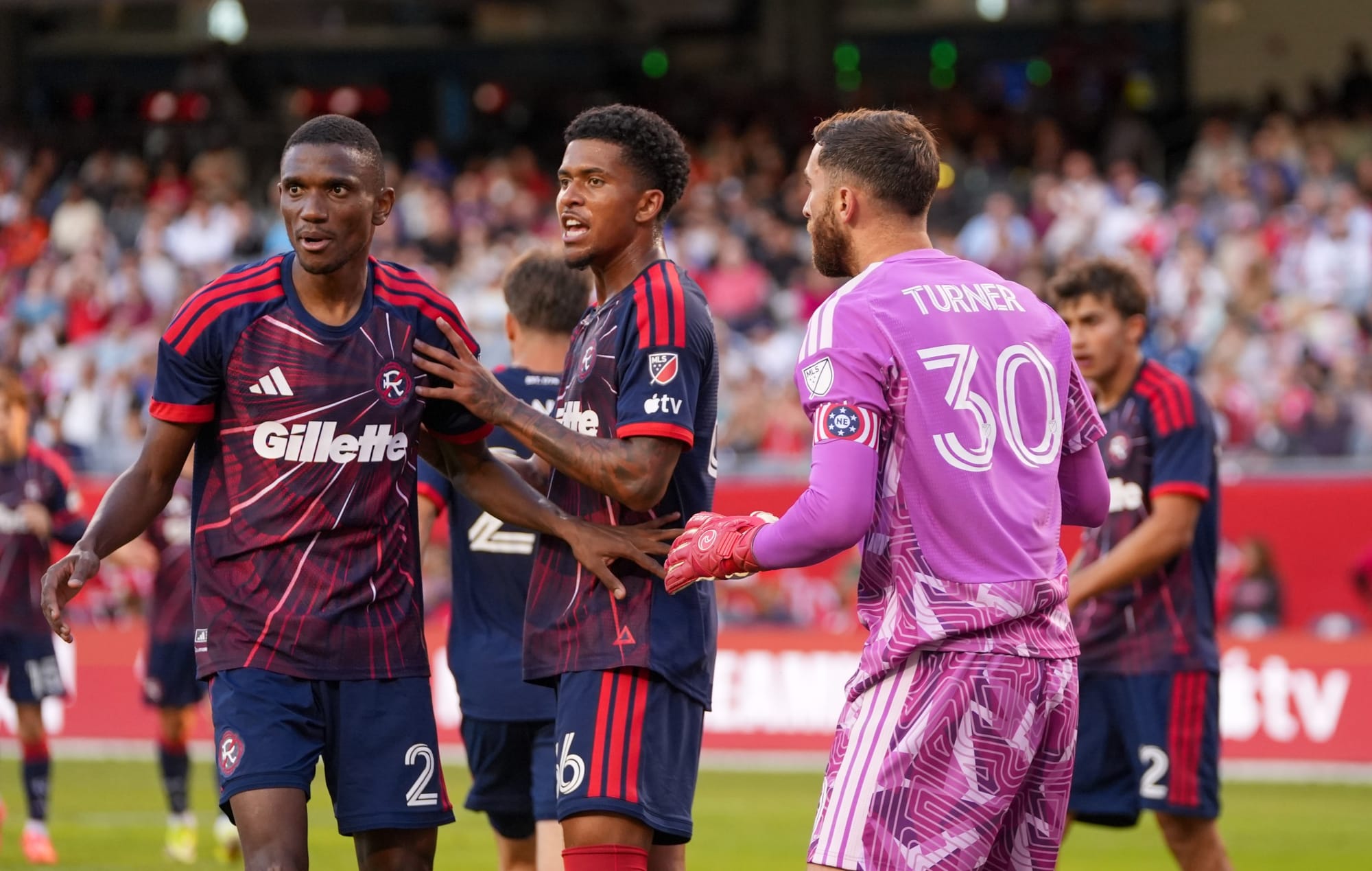
But by the eye test, it didn’t feel like the Fire were dominant. They were, maybe, the better team through 90 minutes but were helped out pretty significantly by the best goalkeeper in the league: between Zinck’s header in early in the second half and Lewy’s header late, with the way those were hit, at least one would be goal against almost every keeper in the world.
But it still didn’t feel anything like the kind of dominant outing that those stats – the stats that the Fire normally dominate when they win convincingly – suggest.
Did Marko cook?
Yeah, kinda. But it’s more accurate to say that he let the Fire cook themselves.
We can see why the Fire reinforced at CB
.. but they maybe should’ve tried doing it sooner. After the Fire’s draw against Seattle, I was pretty high on Sam Rogers’s performance, because it was the best that we’d seen him in a Fire uniform.
And in a take that I’m sure will not be great for my DMs, I honestly don’t think he had a terrible game in this one. Yes, he was the last man back and didn’t prevent the Rev’s opening goal. But he also had a clean, if imperfect, tackle in a situation where, if he didn’t, he’d have been looking at a red and a penalty. But his limits were clearly on display, both against the Revs and in his last appearance against Toronto.
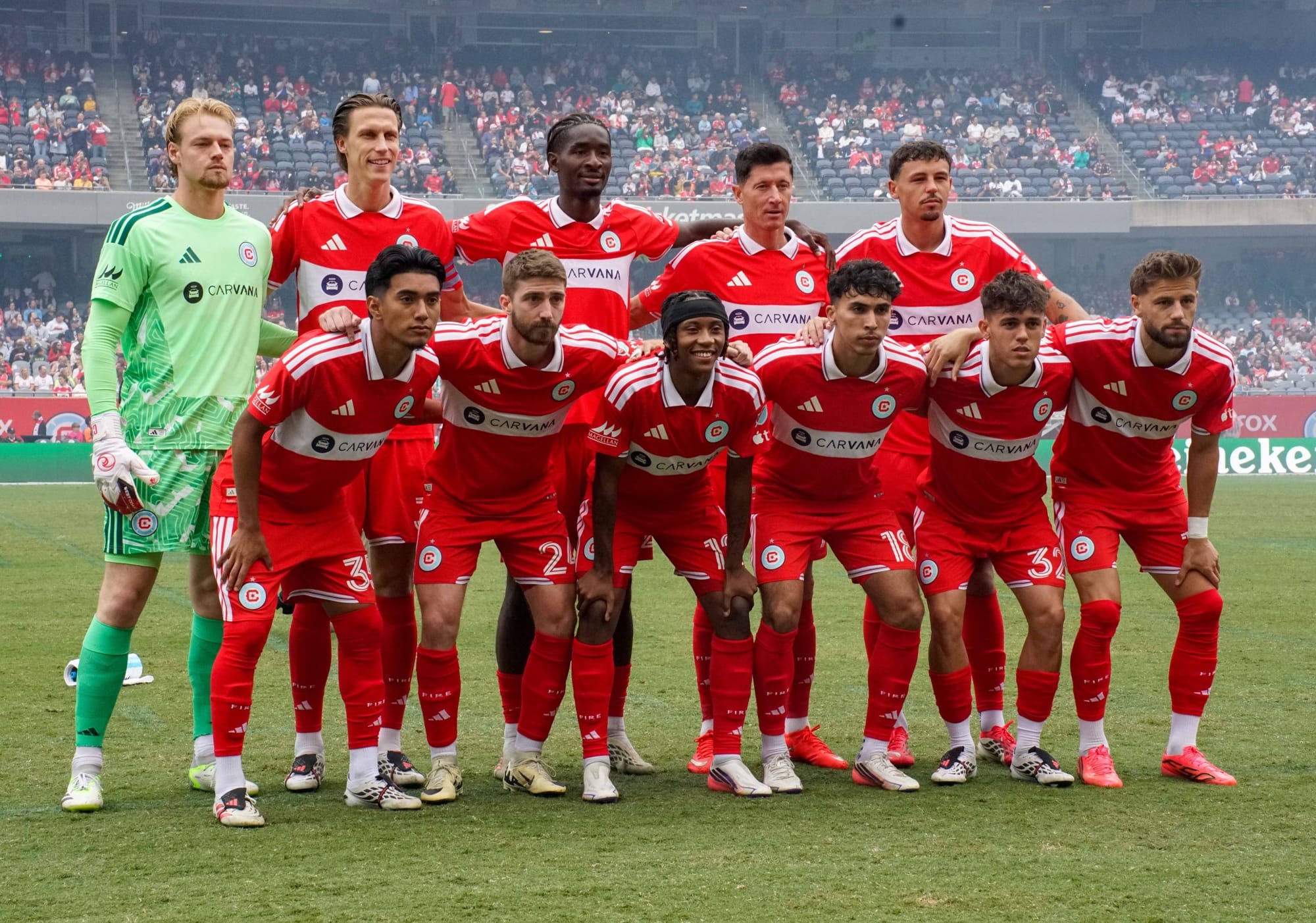
That’s why, for his second appearance in a row, he was taken off at half, giving the spot to Noah Allen (who in this one, was already on a yellow by the time he moved over, a sign of how thin the Fire are at that spot until Andreas Hanche-Olsen arrives and/or Mbekezeli Mbokazi is healthy.)
Allen started this one at left back, giving Andrew Gutman a rest. In his first start at his preferred role with the Fire, he was… ok, but he really didn’t give the Fire the kinds of verticality that Gutman does, and didn’t do nearly the kinds of off-ball movements that Gutman does.
I don’t know what Allen was told about his role in Chicago before coming here. It might well have been that he’d have time at fullback. But based on what we’ve seen, and the Fire’s needs, I think we’ll be seeing a lot of him playing at center back over the next few weeks, at least until reinforcements arrive.
…And in the midfield
Anton Salétros wasn’t available in this one, just the third time this year that that’s been the case for the Fire (the other two were games in D.C. and Montréal back in May; he also didn’t start against the Red Bulls last month, the only time where he’s been available and didn’t start).
Without Salétros in, the Fire lost structure far too easily. That was a factor behind both goals that the Fire conceded, but Berhalter cited it specifically in the second one, saying “If we lost shape, Sergio [Oregel Jr.] was in the back line building up. We move up, they open up space, and they play a direct ball, which we shouldn't give a goal on. But it was maybe a lack of shape at that moment.”
In the recap, Alex said the Fire played a “4-2-4” shape, but that isn’t really any more accurate than calling it a 4-3-3: Djé D’Avilla and Sergio Oregel Jr. both had different jobs in the midfield, as did Johan Gómez. Sometimes, yes, that was to push up and act as a second forward (as happens in a base 4-3-3 not infrequently), but generally, Gómez played a lot more like a midfielder than a second striker.
For his first serious minutes with the Fire, Gómez didn’t play badly. But he wasn’t giving the Fire what Anton Salétros did, and we know enough about Oregel’s game to know that he wasn’t likely to either. (In abstract, Oregel actually had a pretty decent outing; compared to the job he was asked to do, though, and really be the catch-all in the two eights that Gregg was playing, he wasn’t doing all the parts of the job description the way that Anton would.)
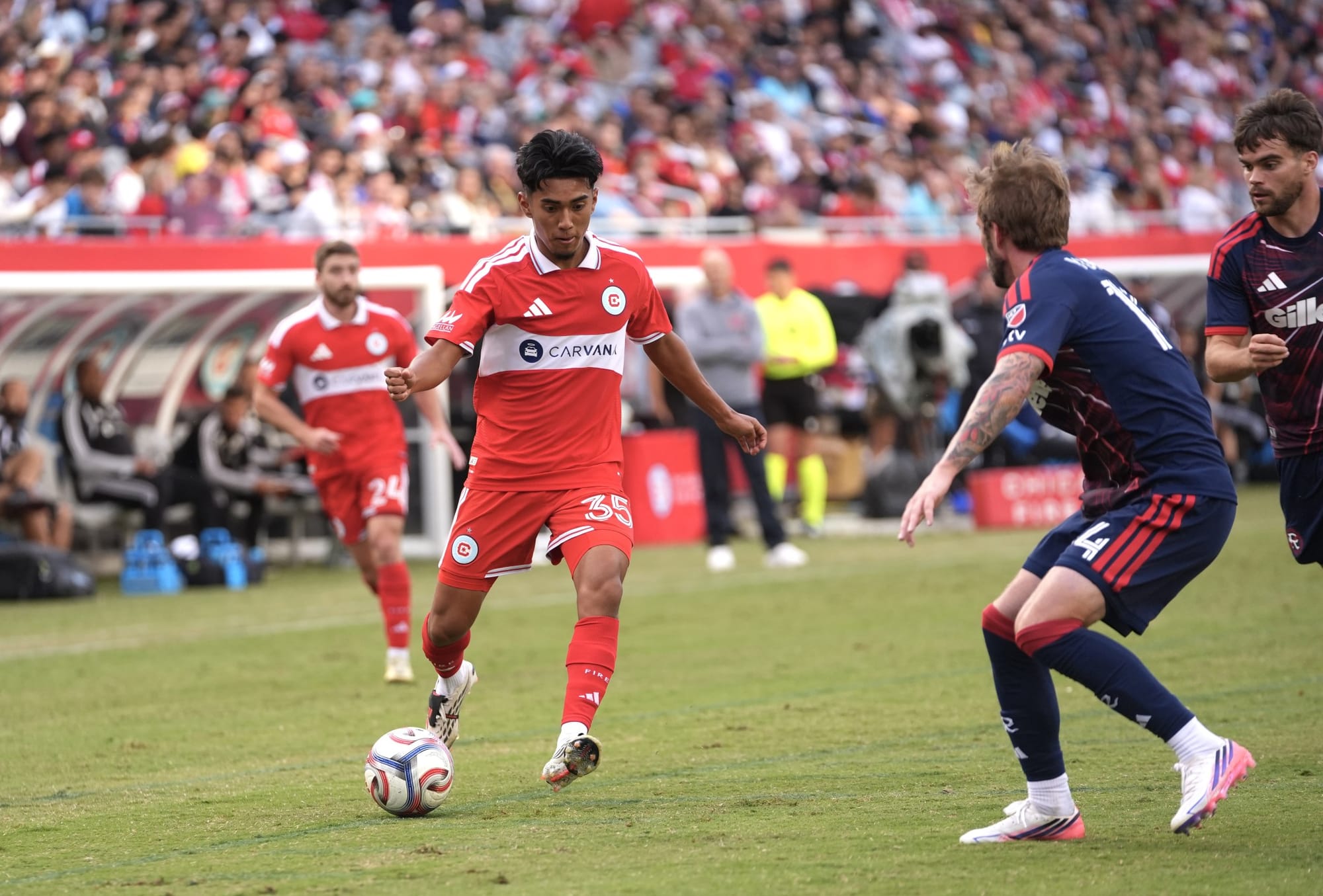
The Fire already have one starting midfielder out, with André Franco’s time out rapidly approaching a full year, and missing Anton Salétros gave the Fire fewer options than he’d otherwise have had.
I don’t know if Anzor Mekvabishvili is the answer: He doesn’t have a profile that screams that he’s a guy that can walk into MLS and look like a starter. But the Fire staff are high on what he can bring to the group, and I see why they wanted to reinforce there. If the team truly believes that Franco can come back and start doing the things he did before he left, he and Anton are probably the right profile
The Fire rotated too much
Speaking of bringing in options; Three players that came on in the 55th minute changed the game for the Fire.
One of those was a midfielder: Once Lod came on, the structure improved on both sides of the ball: the team was more incisive with balls into dangerous areas, and, even though the Revs didn’t express any real interest in going forward and trying to get a third goal, the rest defense looked better, too.
Early on, fans were frustrated with the things that Lod wasn’t doing – basically, being Philip Zinckernagel while Zinck was trying to be André Franco – but Lod’s quietly been a very good pickup for the Fire. He got an assist on Maren Haile-Selassie’s goal (we’ve talked a lot about Maren, so I won’t get into detail, past saying that he’s played as a winger, midfielder, and now, fullback on both the left and right hand sides in recent weeks and has looked pretty good doing all of it).
That brings Lod to one goal and one assist shy of his total last year with Minnesota, in just about 1,000 minutes fewer than he had in 2025. He’s played on the wing he’s played in the midfield, and he’s played second striker, and honestly, even if it hasn’t always been lights out (he’s been far less than perfect on the wing), he’s contributed in all of them.
Jonathan Bamba also got his first minutes in two weeks (incidentally, with Zinckernagel’s new deal, that also marked the first time that the Fire have had three Designated Players on the pitch in Berhalter’s time with the Fire), and even looked pretty good. He took one or two too many touches – that’s a byproduct of rust, his confidence being in a rough spot after the tough 2026 that he’s had, and a longstanding issue that, ultimately, is why he landed in MLS rather than spending his career at a team in Europe with serious Champions League ambitions.
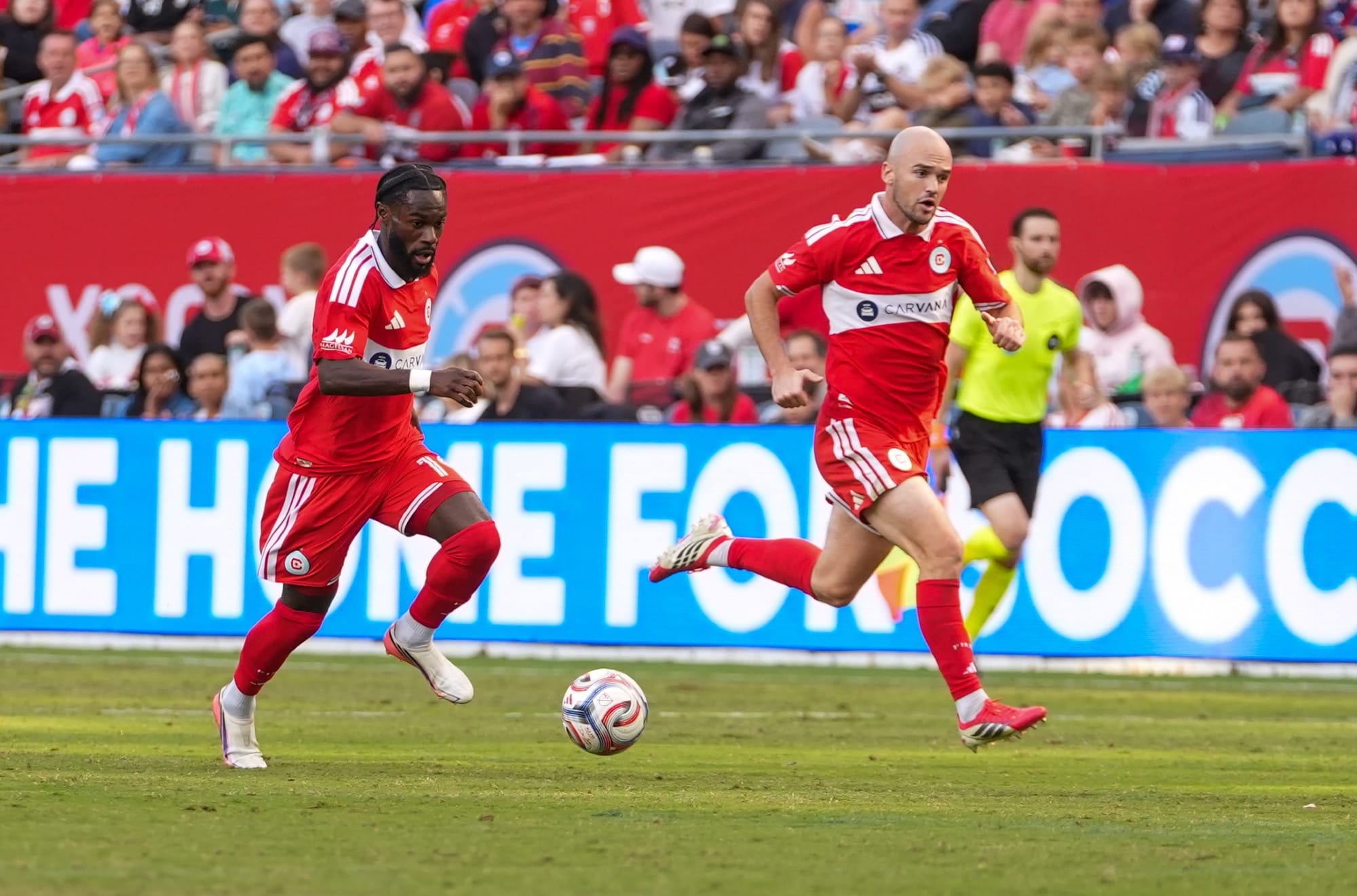
Sometimes, with availability, your hands are tied. Sometimes, you make choices to rotate.
The Fire’s core group has played a lot of minutes in the past two weeks, and while every coach will give a quote about “next man up,” the reality is, some players are better than others and you have to think that if Lod, Maren Haile-Selassie and possibly Bamba had started, it’d have been a different result.