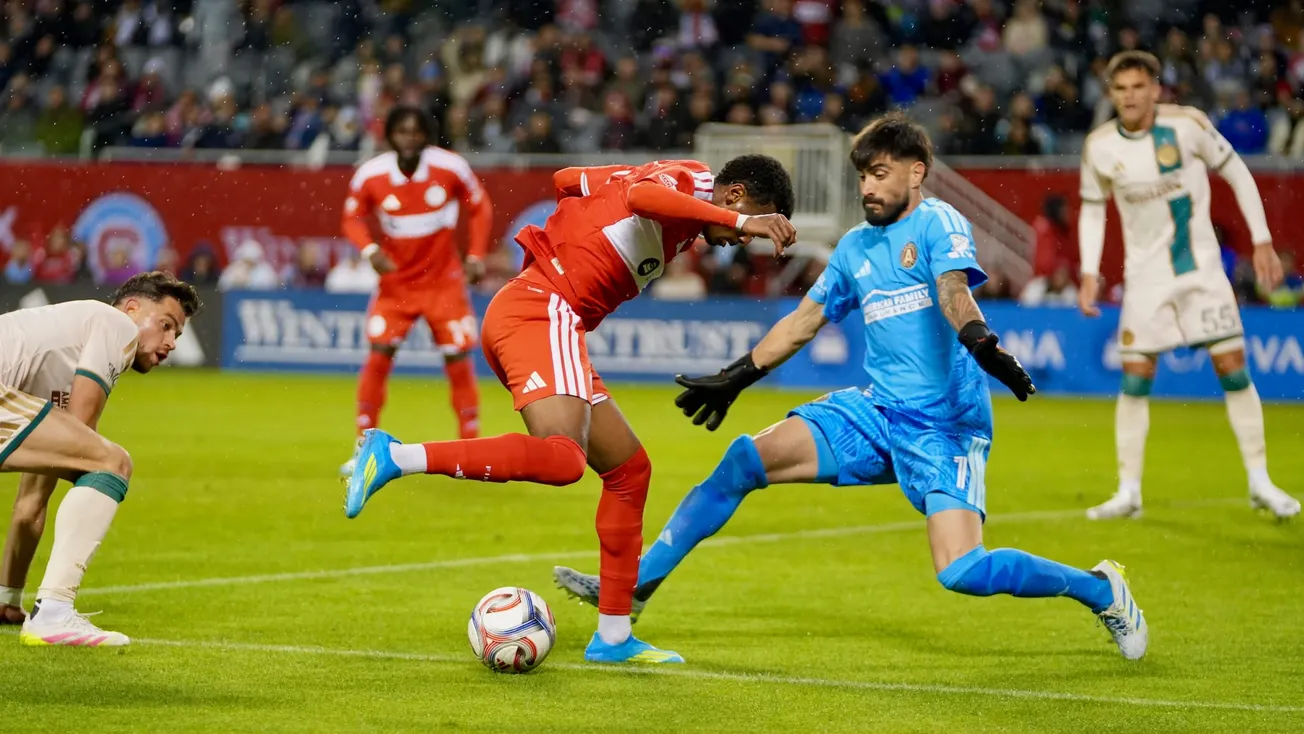

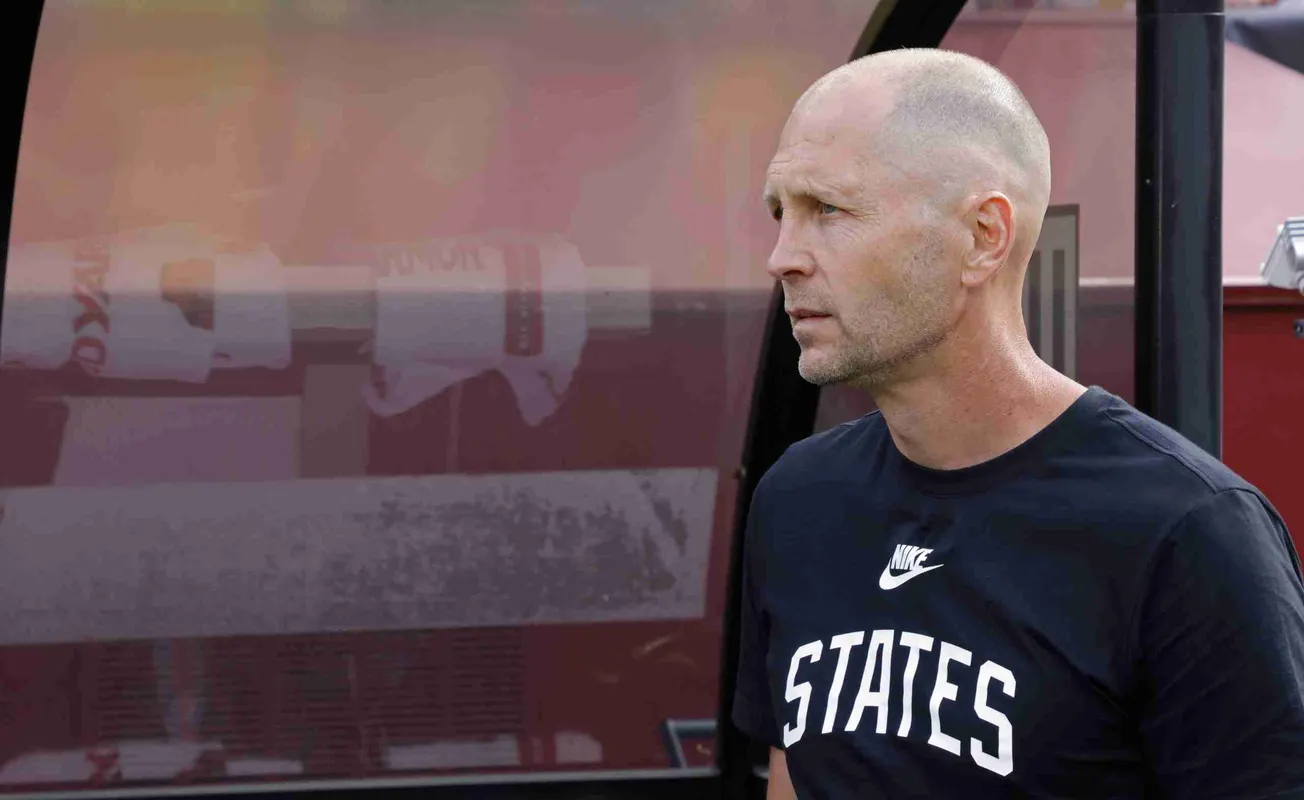
Gregg Berhalter’s arrival at the Chicago Fire this week has sparked conversation not just in the Windy City but throughout all of American soccer. The former U.S. Men’s National Team manager, who was ceremoniously fired following this summer’s Copa América embarrassment, is looking both to restore his own reputation and rebuild the perennially underperforming Fire into one of MLS’ elite franchises.
In Chicago, Berhalter will, admittedly, be under far less of a national spotlight than he was throughout his time with the USMNT. A huge reduction in outside pressure will accompany his move back into club soccer. However, in taking over a club with limitless potential in MLS, he has a huge opportunity to succeed and bring the Men in Red back to where they belong.
Both his successes and failures with the U.S. handed Berhalter an international reputation. Fans around the country quickly became familiar with his style and abilities. Here is what his national team tenure will tell us about what the Fire will look like in 2025 and beyond.
Steadying the ship
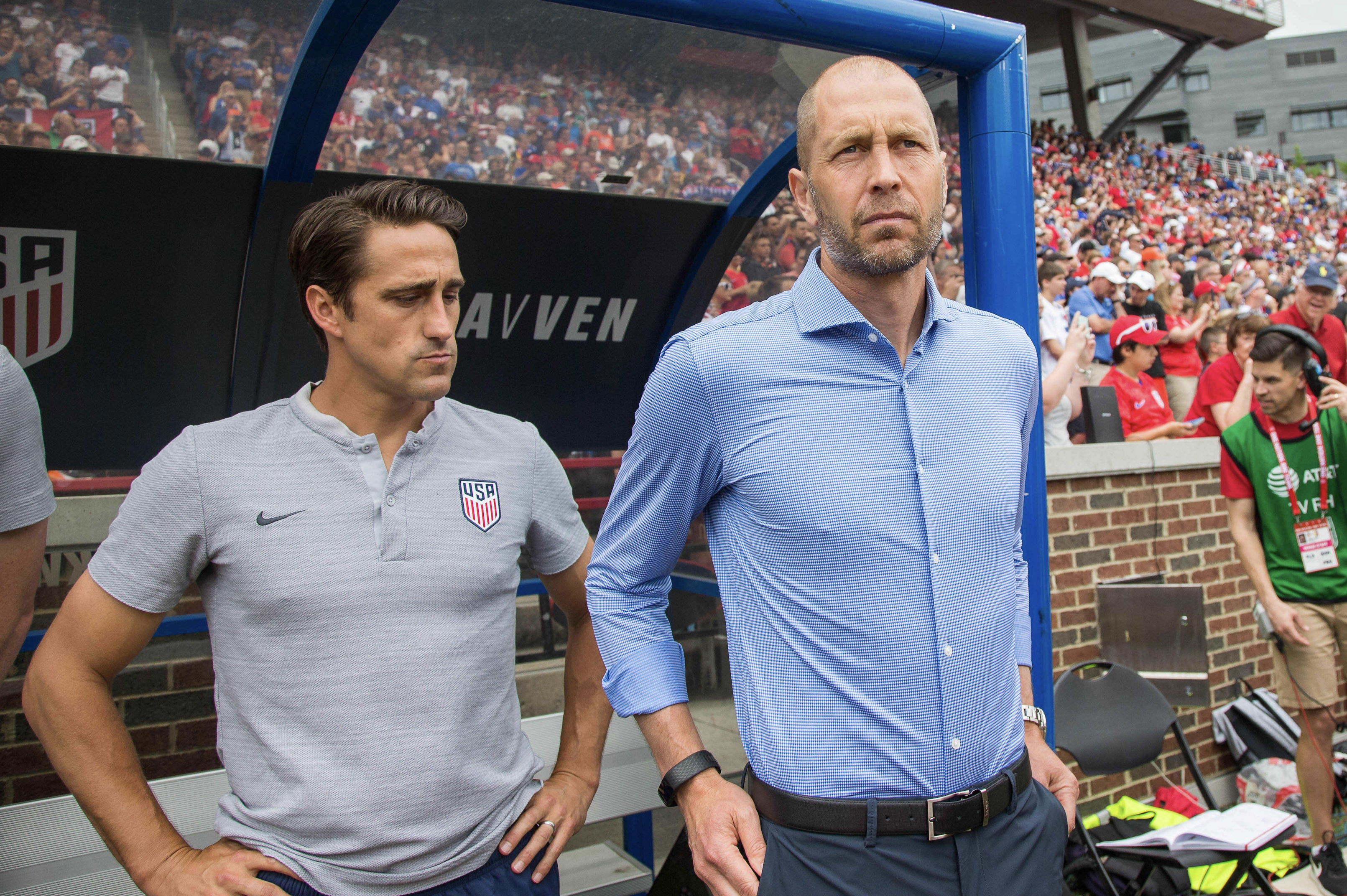
When Berhalter first took over the USMNT in 2018, it was not just in the gutter – it was at its lowest point of the last 30 years. Berhalter inherited a team that had failed to qualify for the World Cup for the first time since 1986 and was filled with aging veterans, often with no apparent successors from the so-called “missing generation.” Within seven months, he had guided the U.S. back to a Gold Cup final before eventually winning two trophies and qualifying for the 2022 World Cup knockout rounds.
Between his first camp in January 2019 and the Gold Cup in June, Berhalter quickly developed a discernable style of play. He preached a desire to “disorganize the opponent with the ball” and dominate opponents. After the COVID pause in 2020, his system evolved to a cohesive, possession-based 4-3-3, highly dependent on an energetic midfield three of Tyler Adams, Weston McKennie, and Yunus Musah – their high work rate and compatibility translated into steady improvement in 2021 and 2022, ultimately resulting in a U.S. team that was able to be competitive in the World Cup and a 0-0 draw with England.
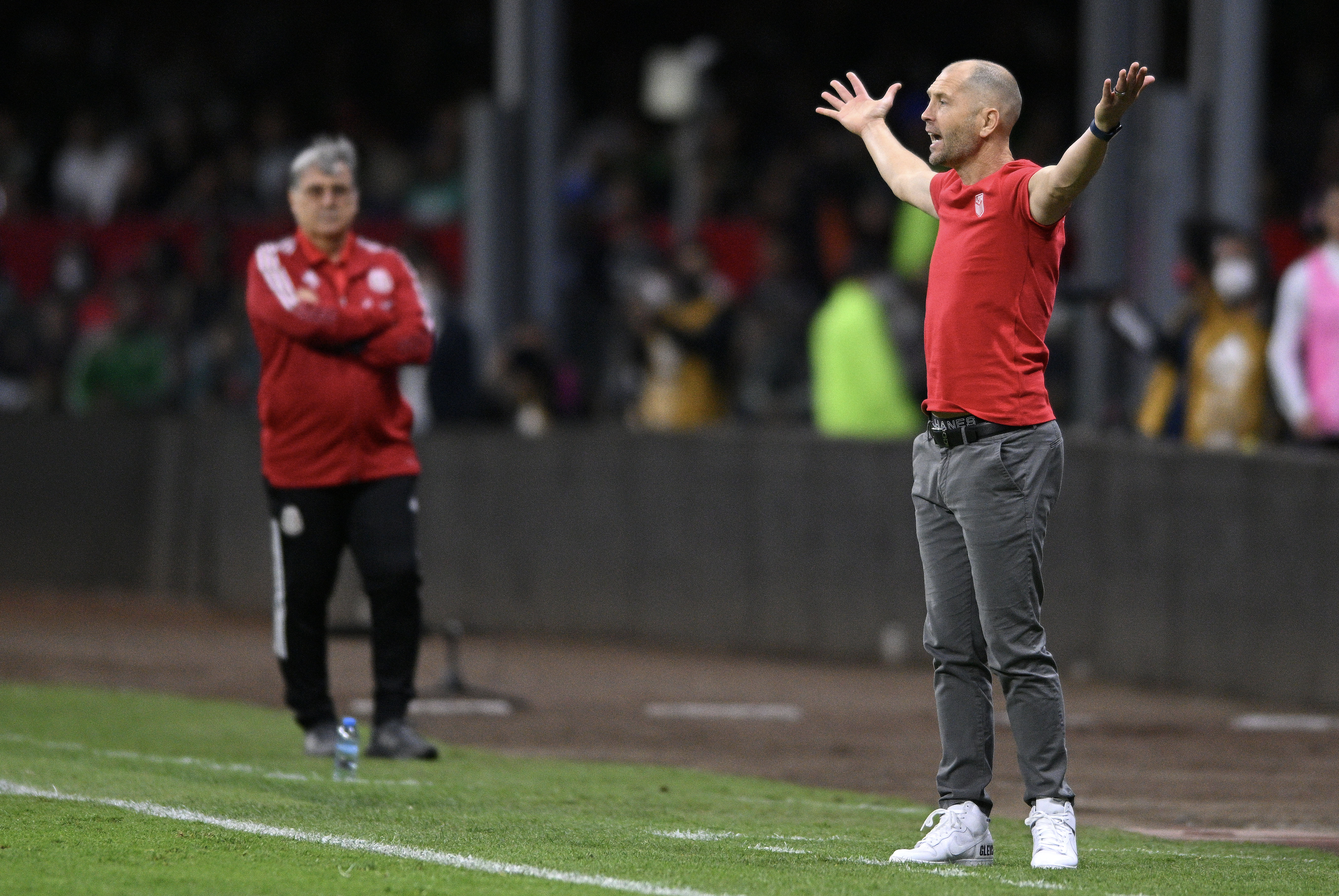
After the World Cup, an off-field scandal involving the family of Gio Reyna meant Berhalter was out of the job for a few months, but thanks to support from key players on the national team, he was re-hired in June 2023. His second period didn’t go nearly as well as the first – the U.S. drastically underperformed in matches against Germany, Trinidad, Jamaica, and Colombia before suffering a humiliating group stage Copa América exit at the hands of Panama. Berhalter’s second cycle also saw a change in system to a 4-2-3-1, with Musah largely dropping to the bench – the team was less cohesive on the ball, generally looked more complacent, lacked discipline, and was exposed for tactical rigidity, ultimately resulting in the Copa América failure and Berhalter’s ousting.
Though the Fire’s situation isn’t quite as dire as the USMNT’s was after the qualifying failure in 2017, it is pretty close to rock bottom. The Fire are on track to finish at the bottom of the Eastern Conference for the first time in nearly a decade, propped up in MLS only by a historically bad San Jose Earthquakes team. Berhalter will also inherit a squad with few true gamechangers and a roster construction that has not fully recovered from the disastrous Xherdan Shaqiri experiment and numerous transfer missteps over the years; he will have to build an on-field identity for a team that current have none.
Generational Shift
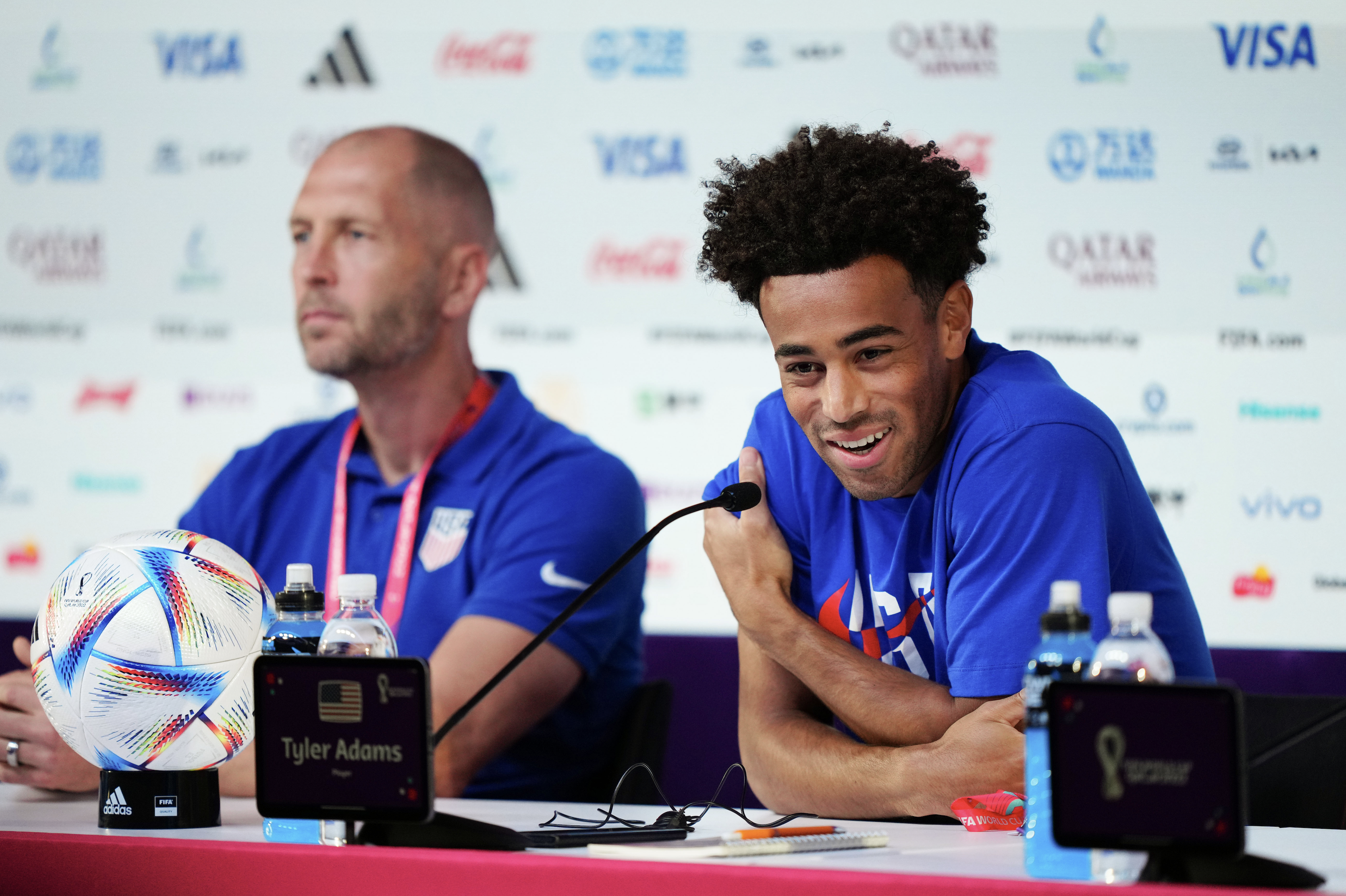
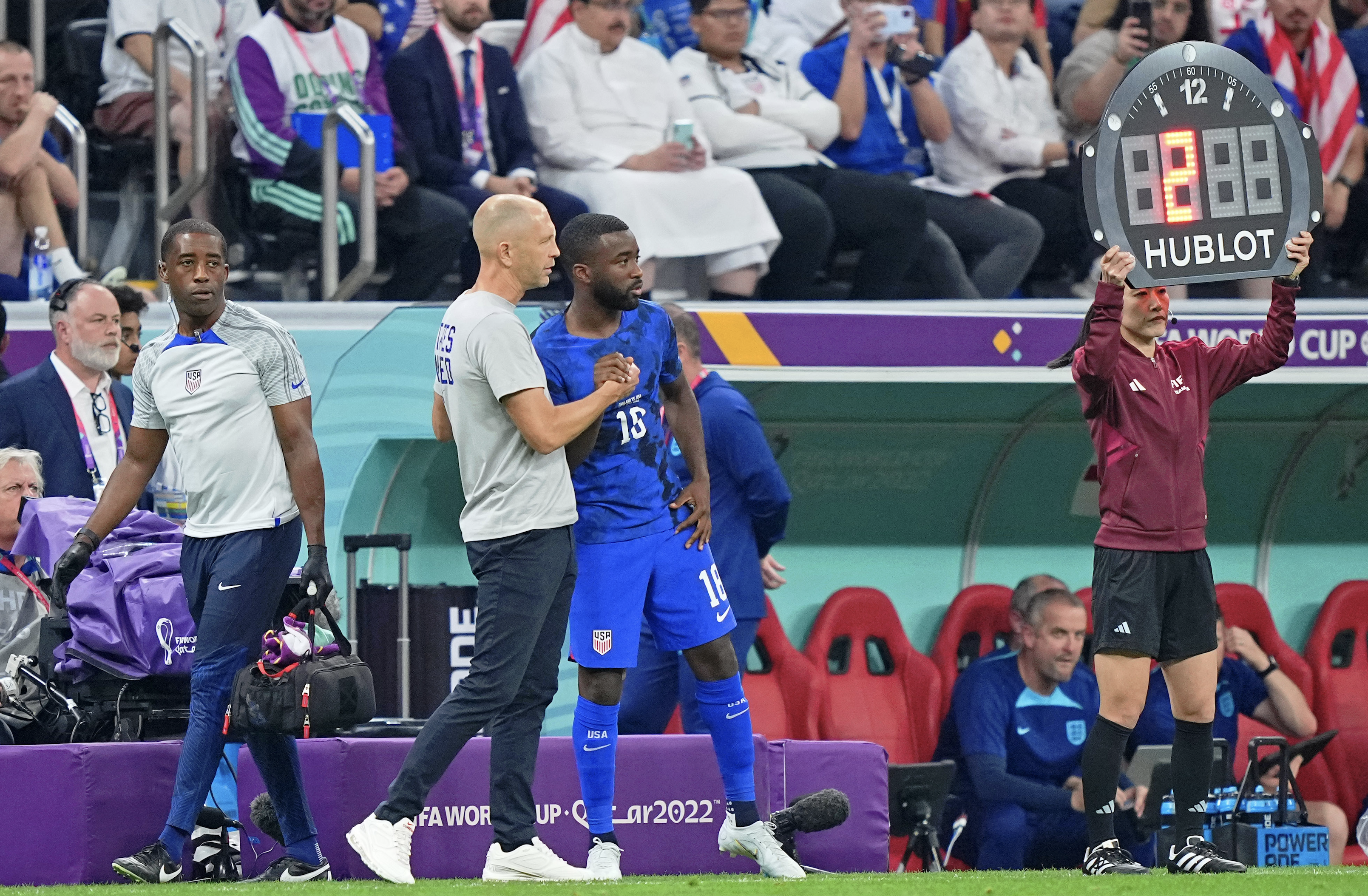
The team Berhalter took over had been the oldest in CONCACAF qualifying for the 2018 World Cup. By the time his first cycle came to a close, he was leading the youngest team at the 2022 World Cup in Qatar. Even with such an inexperienced group and a 23-year-old captain (Tyler Adams), the U.S. still performed well and reached the knockout stages.
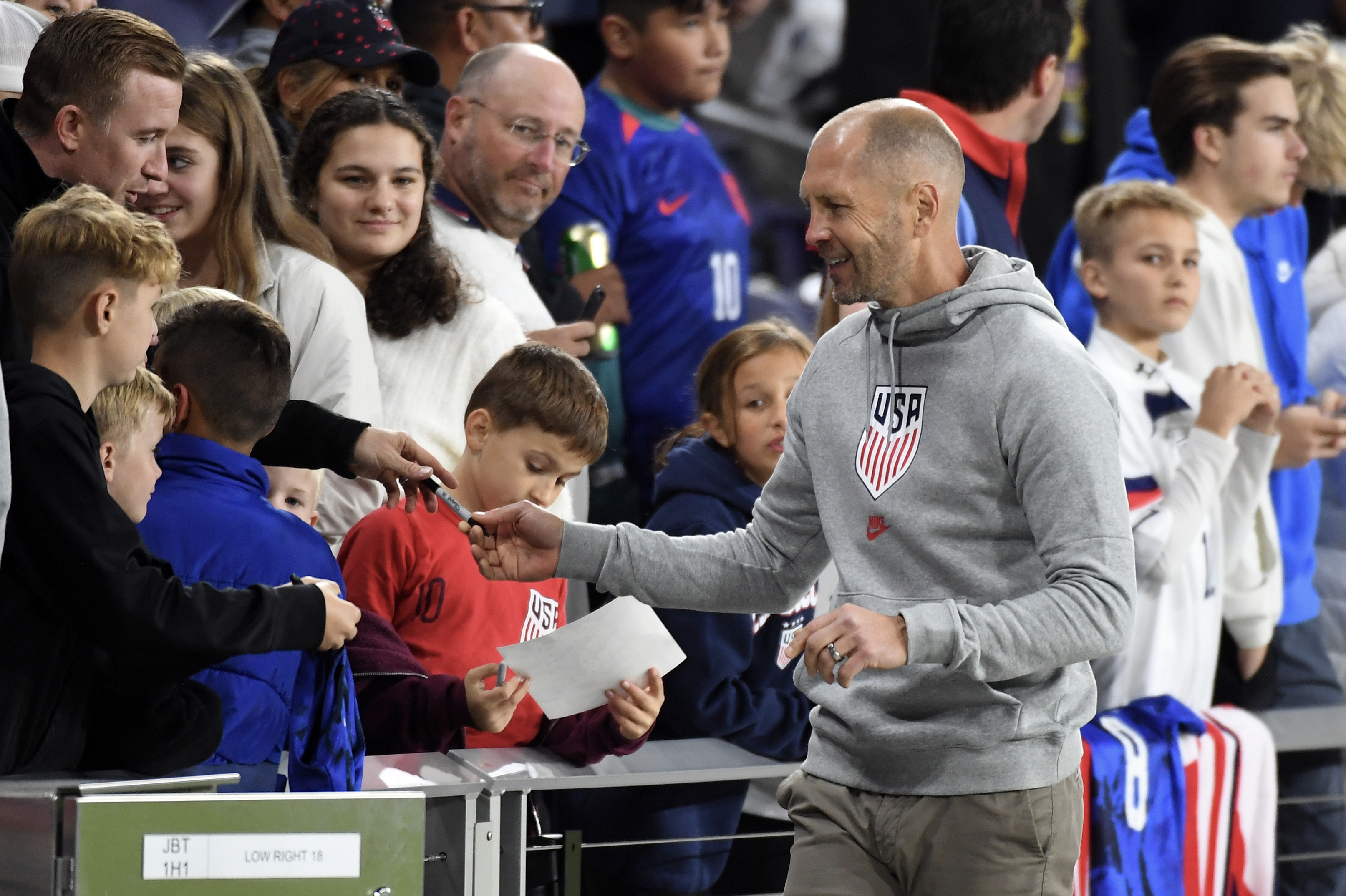
In his first months in the job, Berhalter had no hesitation in putting his young stars on his leadership council. From day one, he made it clear that it was going to be a team built around the likes of Christian Pulisic (20), Weston McKennie (20), and Tyler Adams (19). That reaped benefits four years later when that same core was leading the team to Qatar, and it was a philosophy that continued throughout his tenure as players like Gio Reyna (17), Yunus Musah (17), Brenden Aaronson (21), and Ricardo Pepi (18) were quickly integrated and handed important roles from young ages.
At the same time, Berhalter received criticism for holding onto his “favorites” for too long, consistently calling up some regulars even if they didn’t get significant playing time. Sebastian Lletget, Cristian Roldan, Aaron Long, Jordan Morris, and Luca de la Torre were some players that received such treatment despite never performing well for the national team post-COVID, with the final four earning World Cup roster spots (though only Morris saw the field).
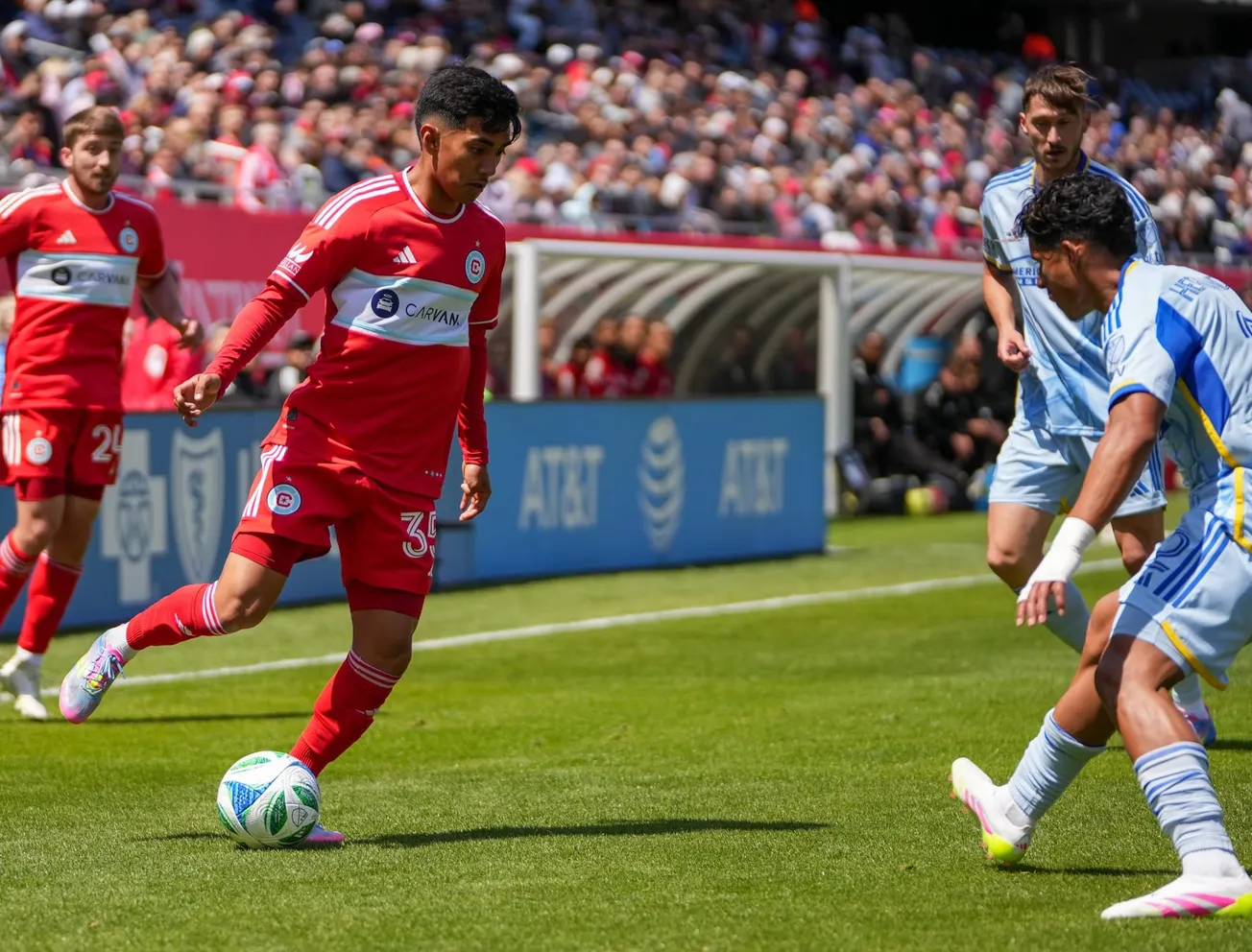
The Fire roster that Berhalter arrives to has two key players under the age of 22: Chris Brady (20) and Brian Gutiérrez (21). Both have already been handed huge roles under previous coaches, but have not developed much in the last 12 months under Frank Klopas. Berhalter’s success with turning young, talented players into leaders and contributors both on and off the field could prove a positive boost for Brady and Gutiérrez, who both have limitless potential but are currently in a stagnant position.
High-level recruitment
If Berhalter had one feather in his cap throughout both halves of his USMNT tenure, it is his recruitment. Mauricio Pochettino inherits a significantly stronger player pool than it could have been without Berhalter and his team’s track record of attracting dual nationals to play for the United States.
Fullback Sergiño Dest, a star for the U.S., is the most obvious example from Berhalter’s first year. The U.S. youth international had been heavily courted by his birth country of the Netherlands when he broke out with Ajax, but after extensive conversations with Berhalter and those at USSF, he opted to stick with the USMNT. A year later, Berhalter brought England U-17 captain Yunus Musah into camp amidst his Valencia breakout and convinced a future €22 million midfielder to declare for the U.S. ahead of his birth country.
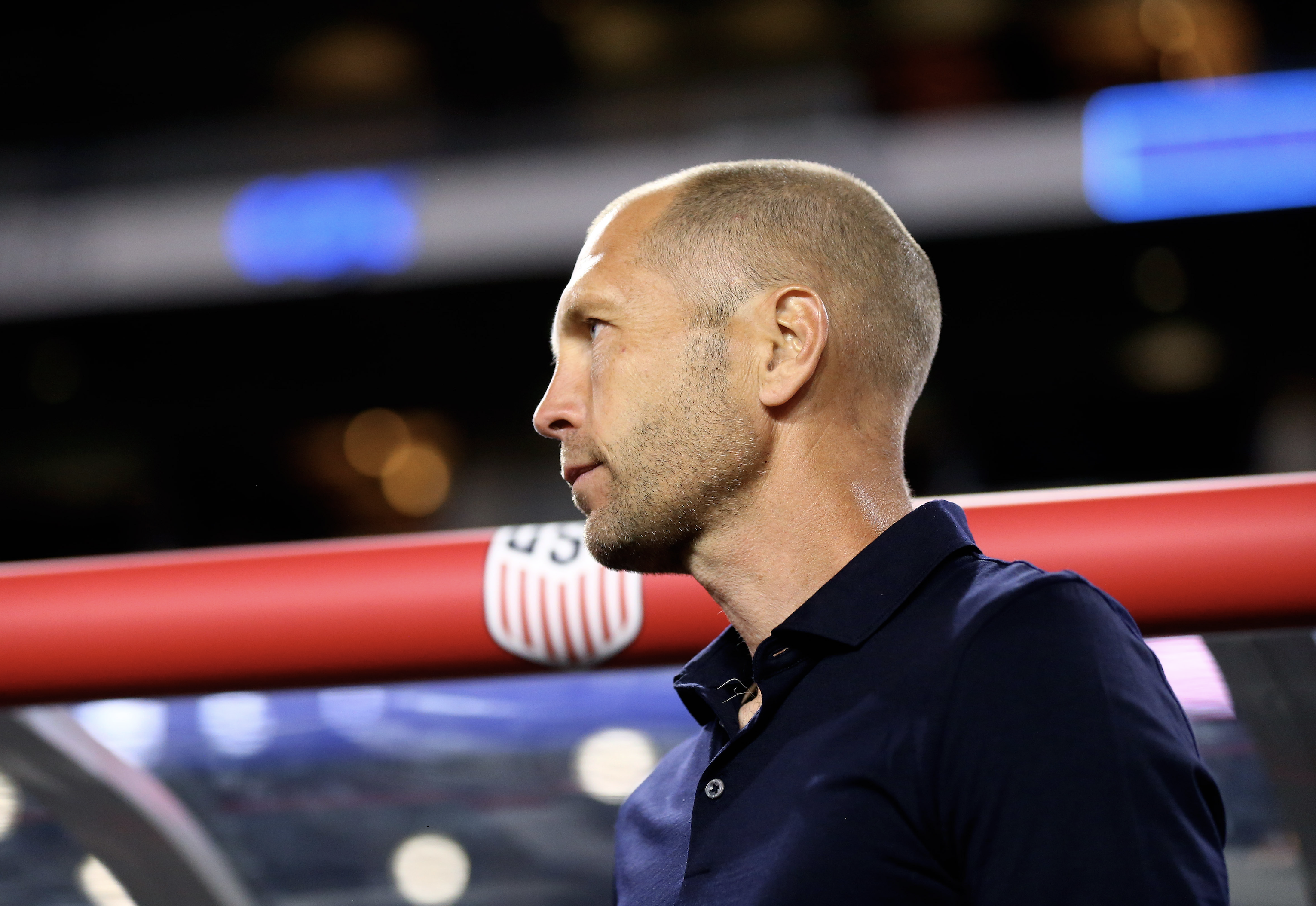
Berhalter’s player recruitment goes beyond just Dest and Musah; he laid the groundwork for Folarin Balogun’s blockbuster switch from England, secured the allegiances of Ricardo Pepi and Djordje Mihailovic amidst serious interest from Mexico and Serbia, and brought then-Bayern München starlet Malik Tillman over from Germany. He also maintained connections with coaches and staff at many of the world’s top clubs, like Chelsea, Dortmund, Man City, Milan, Juventus, and Barcelona.
This offseason, Berhalter could bring as many as ten players to Chicago, so recruitment will be a key area. As both director of football and head coach, he will be in control of transfers, so he will be heavily involved in negotiations with every possible signing; his status as a recognizable and respected name from his time with the national team will also provide a boost in negotiations, something the Fire lacked without any big-name starpower off the field over the last five seasons. Not to mention, his wealth of experience with the U.S. pool could attract American players who might not otherwise consider the Fire, but are already familiar with Berhalter, his coaching, and playstyle.
Change the way the world views… the Chicago Fire?
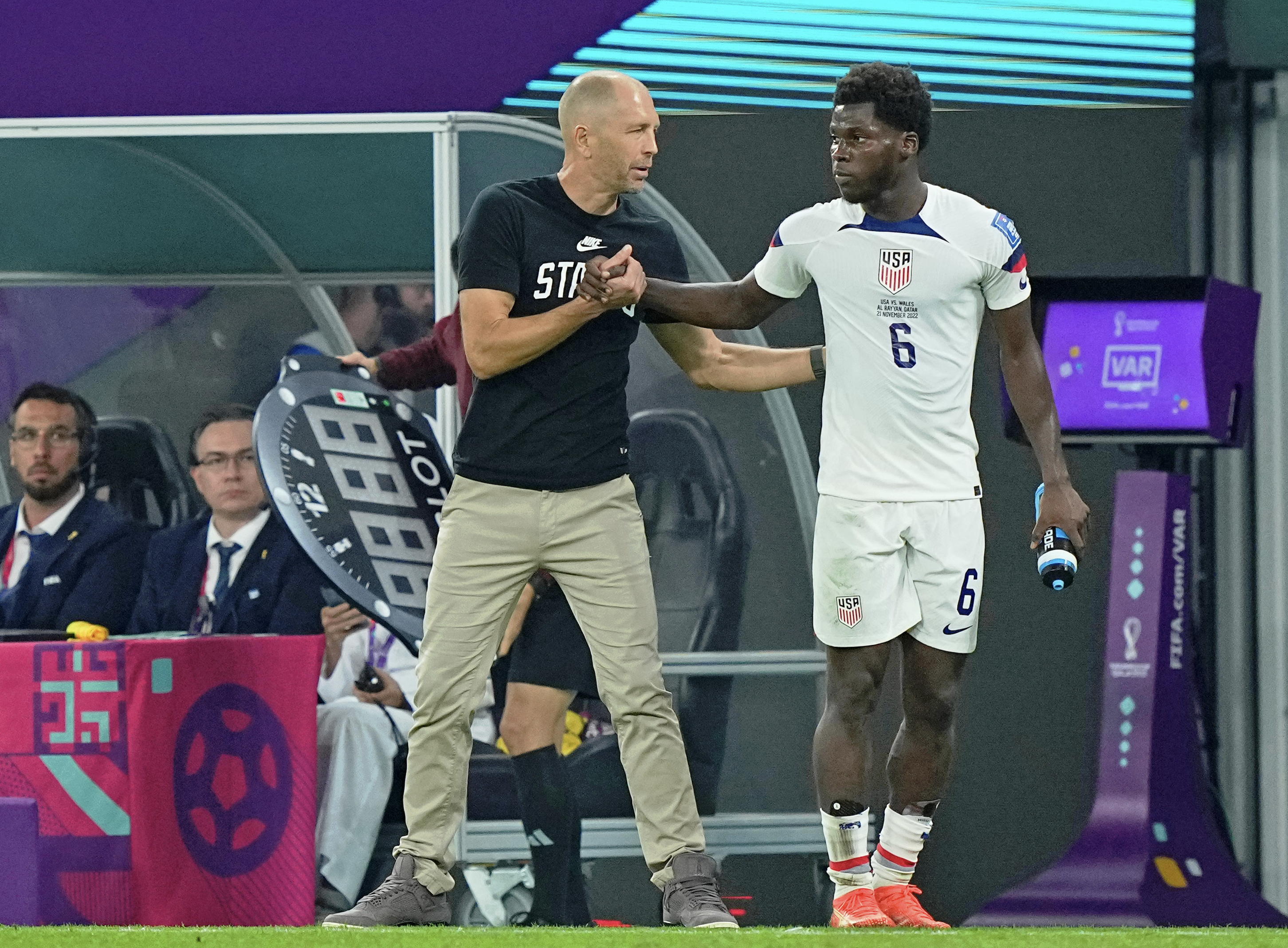
From the day he took over the national team, one of Berhalter’s main mantras was that he wanted to “change the way the world views American soccer.” Players like Chrisitan Pulisic and Yunus Musah echoed that sentiment for years thereafter all throughout his tenure, leading up to the 2022 World Cup and beyond. It was a lofty goal and whether or not it was achieved can be debated, but what is certain is it rings fairly similar to his initial messaging following his arrival in Chicago.
Though he has no prior connection to the Fire, it’s a club that Berhalter is extremely familiar with. He regularly attended matches as a spectator while living in Chicago, and occasionally visited Fire training sessions in Bridgeview as the USMNT manager. Berhalter has also been around MLS for 15 years, finishing his playing career with the L.A. Galaxy before managing the Columbus Crew for six seasons; he knows and understands how difficult the last decade-plus has been for the Fire organization, and has made it clear that his goal is to bring them back to where they belong.
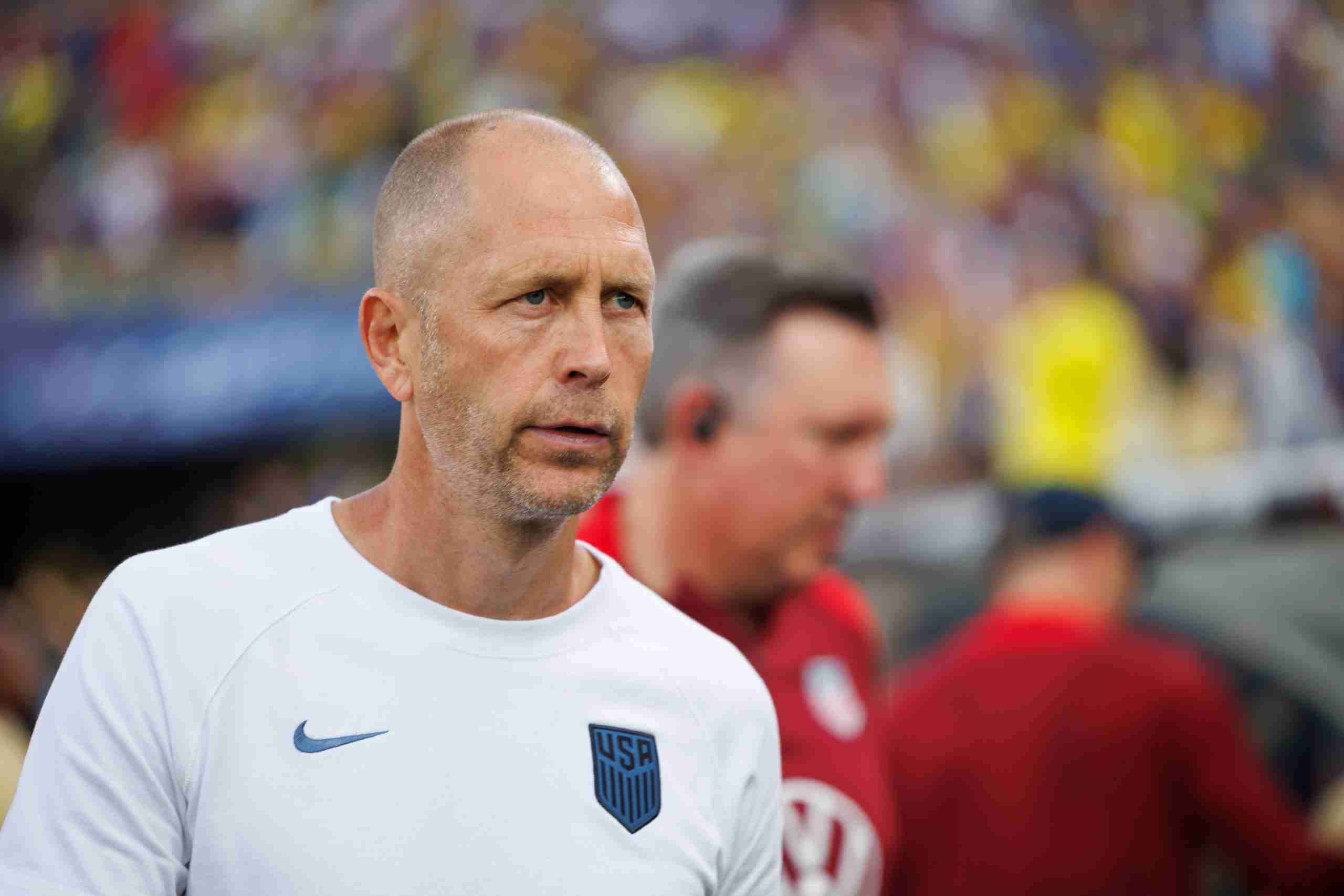
Already, Berhalter has shown what his goal is: to “build one of the top clubs in North America.” As sporting director, he must build a roster, philosophy, and culture for a team that currently is lacking big ideas – he showed in his first national team tenure that he was able to do so with a limited player pool at U.S. Soccer and fostered an environment that his star players wanted to fight for. He must find ways to develop and use his young stars – the success of the likes of Christian Pulisic, Gio Reyna, Weston McKennie, and others shows he is capable of doing so. Finally, Berhalter must develop a system and play style that can compete with the best in MLS and beyond – even with limited time together at the national team, he built a team that was able to compete with some of the world’s top teams, even if his ending with the national team was sour.
Read more:
http://meninred97.com/3-winners-3-losers-from-berhalters-hiring/
http://meninred97.com/what-berhalters-crew-teams-can-tell-us-about-whats-in-store-for-the-fire/
http://meninred97.com/sources-chicago-fire-hiring-gregg-berhalter/