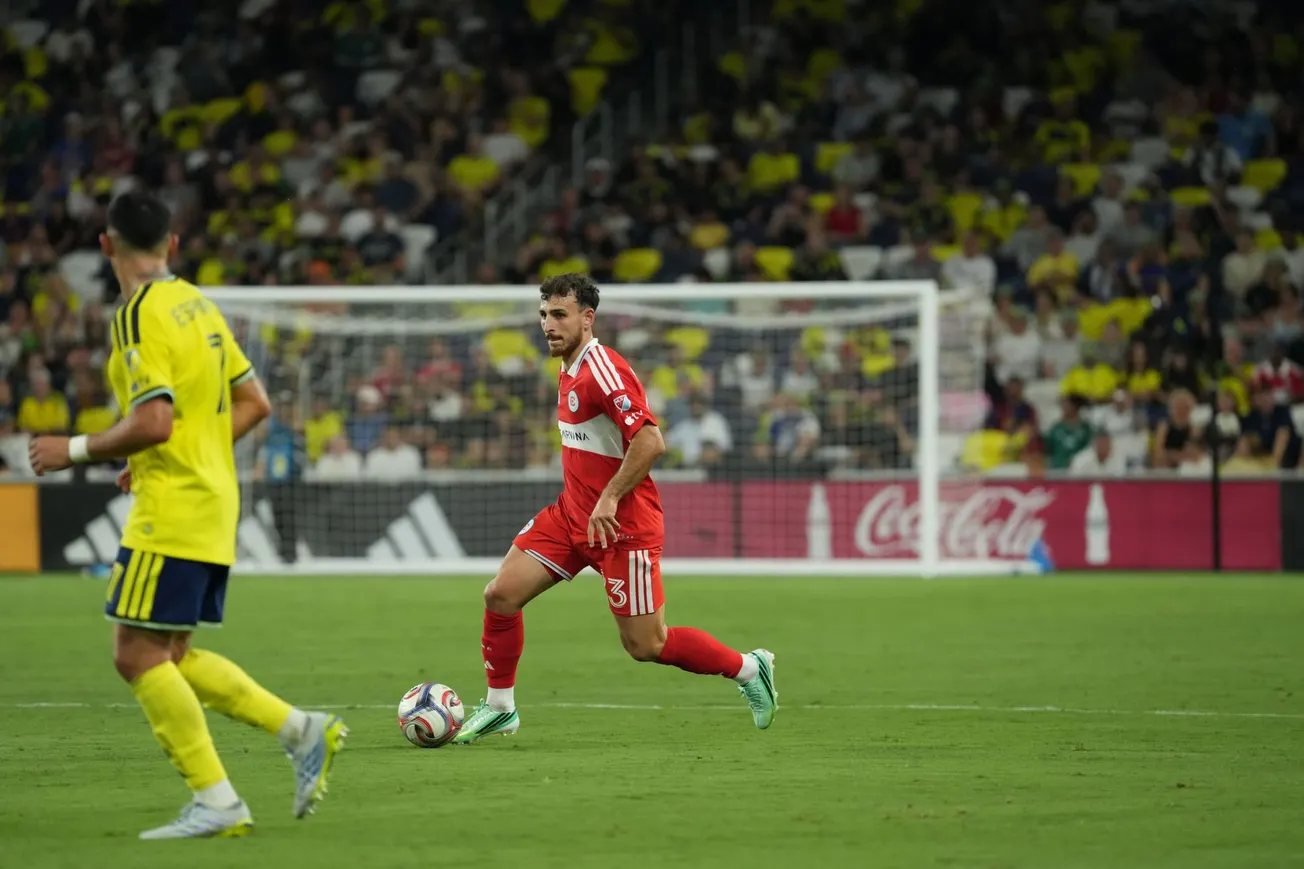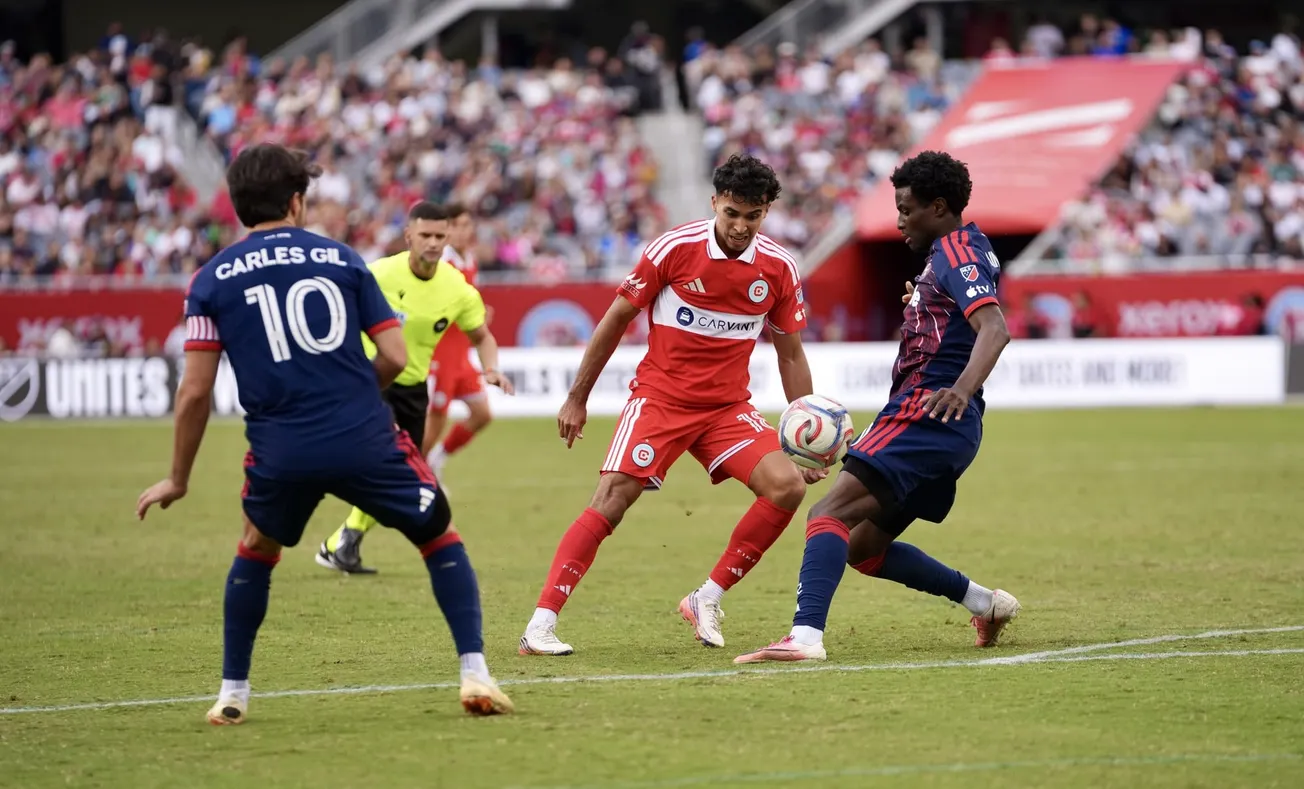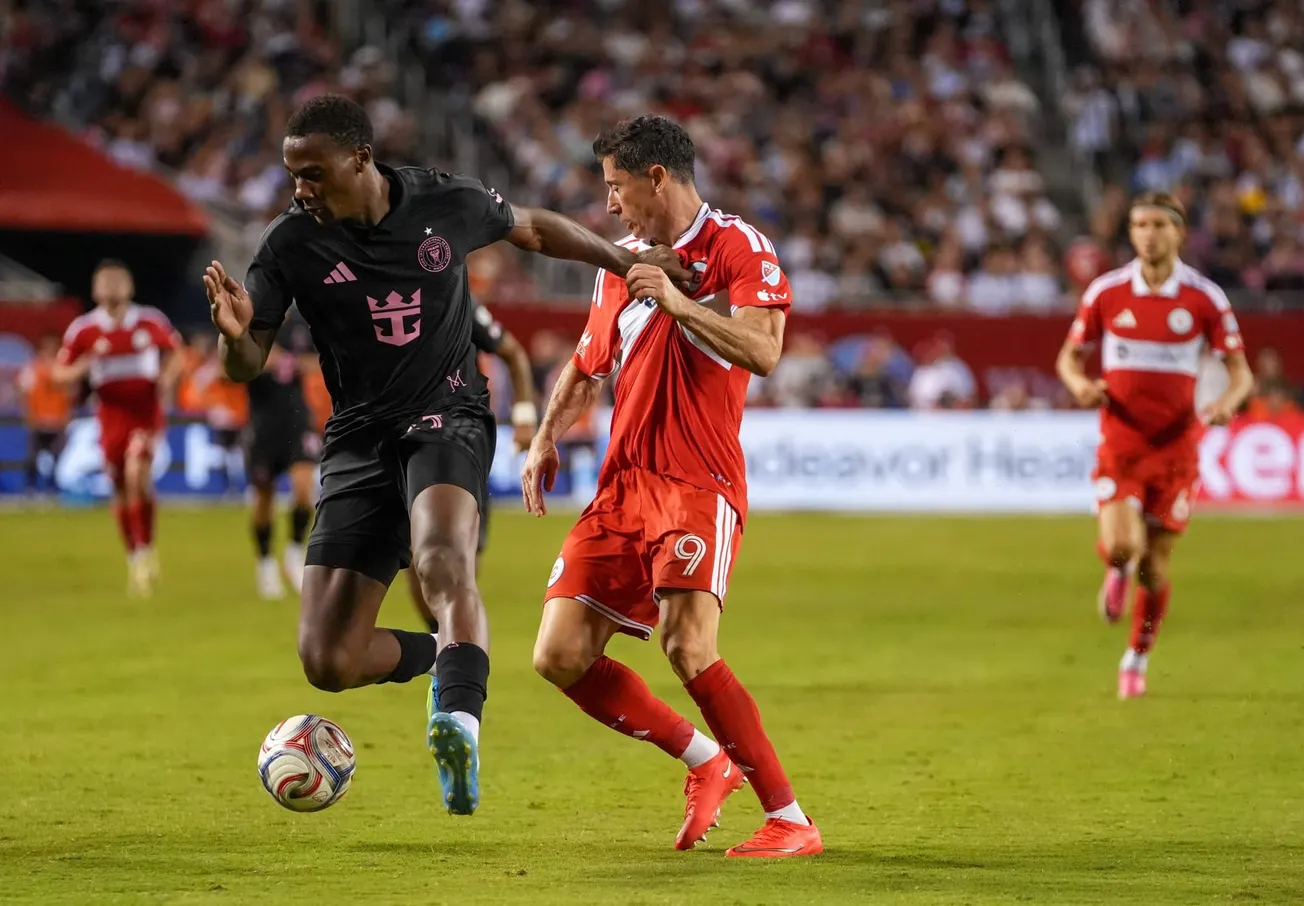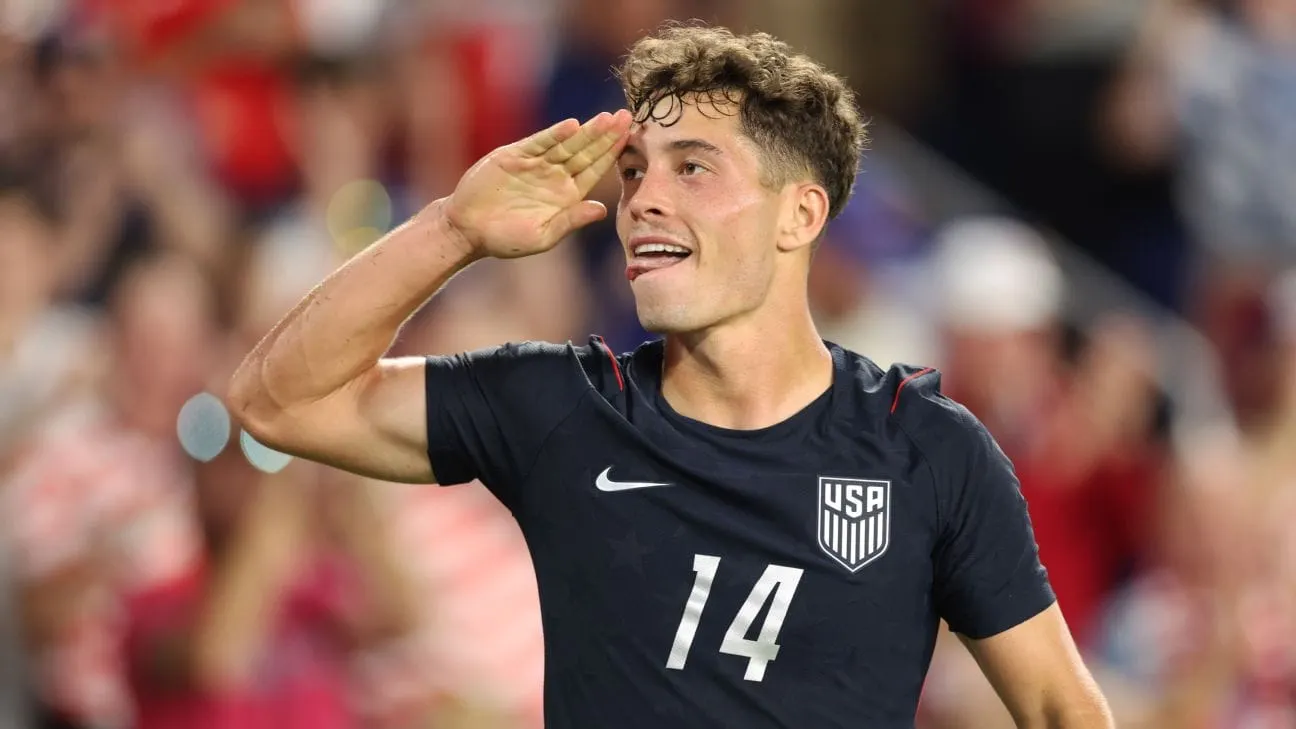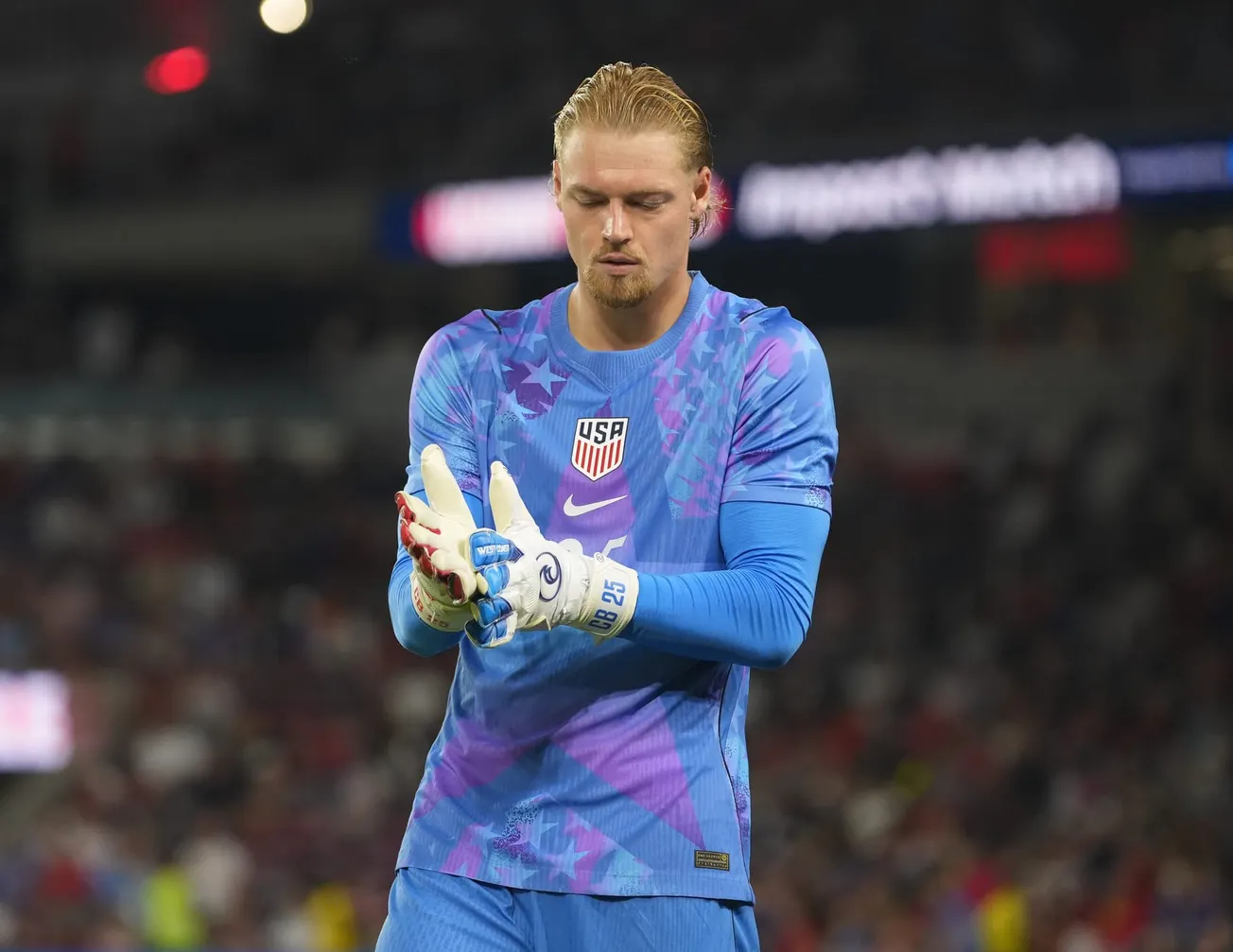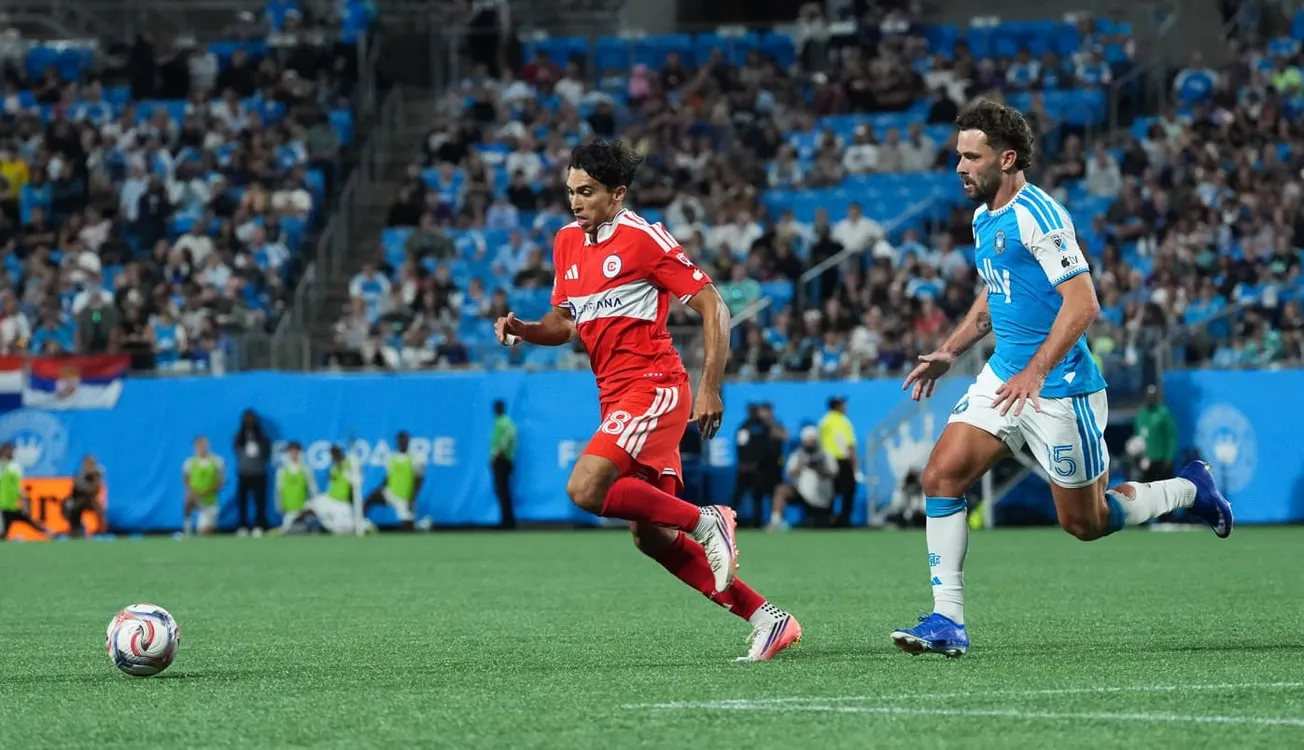

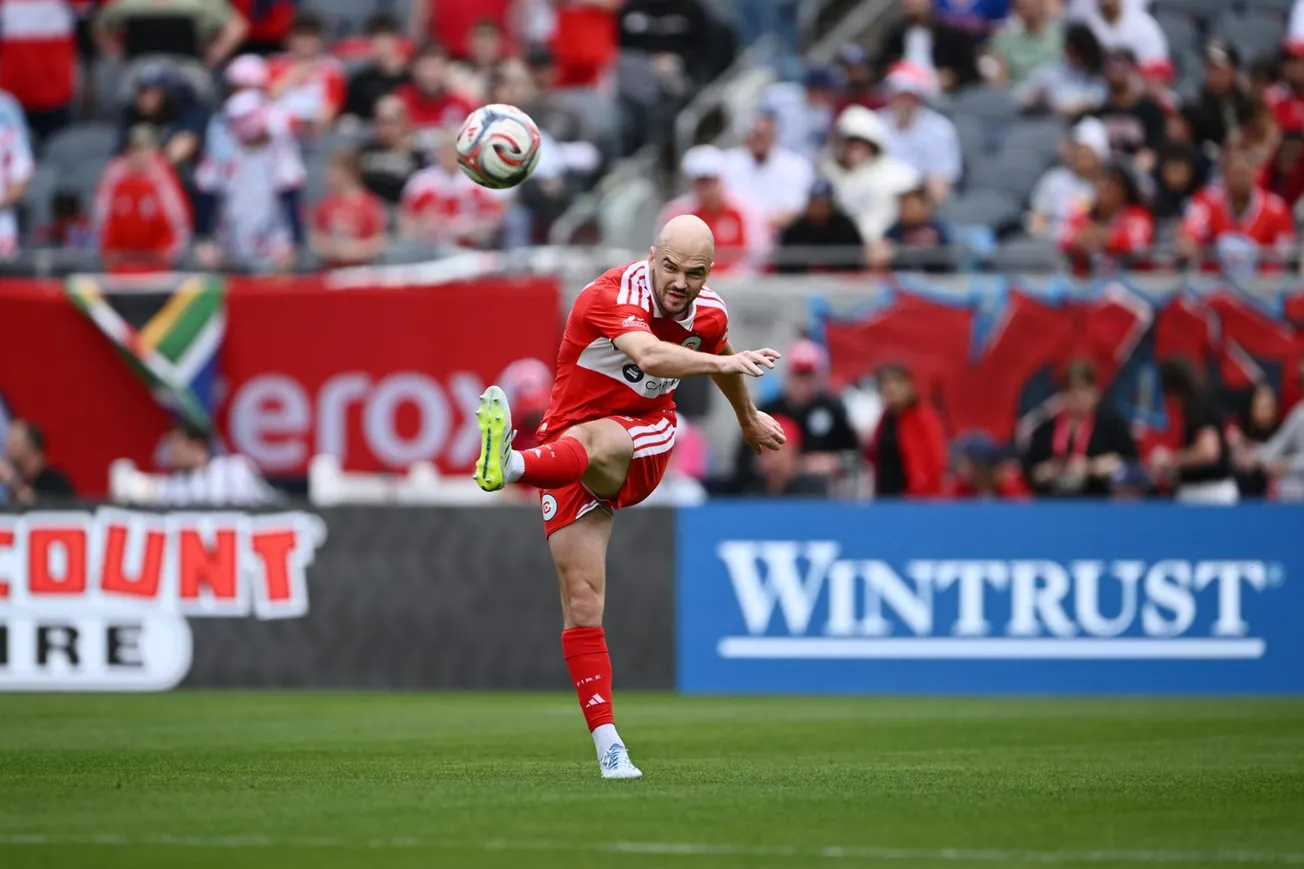
The Fire had most of the ball but couldn’t find a way to do anything with it as they conceded before they scored for the first time in 2026 en route to a 3-1 loss to a Red Bulls team that had been struggling coming into the match. Counting the U.S. Open Cup, that’s three losses in a row for the Fire.
Here’s five things we learned from the Fire’s first multi-goal loss of the year.
1. Even if you fix it, you still have to maintain it
Going into this one, the Fire had yet to concede first in any competitive game in 2026. They had also yet to trail by multiple goals at any point of any match. More than anything else, that is a testament to the turnaround the team has had defensively compared to last year, where the offense was dynamic but the team couldn’t keep the ball out of the back of its own net.
Well: Yesterday at Soldier Field, Jorge Ruvalcaba sent his team ahead 1-0 just before teams returned to the locker rooms at half. Moments after play resumed, Cade Cowell made it 2-0.
The Fire did a great job fixing the defense in the offseason. But like everything in life, after fixing it, you’ve still got to maintain it. “And when you look at the first goal,” Berhalter said to media after the match, “it's poor defending. We gave them two shots in the first half, they scored one of them, and now we're behind the eight ball.”
Moments later in the Fire locker room, Andrew Gutman said the Fire’s recent downturn in form – now three losses in a row across all comps – “probably just comes down to desire. I think we got to a really good place at the beginning of the season, and we kind of lost our way. So we just got to work together to get back to who we are, get back to the basics.”
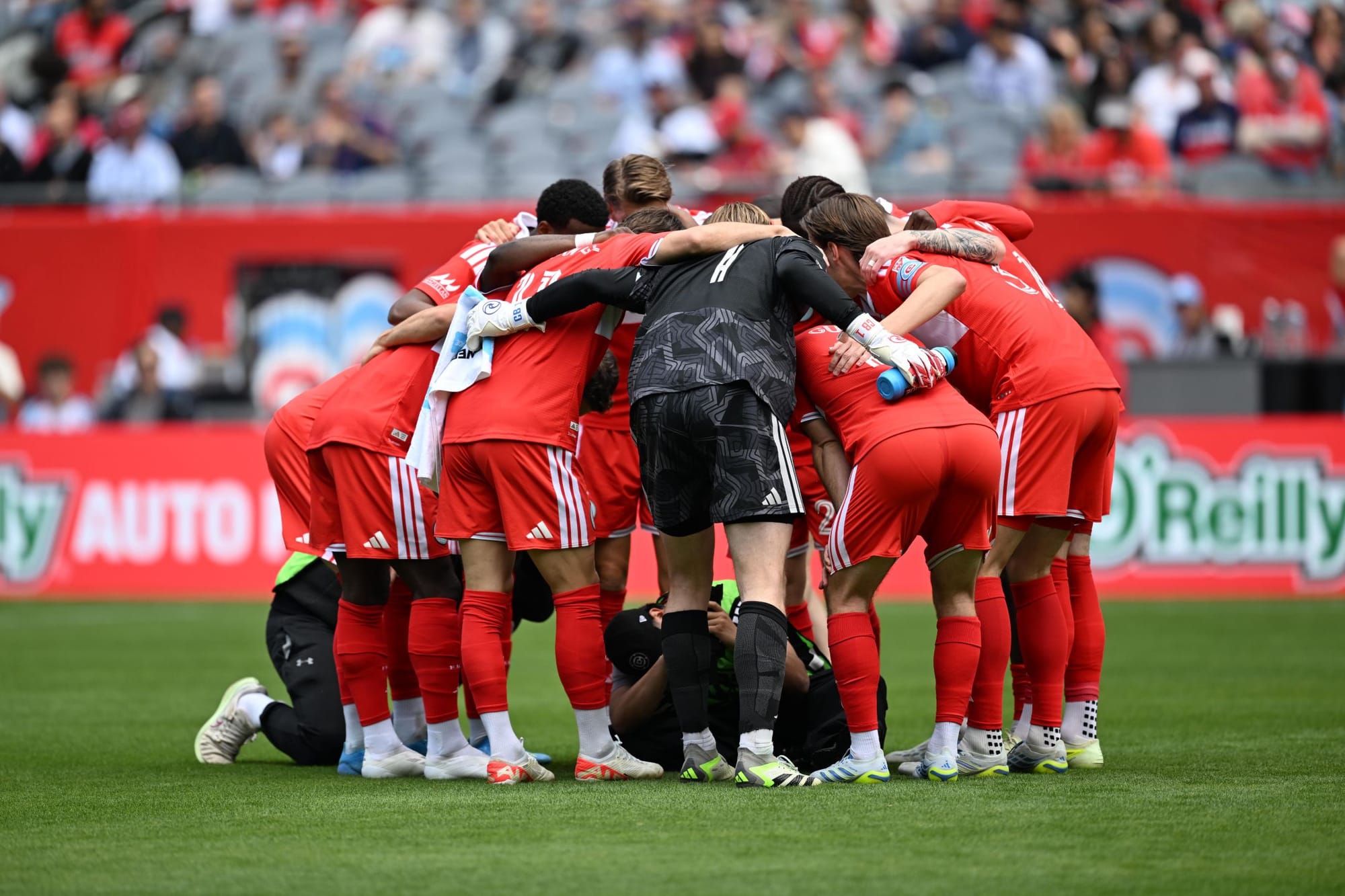
And what are those basics? Back to Berhalter: “to me, it boils down to a very simple idea. The idea is, we have to defend. We have to defend with our lives. We have to defend to make it very difficult for the opponent to score. When you look at the first goal, and I keep harping on that, they're making uncontested passes in front of our 18-yard box. Then there’s an uncontested pass into the penalty box. We're 3 yards away from the player when he shoots. At any level, that can’t happen. At any level, you need to be better than that.”
2. The 4-4-2 is here to stay
Last year, the Fire spent most of the season playing out of a 4-3-3 formation, long Gregg Berhalter’s’ preferred shape in possession. Towards the end of the year, they switched to a 3-5-2. We talked about it (a lot but I’m not going to link to every 5 Things from that span). It worked well enough to help propel the Fire into the playoffs – but only when André Franco was in the lineup pulling the strings.
This year, with Franco unavailable until after the World Cup and Brian Gutiérrez sold to Chivas, the Fire went back in the 4-3-3 and played Philip Zinckernagel and, at times, Robin Lod in the role. It wasn’t as convincing – Zinckernagel out of the spot broke the Fire’s single-season record for goal contributions en route to an All-Star nod in 2025, and made one of the Fire’s most effective attackers less effective.
With the Fire short on creative midfielders – and possibly to prepare for the arrival of a certain Polish striker, Gregg Berhalter switched to a 4-4-2, with Lod, or sometimes Maren Haile-Selassie playing as a second striker alongside Hugo Cuypers.
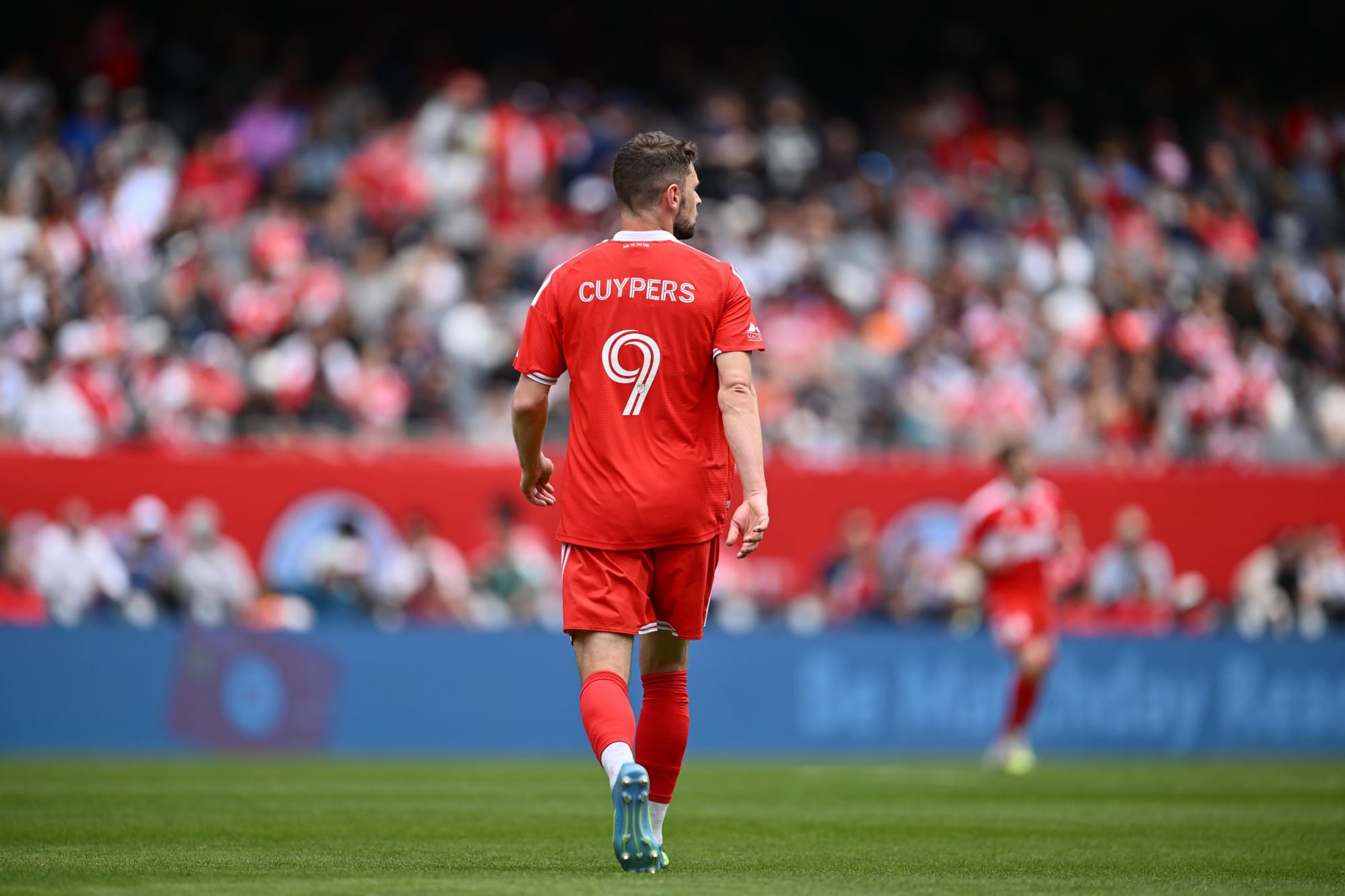
It worked. And it hasn’t worked. But either way, it looks like it’s here to stay.
Is that because Berhalter knows that he doesn’t have someone who can play a semi-passable Bruno Fernandes (or at least, André Franco) impression without taking out someone that he needs elsewhere? Or because the Fire can open a DP spot and bring Robert Lewandowski in this window, presuming that one of Poland’s all-time greatest players can be convinced to move to what’s also Poland’s Second City?
I don’t know, but either way, despite the flaws evident last week, the Fire stuck with it this week and didn’t shift out of it until the point in the match when tactics get thrown out the window.
3. … and that limits the team’s ceiling
Look, you can chicken/egg this one: The Fire started playing out of a 4-4-2 when the 4-3-3 wasn’t working out, at a time before it once again looked like Lewandowski’s arrival was a realistic possibility – they needed a change to try to raise the ceiling and the 4-4-2 was it.
And in some ways, it has: You can line up players on a chart however you want, but that doesn’t necessarily tell you a ton about a player’s role, responsibilities, or where they’ll be at different phases of the game.
One of the things that’s worked: With players like Lod or Maren Haile-Selassie playing the second striker role, the attack becomes a lot more fluid, and you’ll see them rotating in and out with wingers who more time in the half spaces, relying on at least one fullback to provide width in the attack. The fluidity creates opportunities and makes the Fire less predictable – and thus harder to defend.
One of the things that hasn’t: The Fire have just not been incisive or creative enough. For two weeks in a row, they’ve been very successful at possessing the ball in the opponents half, and for two weeks in a row, they’ve failed to convert that into that many meaningful chances.
So, what we’ve often seen is both of the Fire’s forwards playing deeper – both Bamba and Zinckernagel’s average position when receiving a pass was way ahead of Cuypers and Haile-Selassie’s ‒ limiting their effectiveness in key moments.
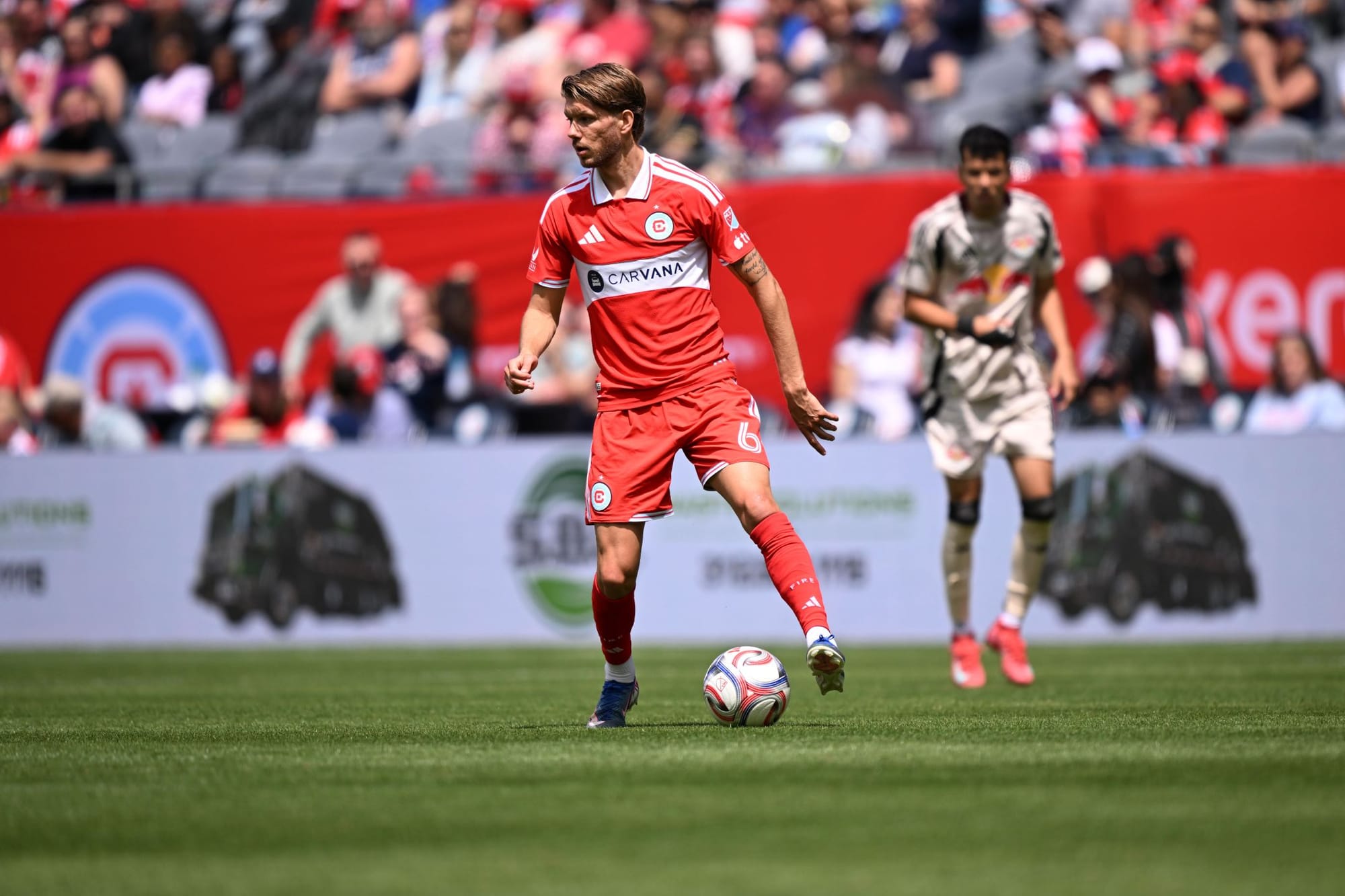
There’s other downsides: The Fire’s shape allowed the Red Bulls Adri Mehmeti too much time and space to operate, and it really could’ve cost the Fire a lot more than it did in this one.
On top of that, despite the stellar numbers Cuypers has been putting up, he’s also been tasked with doing a lot of the pressing duties that that are often part of the second striker’s job description. With the fluidity the Fire have in the attack, the team has also used Cuypers to be there for a quick 1-2 pass to create space, preventing the Fire’s best target man from making the runs that put him into goal-scoring positions.
The net result was that although the Fire controlled possession basically everywhere other than the Red Bulls’ box and outshot the Red Bulls 16-9, with 12 of the Fire's on target compared to five for the Red Bulls, nine of the Fire’s total shots were classified as “poor” on ASA’s ratings. None were "great" (their data does have Cuypers 11th of the year listed as an own goal for the Red Bulls, had it counted; it should have been classified as a very high-quality chance). If taking out poor quality shots, the Fire had six attempts that were "average" or better, and the Red Bulls had five.
As a result, even though shots on target were 12-5 in favor of the Fire, the only score that matters wound up 3-1 for the Baby Bulls. Getting shots on frame matters. But it matters a lot less when they're not good-quality chances, particularly when facing a guy like Ethan Horvath (finally shaking the Nottingham Forest off) in net.
Well: The transfer window is open after just three more games, and the Fire aren’t going to magically create a no. 10 (or get Franco back into the lineup in any shape) before then.
So what to do? Putting one idea out there:
4. The Fire could use more Puso Dithejane
If you don’t have a creative midfielder who is going to unlock opportunities by creating space and slick passing, what can you do?
Dribble past some guys to it instead.
The Fire really have two guys who can do that: Jonathan Bamba and, apparently, Puso Dithejane.
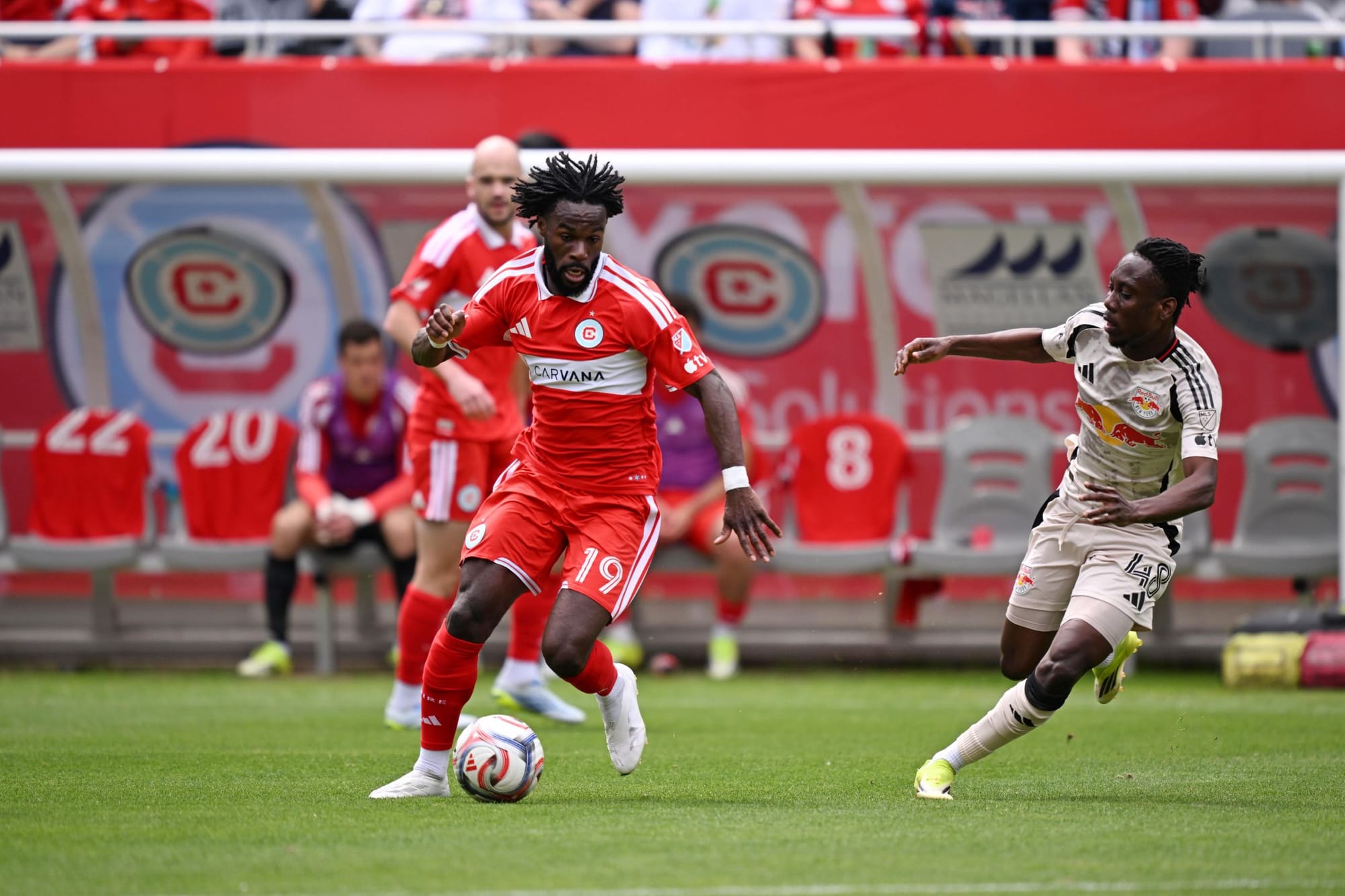
Bamba got as close as the Fire ever came to getting ahead, sending the ball in the back of Ethan Horvath’s net early, but the play was ruled offside after the Red Bulls defenders were smart enough to take a step forward. (The Fire’s defenders, meanwhile, were not doing that on what became the Red Bulls’ opening goal. In addition to time and space to make his own shot, Ruvalcaba had both Cade Cowell and Ronald Donkor well onside and with plenty of space on the other side of the box.)
The Fire had one other really good opportunity at a goal at a time when the fate of the game wasn’t all but written, and that came in the 67th minute when a quick passing sequence from Antron Salétros through Jonathan Dean to Dithejane gave the South African attacker an opportunity to show what he can do.
Dithejane cut into the box, quickly making it past both Matt Dos Santos and Robert Voloder and took a shot that would have been a goal except for a superb goal-line clearance from Dylan Nealis. If it hadn’t been for that, the Red Bulls’ lead would have been cut down to a single goal and it might – might – have been a different game.
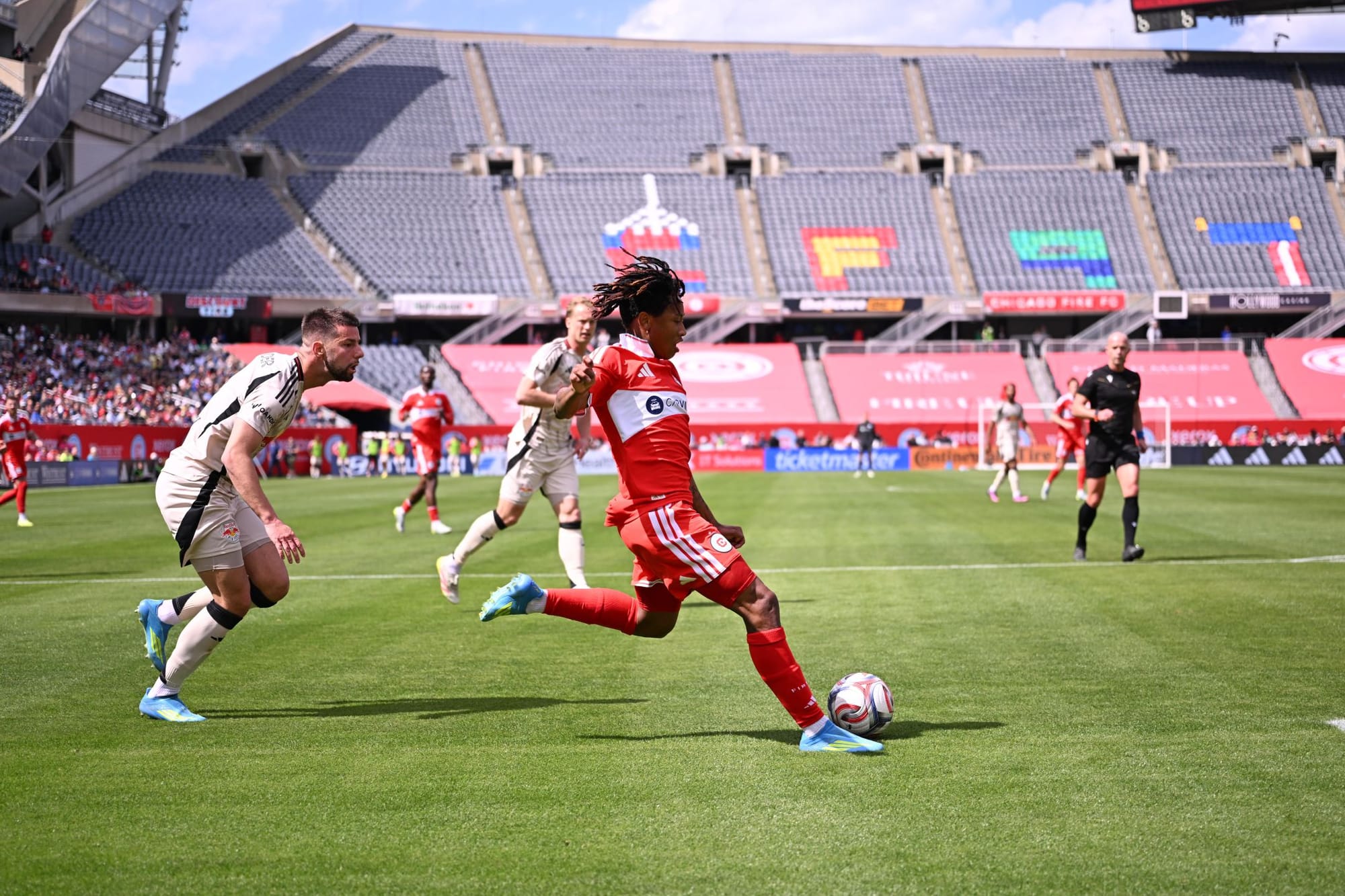
It isn’t the first time that we’ve seen Dithejane successfully dribble past some pretty decent defenders, and it makes me wonder if the Fire would be more effective with him getting more minutes.
He came on relatively early, if we’re grading on the scale of non-injury-related subs from the Fire this year, relieving Jonathan Bamba in the 61st minute. That shifted the Fire’s shape (astute viewers will note that the play all happened on the Fire’s right side. Having Bamba and Dithejane on at the same time would be ideal, but ‘m not sure that you’d want Dithejane to off Haile-Selassie in the second-striker role to do it – it’s a wrinkle, but at the very least, Dithejane showed once again that he can be a spark off the bench – and is worth trying out when there’s still time for that to make a difference.
5. Don’t take this the wrong way: The Fire might have fair weather fans
I mean that literally (if the fans were actually “fair weather” in the metaphorical sense, the Fire’s attendance for much of the past couple decades would have hovered around zero. Say what you want, but a lot of people have stuck around to see the team lose while playing some pretty uninspired soccer).
At kickoff against the Red Bulls yesterday, it was just under 72ºF in Chicago, according to Open Meteo’s data, by far the best weather the Fire have had for a home game so far this year. The announced attendance was 23,647 – nearly 3,000 more than the Fire had for their home opener (the previous high-water mark for 2026), and a full 5,823 above the team’s 2026 average.
Before yesterday’s warm weather, the average temp at kickoff for Fire home games was about 43ºF ‒ and last week was the first time that it was above 50º. Cold weather, small crowd.
That mirrors a trend we saw last year, when the Fire had over 20,000 show up for the home opener, and then, excluding an afternoon game at home against Inter Miami (when it was a balmy 60º), the Fire didn’t see a crowd above 20,000 until May 10th – almost exactly a year before this one.
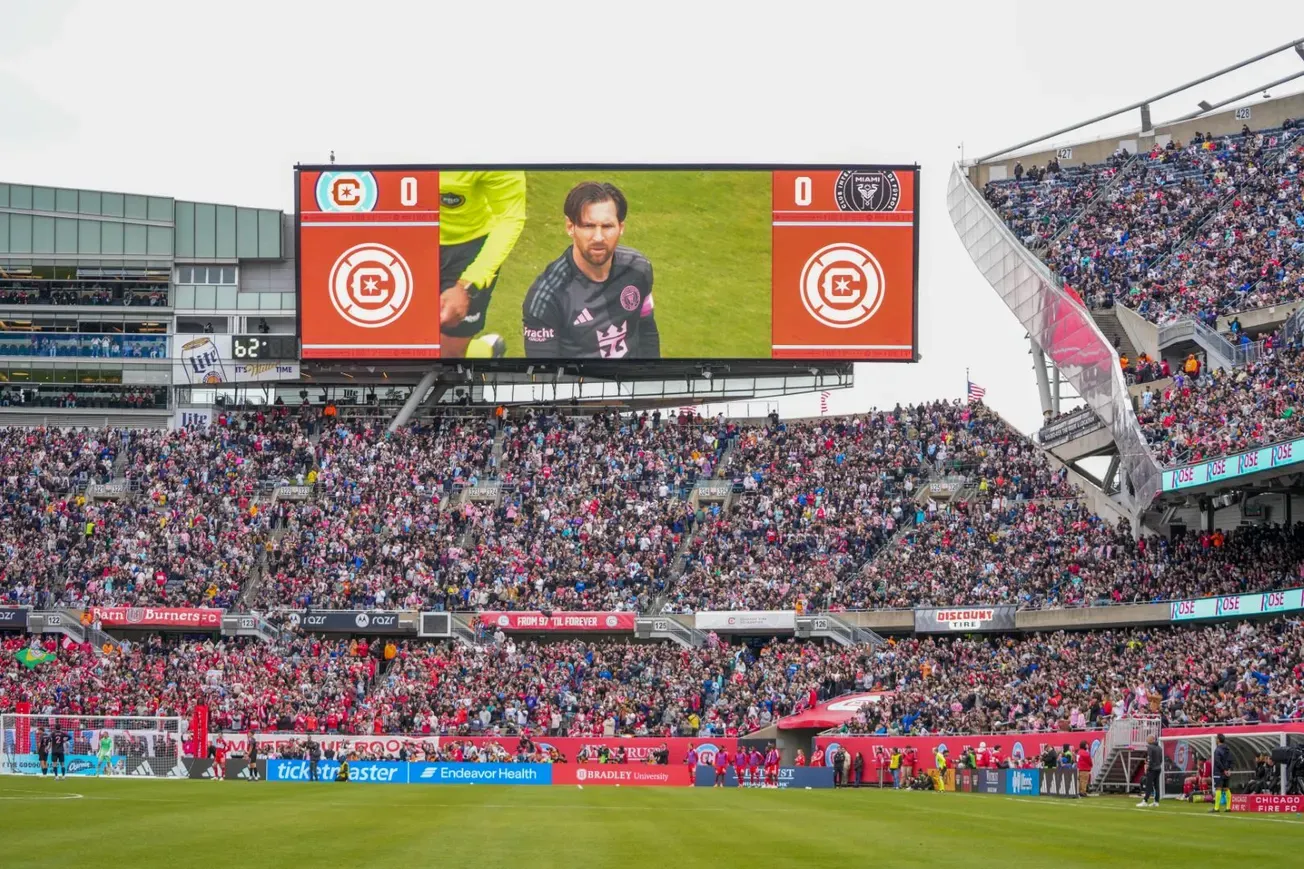
The game a year ago – what became a 2-1 win over Atlanta United – was also an afternoon kickoff, as was this year’s home opener, and was attended by 20,372 people.
Overall, attendance is still down slightly over last year (again, excluding Miami, but it’s not enough of a change where I’d be sweating much if I were at Fire HQ), but the trend here is pretty clear: The Chicago Fire have had rising attendance, with last year’s average of 23,420 breaking the record set in 2024 (which in turn broke 2023’s record; before that, the Fire’s best year at the gate had been their inaugural season in 1998), but the average (helped by playing at a giant Soldier Field) hides significant seasonal swings.
That works (kind of) while the team is playing in a massive NFL venue, but it won’t fly nearly as well when the Fire move to their new, 22,000 seat stadium, particularly since the new venue won’t open until after MLS switches to a fall-to-spring calendar that will deprive teams like Chicago of summer home dates that are some of the strongest performers at the gate.
Once the new building opens, the declared intent is to sell out every match – and although the $850m stadium will have a lot more comforts for fans than the relatively spartan Soldier Field does, playing early season, at night, will continue to be a hindrance. Here’s hoping that MLS continues to loosen the reins on scheduling, allowing teams greater flexibility not just with home match dates (as they do in allowing CF Montréal to go on a lengthy road trip at the start of every year), but also, kickoff times.