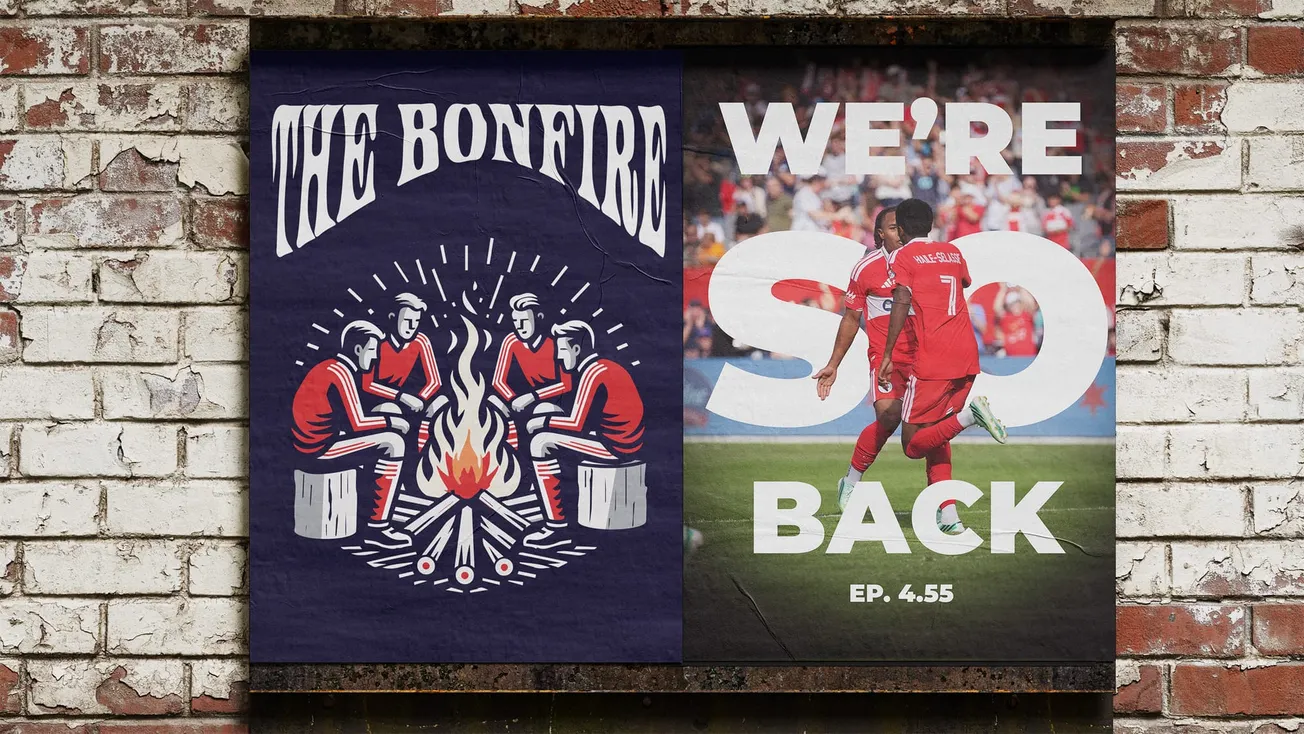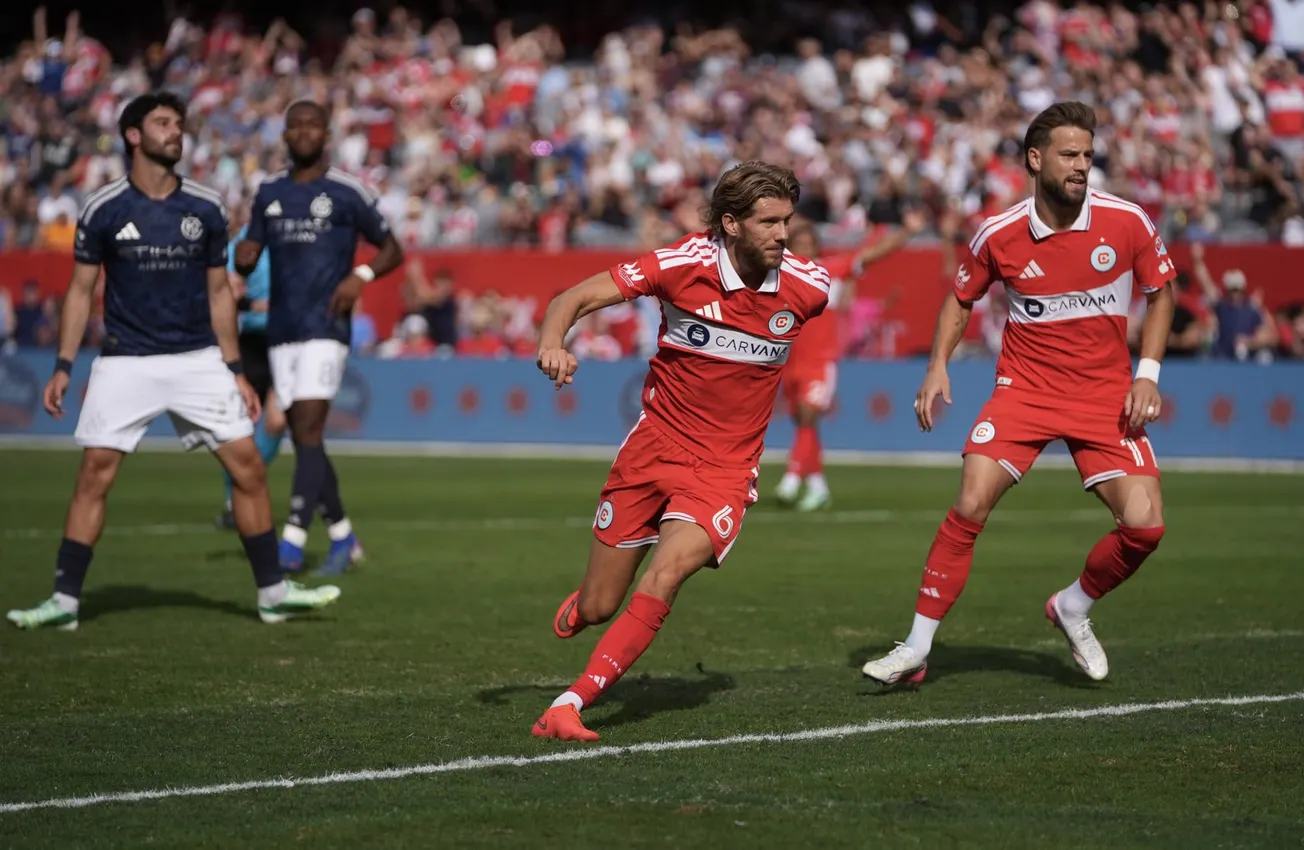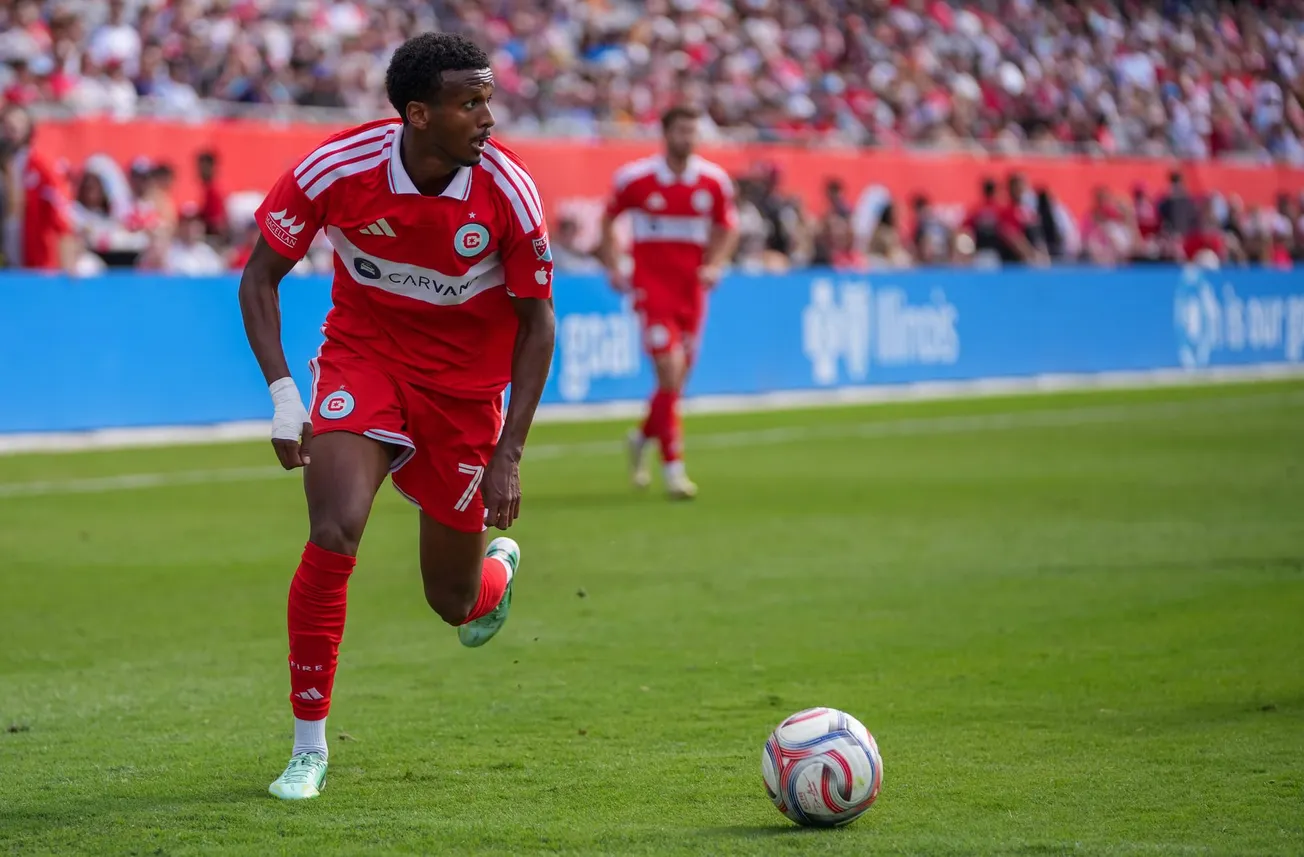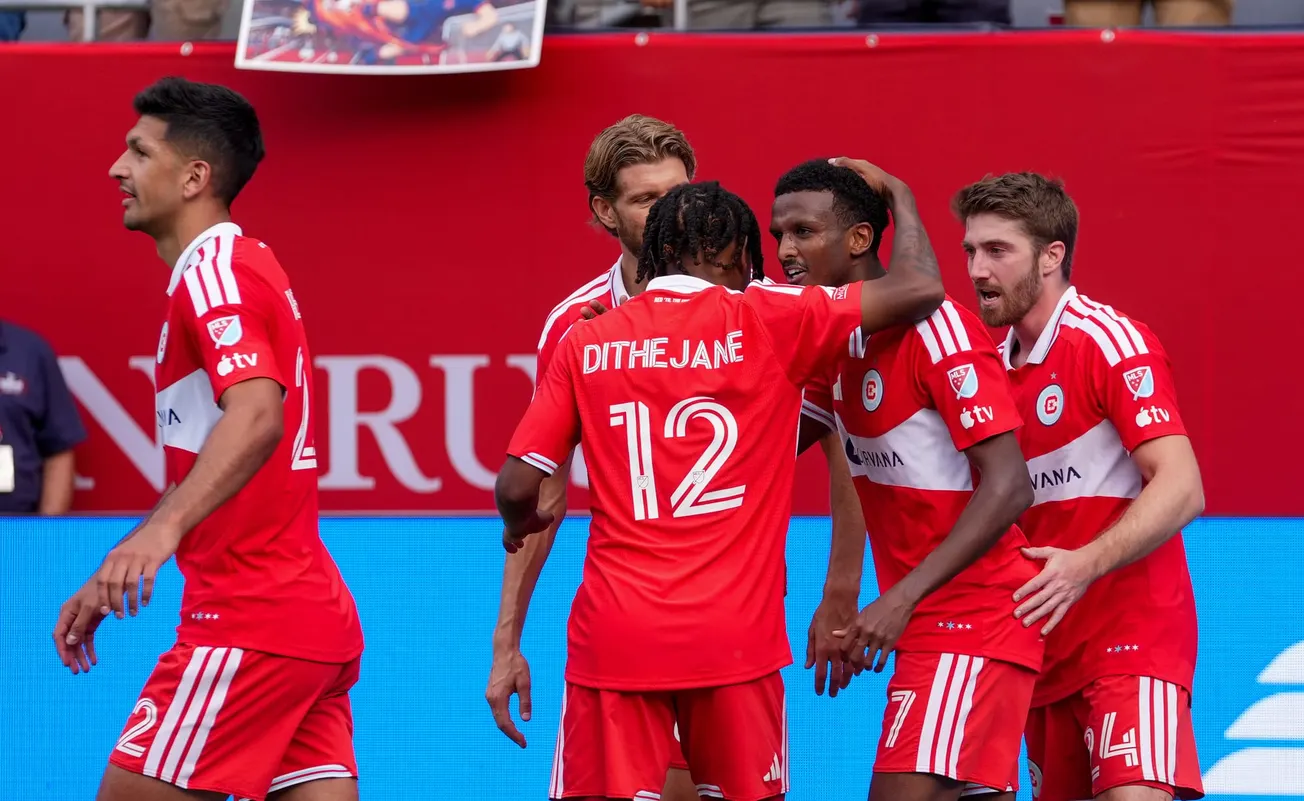

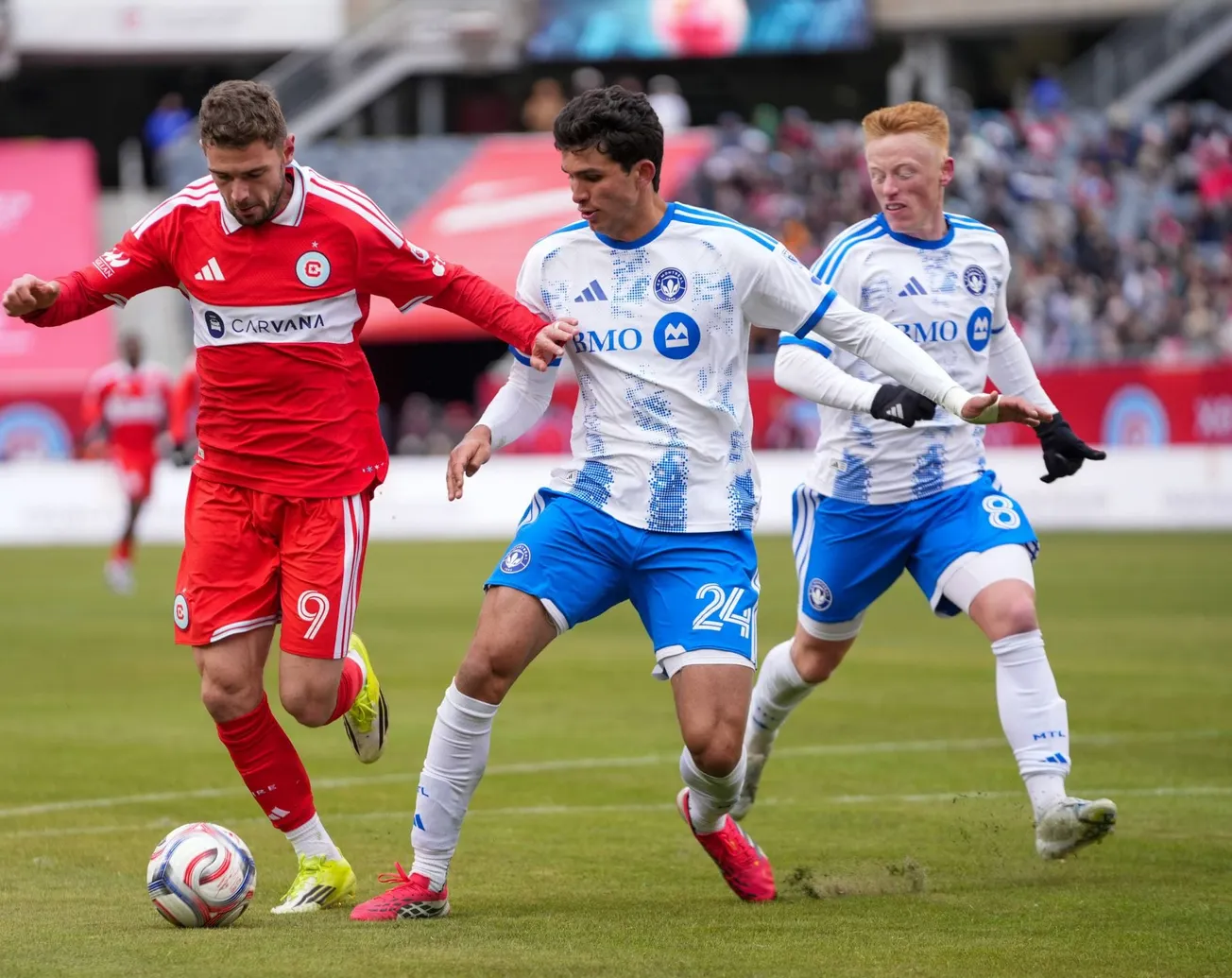
Fresh off the heels of their first come-from-behind win of the year, the Fire are back on the road as they take on CF Montréal. The game is one of just two that the Fire have before the World Cup break, and it's the final road game before the team's nearly two month break.
After their first come-from-behind win of the year, the Fire now have an opportunity to continue to right what went wrong earlier in the month and get back on the track the team had established earlier in the year.
Montréal has been getting results of late, but the Fire are still the favored team and, frankly, they should expect to head out of Montréal with three points in tow.
The Fire are a team with expectations on their shoulders for this year. Montréal, despite having some of the most passionate fans in the league, continue to be a team whose ownership is content to play checkers while the rest of the league plays chess.
Expectations, however, are nothing they're translated into results. The Fire have a chance to prove it — bit by bit — by earning a win against a Montréal team that is in form but who should still be outgunned.
CF Montréal
Every year, there is a pattern in MLS. It starts out like this: CF Montréal's season begins with a ton of games on the road. That's partly out of concern for fan comfort in a place where snow can be expected well into April, but mostly, it's because despite the fact that it snows in, Stade Saputo, isn't equipped with under-pitch heating or any of the other things that make games playable at locations far further north elsewhere.
Montréal then loses a bunch of those games. That's unsurprising in MLS, which has one of the strongest home advantages of any top-flight league in the world.
Recently, they've added a new tradition: Firing the coach as a result of losing those games. In 2025, it was Laurent Courtois, terminated just before his squad faced the Fire. This year, it was Marco Donadel, dismissed from his post about a month after the two teams met.
Next, Montréal starts actually playing some home games, and they win some of those — often just enough to let hope sprout, at least in those fans who truly believe — and then by the end of the season, reality hits: Montréal just doesn't have the talent to compete, because they don't spend enough money to acquire that talent.
That's where we're at in the cycle. Montréal have now played five home games this year, and they've won three of them, lost one, and in their most recent match, drew one against the Portland Timbers. Yes, it's been good form at home ‒ but what we're seeing is a reversion to the man, not a surge that will ultimately change the team's fortunes.
None of this is to say that they don't have talent, because they do: Prince Owusu might have a claim being the most underrated player in the league, and Daniel Ríos scored an impressive goal-scorer's goal on Wednesday, as two examples. They can beat you — if you let them.
Chicago Fire
The Fire, meanwhile, have continued to allow teams chances in dangerous areas. Some of that can be chalked up to individual mistakes, but some of it is more formation and tactics: Playing out of a 4-4-2, with the Fire's wingers playing as the wide options in the four person midfield, they just don't have the bodies in the middle of the pitch that they did if playing out of a 4-3-3.
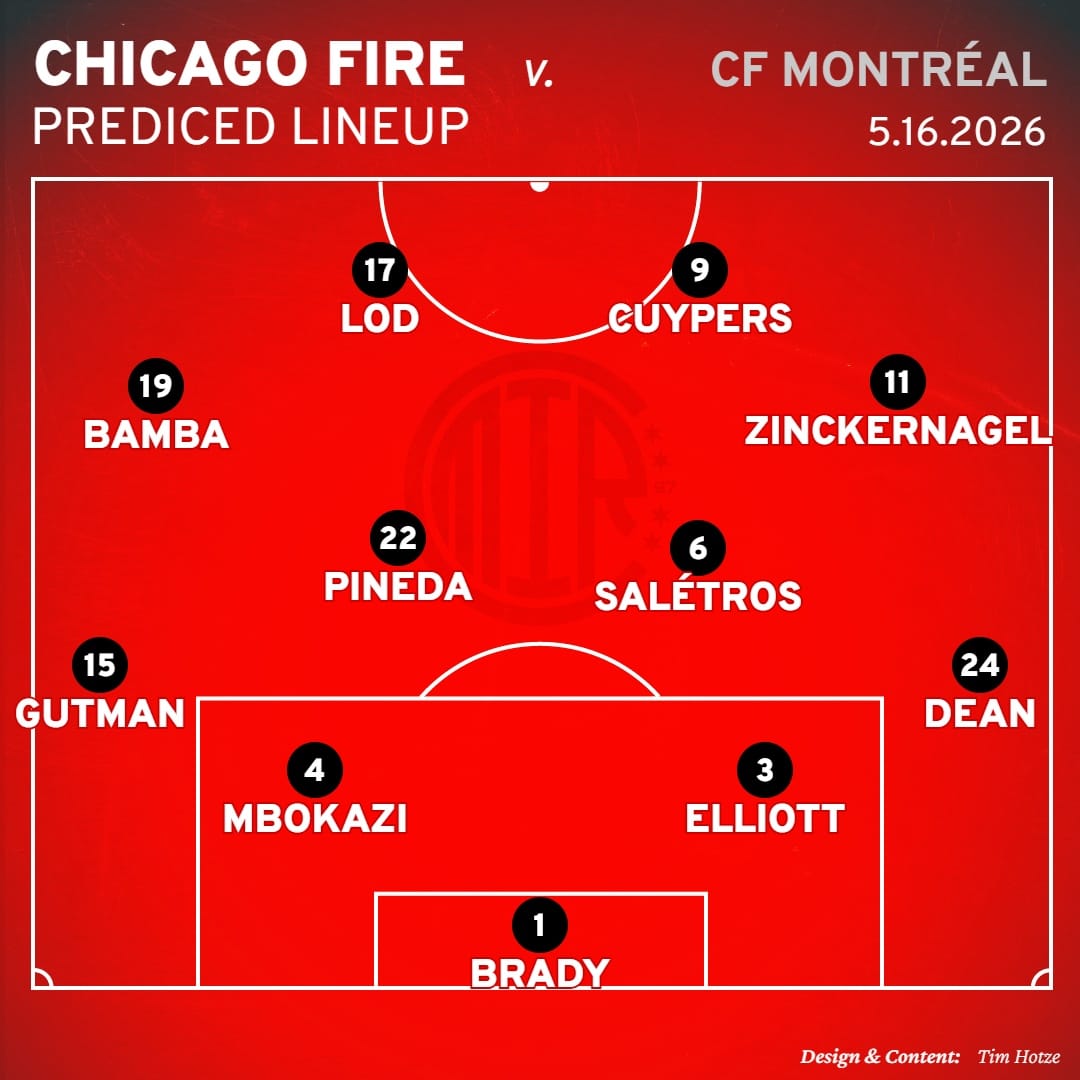
To be clear: Formations aren't tactics and the Fire's version is particularly fluid, with Robin Lod rotating in and out of the second striker position alongside Hugo Cuypers and into the midfield and Philip Zinckernagel given space and ability to roam.
In the last one, however, the Fire's shape might have been dictated by necessity. With both Sergio Oregel Jr. and Anton Salétros unavailable due to head injuries, Gregg Berhalter started Mauricio Pineda and Djé D'Avilla together. The Fire had no natural backups to either on the bench. That won't be an option for this one, however: D'Avilla's early yellow card on Wednesday was his fifth of the year and sees him suspended for this match.
So, what's Berhalter to do? Fortunately, he may have additional options based on what we've seen in training.
At #cf97 training earlier. Most of the squad was in the gym after playing yesterday. Both Sergio Oregel Jr. and Anton Salétros were participants outside. #VamosFire
— Tim Hotze (@timhotze.com) 4:27 PM · May 14, 2026
[image or embed]
Training with the team is no guarantee that either will be cleared to play.
If they're not, what's Berhalter to do? There's a few options.
One: Ask the versatile Pineda to step into the role that D'Avilla vacated and play Robin Lod deeper, starting say, Maren Haile-Selassie in the role instead (though don't sleep on the possibility of a Puso Dithejane start). The downside is that it asks the masked Lod to play out of his favored position in a deeper-lying, more physical role (and pulls him from the spot where he found the Fire's first equalizer of 2026).
Here's another: Push Jack Elliott up into the midfield and start Joel Waterman alongside Mbekezeli Mbokazi. The Philadelphia Union tried it on an emergency basis from time to time, so it's not a totally unfamiliar role — but the job description of a midfielder under Berhalter is very different than what it was for the Union, who have been more of a transition-based team for years. On top of that, Mbokazi and Waterman haven't looked great when playing together as part of a back four.
Neither is an ideal choice.
Normally, a third option would be to bring in a midfielder from the reserve team, but Chase Nagle and Óscar Pineda (Mauricio's younger brother), who have been starting for Fire II in the midfield are both 17-year-olds who have yet to sign a pro contract (and doing so would prohibit them from going the NCAA route). Sam Williams, brought in to play as a pro on the Fire II squad but who has a first team deal after the Fire also needed midfield options after early 2025, is out on loan, making him unavailable.
Lineup and Match Information