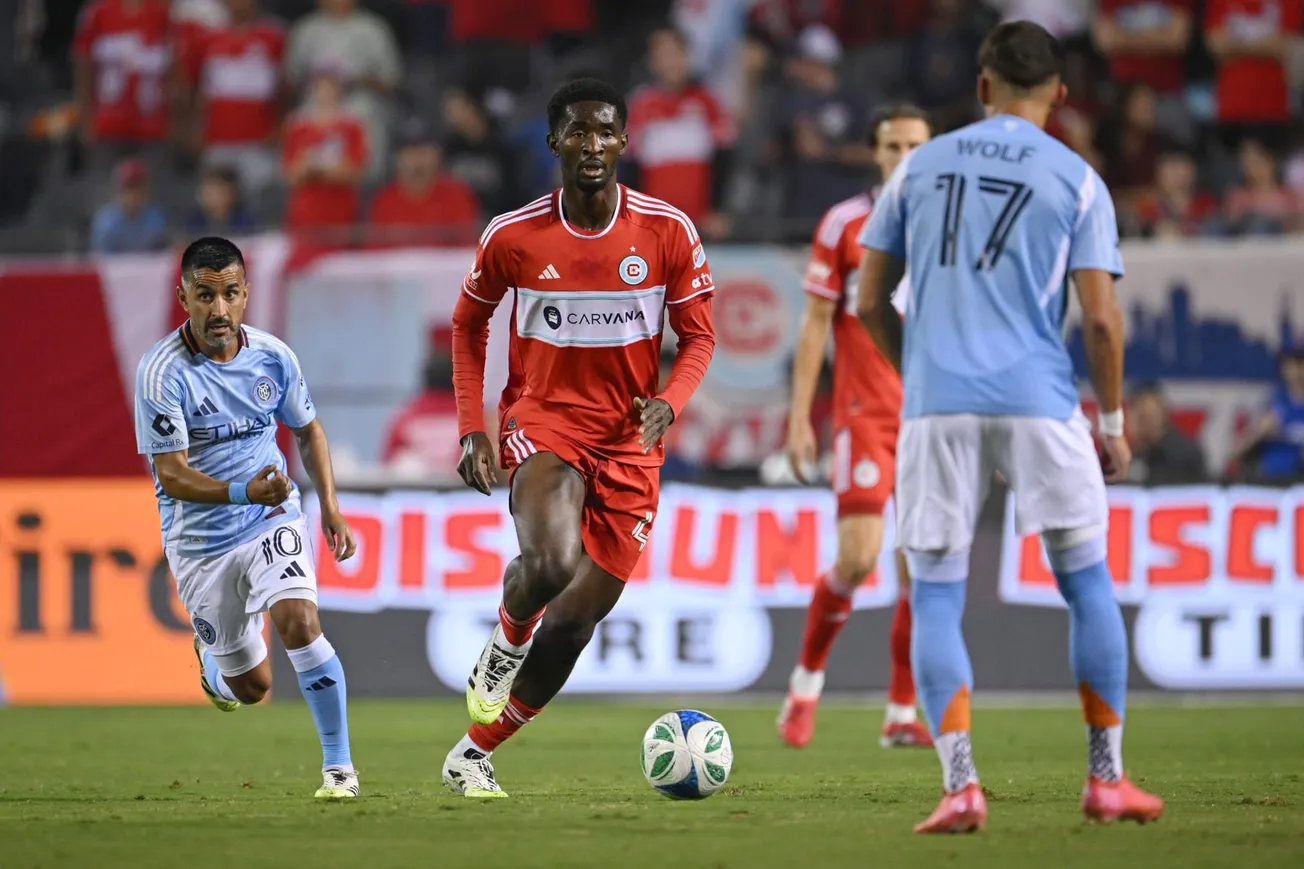

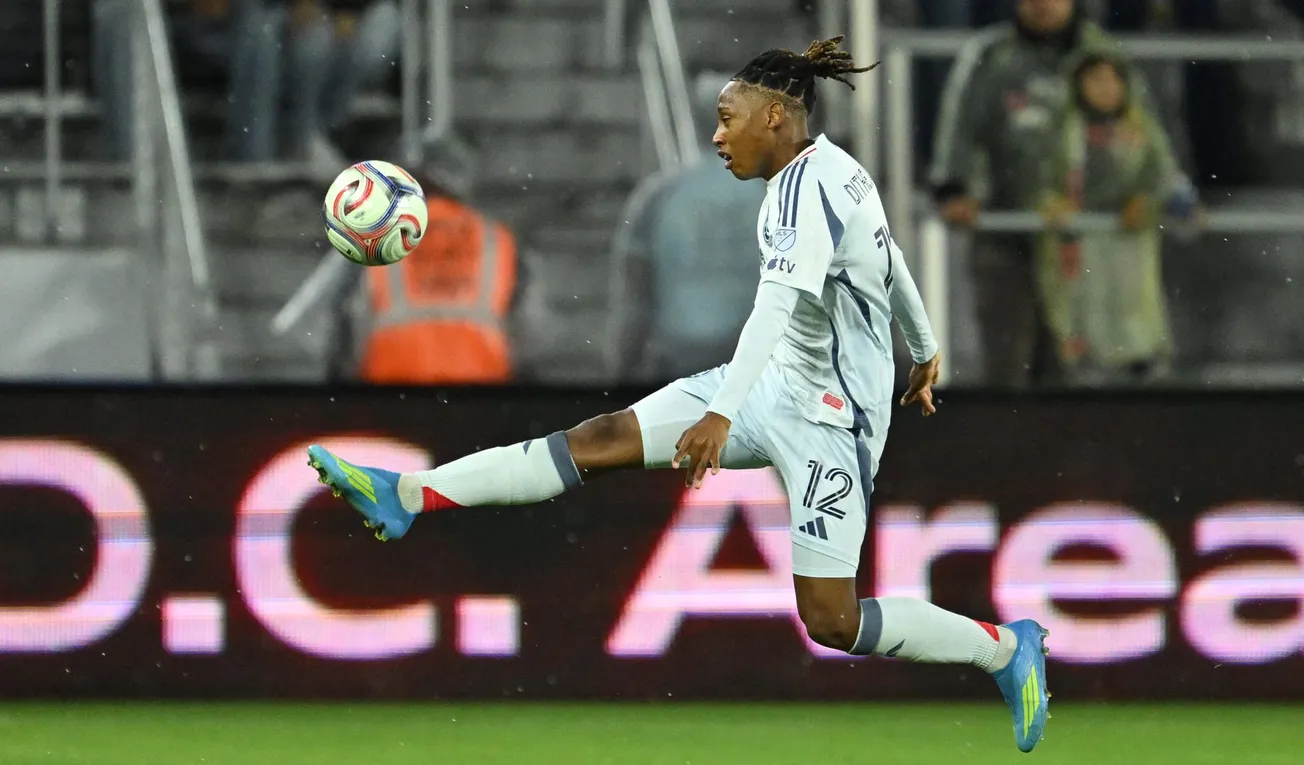
The Chicago Fire are back to winning ways, coming from behind to defeat D.C. United 3-1 at Audi Field on Wednesday. Gregg Berhalter’s team bounced back from conceding before halftime to roll to second half victory behind goals from Robin Lod, Hugo Cuypers, and Maren Haile-Selassie.
Here are five things we learned in Washington.
1. It just takes one
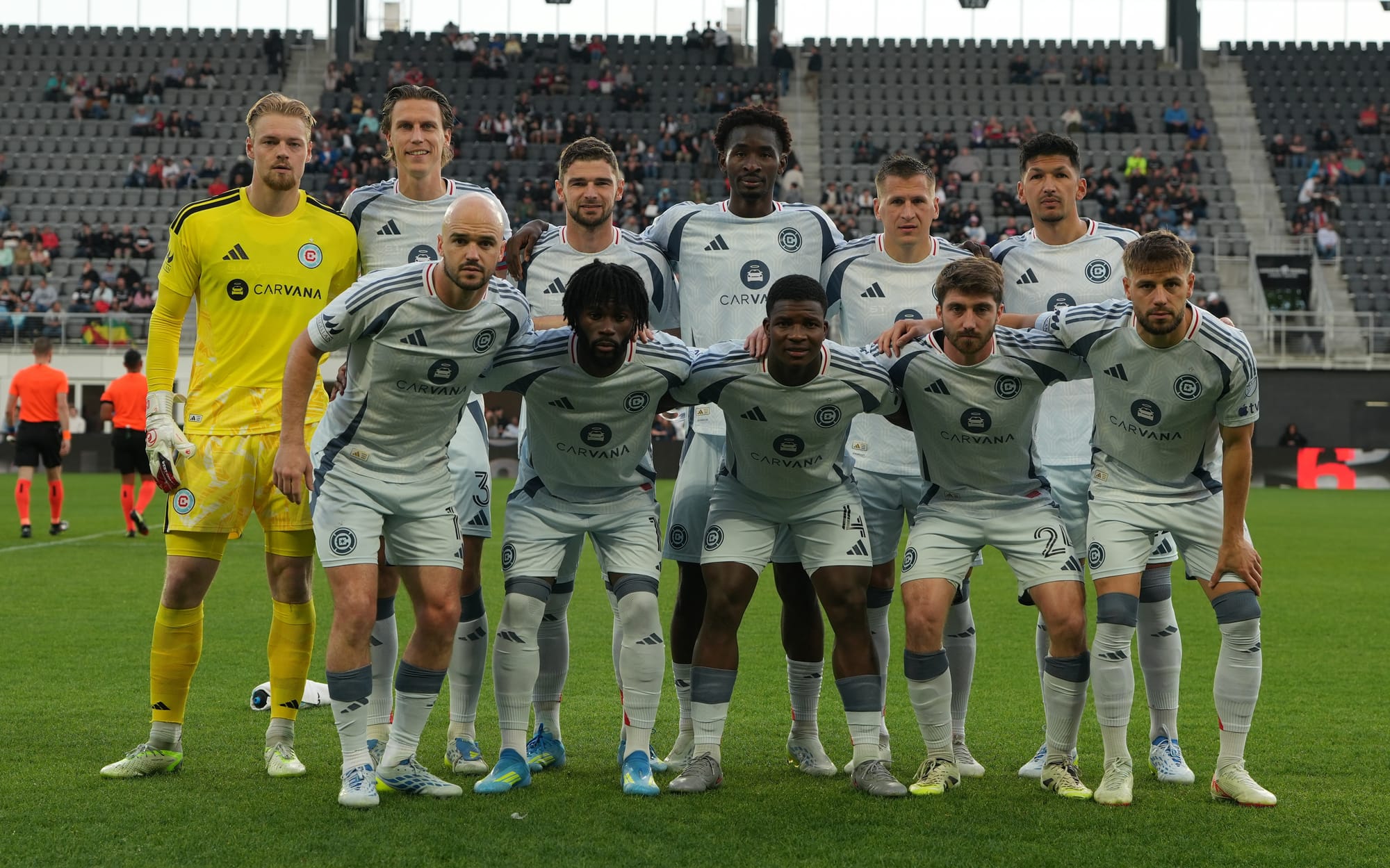
In the midst of a mid-season slump, it sometimes just takes one good stretch of play to turn things around. For the Fire, that’s exactly what happened in Wednesday’s second half.
Down 1-0 at the half thanks to a very preventable Tai Baribo strike, one would be forgiven for thinking the Fire looked set to extend their losing run to four. Though D.C. is by no means the most exciting team in the league, they have quietly climbed the Eastern Conference table in recent weeks, and were not out of place up a goal at home. However, the heavens gradually opened up as the second half started, and so did the Fire’s attack.
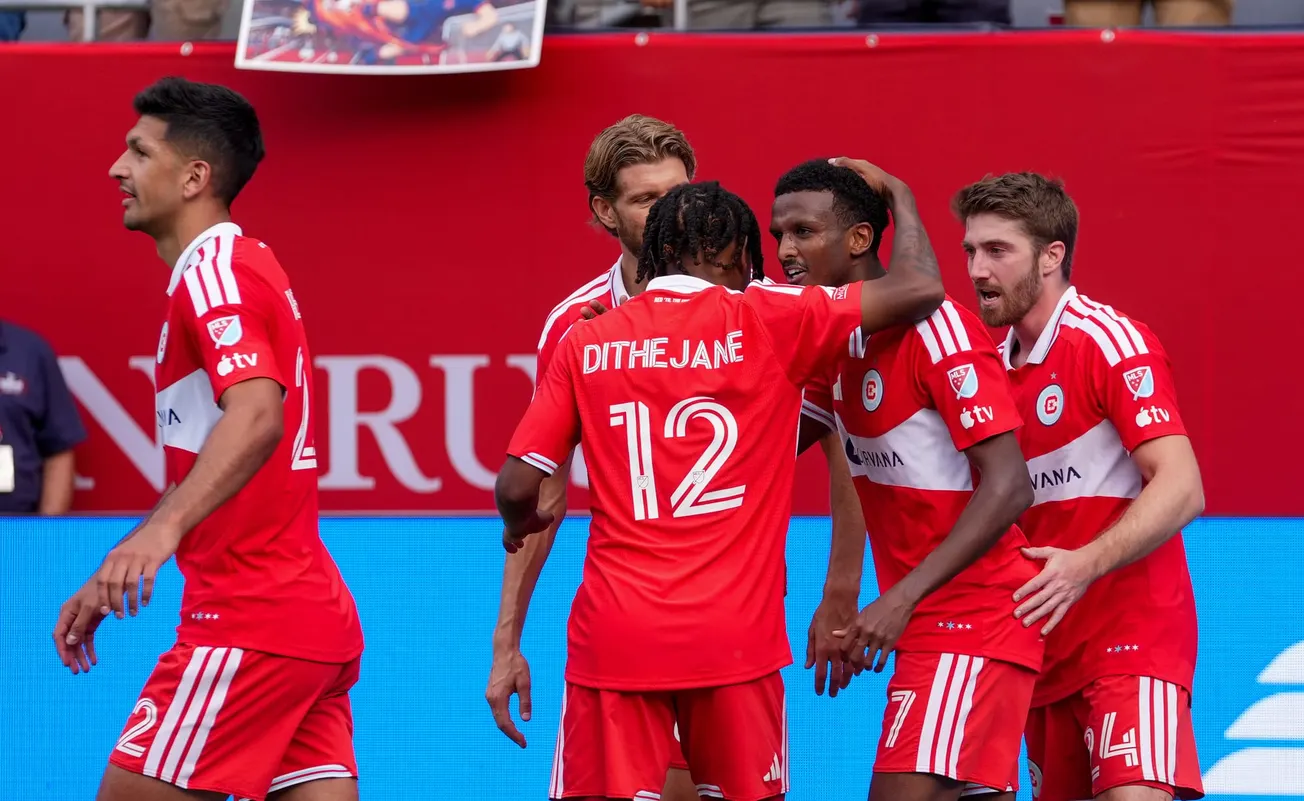
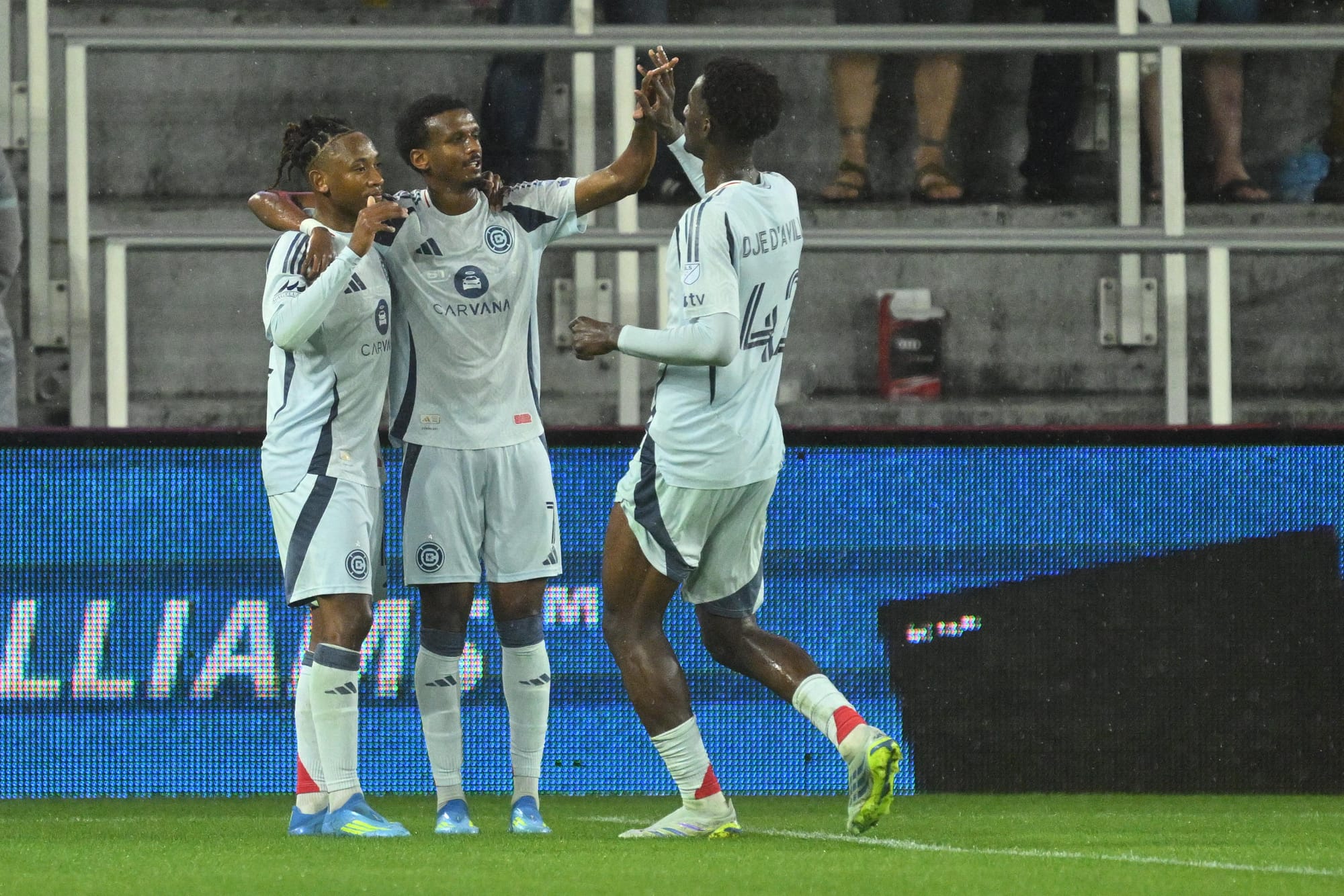
Robin Lod’s goal in the 62nd minute opened things up. It came a bit against the run of play in the moment for the Fire, who seemed to be on the back foot, but as soon as that went in, everything shifted. Nine minutes later, Cuypers gave them the lead, before Haile-Selassie wrapped up the victory right at the end. By that point, the life had been sucked out of a D.C. team that started well and were leading the charge just 30 minutes prior; the announced crowd of 11,000 also appeared to be a tiny fraction of that number by that point.
With two more games before the six-week World Cup break, that’s exactly the kind of moment the Fire needed to flip momentum and get the ball rolling before two games they should be winning against CF Montréal and Toronto FC to end the first portion of the season on a high note.

2. Cuypers keeps finding a way
The prevailing individual story of 2026 for the Fire has been Hugo Cuypers, who is now leading all of MLS in goals. Even more impressively, he’s done this with some injuries mixed in, and he’s only featured in nine games. This means he’s scored in every single MLS game he’s played.
Against D.C., Cuypers did not have the easiest night in terms of chance creation. In fact, he did not have a single shot from the run of open play throughout the entire match. He had his usual involvement in the buildup, including two passes into the final third, and made a few defensive contributions as well.
The moment of his goal best demonstrated the qualities that have made him the league’s top scorer with 12 goals already. As Cuypers missed a penalty a few weeks ago against FC Cincinnati, Philip Zinckernagel took on that responsibility, and when he, too, missed, Cuypers was there to clean up the ensuing chaos and score to give the Fire the lead.
At this point, the Belgian finds himself in some quite remarkable and rarified air. His nine consecutive games with a goal are the most by a player in Fire history (long surpassing the previous record of five) and the third most games with a goal in MLS history. He’s still chasing Josef Martínez’s and Carlos Vela’s records of 15 and 12, both attained when they were at the peak of their powers just under a decade ago. Cuypers leads the likes of Lionel Messi, Sam Surridge, and Petar Musa in the scoring charts this year.
Cuypers will look to keep his streak going against CF Montréal – a team he has already scored against this season, in a Stade Saputo fixture in which he also found the net last summer.
3. Midfield approach made the difference
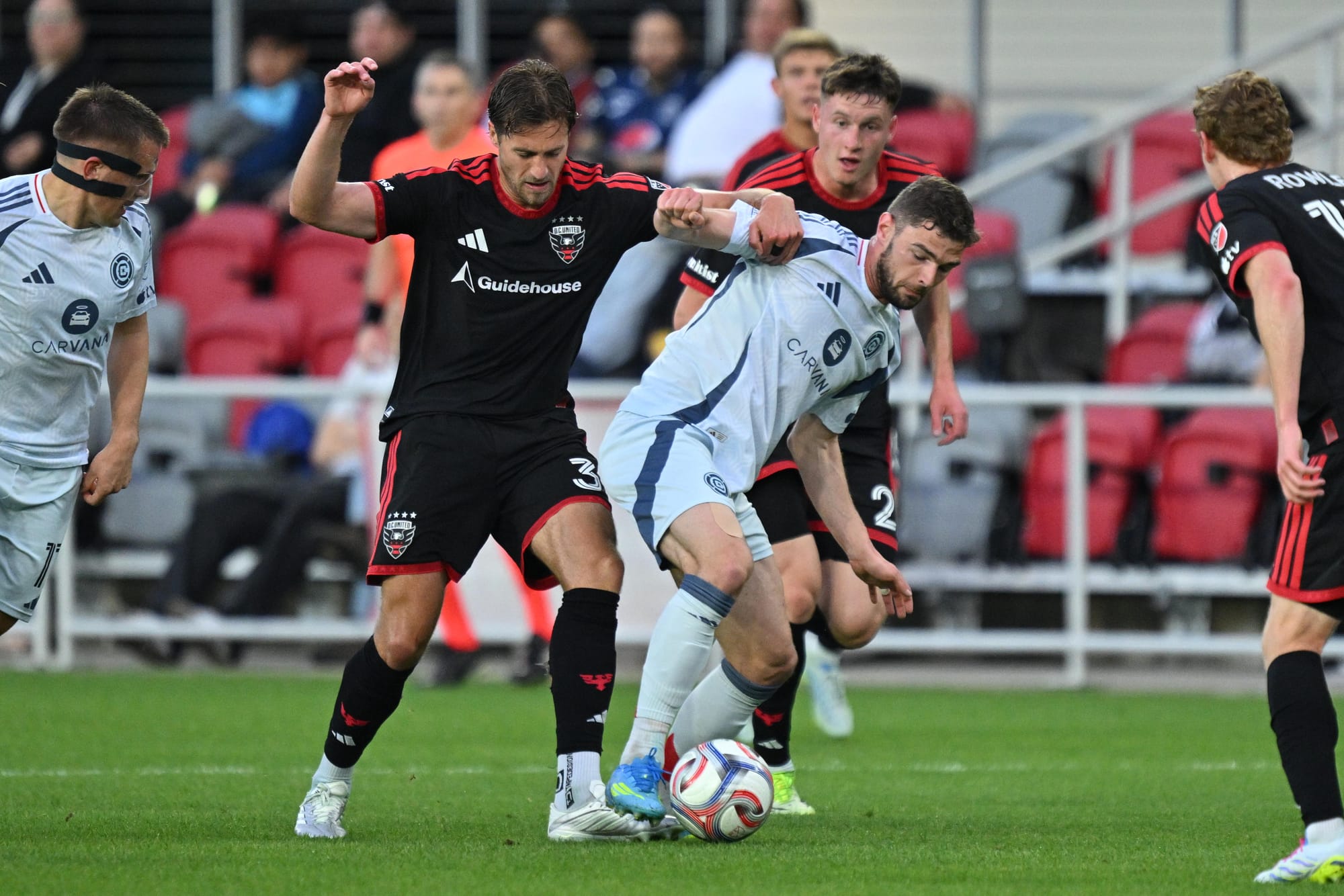
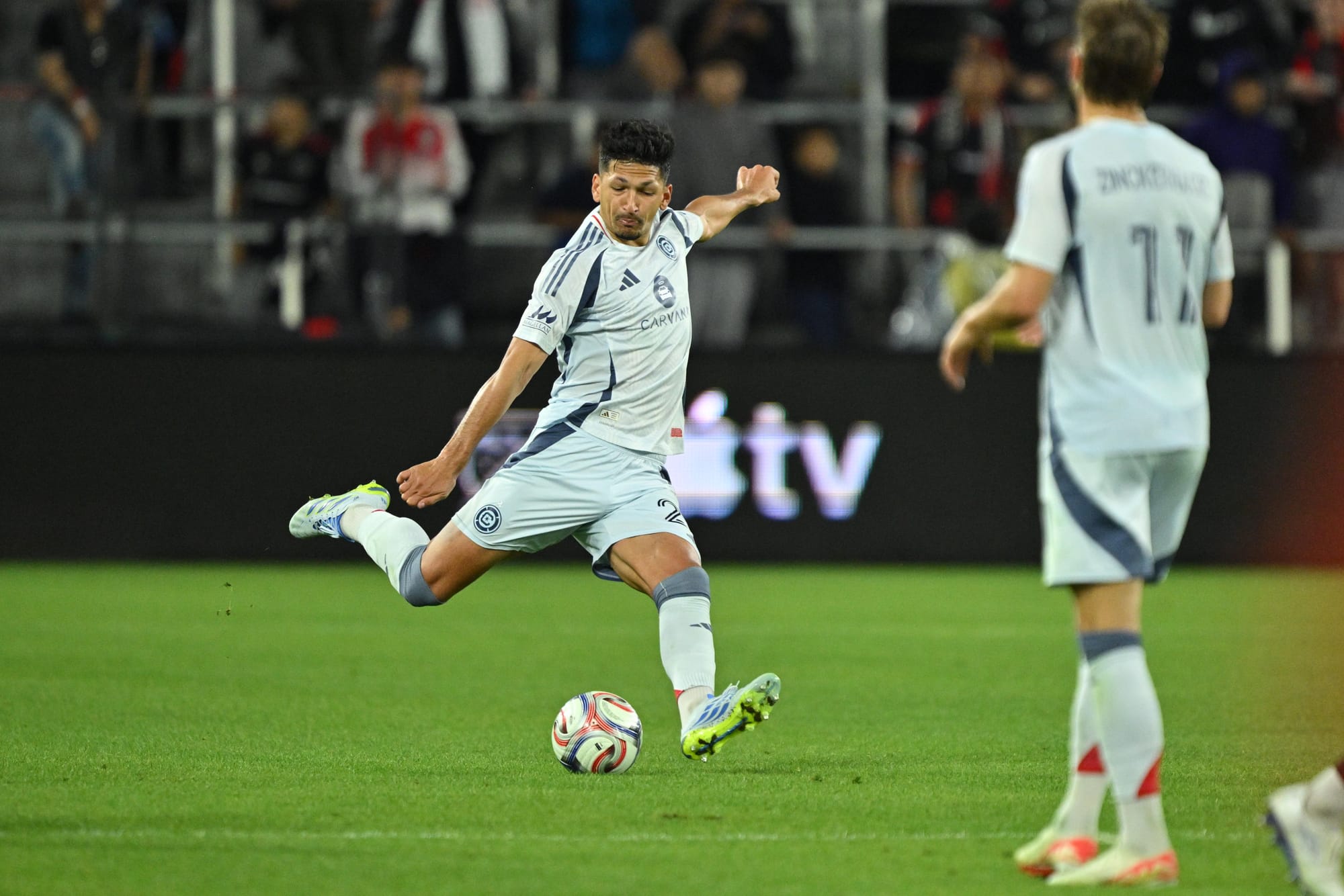
The biggest challenge for the Fire tactically coming into this one was in the midfield. Both Anton Salétros and Sergio Oregel were unavailable, meaning Berhalter’s options were incredibly limited. In fact, there were only two natural central midfielders in the squad – Djé D’Avilla and Mauricio Pineda – so both started at the base of a 4-2-3-1 with Robin Lod playing as the #10.
In the first half, the lack of creativity from that makeshift pairing clearly made this difficult. In a three-man midfield, both D’Avilla and Pineda are certainly better as a lone #6 in a 4-3-3, allowing them to clean up behind a more creative engine in front of them. The opening 45 minutes made this evident, and the Fire’s efforts to play through the center were largely in vain.
The second half adjustments made by Berhalter changed things. While he kept the duo together in the middle (in no small part because there were literally no other midfielders available to play), the team put less of an emphasis on playing through the middle in possession. This meant they could keep the stability that D’Avilla and Pineda largely brought defensively, but opened up more opportunities to get the ball to the wingers and forwards by bypassing the center. The increase in cross-field and over-the-top balls in the opening 20 minutes of the second half is certainly what opened things up and enabled the turnaround.
Looking ahead to Saturday, a big factor will be whether Salétros and/or Oregel is fit to return. If able to do so, either of those two should slot right into the starting team, allowing D’Avilla to focus on what he’s best at and open things up more for the Fire to attack via their engine.
4. Winger sparks make a huge impact
Even with the Fire back level at 1-1, it was the two attacking players introduced shortly after the hour mark who made all the difference that led the Men in Red to victory.
Puso Dithejane, who’s been finding his feet in the last weeks, was the first to make a big impact; cutting in off the left side, the South African did – admittedly – search a bit for a foul, and Nikola Marković stepped into the trap, committing a foul. That is what resulted in the penalty that saw Cuypers score his 12th goal of the season.
The other substitute was Maren Haile-Selassie, who continues to be one of the Fire’s most important players and an asset in a number of different positions. Against D.C., he demonstrated his prowess in a role he has very rarely played in his career, centrally as a #10 (and at times a second striker with Cuypers). Indeed, the Swiss star took over where Robin Lod left off in that role and was rewarded with a goal late on to seal the victory.
With Dithejane no longer looking out of place at the MLS level and Haile-Selassie maintaining his high level of production, the Fire now have two clear interesting dimensions they can bring off the bench. With André Franco also set to return post-World Cup, there’s a high likelihood Robin Lod will be demoted to the bench full-time, meaning there could be a plethora of options for Berhalter to introduce in the second half if the starters Bamba and Zinckernagel are not up and running.
5. Center back is the team’s strongest group
Admittedly, it’s a choice to say this 4 days after a 3-1 loss at home, but the game against D.C. reinforced that the defensive core is the Fire’s strongest positional group. They’re going into a game this Saturday against Montréal with three clear starting-caliber defenders and two strong MLS backups who have barely even featured this season. Surrounding last year’s fixture at Stade Saputo, they had just two available center backs by the end of the game, with one of them being a 36-year-old, now semi-retired Omar González.
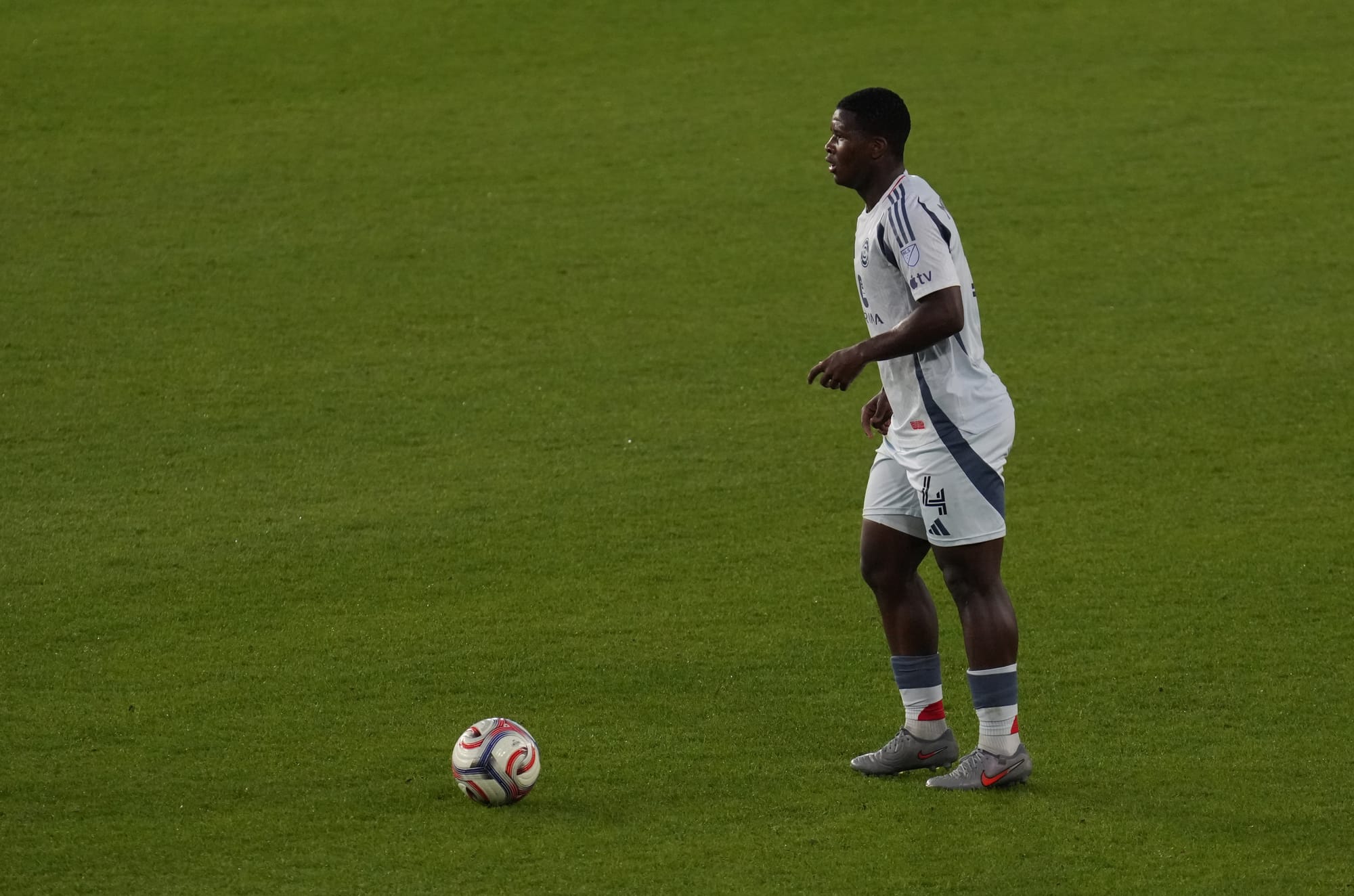
Mbokazi also had a key bounce-back night against D.C. He was the Fire’s most impactful defender, making several recoveries in important moments and combining well with his teammates on the ball. This was particularly meaningful considering his performances of the last month, including a rough night against St. Louis City in the Open Cup, and a performance against Cincinnati that saw him benched for last week’s loss to the New York Red Bulls. With the World Cup just around the corner, Mbokazi has to be at the top of his game, even if a spot in Hugo Broos’ South Africa squad is all but guaranteed.
Though the stats would indicate that Mbokazi has been the Fire’s most effective defender this season, Jack Elliott is still the apparent #1 center back for Berhalter, and he also had a solid night. The only hiccup came in front of goal, where he missed what could have been a glorious set piece opportunity either to score or to set up someone else.
This game seemed like one where the Fire might want to use a back three. They didn’t, and it worked anyway, but had they chosen to do so, there would have been no hesitation to throw Joel Waterman in the lineup. Having a backup of that quality is something the Fire have not been used to in recent years, particularly at center back, and gives the team a dimension they simply have not ever really benefited from in the past.