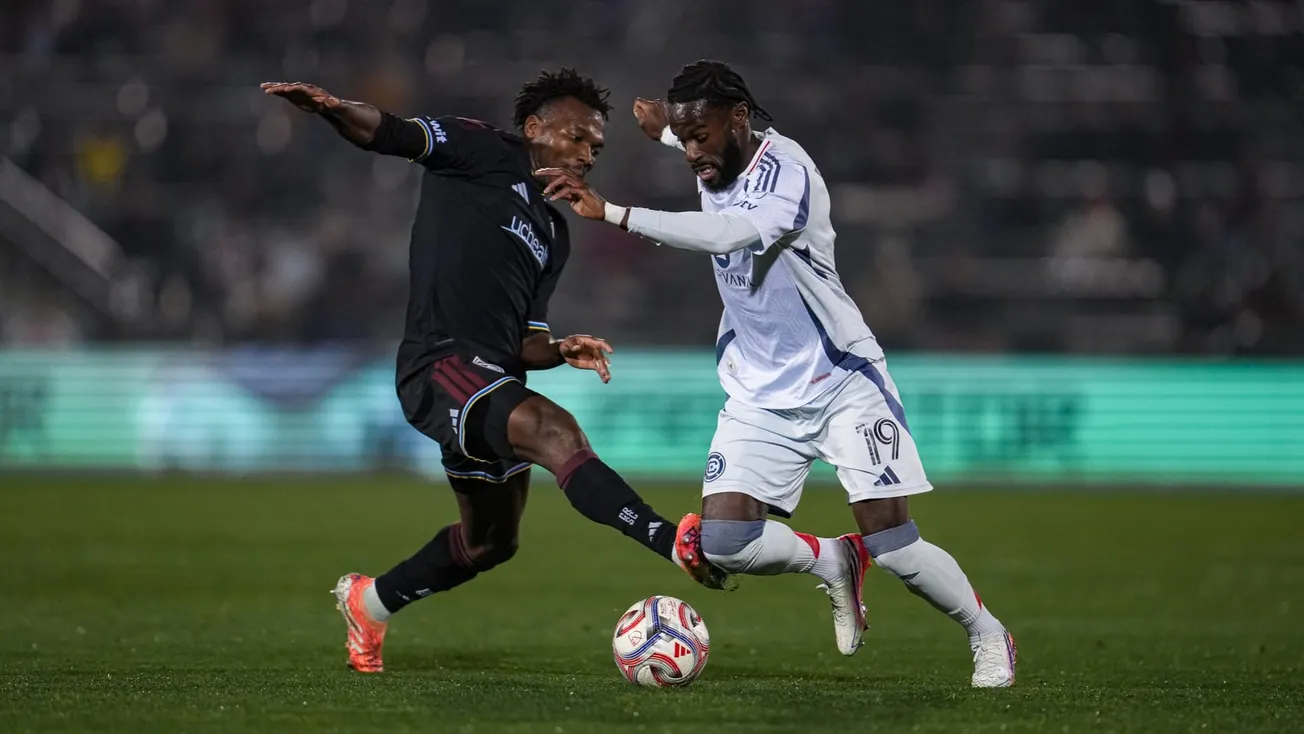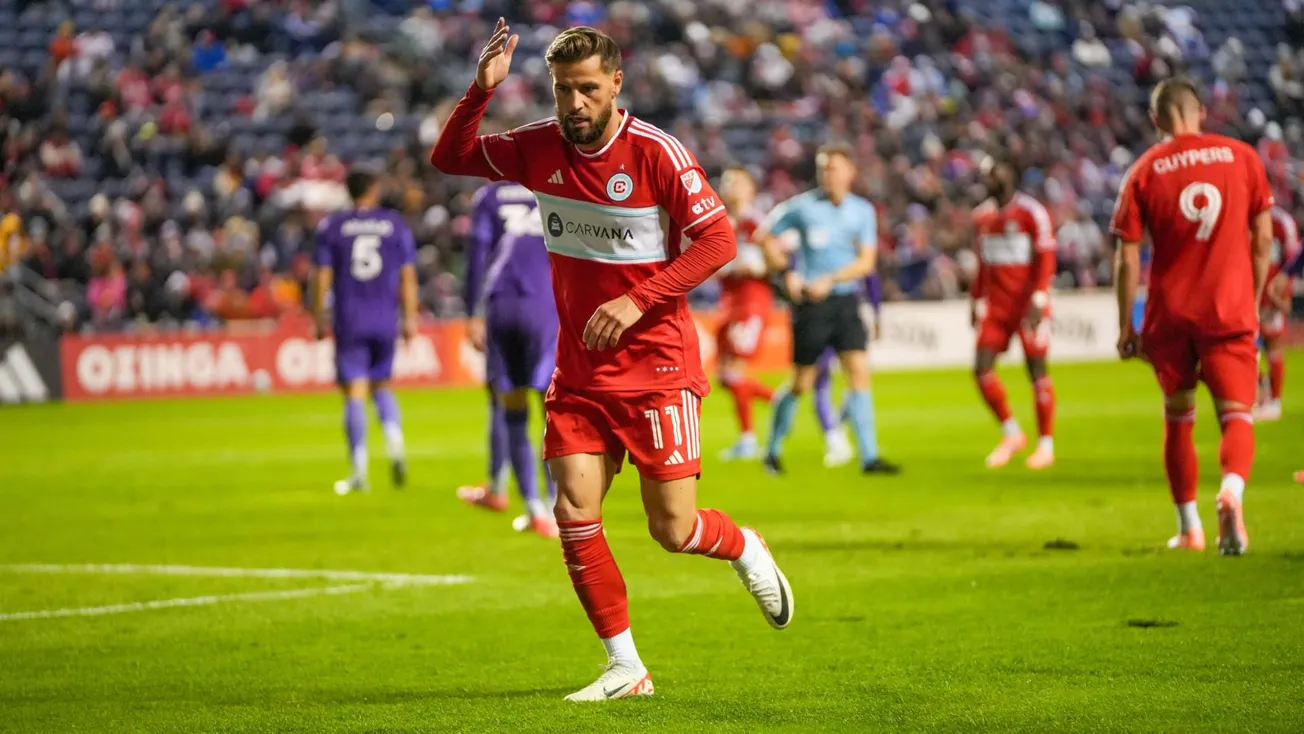


It’s the Chicago Fire vs. Charlotte FC in the MLS Cup playoffs. And if Gregg Berhalter could have dreamt up his ideal first round opponent among realistic options in the jam-packed, overpowered Eastern Conference, Charlotte would certainly have been right up there.
Charlotte have been Berhalter’s favorite opponent in all of MLS across his two seasons in Chicago. It is the only team the Fire have gone 4-0-0 against in that time period, trailing for a grand total of one minute during the four matches. The Men in Red are favored in this best-of-three series and will have home-field advantage, having finished one point above Charlotte in the regular season to set up the 4v5 matchup.
Despite all that data favoring the Fire, this series remains set to be an incredibly closely fought one. The Fire’s last two meetings with Charlotte – including both this season – were incredibly even contests decided by just one goal. Coached by the experienced Dean Smith, the North Carolina side have scored 11 goals across their last three games to end the regular season, including 4-0 wins over Montréal and Orlando and battling back from 3-0 down to draw Miami 3-3 on Decision Day.
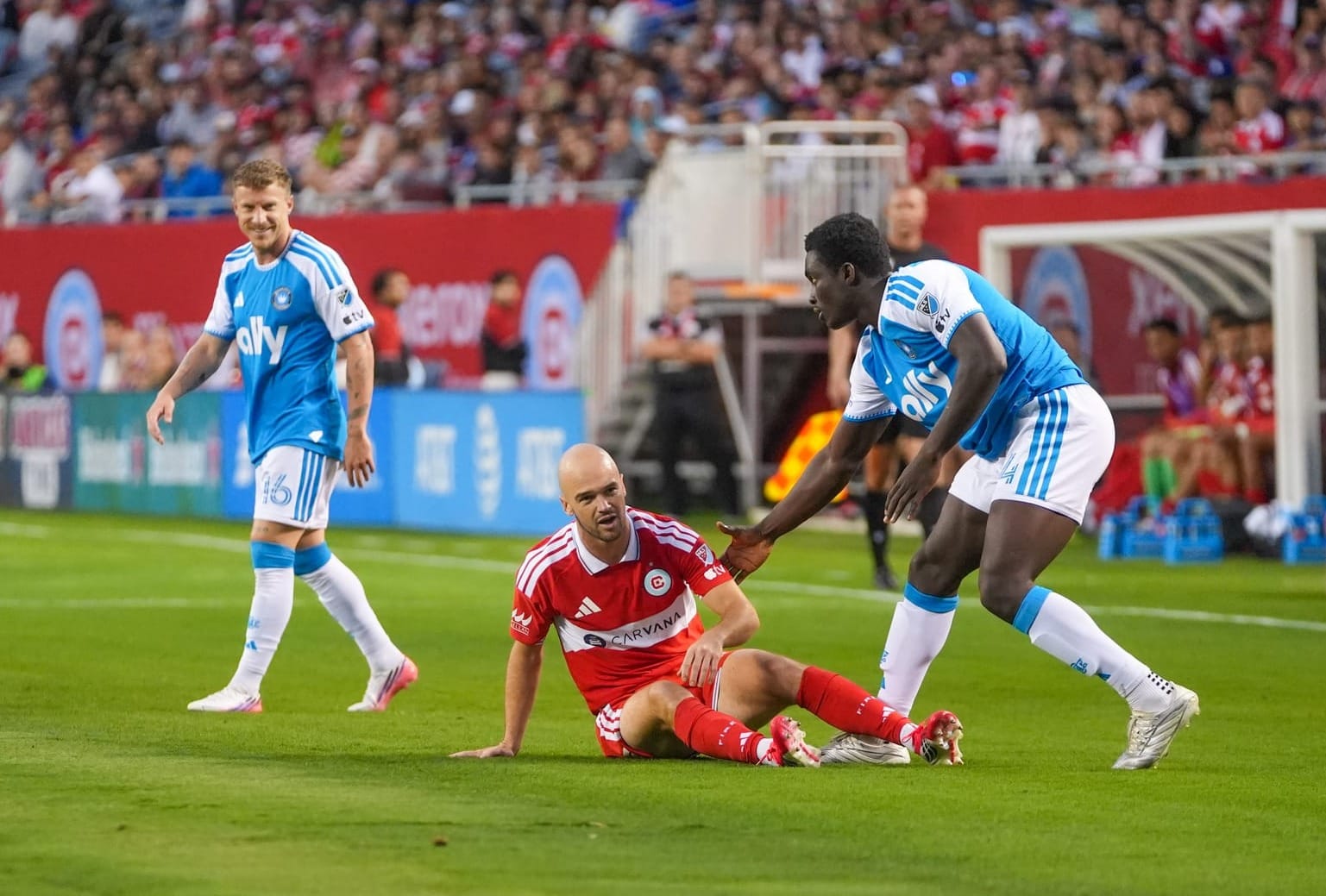
No two games are ever the same in any league, but Chicago’s two previous meetings could inform how this playoff series looks in several areas. The countdown to Game 1 is a perfect moment to look back at the August 1st and September 26th meetings between these two teams to get an idea of what to expect when Berhalter and Smith’s sides reunite in Bridgeview on Sunday.
Shot Selection
Watching back both previous meetings this season, there is one thing that immediately jumps off the page: the Fire seemed desperate to test goalkeeper Kristijan Kahlina as early and as often as possible… even if it meant taking significantly lower-probability shots than they usually have under Berhalter.
This passed the initial eye test and is loudly backed up by the numbers. 6 of the Fire’s 14 shots in August came from outside the box. In September, it was 10 of 18. Across the two meetings, exactly half of Chicago’s attempts came from distance, compared with roughly 29% over the regular season.