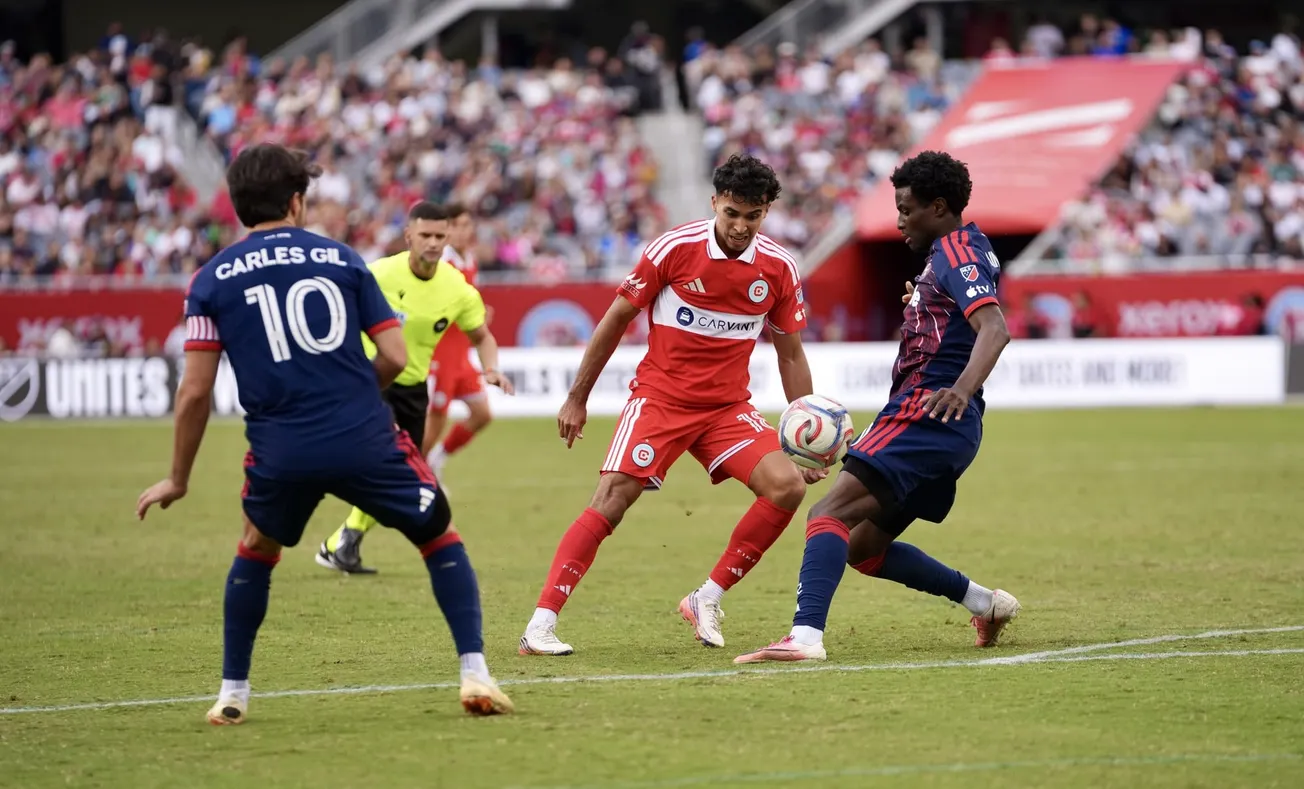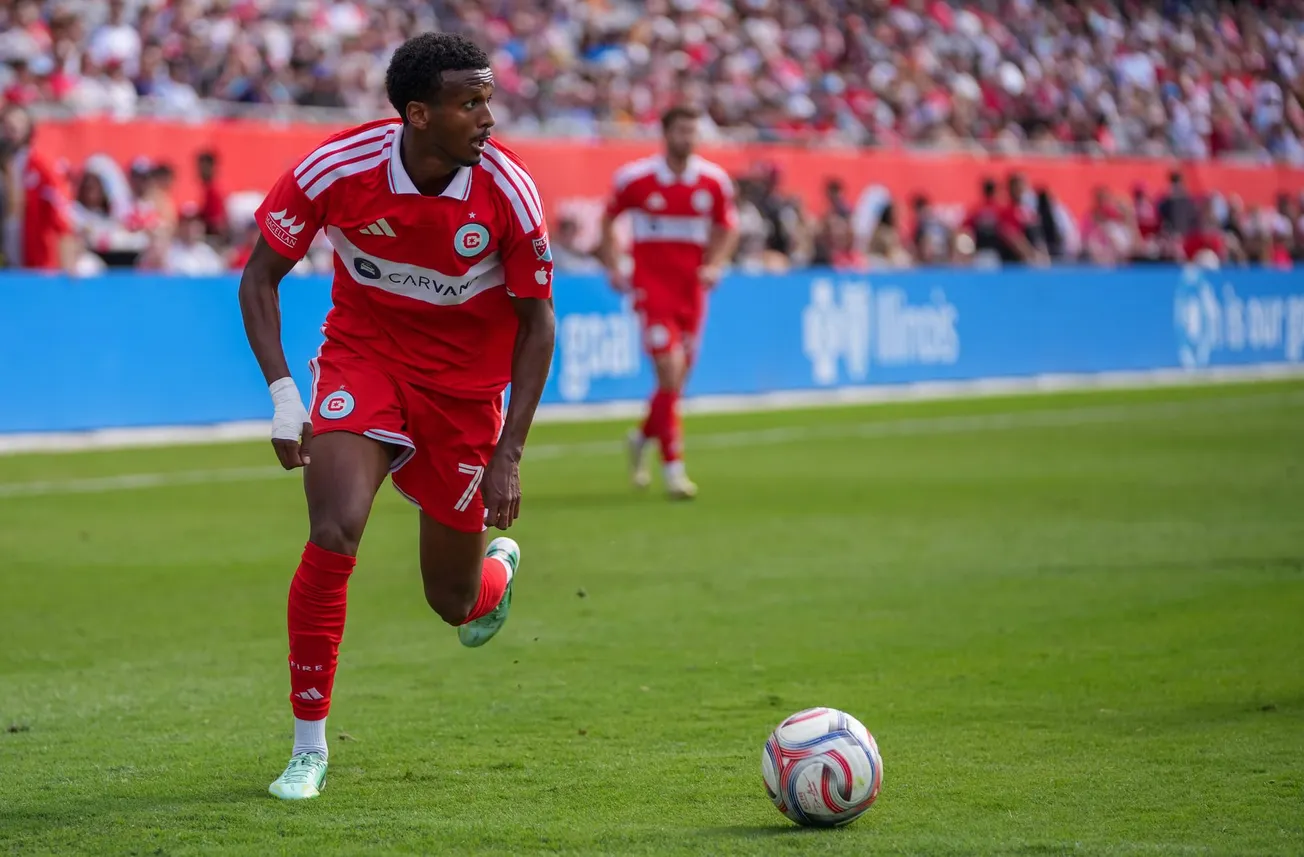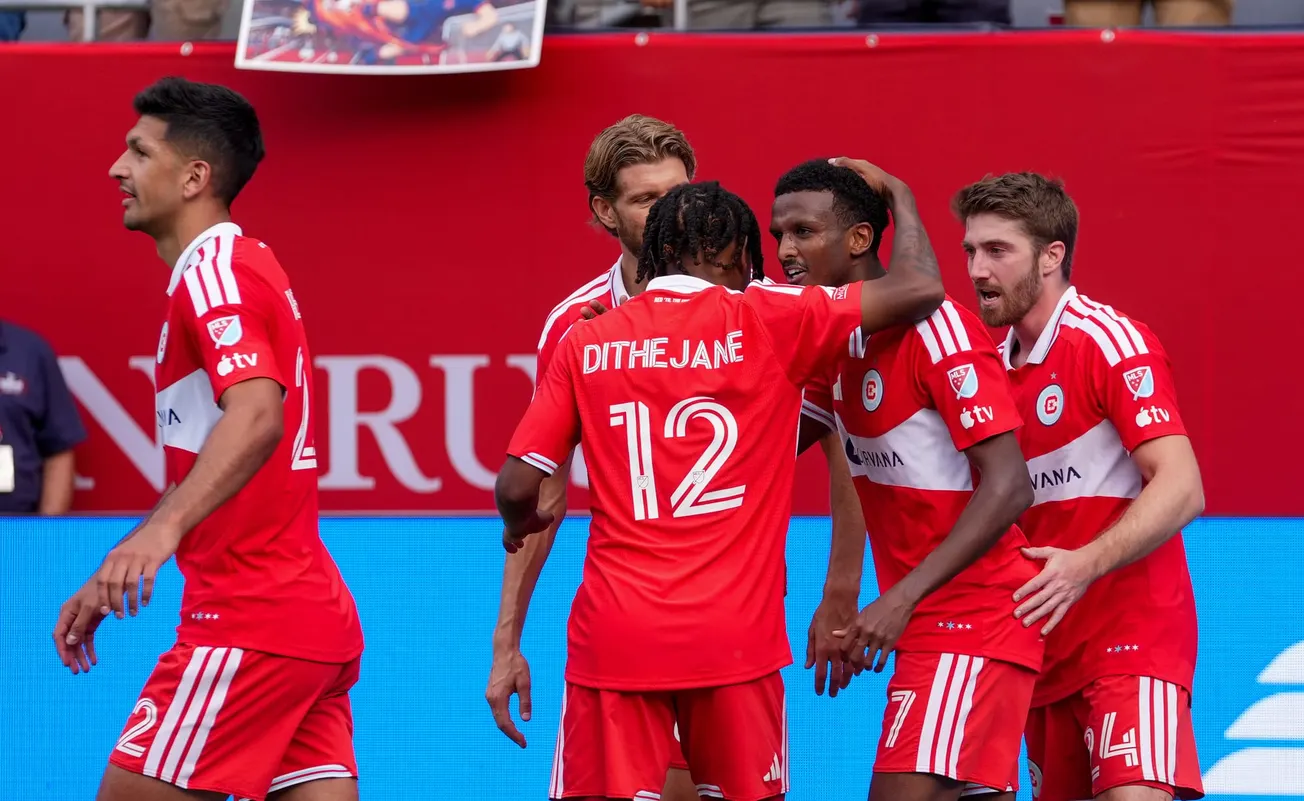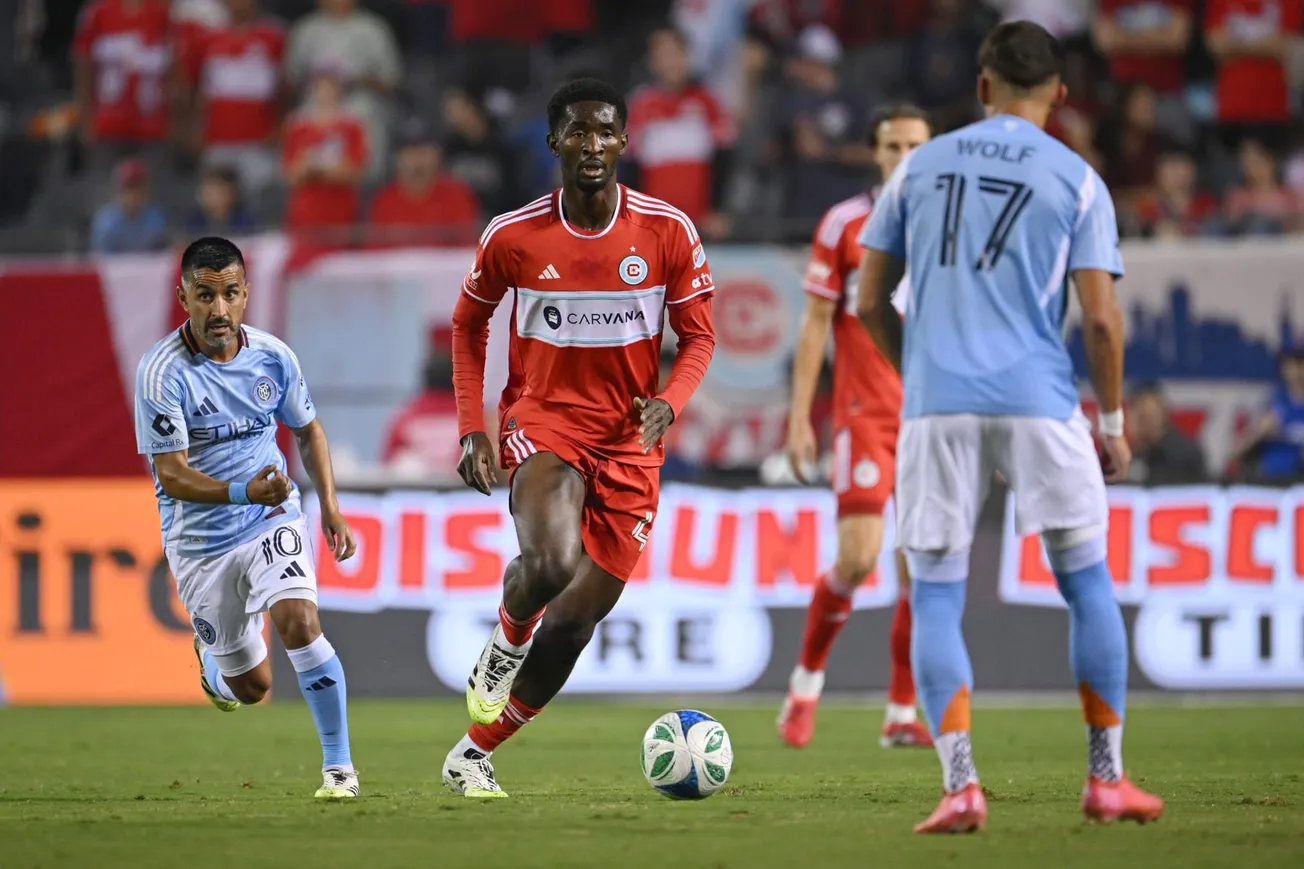

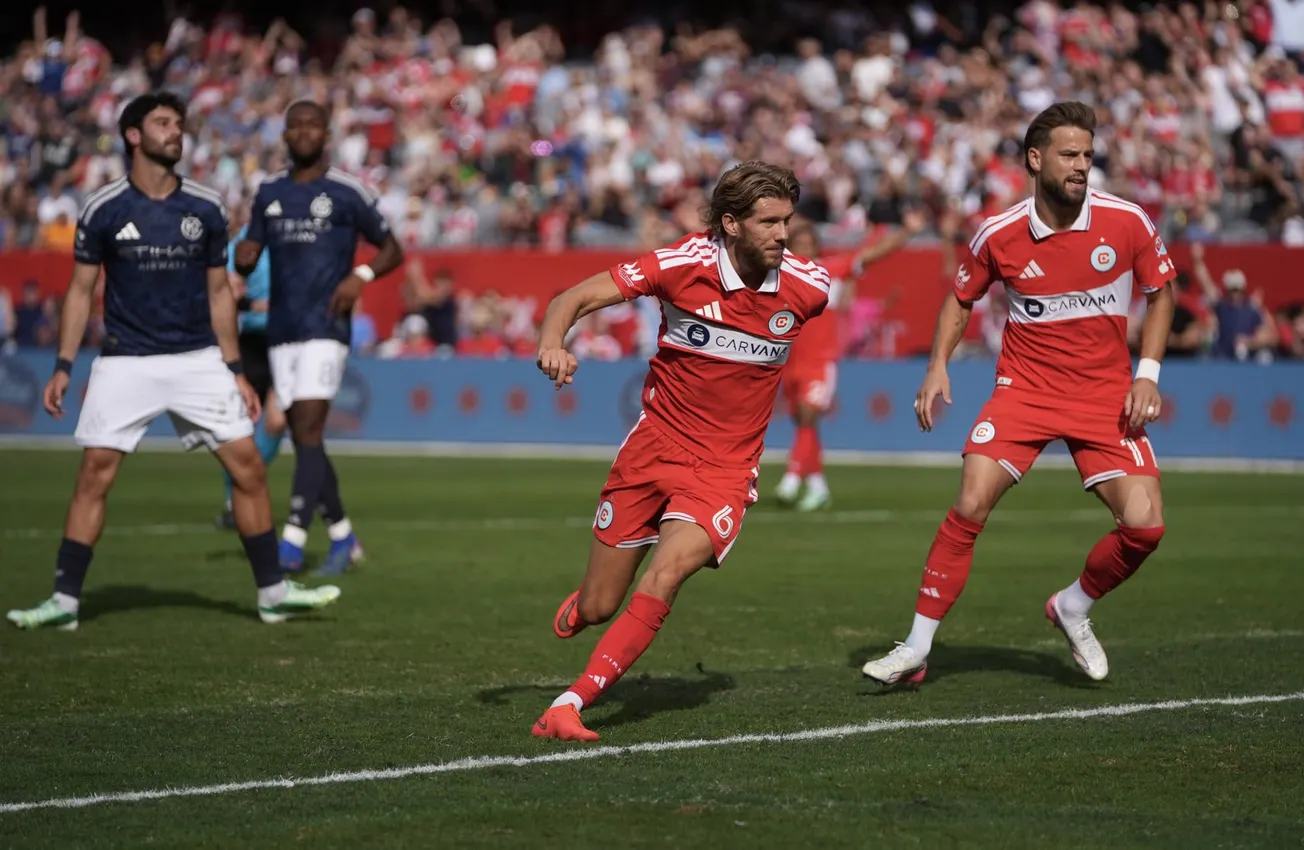
For the first time in five years, the Fire were victorious against NYCFC, and the 2-1 down-a-man-come-from-behind victory couldn’t have come in more dramatic fashion.
Here’s what we learned from the Fire’s second win this week.
Sometimes, you’ve got to go for it
A topic of conversation in the press box for this one: There clearly was a Fire game plan from kickoff, it’s just, it wasn’t entirely clear what it was: The Fire were pressing high, they were playing players well out of their natural positions (even if we’re calling Leo Barroso a left-back), and trying to break down a compact NYCFC team in ways that just wasn’t overly convincing.
For the first 25 minutes or so, the Pigeons had the Fire pinned back, and far too many of the Fire’s passes were either to a guy in traffic or were low-value passes sent backwards. Far too much was running through Djé D’Avilla (hold your thoughts for a second), and he really wasn’t doing much with it.
They were also making mistakes, which put the team down a goal. After that, the Fire were working the ball better (partly because up a goal, NYCFC could afford to sit back more), but still weren’t getting the ball into truly dangerous areas: The team spent too much time trying to create overloads on the right side of the pitch, and NYCFC were ready almost the entire time.
As a result, they found themselves going into the second half down 1-0 and with just 10 players on the pitch.
In the second half, they turned things around to get the victory. “We even played better down the man than 11-v-11,” Maren Haile Selassie told us after the game. What changed?
“It was really about how we were going to go about it,” Berhalter said, referring to the situation the Fire found themselves in at half. “You have a couple options in how you want to create your shape, and we took an aggressive shape, down a man. We knew it was going to mean that we're going to have to slide aggressively to one side of the field and potentially leave the other side open, but it was, believe in it, here’s how we’re going to do it and stick together.”
That involved more direct attacks and pushing everyone – both fullbacks and even the center backs – higher in possession. It may have been risky. It was simple. And it worked.
The Fire are learning how to press without Cuypers
So here’s a problem that we’ve talked about a few times: Hugo Cuypers was both a high-end goalscorer and a fantastic presser. Other center forwards might arguably be better pure finishers or better at the press, but Hugo was the only guy who could really do both at an elite level in MLS. Losing him meant that not only were the Fire losing their leading goalscorer, but also their 1st defender.
So when Cuypers left, the question was, who was going to do the pressing that he did? The answer, at first, was kind of “no one:” The average height of the Fire’s defensive actions dropped, and good teams – and back in July, teams like New York City, now a firmly “ok I guess” team – figured out how to work past the Fire’s defense.
The Fire have adapted. Playing as a 4-4-2 out of possession, either the second center forward or one or both of the wingers (“wide midfielders,” if you really want to be technical about the 4-4-2 shape in a way that I don’t think anyone needs to be) are tasked with doing the work that Hugo did before he left.

And it’s working, or at least, starting to. Against NYCFC, the Fire’s average height of defensive actions was 52.48 meters, versus an average that had recently dropped into the high 30s. While part of that is game state – the Fire were down and had to go for it – you could see the pressing patterns from early on.
I’m ultimately not sure that it’ll be as effective as what Cuypers was able to do. At the very least, because it relies on a larger cast of players (it was Maren and Zinck more than anyone else in this one), it makes things less consistent. For virtually every minute the Fire played when the game was on the line, Hugo was on the pitch. Now we’re likely to see a lot more rotation: It might be Johan Gómez at times, it might be Zinckernagel, it might be Haile-Selassie, it might be Bamba, and that poses additional risk.
It also makes transition moments harder: Playing as the lone striker, Cuypers was likely to be farthest up the pitch if the Fire lost the ball. Haile-Selassie, meanwhile, was a forward out of possession but more of a midfielder in it, and he can’t be in both places at once.
Still, it worked against a New York City team that is not great, but who have also been the Fire’s kryptonite for most of their history.
Berhalter noted that the Fire allowed nine opposition passes per defensive action – “which is a very low number for being down a man,” and honestly about middle of the pack even if you’re not.
The Fire may not press like they’re about to stamp sheet metal, but then again, with the skill and talent of the group, they may not have to.
Maren’s more than earned the new deal
Speaking of Maren: He’s having a superlative season for the Fire, and this game – the first after we were told that he had a new contract that would keep him in a Fire uniform until the last few months of this decade.
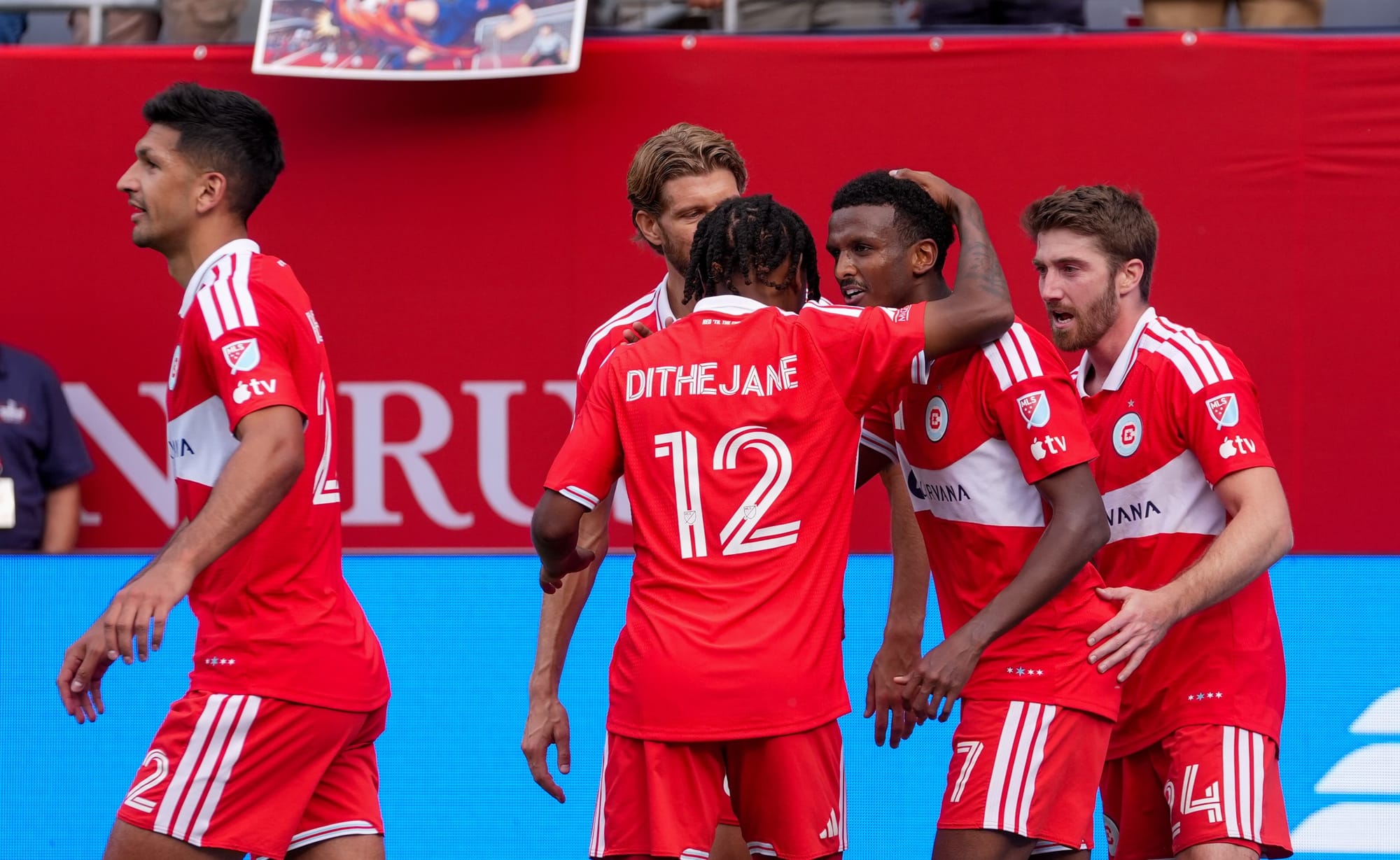
He was involved in both Fire goals, and his goal and assist gave him 10 of each on the year, making him just the second player in Fire history to get 20 goals and assists since Philip Zinckernagel did it last year.
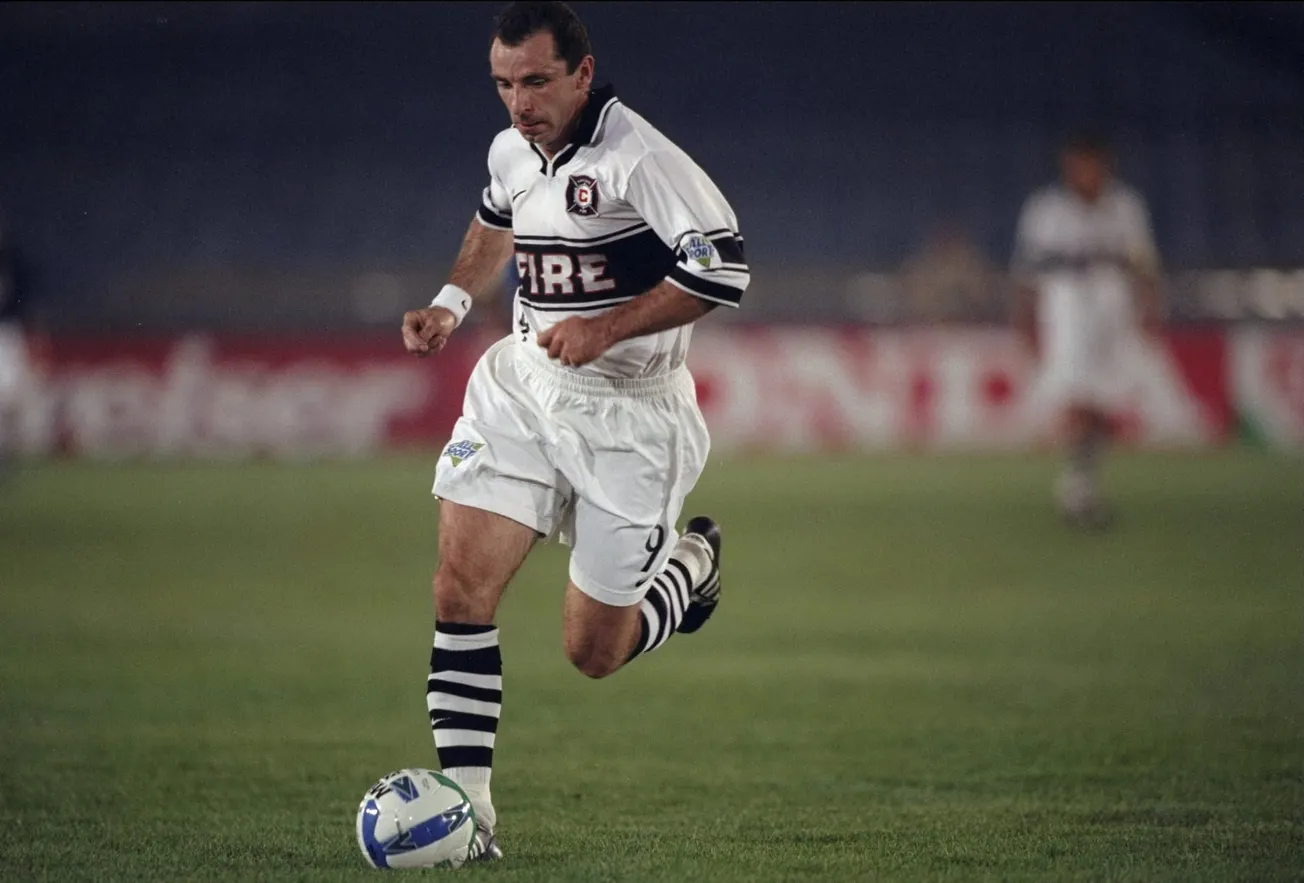
His 10th goal of the year was his 23rd in a Fire uniform, which gives him sole possession of Fire’s ninth-highest goalscorer in history, pulling him out of a four way tie with Damiani Ralph, Dema Kovalenko and Mike Magee. He’s now just three goals away from being in a three-way tie with Peter Nowak and Marco Papa for 7th all-time for the Fire. Ahead of that: Josh Wolff (nine goals to go), David Accam (10), Cuypers (17). All might be attainable over the course of his new deal.
In terms of overall offensive output, he’s in sixth place, and by the time his new contract is up, it’s possible he could be second, behind only Ante Razov and his 114 (76 G, 38 A, with many of those assists coming from a time when MLS counted them a lot closer to the way the NHL does than is the case today).
And he’s done it while playing virtually every role from the midfield forward for the Fire, sometimes off the bench, and sometimes as a starter. Berhalter has called him a “Swiss army knife,” but unlike all of those that I’ve owned, Maren has actually been good-to-great at doing whatever job is asked of him.
He’s also the player that developed the strongest on-field chemistry with Robert Lewandowski: Three of Lewandowski’s four assists for the Fire have been finished by Haile-Selassie, and the fourth when the two combined to set up Anton Salétros’s header in this one. That’s almost half of the seven goals that Maren’s scored since the World Cup break, and even when the two haven’t connected directly, no one has been able to take advantage of the space that Lewandowski’s been able to create by pulling defenders off than the Swiss attacker.
Haile-Selassie is one game and 41 minutes shy of tying his MLS highs for appearances, starts and minutes, and I wouldn’t be at all surprised if he got that on Wednesday. He’s five goal contributions away from being fifth on the Fire’s all-time list; it’s a steep climb for him to make that in 2026, but it’s certainly a distinct possibility.
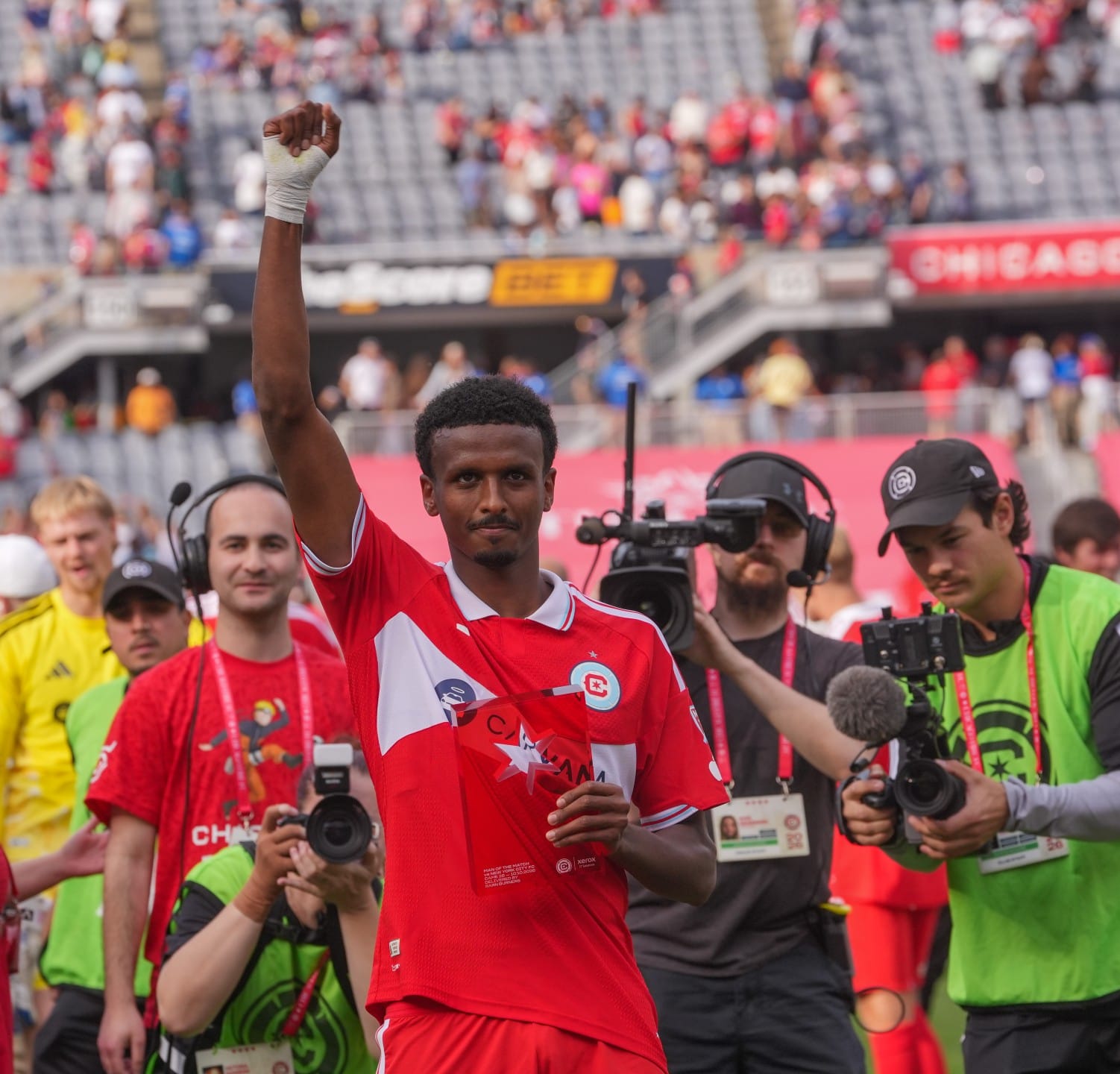
Not bad for a guy who came here on loan. When asked if he expected to be sticking around for the better part of a decade, Haile-Selassie characteristically made most of his answer about the team, telling us after the game “I just came to see how it goes and it ended up being almost four years and longer. So I'm glad, like I said in my statement, how the Club is developing. It's amazing to see from where we were, how we're progressing and the team is getting better and I want to be part of it.”
Djé’s Toughest Opponent Is Still Himself
It hasn’t always been clear from his play, but D’Avilla is one of the most skilled players on the Fire’s roster.
There are two reasons why the talent level hasn’t always been obvious. The first is that, despite being signed shortly before his 22nd birthday, the Ivorian midfielder had played very limited high-level soccer before joining the Fire. As such, he’s had to learn to process the game a lot faster, and, honestly, he’s had to really learn how to play the roles asked of him.
Second, and has been, in all honesty, the far larger impediment: He gets into his own head way too much during games, and once he does, for the longest time, he couldn’t find a way out for the life of him.
There used to be a quick-and-easy way to figure out if Djé D’Avilla was going to have a good game or not: If his first three touches were good, he likely would. If they weren’t, he wouldn’t.

He’d mostly moved past that. Until yesterday.
I’m not sure if it’s because he ended up with his butt on the ground after failing to find a header in the game’s opening seconds, or because less than a minute later, a contested ball went off his foot and right to a guy in blue, but from the early goings, D’Avilla did not look like the increasingly confident, composed player that we’d seen from the Fire in recent weeks, after, from what he told us, Lewandowski was amongst those helping home work on his positioning even as Berhalter and the coaching staff were working on his confidence.
All that seemed to evaporate in the afternoon sun yesterday.
New York’s goal happened his solution for recovering from a loose touch in build up was to play a pass directly to Agustín Ojeda, in the hope that it would somehow make it past him to Leo Barroso. It didn’t, and less than 15 seconds later, the Pigeons were on the board.
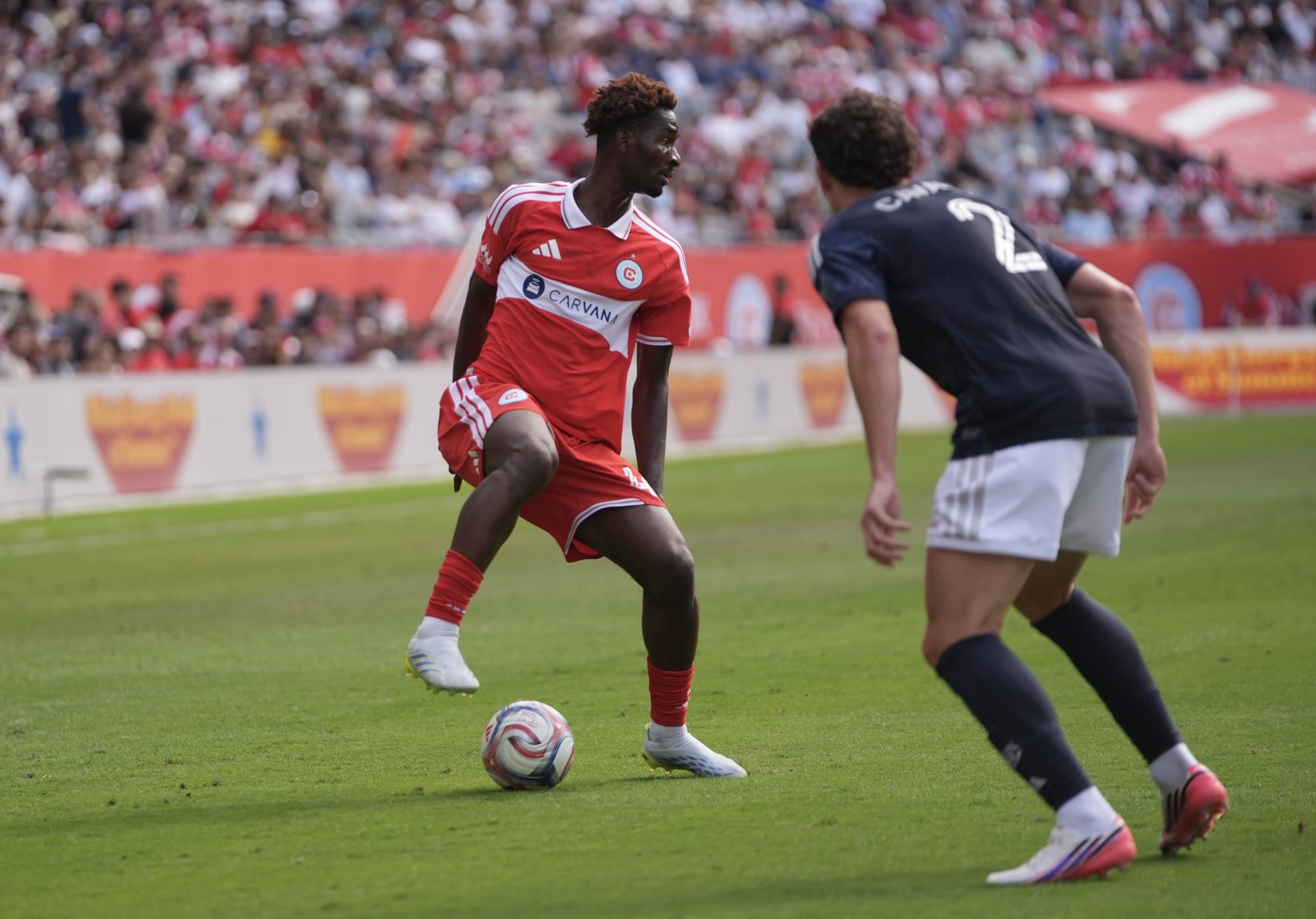
A minute later, D’Avilla picked up a yellow when he made contact with Aiden O’Neill after the New York midfielder decided to jump to connect with a high bouncing ball and D’Avilla didn’t check his run.
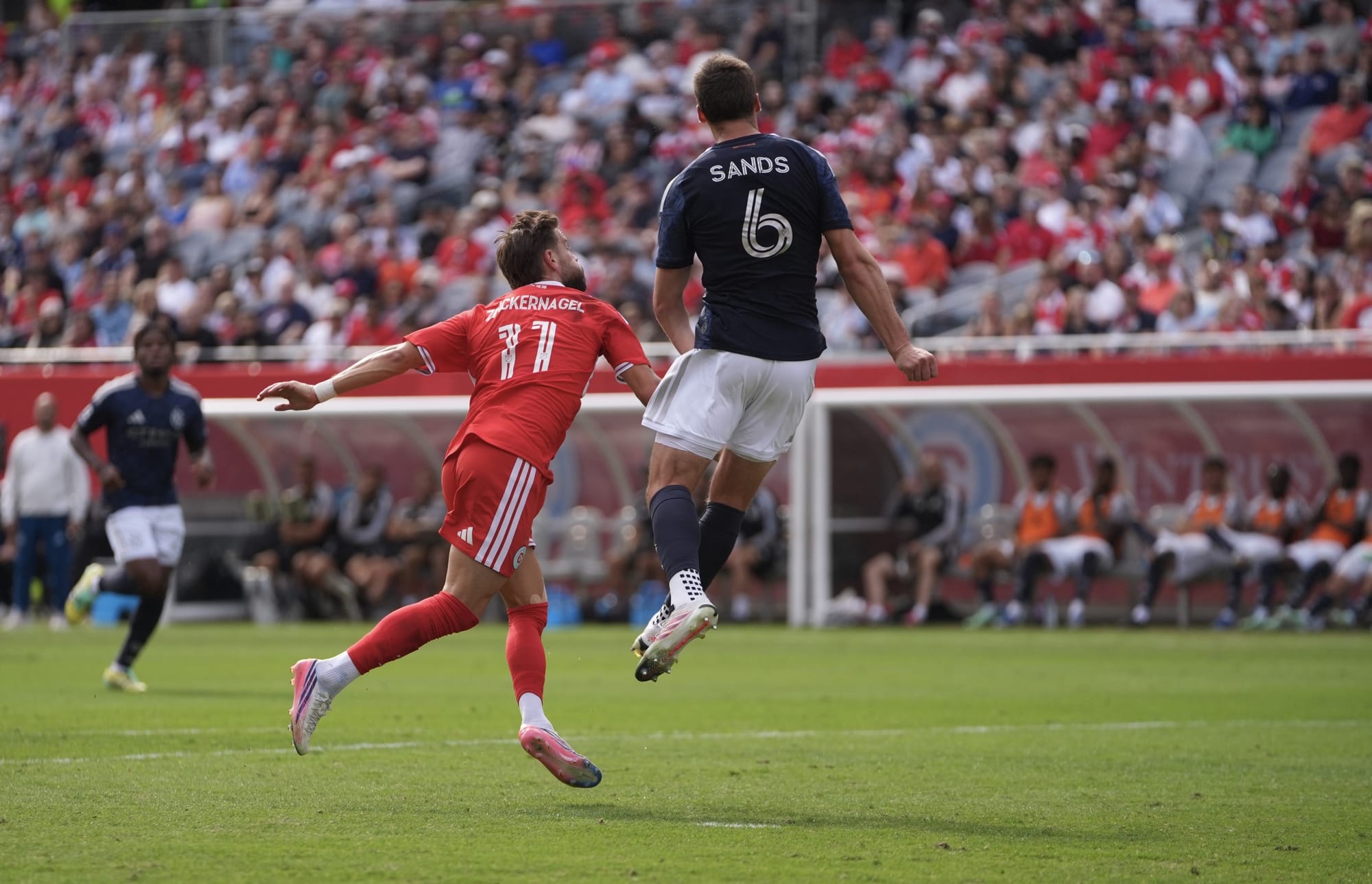
It really seemed like the smart move for Berhalter would have been to replace him with Mauricio Pineda at half, but ultimately, D’Avilla didn’t give his coach that choice, getting sent off after his second yellow in the 43rd minute. This was a classic D’Avilla yellow: After a pass from Zinckernagel sailed past him and made it instead to James Sands, he tried to overcompensate, ultimately going in late on a careless tackle that caught the New York center-back.
Before this, he really had been playing better, and ultimately, D’Avilla’s confidence may be the biggest casualty of this one.
It would have been great if the Fire could have had a focused, locked-in D’Avilla as they take on the Union – and a certain young defender who has gotten occasional media attention – on Wednesday. Still, it might not be an entirely bad thing that D’Avilla will miss the next game, giving him time to reset.
Other Thoughts
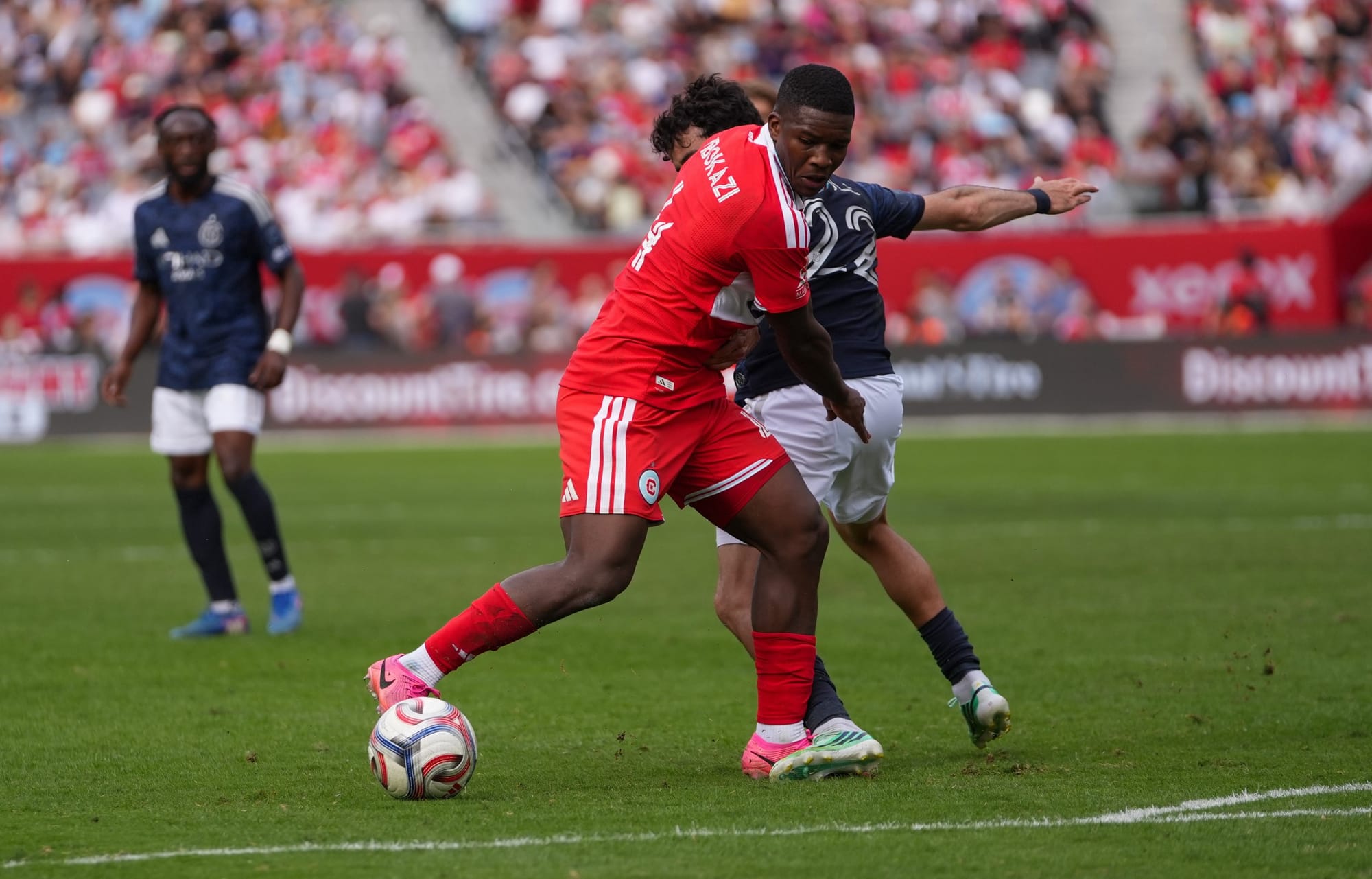
Mbokazi’s limits since coming back from injury were more clearly on display in this one than in previous matches. He still processed the game at speed but he lacked the explosive ability to cover ground that we’d seen from him before he got hurt. Even early in the game, it looked like he was stopping to stretch.
Is this a bump in the road as he continues to recover? Or a sign that he may be limited – or worse – for the rest of the campaign?
- One thing that may help: Andreas Hanche-Olsen made his Fire debut. That’s about all we can say about him, though, coming on in stoppage time. His only involvement was a ground duel that resulted in him committing a foul. Still, having the former Bundesliga defender from Bodø available gives the Fire another high-end center-back, giving the team a lot more breathing room at that position.
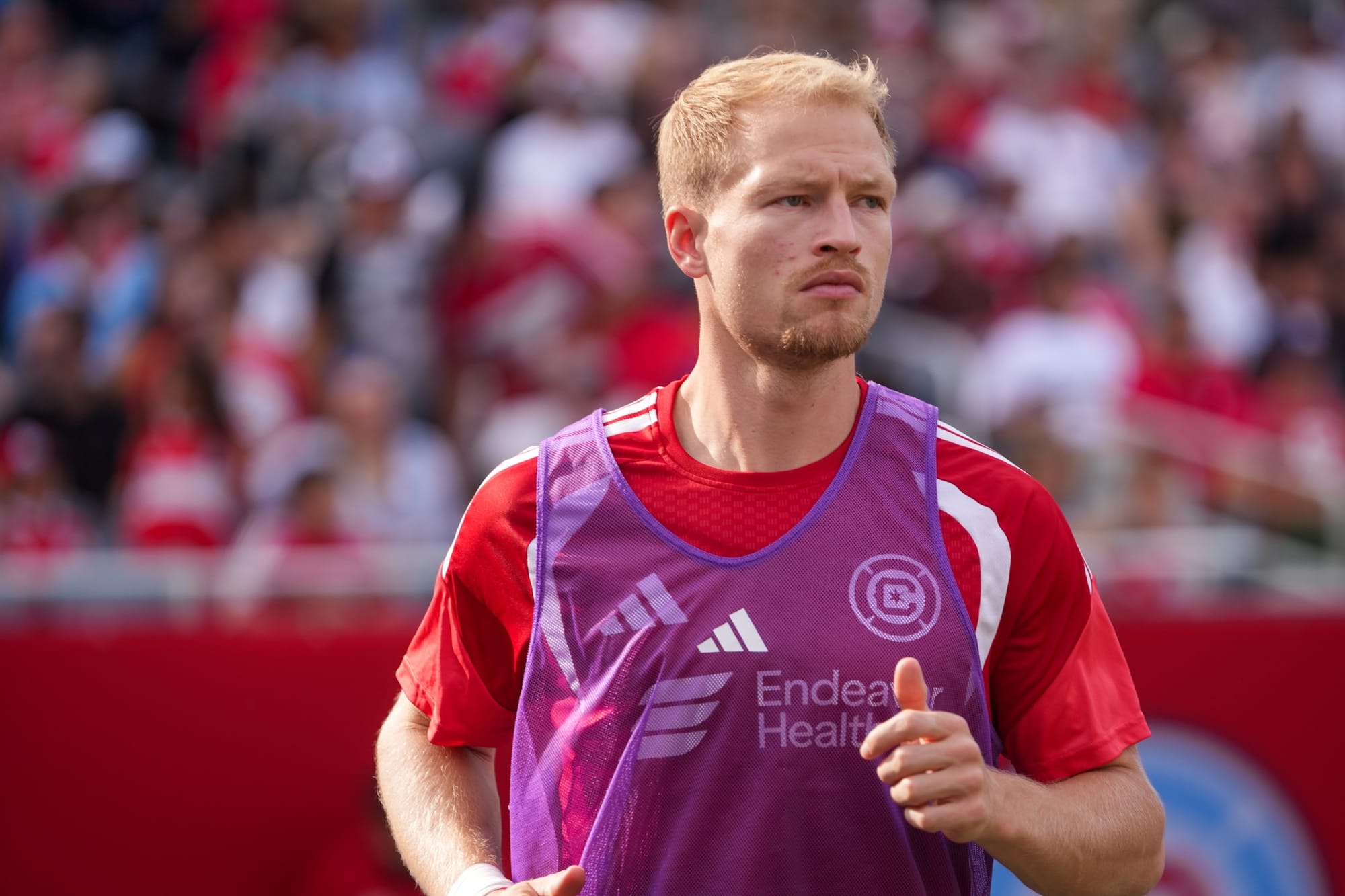
- Anton Salétros finally has a goal in MLS. He hasn't always gotten credit for it from some quarters, but he's been a big part of why the Fire have been able to move from "fringe playoff team" to "fringe contender" this year. After the game, Gregg told us that he was on a minute restriction "that we had to blow by and it may have repercussions" against the Union, "but he was playing so well, it was going to be difficult to get him out. But Anton is a competitor, he came here to compete and win something, and he set the tone from day one with his capacity, with his ground cover, and it was great to see him get a goal."
Is the goal what he needs to get the credit for all the work he's been doing all year? - If the Fire can get 25,759 people to show up for Wednesday’s game against the Union, they’ll have broken their all-time attendance record, with two home games to spare. They’ve had better attendance than that at every home game at Soldier Field since Lewandowski signed, including Tuesday’s game against Vancouver. Since returning to Soldier Field for the 2020 season, the Fire have announced attendance greater than 30,000 people in 10 games. Five have been this season (including one against Miami).
The only other times that they’ve managed that number were games against Miami in the three years prior, a 2022 game against the LA Galaxy when Chicharito was expected to feature, and their final home game of the 2021 season, when the team worked hard to boost attendance, including giving away additional free tickets to seasons ticket holders as part of a “homecoming” celebration for returning to the city, delayed by COVID.It used to be a special event when the Fire could crest 30,000 fans.
Now it’s a Tuesday (sometimes literally). Still, the Fire might not break the record for another game: Tickets sold for that game were originally supposed to be for Lewandowski’s Fire debut before the game was rescheduled, and the Fire’s only other midweek game was against Miami. Cavan Sullivan might be a draw. But he ain’t Messi.