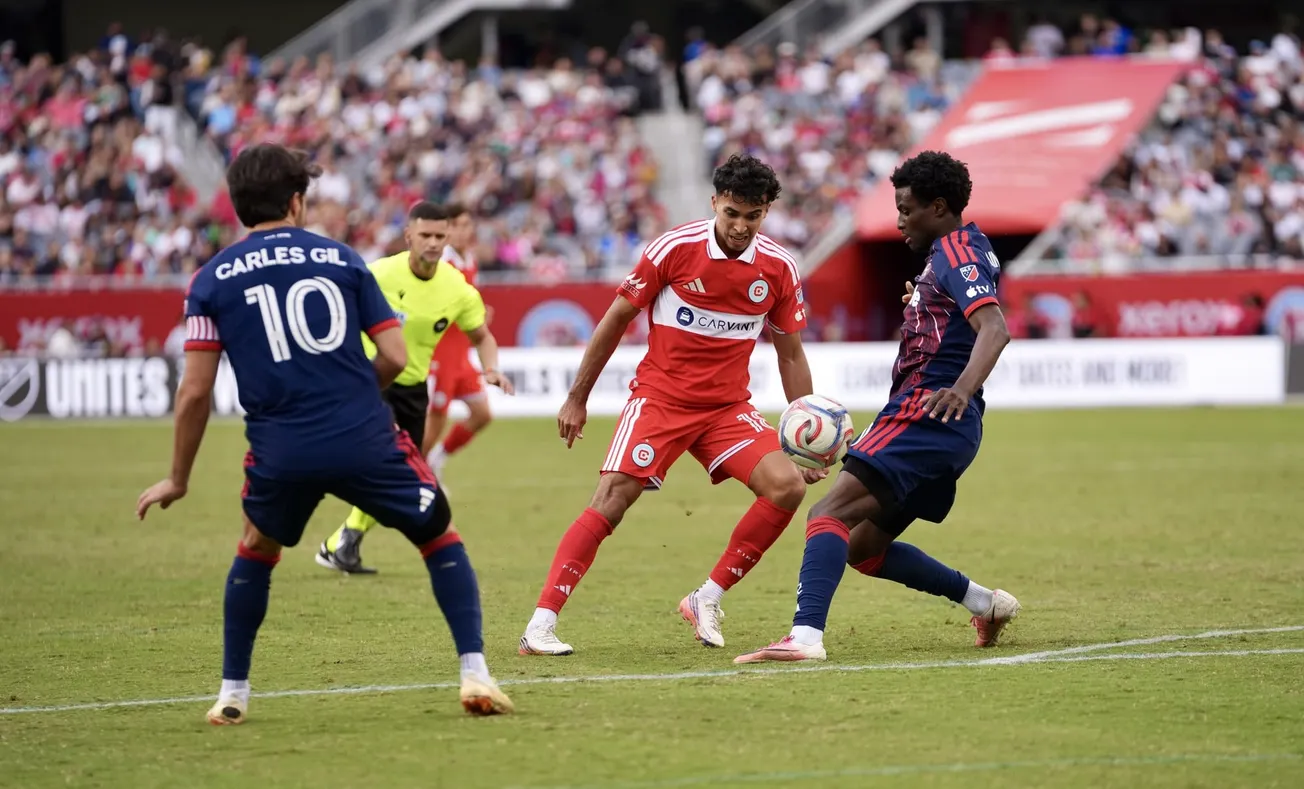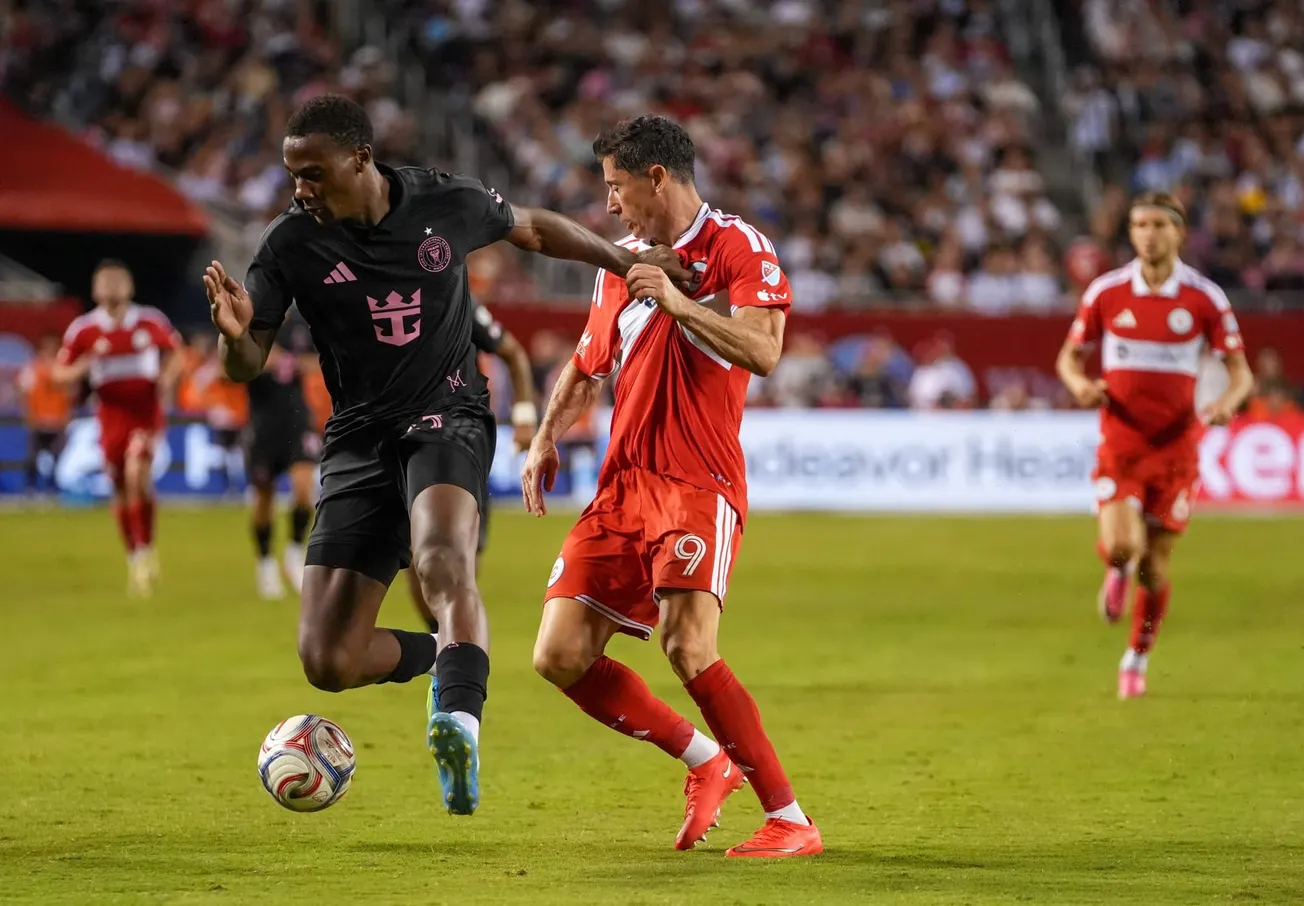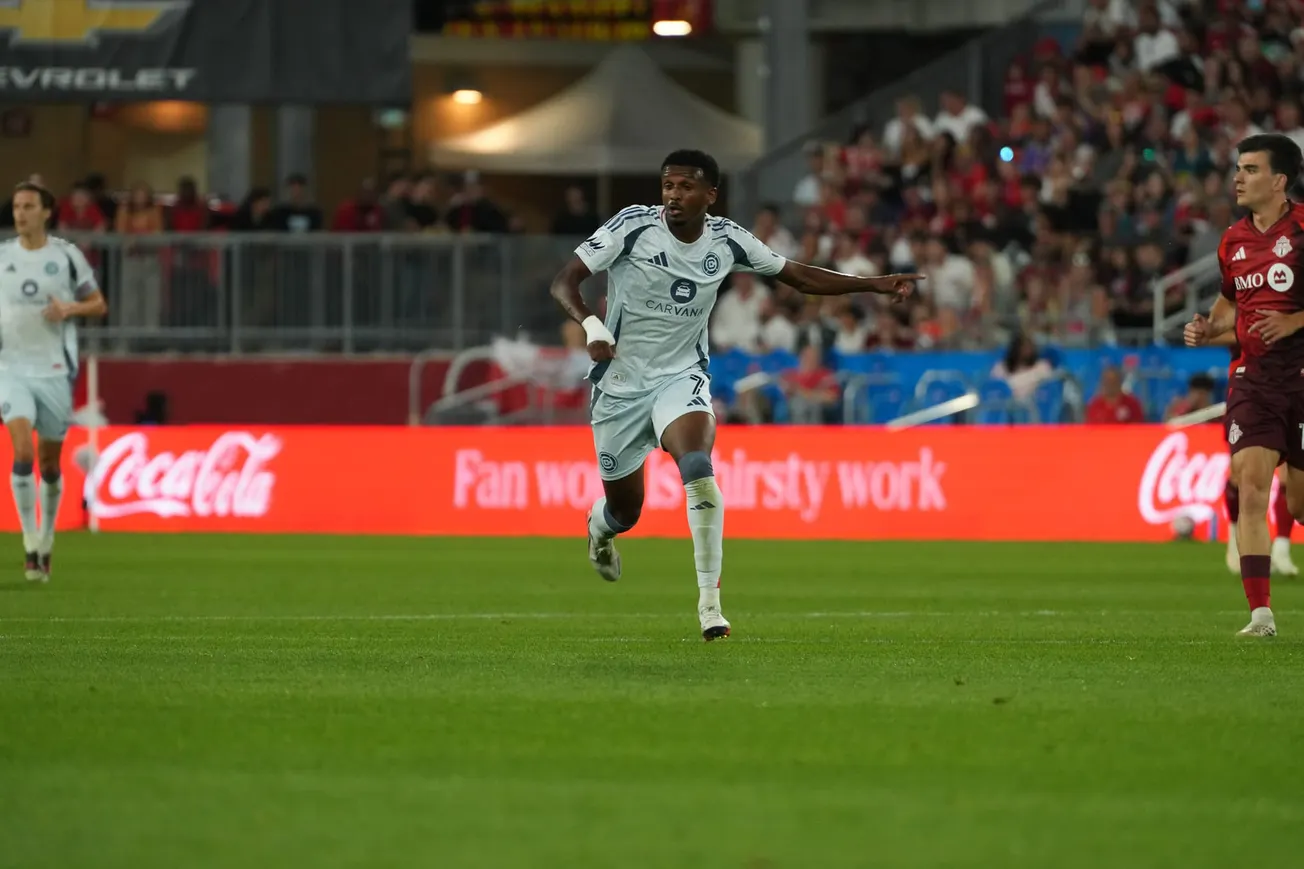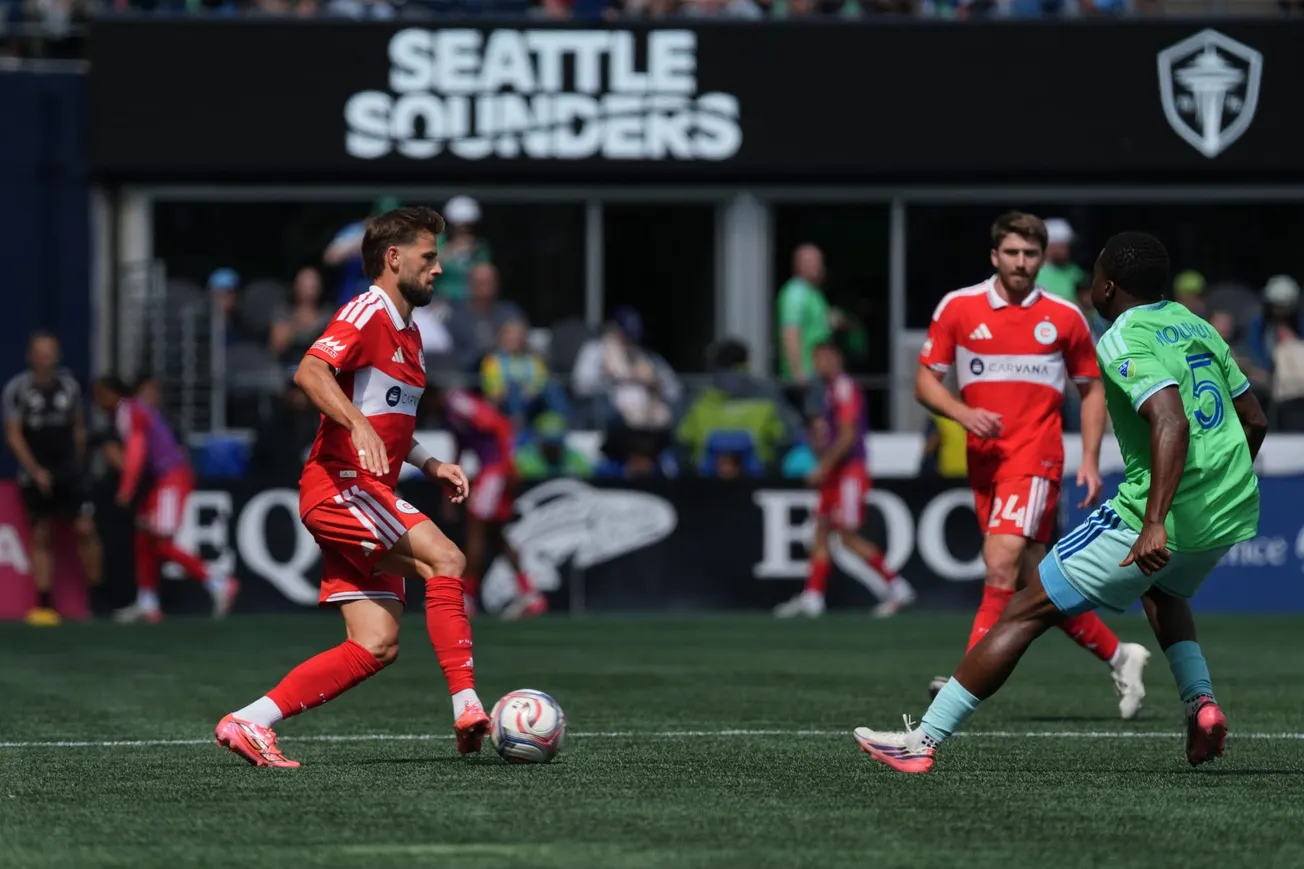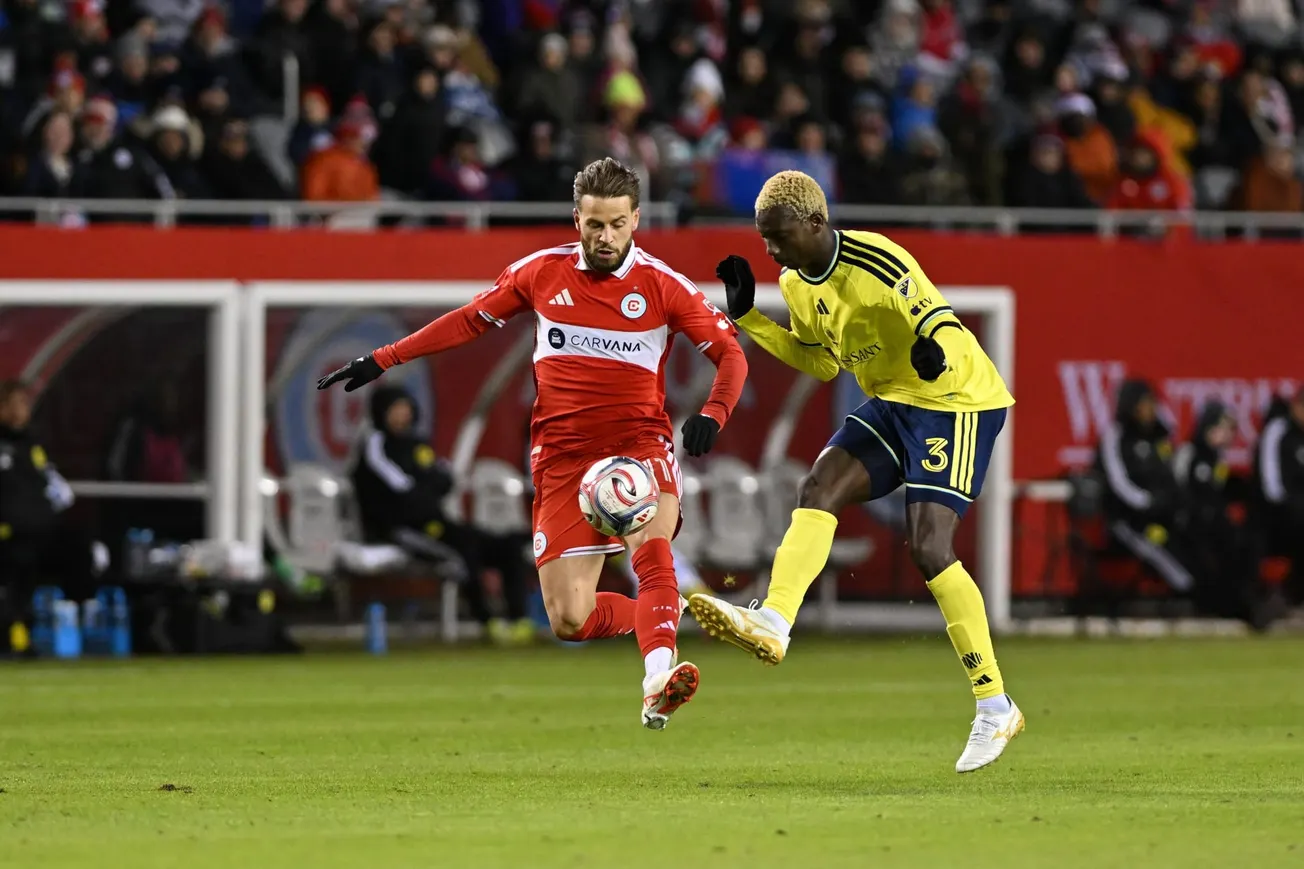

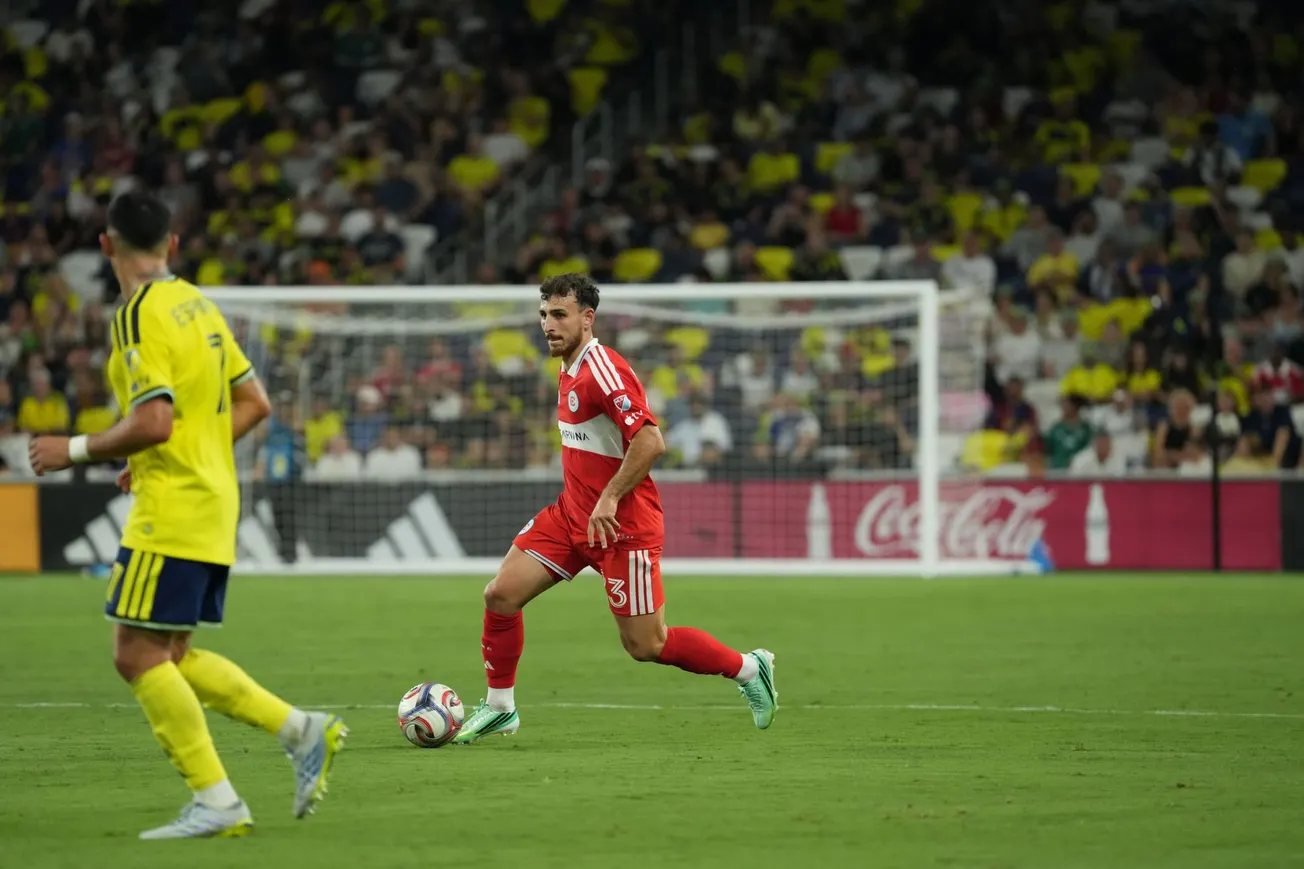
For the second week in a row, the Fire lost a game, and are now on their longest winless streak in a while. Results don’t always reflect the game that was played, but this one was all Nashville from kickoff onwards, and continues a downward slide that the team has seen over the past few weeks.
The 3-0 result was just the second time this year that the Fire didn’t manage to score a goal, with the last coming in their third game of the season back in early March.
The loss in Music City is a reality check for where the Fire are at this point of the season, and how big the gap is between the Fire and the league’s elite as we enter the final stretch of the regular season.
Here’s what we learned from the Fire’s seventh game in a row without a victory.
Right now, Nashville are a better team than the Fire
No, that isn’t exactly groundbreaking analysis. But it’s worth saying: For most of the season, the narrative around the Fire was that they were an exciting, promising team in 2025, and this year, were a good team that was trying to push into the league’s elite.
They’re not there yet. Plainly.
This was a game that, from kickoff, Nashville looked like they were going to win. They ended up winning it comfortably, and if anything, most of the headline stats – Nashville had 56% possession, 2.1 xG to the Fire’s 0.91, outshooting the Fire 13 to 9, with almost twice as many touches in the opposition box (38 to 22) – understate how in control they were for the majority of the game. Shots on target were a 5:1 advantage for Nashville, which is maybe a clearer, but still misleading representation of things (Nashville had some great chances that went wide).
A lot of that is due to game state: When the game was level, other than a couple of minutes starting around 10 minutes after kickoff, Nashville were in total control.
Once they had the lead, they were comfortable enough sitting back a bit more and absorbing some of the pressure. That’s what teams like Nashville, who have allowed just 21 goals and have 12 clean sheets this season, can do.
… And Gregg knows it, too
In the press conference after a lot of games, Berhalter comes prepared: He can rattle off stats, some simple, some obscure, especially considering that the game ended just moments before (number of controlled entries in the box? the crosses coming from each side of the pitch, for both teams?).
He didn’t do that in this one. Asked about the “results not having one the team’s way,” the Fire head coach denied the framing: “I don't see it as the result not going our way. We were beat by the better team, really simple.”
… And that’s reflected in the tactics
When the game was level, the Fire were frustratingly uninterested in giving Nashville any pressure when they had the ball. That gave them plenty of time to get attackers into dangerous positions, and meant that the Fire were going to have to endure a firestorm.
“It was always going to be a difficult game, right?” Berhalter said after the game. “So for us, the idea is that you hang in there as long as possible. You keep the score manageable, and you try growing into the game.”
Look: I know the way that reads but there is some sense in that: The first 15 minutes of an away game, for all teams, are often a scramble to control an early onslaught.
Nashville were also playing a high-tempo press while being quick on counters. Their style of play is physically very demanding on players, and the high yesterday in Nashville was 100ºF, with only scattered clouds during the day. It was still in the upper 80s at kickoff, and with the sun baking the pitch all day, the ground was going to be radiating heat. There was reason to think that if they could endure Nashville’s early high tempo, they could have the advantage later.
As a result, “We were low on purpose,” according to Berhalter “We wanted to have a preventative shape. We wanted to limit what they can do on the wings. We dropped Maren [Haile-Selassie], on purpose, lower.”
So what didn’t go according to plan? “The result was we got too low at times. We needed our midfielders to step up and step out, and we didn't do that. Then we got more aggressive with our pressing. We moved higher with our pressing, higher with our midfielders, and that enabled us to get some control of the game.”
Once the Fire were down by a goal, they had to be more aggressive, and that’s when it looked like they finally showed up to play.
This is the worst stretch for the team in two years
The seven game winless streak across all competitions is a new nadir for the team’s performance since Gregg Berhalter took charge.
Last year, the Fire longest winless stretch for the Fire was six games (that stat is across all comps but the all six were regular season games), starting with a 1-1 draw against CF Montréal on March 29 and ending with a 0-0 draw against Orlando City on May 3rd.
A year before, the Fire had a nine game stretch (all in league play) without a win, stretching from April 13th through the end of May. The Fire finished with just 30 points that year.
If you’re looking for optimism or hope from this, then here it is: The second-last game of that winless stretch last year was the Fire’s 7-2 loss to Nashville. That game was, in many ways, a turning point for the squad that was still trying to form its identity under Berhalter, and came at a time when about half of the squad was new to the team.
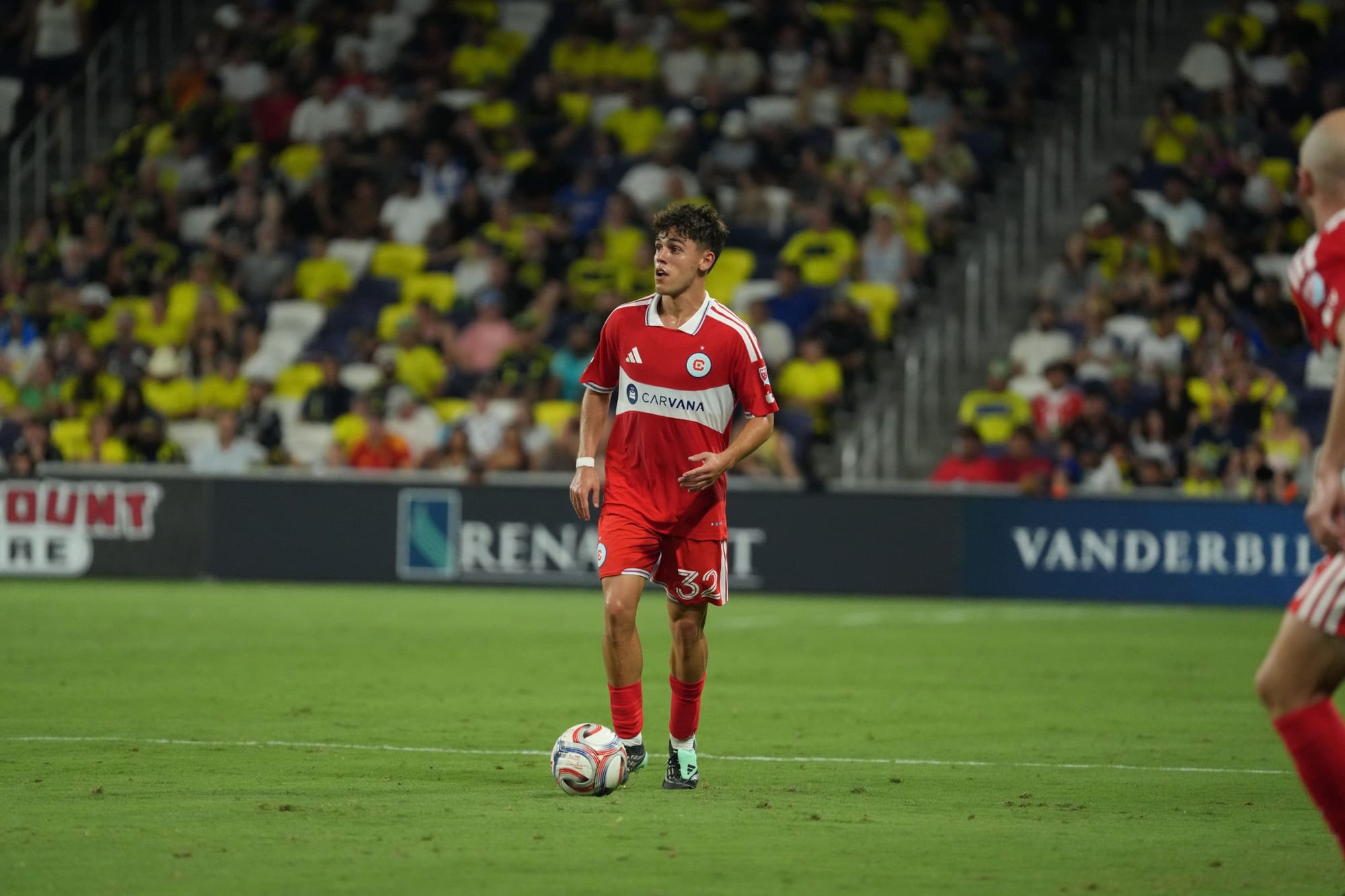
Although the team didn’t win their next game against Orlando, they had a scoreless draw despite playing down a man for almost an hour after Chris Brady was sent off. It was pretty clear that defending was going to be an issue for that edition of the team (they just allowed seven goals the game before!), but they held firm in that one.
Overall, the Fire are a better team than they were last year, but like the team in the spring of 2025, they’re also a squad that is trying to find the best way to play.
Back to Berhalter on that: “I think the big lesson for us tonight is that's the benchmark. That's [Nashville is] the team we want to get to, we want to be able to compete with. Today I think we were a little bit timid to start. We held on. You know, we gave up the goal. We got back into it. We gave up another goal. For us, the lesson is, we need to improve as a group.”
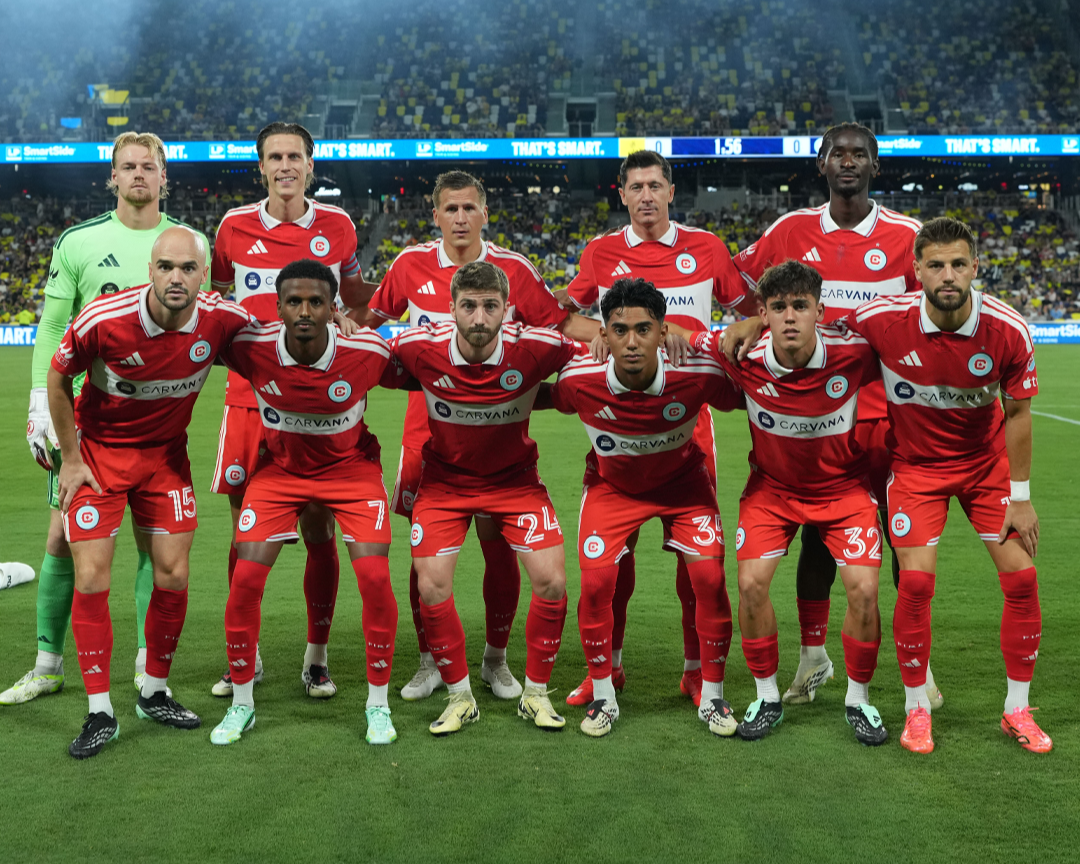
Nothing Nashville did against the Fire was rocket science. They’re the cacio e pepe of teams: They’re taking simple ingredients and putting them together in a simple way that lets the quality shine.
There’s multiple issues hitting the Fire at once
In soccer, sometimes a single problem can kill you – one mistake is all it takes, sometimes, to turn a 0-0 draw into a 1-0 loss.
Looking not just at this game against Nashville but instead, over the seven game winless stretch, the real issue with the Fire is that they’re being hit with multiple issues at once.
One of the key differences from the squads: Nashville’s three Designated Players are in form: Sam Surridge is hanging around the Golden Boot race. Hany Mukhtar has 11 goals and seven assists, and newcomer Cristian Espinoza is on track to break his MLS career-best 14 assists. All three of them scored against the Fire. Two – and arguably three – of the Fire’s DPs aren’t in form.
Jonathan Bamba has endured a lot this year, including having to leave the squad to go back to France to deal with personal matters earlier this season, some injury troubles, and even food poisoning. He’s had chances – and really, was arguably robbed of a goal at least once in recent matches – but he hasn’t had a goal since March. He had two secondary assists last month, but hasn’t had a primary since April.
Philip Zinckernagel, meanwhile, scored twice in Leagues Cup but hasn’t scored a goal in MLS play since May 16th against Montréal – a stretch of 11 games. That comes after not scoring in the opening five games of the year (and he also had a three game stretch without a goal).
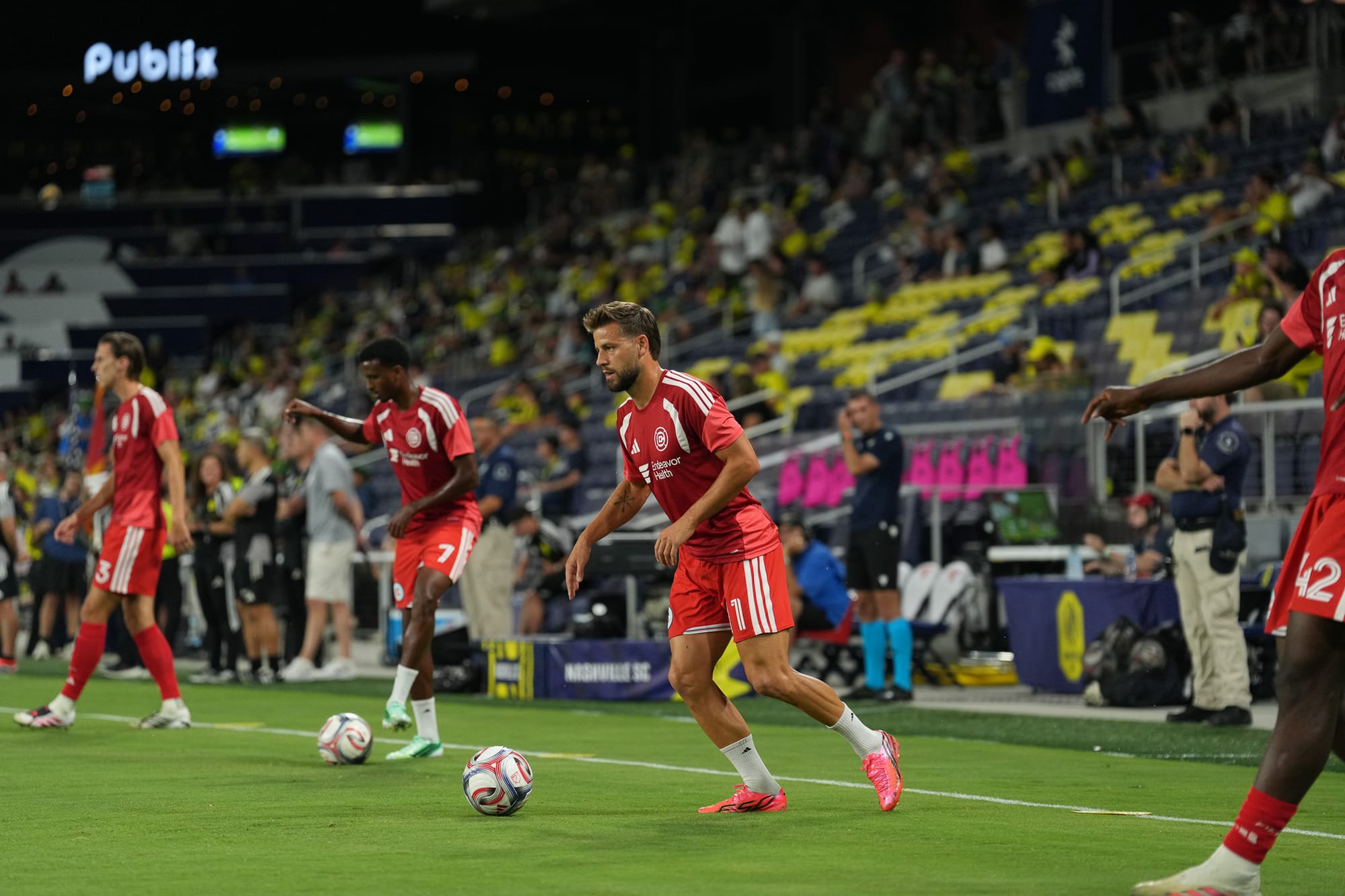
In 2025, the longest stretch that Zinck went between scoring goals was three games. He overperformed his underlying numbers last year, and this year, he’s reverting to the mean – and it’s hitting hard.
The Fire have still not figured out how to get the most out of Robert Lewandowski. He’s being used more in buildup, and even against Nashville, you could see how that can be effective in the right moments. The issue is that when he’s doing that, he’s often not in the best space to get clear opportunities on goal in the way that you’d expect Lewandowski to do: He can’t be building up in the midfield and a poacher in the box at the same time.
Some of that is due to the fact that he’s still in an adjustment period with his new team, even if the early results were promising.
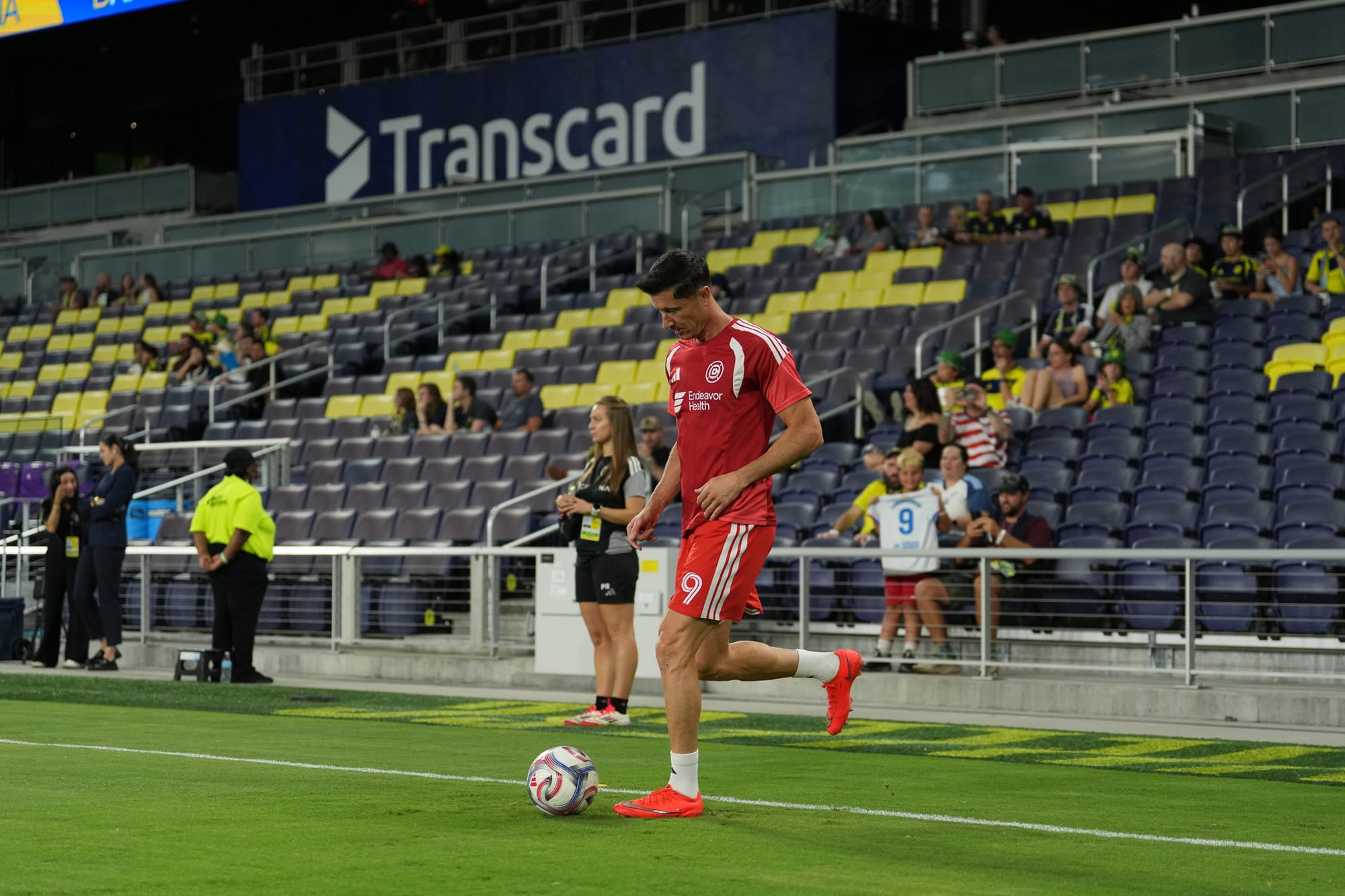
I suspect some of the reason that we’ve seen Lewy’s role shift, however, is because of a lack of personnel in other places (longtime Fire fans will remember seeing Bastian Schweinsteiger, one of the best midfielders of his generation, starting at center back for the Fire – with many of the more astute ones realizing that it may actually have been a good idea, given the squad’s composition).
Some of that has been a lack of available players in the midfield: The defensive structure has suffered a lot with Anton Salétros injured. Anzor Mekvabishvili made his debut, but after little time with the squad and just 15 minutes against Nashville, when the game already seemed decided, it’s impossible to issue any verdict other than to say he did fine, especially considering the lack of preparation and likely jet lag he was experiencing.
The absence of Mbekezeli Mbokazi has also affected the Fire during this stretch, and although it’s a position where the team did reinforce over the window, Andreas Hanche-Olsen hasn’t yet received visa clearance.
Berhalter is a smart coach, and he will figure out ways to adapt: He did in 2025, and the team made the postseason. Early this year, when the team was struggling to create through the midfield, the squad adapted again, finding more ways to connect with Hugo Cuypers and propelled him to being a Golden Boot contender up to the minute he departed for CF Monterrey.
He will find ways to adapt, but there’s multiple headwinds (some of which he arguably created) that are all hitting at once.
But hey, at least a 3-0 loss is a lot more palatable than a 7-2 one.