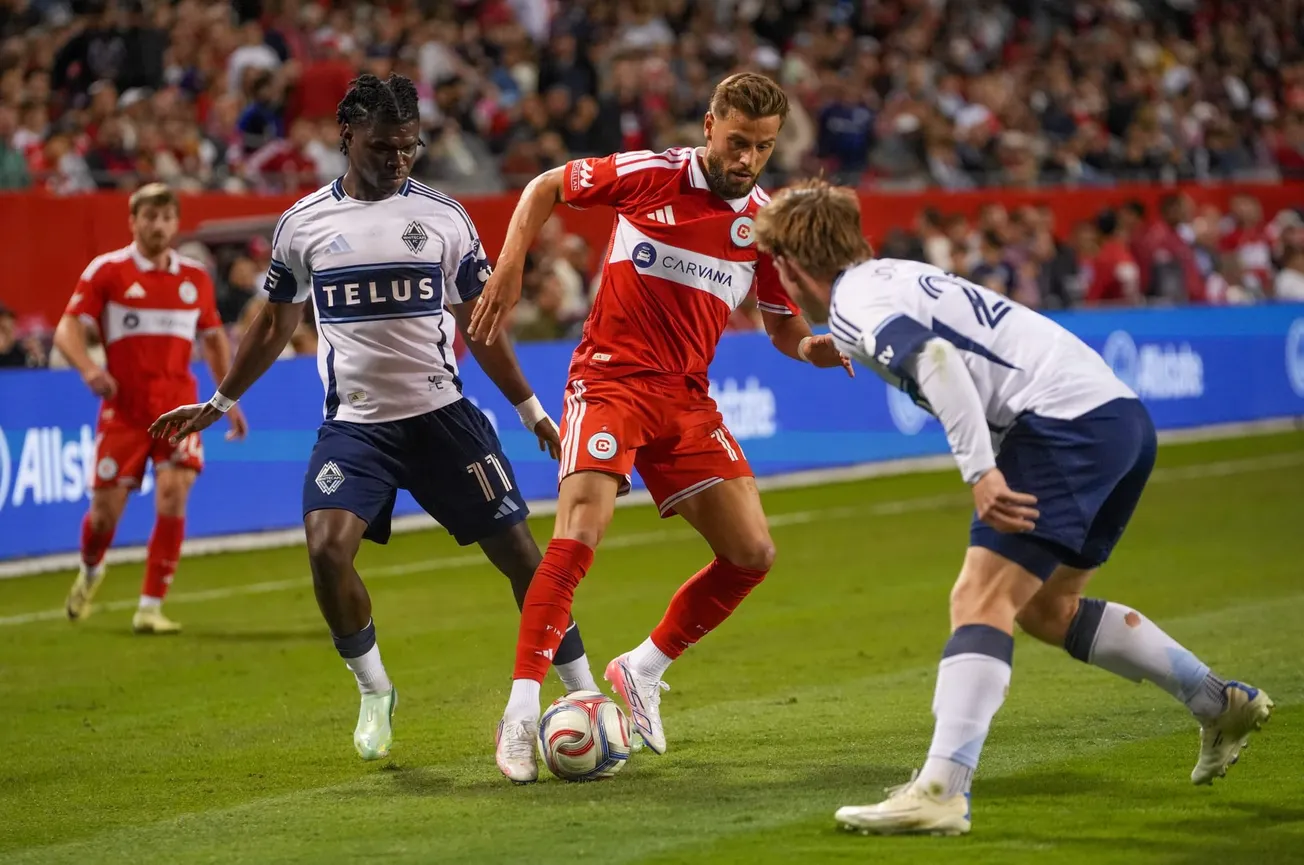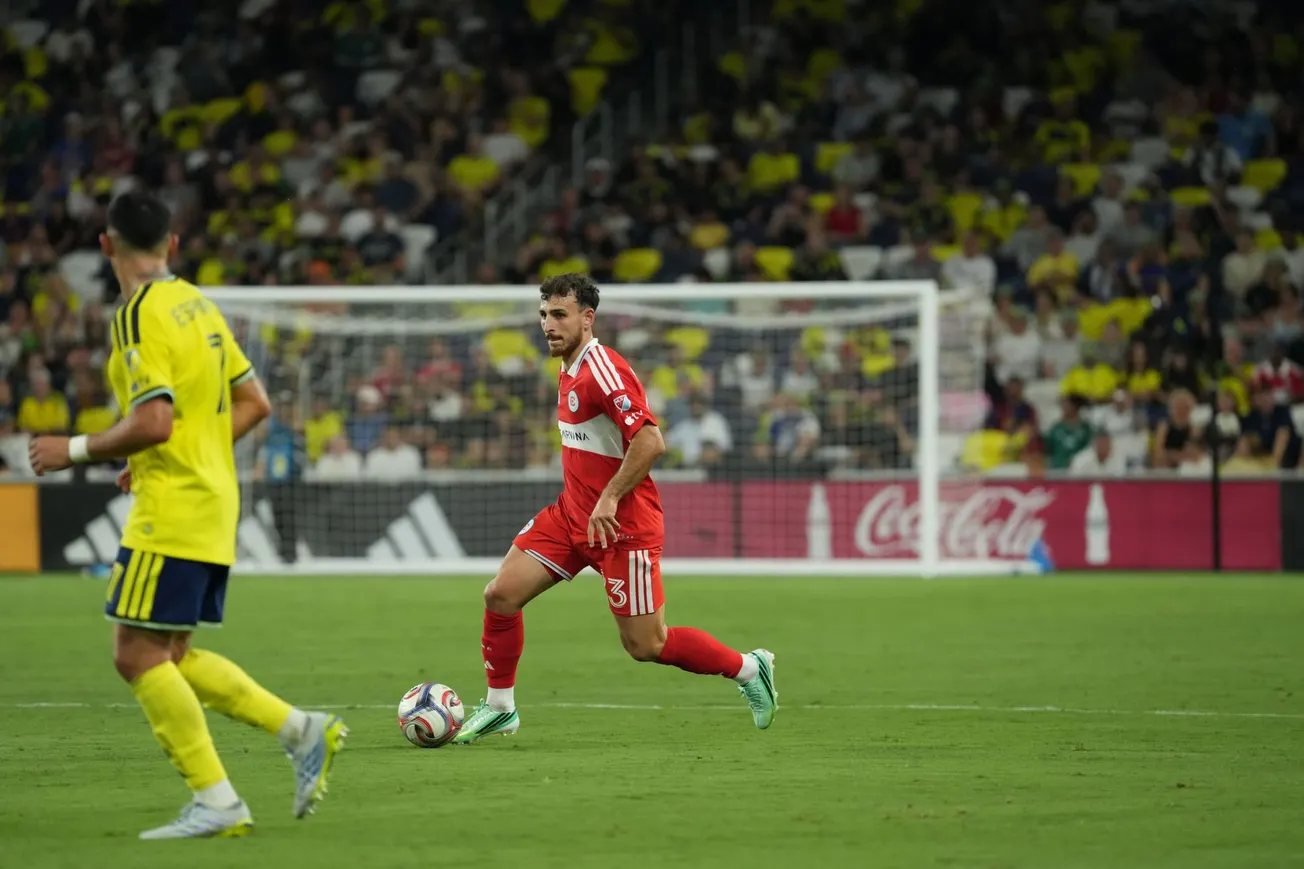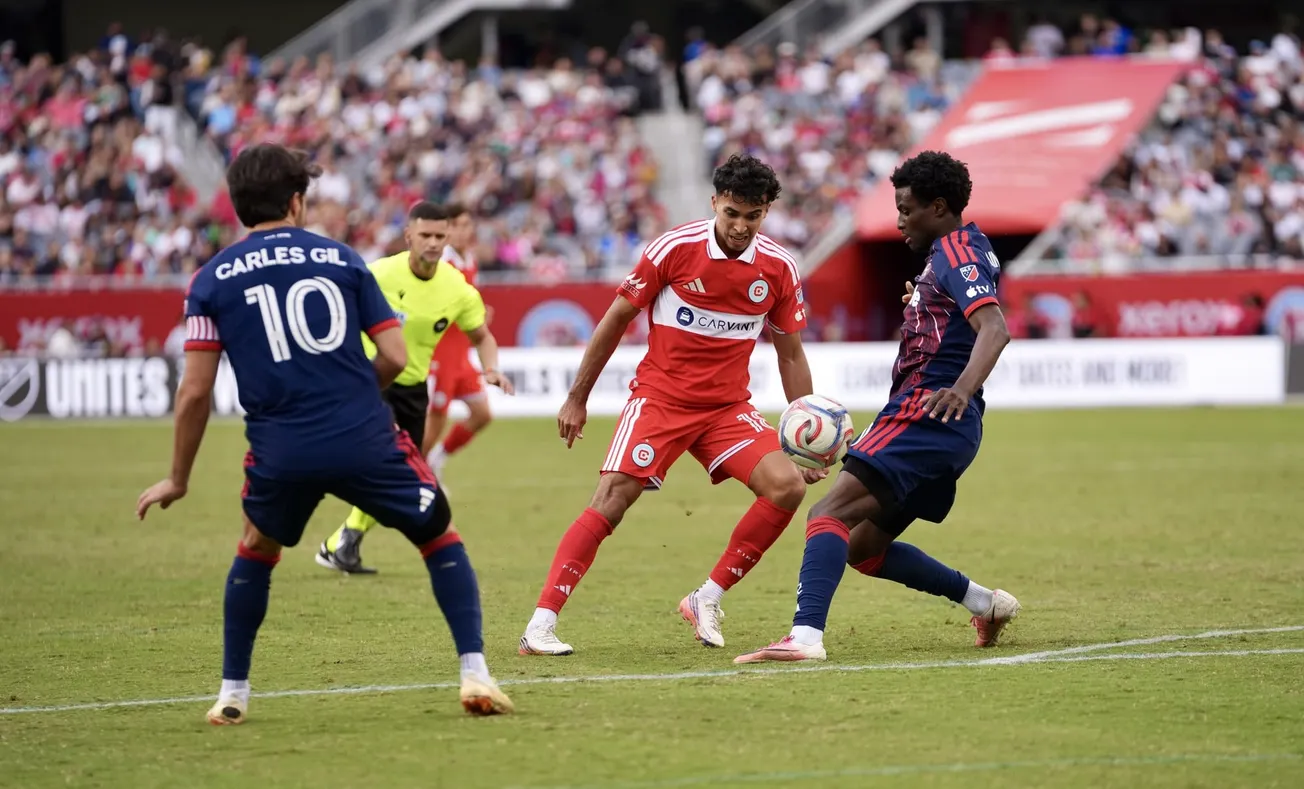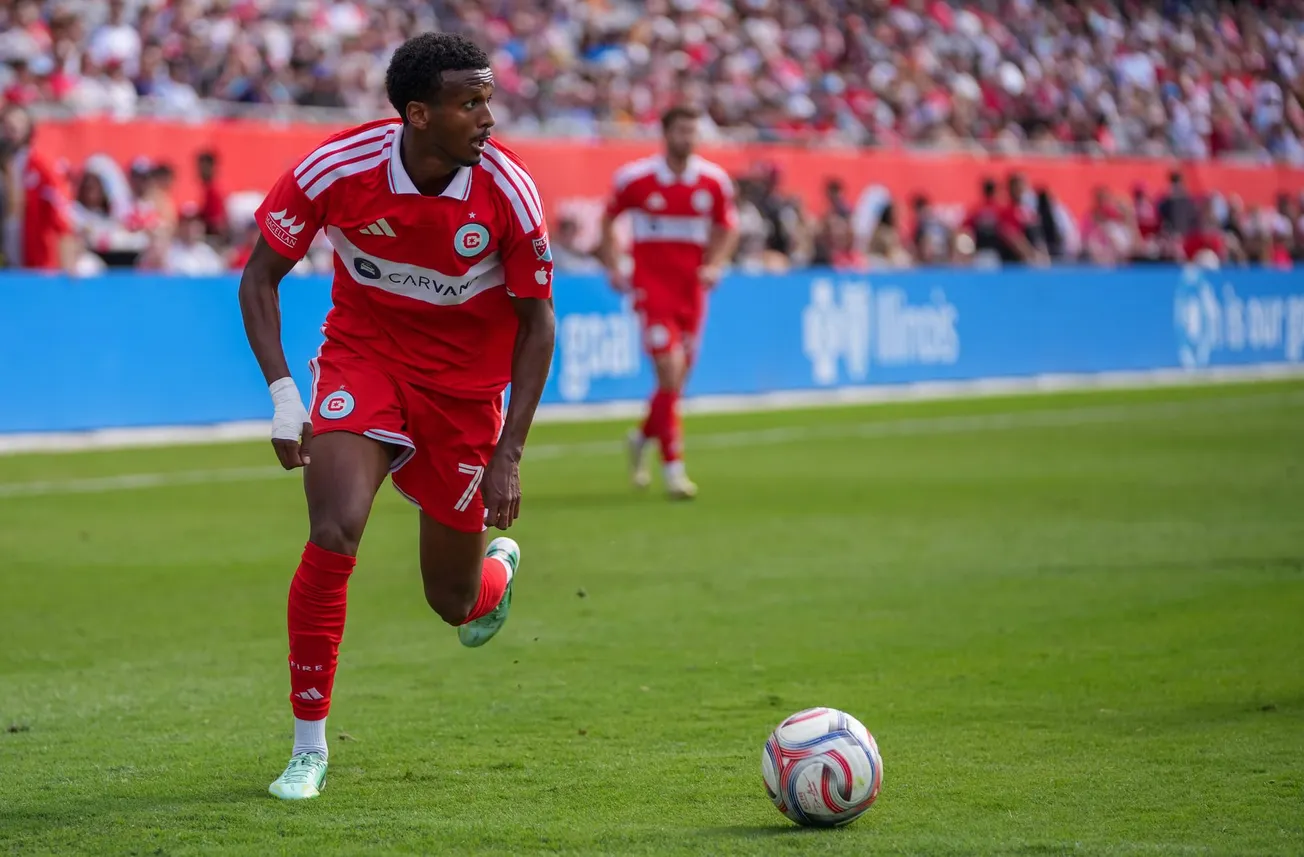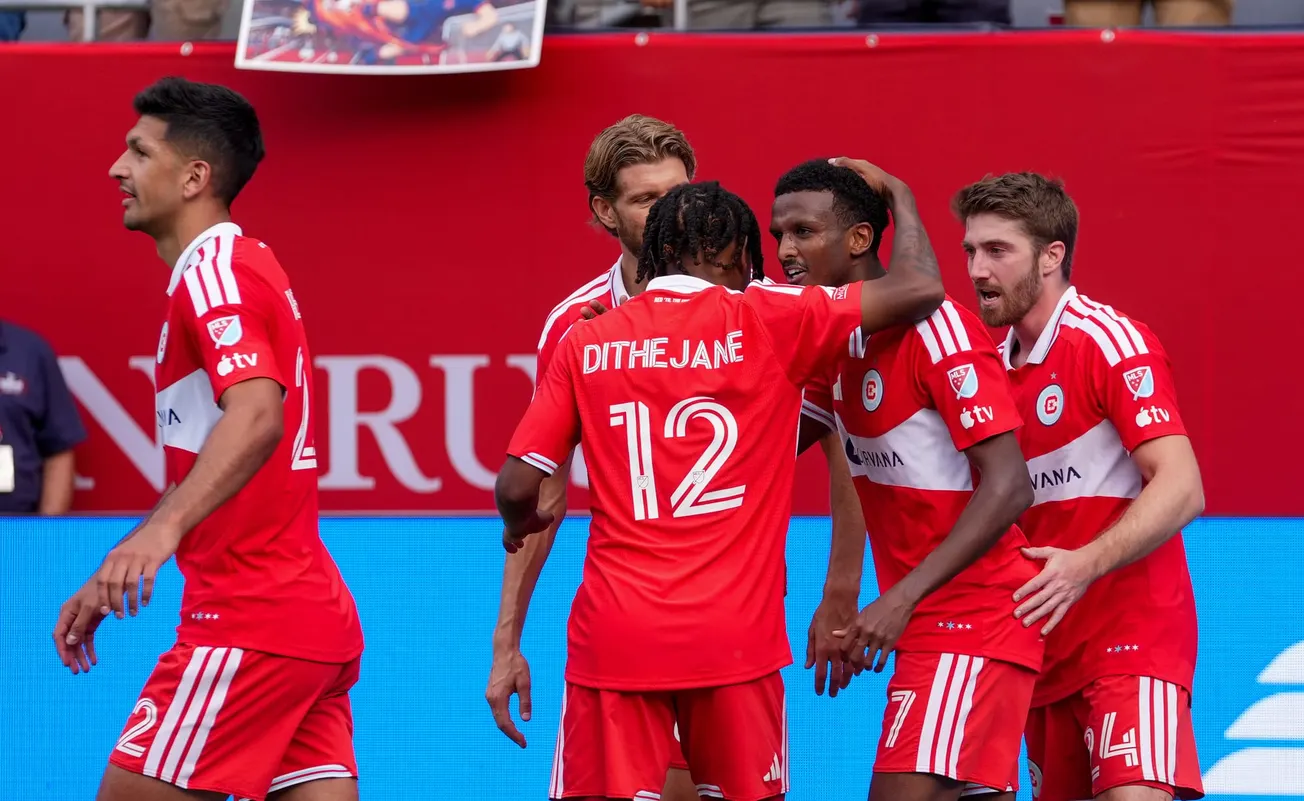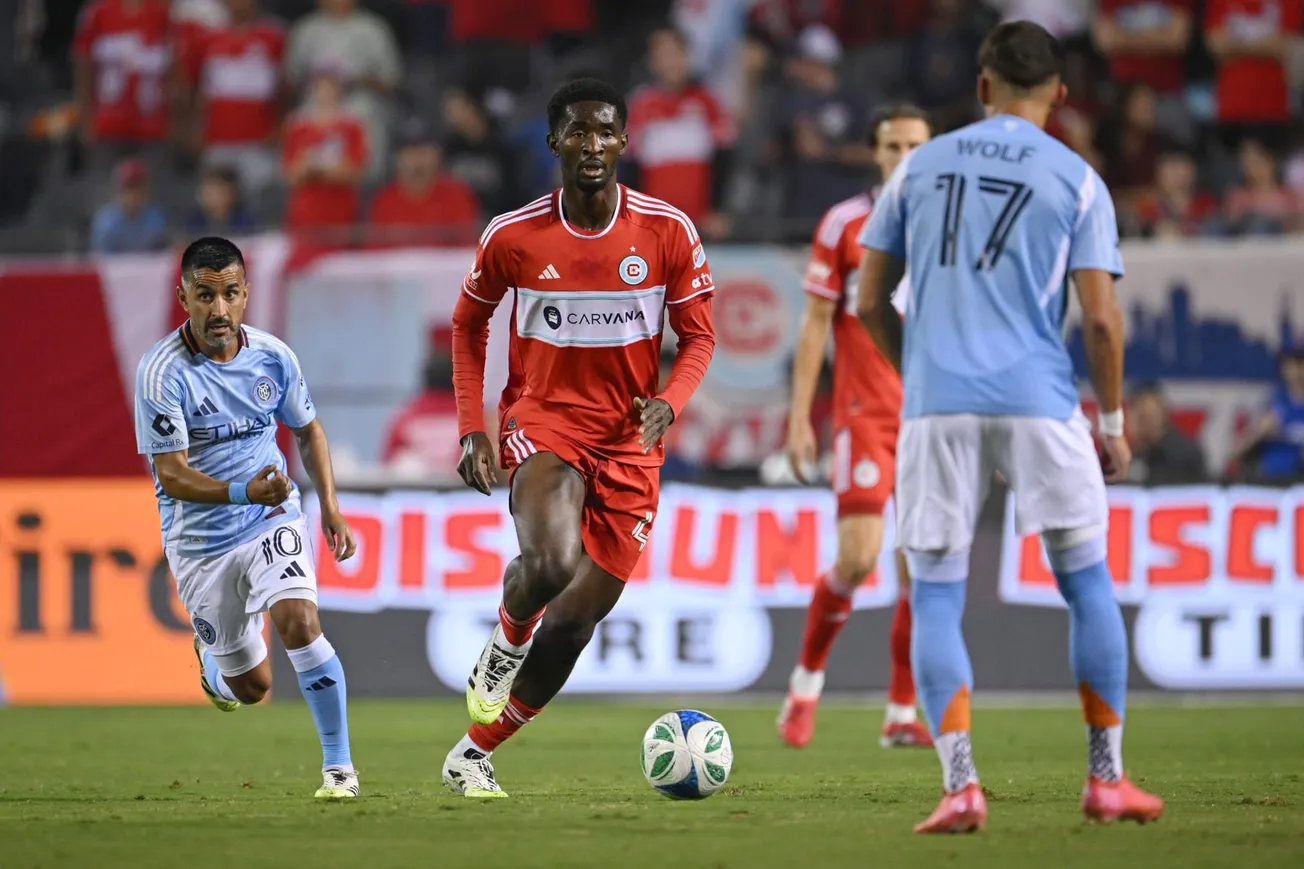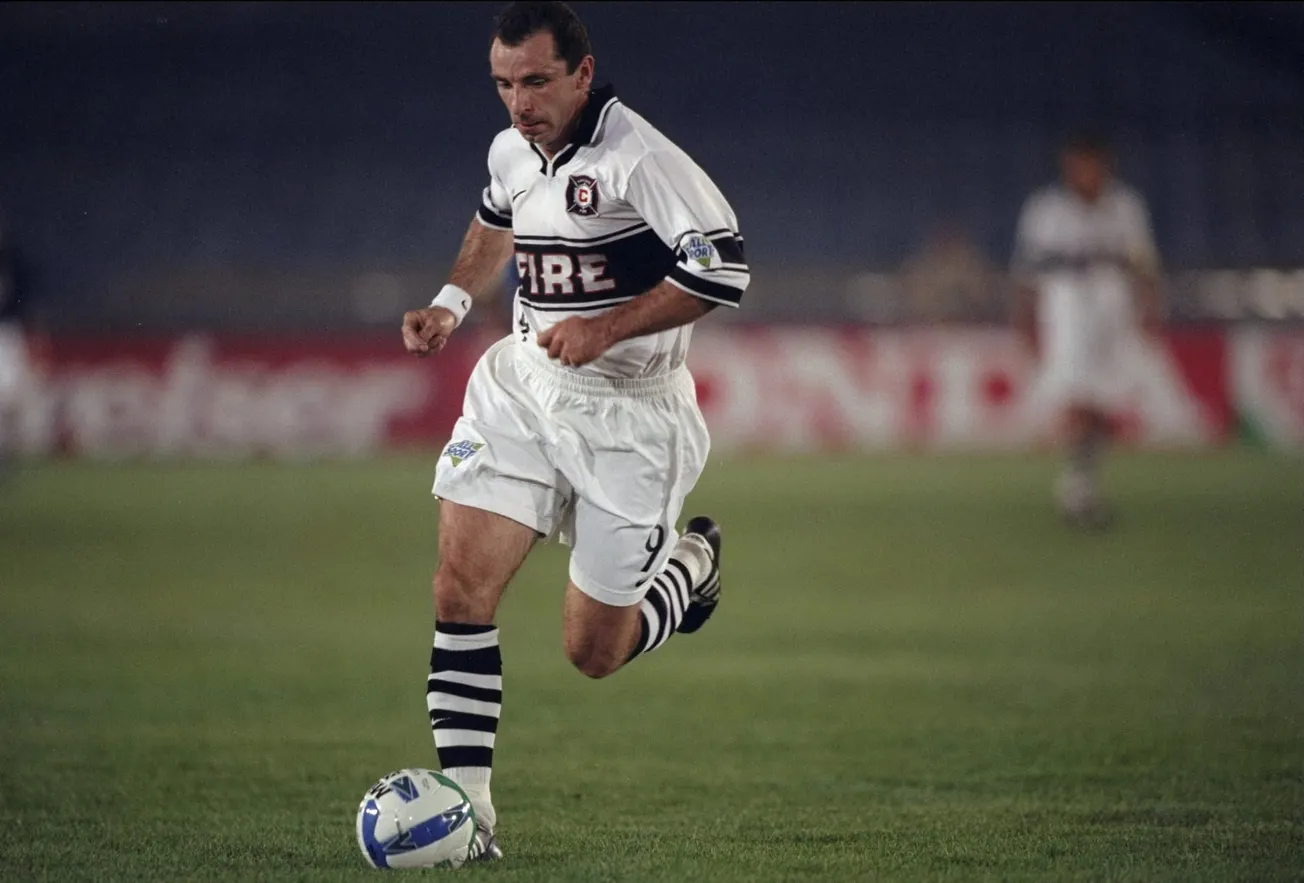

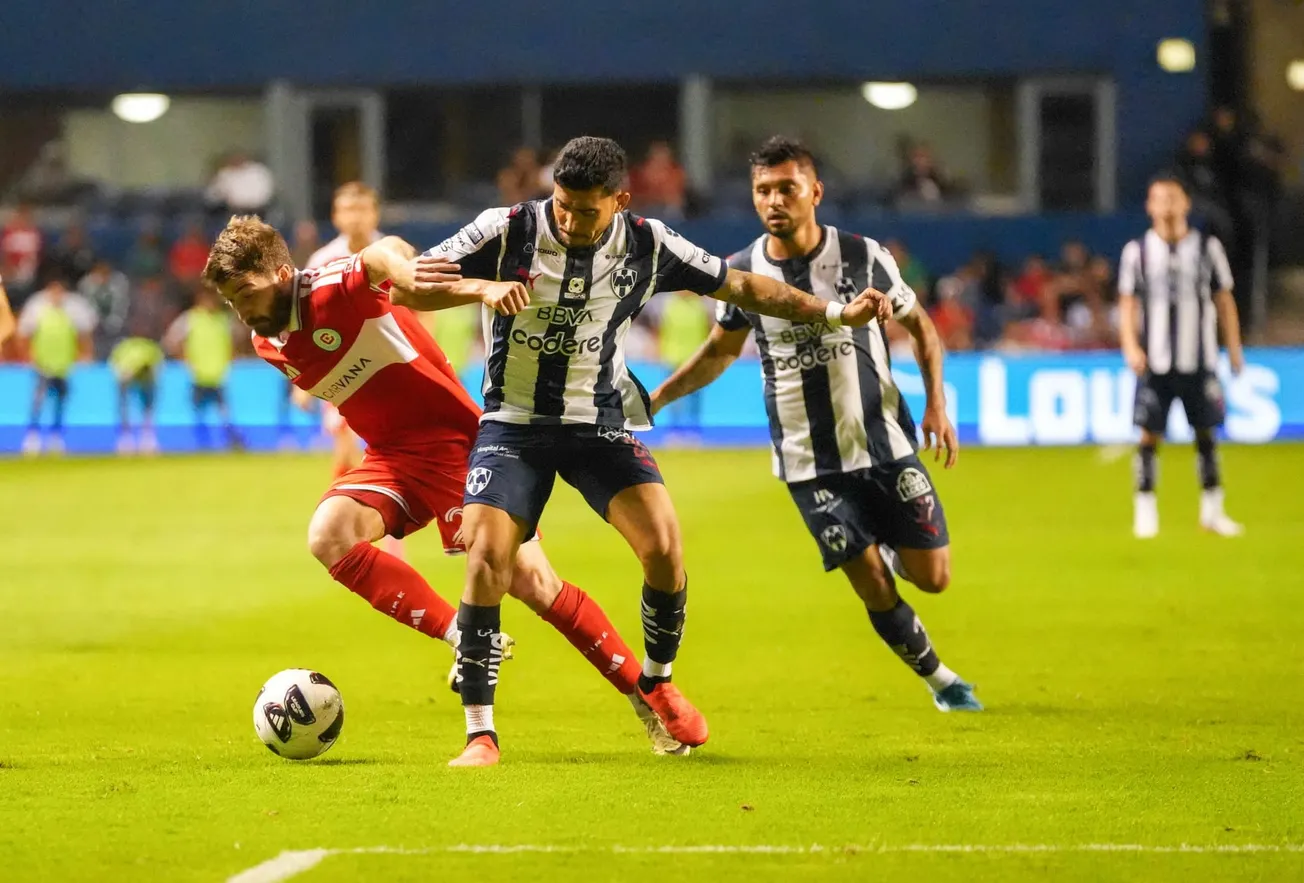
The Fire fell to CF Monterrey, putting their Leagues Cup campaign – and fastest route to a CONCACAF Champions Cup slot – to an end for 2026. The loss also killed the Fire’s seven game undefeated run, the longest stretch for the Fire since the 10 game stretch in 2017 that ended with a U.S. Open Cup loss to FC Cincinnati, then in the USL Championship.
The game was just the fourth time in 2026 that the Fire never held a lead throughout the game (the others were a 0-0 draw against Columbus in March and the Fire’s loss to the Red Bulls at Soldier Field in May and at New York City last month), and even if the Fire were never able to pull ahead, they were able to draw level.
Still, some of the issues that have been dogging the Fire – even during their undefeated stretch – were on display again.
Here’s what we learned last night in Bridgeview.
The Fire are close to the region’s elite
For the second time in two weeks, the Fire had a meetup against one of the continent’s strongest teams. Two weeks ago, the Fire edged reigning Liga MX champions Cruz Azul 2-1. This time, they fell to CF Monterrey by the same scoreline.
You can quibble with both games: In the Leagues Cup, both were played in Bridgeview, and both Mexican sides had issues in transit that delayed them from training normally ahead of the match. The Fire’s winner against Cruz Azul was late and kind of fluky, coming after both teams seemed willing to settle for a draw.
Fine. But combine that with the Fire’s 1-0 win in Nashville – still Nashville’s only loss at home in MLS play this year – and it’s clear the Fire have taken the next step forward towards becoming a MLS powerhouse.
But they’re not there yet
In the game’s opening 20 minutes or so, the Fire were flying, and the Rayados hardly had a successful pass in the Fire’s half.
Despite the Fire’s pressure, however, they weren’t really able to generate many clear chances. The game stayed level, and over time, Monterrey grew in the game.
While it still looked like either team could win it, the Fire’s inability to create clear goalscoring chances with the possession they had ultimately proved fatal.
Here’s what Anton Salétros had to say about that after the game. “They played a man-man system that’s always hard to break down. And you need to have the individual quality to break them down. We lacked a little bit of that today to have the courage and eagerness to really break them down.”
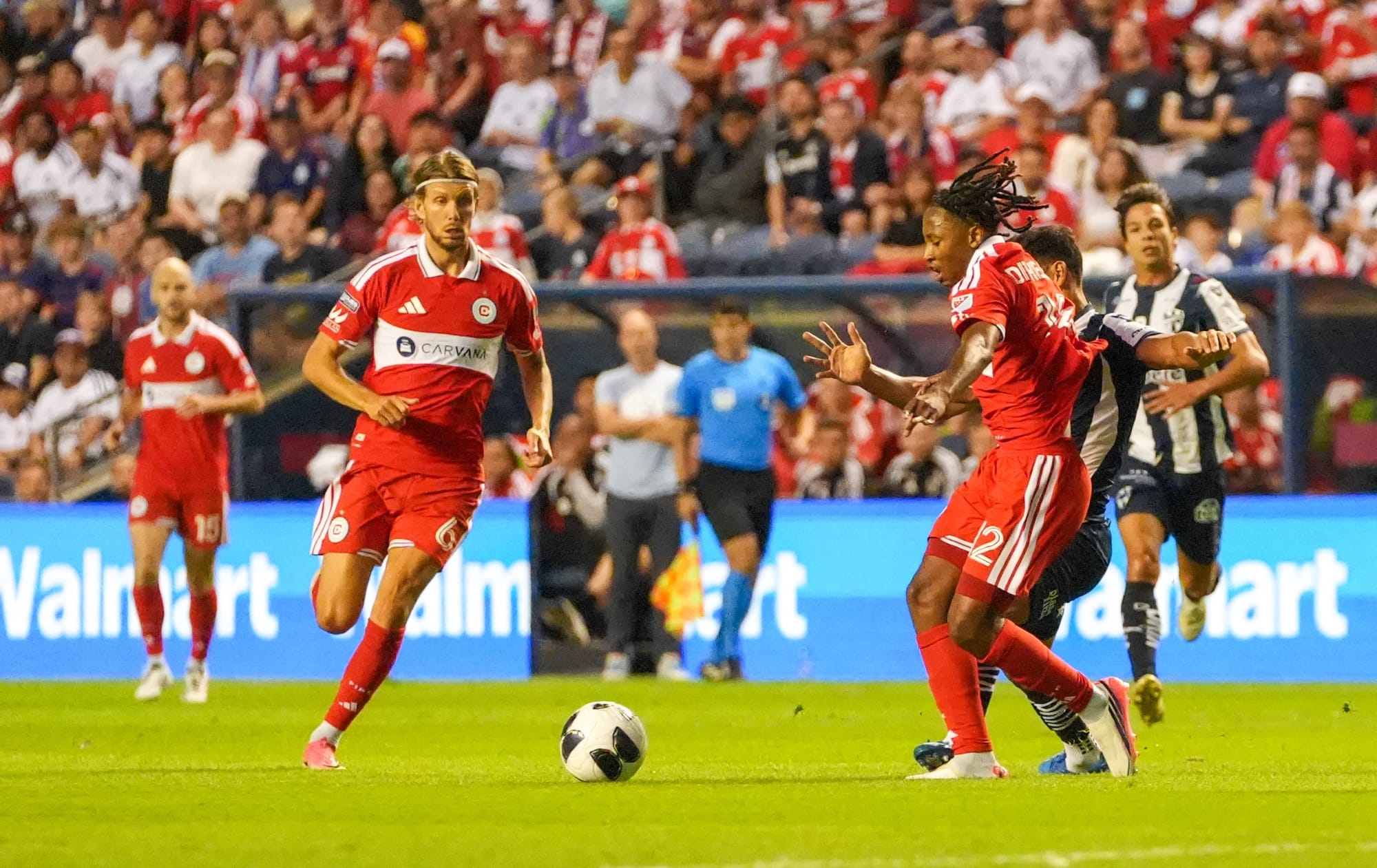
That’s been a consistent issue with the Fire in a number of matches, particularly against stronger opponents. Breaking down a good team is always difficult, as we’ve talked about several times, particularly with André Franco unavailable so far, the team hasn’t really had anyone who can come in and unlock opposing defenses.
The window is still open for another week, closing September 2nd, and the Fire are mulling a number of moves, including reinforcement there. The team is good-to-very-good without that.
But they’re on the cusp of being great, and for that, they need to add pieces.
As a result, Lewy isn’t getting involved enough
Playing for the full 90 minutes, Robert Lewandowski had 32 touches, and none in the opposition box. That’s the second game in a row where that’s the case, following a roughly half hour against the Red Bulls where he had just 11 touches.
In this game, he was used more in build up, with six passes into the final this, per Opta, than he was as a normal striker. There’s some logic to that: Wherever he is, the attention of opposition defenses will follow, and he’s good at getting through pressure. In this game, he won five of his seven ground duels.
To be clear: Most of this isn’t on Lewandowski. Strikers don’t simply will touches in the box into existence, they need a team around them to create, and Lewandowski has been doing a lot of the small things very well: His passing and dribbling have been excellent, and he’s been elite at winning duels. He’s been very aware on the pitch, moving into spaces to plug gaps when other Fire players go forward. He’s been doing the work since he came here.
But none of that matters: You don’t sign Robert Lewandowski to dribble or pass. You sign him to score goals. And that takes service.
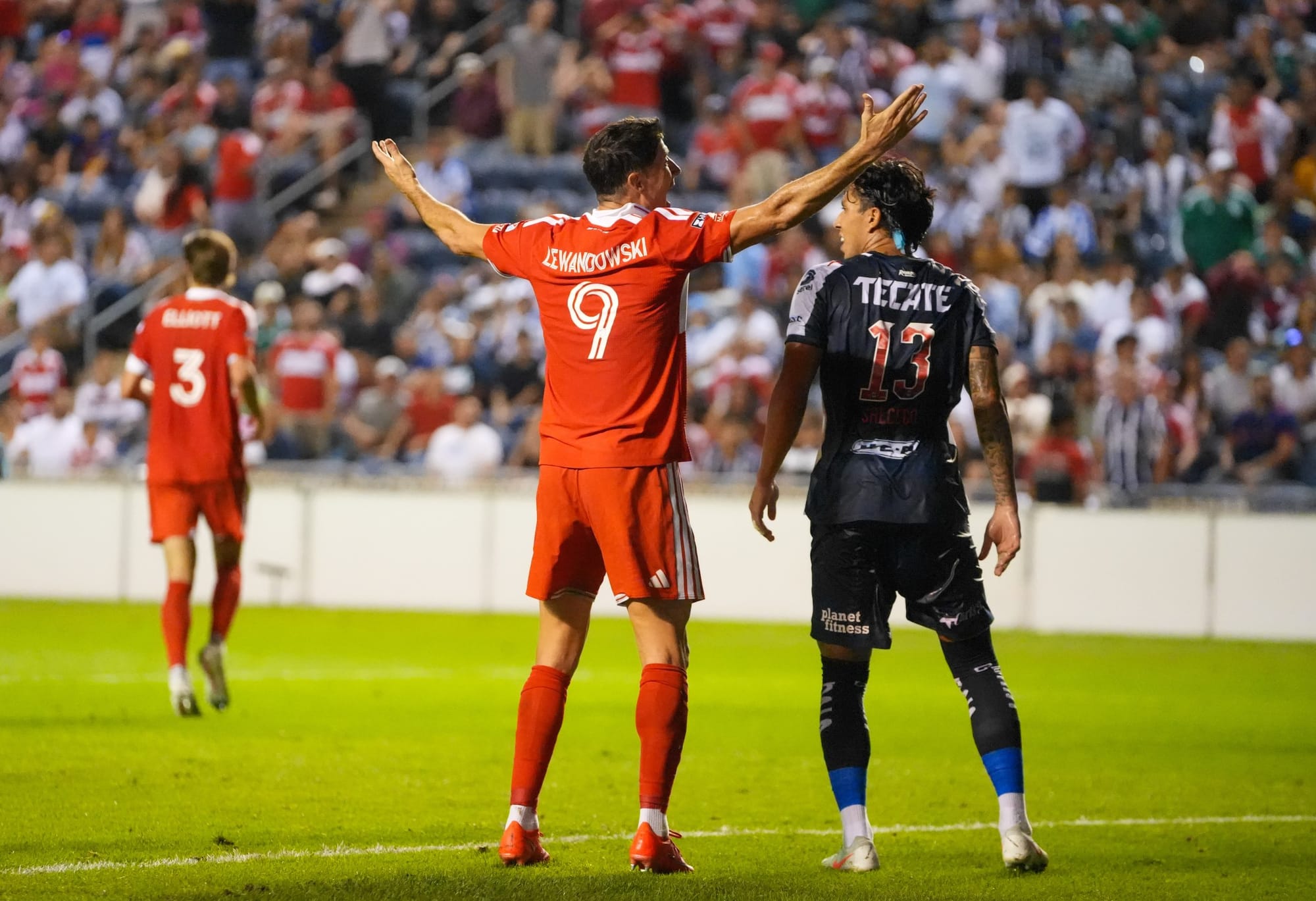
Here’s what Berhalter had to say when I asked him about it after the game: “If you look at their center backs, they're following him all over the field. He was opening space for other players. Sometimes when you play with pressure like that, where it goes man-to-man very quickly as you get towards midfield, it's hard to advance the ball into good positions. It's hard to bring the ball into their final third with calm. So things have to happen very quickly. You need every pass to be accurate, and we missed that today. I wasn't happy with the way we set him up. I wasn't happy with the way we were trying to enter the penalty box. As a result, he didn't get any chances.”
Berhalter had earlier said that his squad would look back and “regret” their performance in this one, saying that “too many guys on the field” for the Fire had “subpar performances.”
I’m not sure I see it the same way: There were clearly mistakes made. But overall, the Fire still haven’t figured out how to get Lewandowski to do the things they signed him for.
The switch back to the 4-3-3 has helped, but, well, this is one of the reasons the Fire need to make additions, at least until Franco is back and near full fitness, something that may very well not happen in 2026.
Set pieces are an issue
As the first half drew to a close, the score was level and it felt like it was anyone’s game: the Fire were having issues truly creating lethal situations but both sides were getting chances. They were in it, and could have easily walked away with a win.
Then Monterrey were awarded a free kick in a dangerous area about 25 yards out from Brady’s net deep in first half stoppage time. On the play, Victor Guzmán connected service into the box and put his team up by a goal, leaving the Fire to search for solutions in the intermission while Rayaods knew they could sit back and absorb, changing the game for both sides from that point on.
On the play, Guzmán cleanly got ahead of Jack Elliott. That continues a pattern of the Fire being easy to beat in the air, particularly on set pieces. The blame can be spread around, but a lot of it has to land at Elliott’s feet: He’s been too easy to play against in the air this season, and there’s a growing library of tape that opposition scouts have to prove it.

Going the other way, the Fire were decent, but never truly lethal, on set pieces. It’s change for a team that was dangerous off virtually every corner in 2025.
We have to talk about the crowd – and the chant
The Fire’s prior Leagues Cup game was notable for a crowd that was heavily in favor of Cruz Azul – a not uncommon occurrence for bigger Mexican teams in the Leagues Cup.
In that game, the date and teams were known for months. That gave fans of the Cementeros, not just from Chicagoland but from anywhere within driving distance, time to plan and buy tickets. (I spoke to Cruz Azul fans who had driven in for the game from Houston, driving nearly 18 hours across two days to see the team play.)
Fire fans, meanwhile, were simply given an opportunity to buy tickets to another game in a separate competition, one not included in their seasons ticket packages (although season ticket holders were given a discount). That cemented the pro-Cruz Azul crowd.
In this one, the Fire were able to generate an atmosphere that was much more supportive of the local team. A relatively short leadup before the game, combined with a lengthy presale for Chicago Fire ticket owners, helped ensure that more of the crowd was in red.
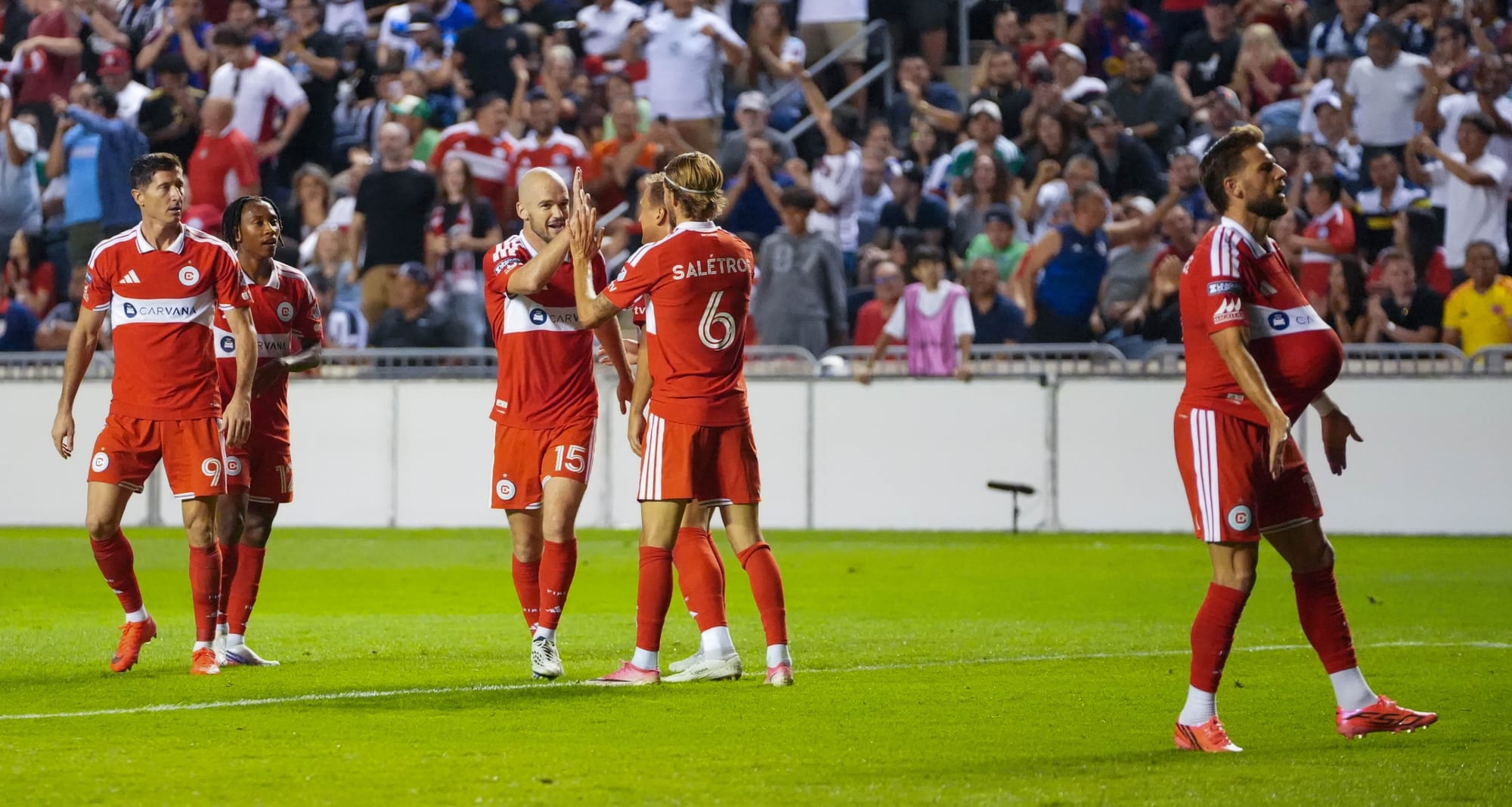
There were still plenty of Monterrey fans in the audience, but I’d still give the Fire the edge in support from the attendees at SeatGeek Stadium. Even if Monterrey may not be in the same bracket as Club América in terms of American fanbase size, it’s a sign of progress for the reinvigoration of the Fire in recent seasons that they can now host one of the larger teams from Mexico and still enjoy strong support.
Now: We have to talk about one of the things the crowd did. One of the negatives around the Leagues Cup has been the use of an anti-gay slur in Spanish, particularly during goalkicks. “The chant,” as it’s often euphemistically called, has occasionally – but infrequently – been heard in MLS league matches.
It made an appearance early in the Fire’s season, but has largely been absent since. It emerged last night, coming from the Fire’s supporters section. To combat its use, the Fire had placed yellow and red cards with messages about unacceptable behavior in cupholders at key games at Soldier Field.
At SeatGeek, where the Supporters’ Section has benches and no cupholders, that isn’t an option. Fire supporters I’ve spoken to seemed to indicate that the chant in this game originated from a group of people that are not normally in the Supporters’ Section, with some noting they were not wearing Fire colors, implying they may have been “neutrals” that were there more as anti-Monterrey fans rather than pro-Fire ones.
The chant was audible several times, but it wasn’t until the game’s waning minutes when the first step of CONCACAF’s protocol to stop its use – playing an announcement on video boards and over the PA system – was put into place. Prior to that, music was played over the PA system during several dead ball moments, though largely ones involving Chris Brady rather than Monterrey’s Esteban Andrada.
In the end, though: Who did it, and why they did it doesn’t matter. It’s on the teams and the tournament organizers to come up with more effective ways to block its use, rather than trying to paper over the issue or point fingers.
Earlier this year, the prompt use of the protocol agreed on by CONCACAF, U.S. Soccer and MLS worked in stopping the problem in several games, including those games involving the Fire. It wasn’t used promptly in this case, and its use escalated as a result.