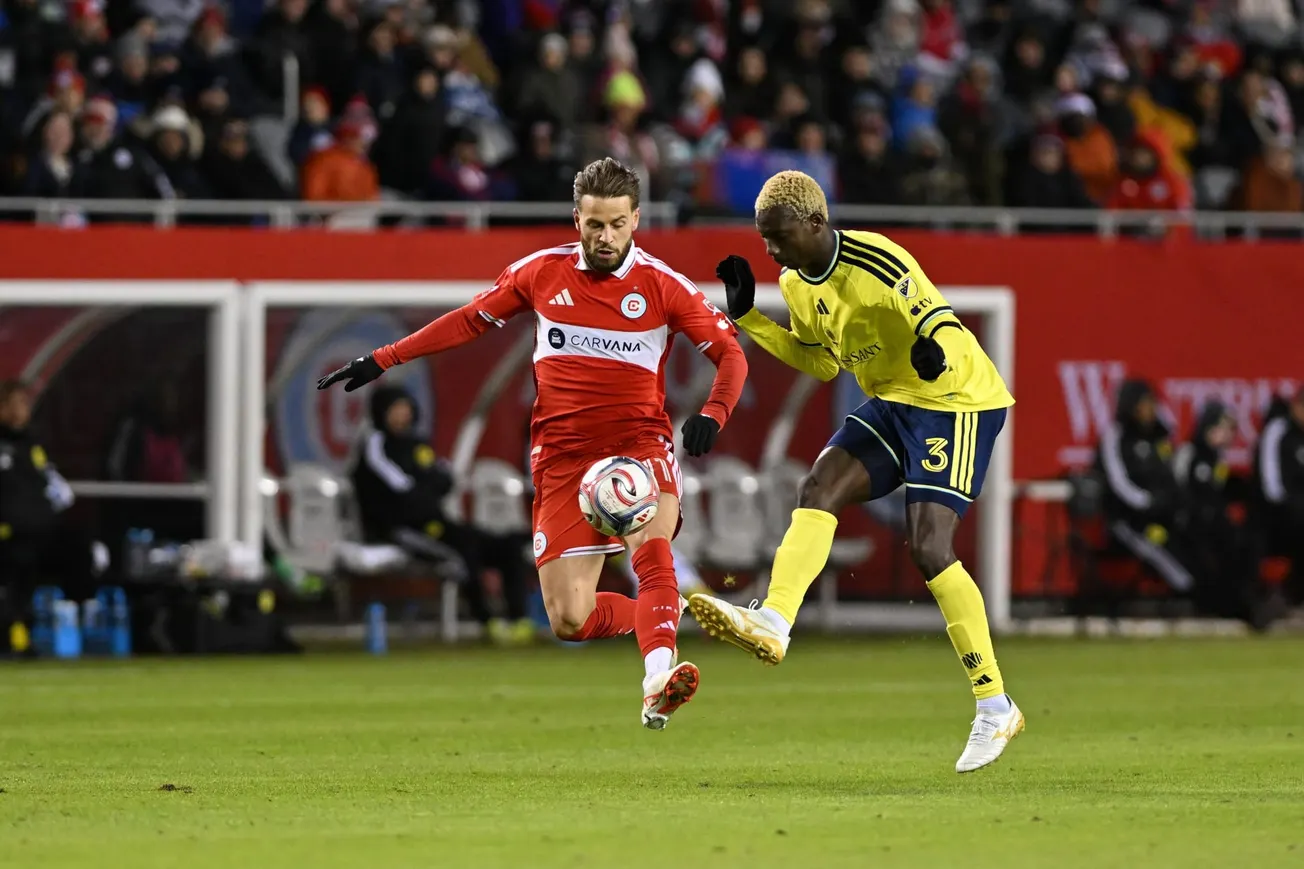

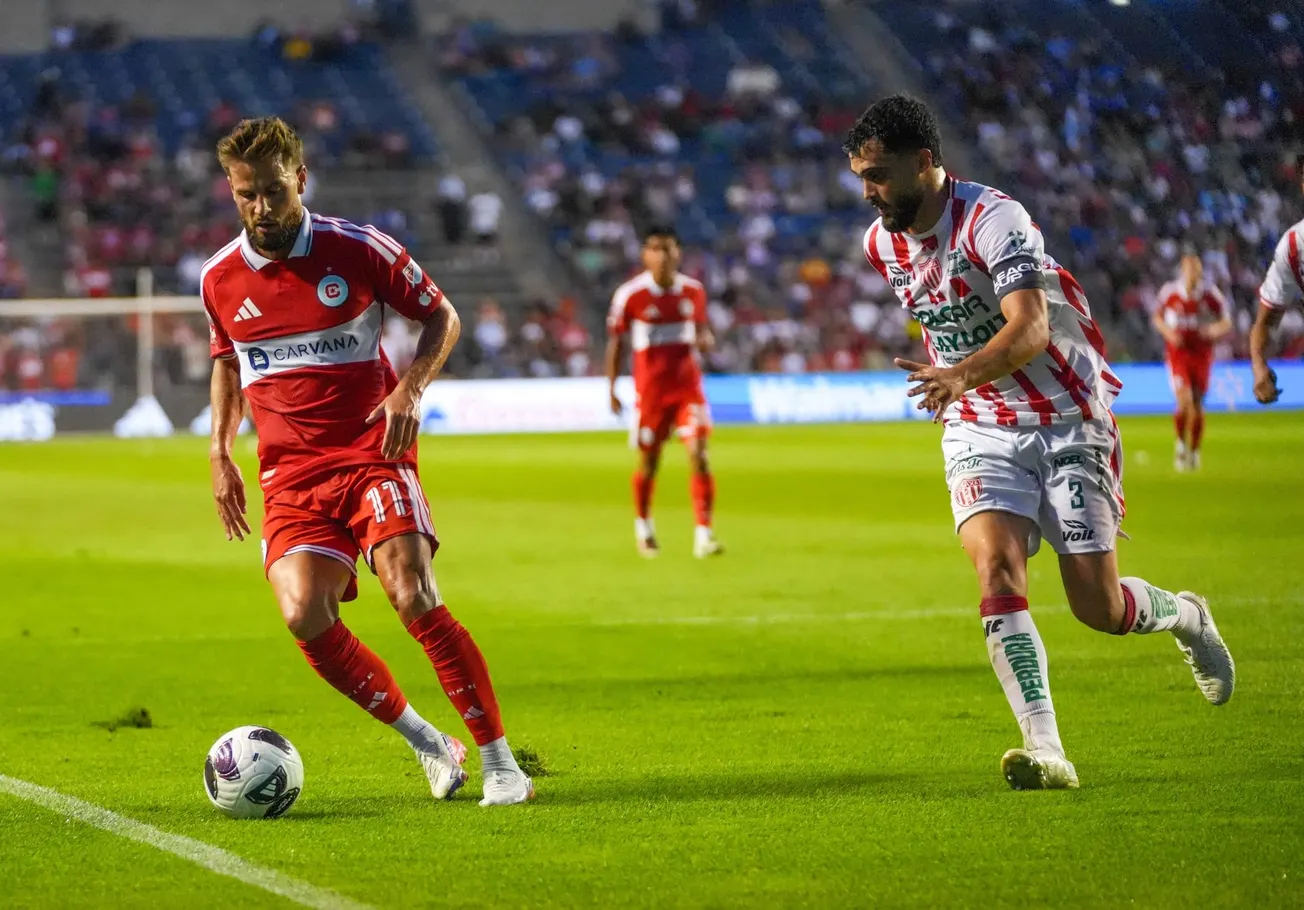
There was a clear gap in quality between the two teams
Going into this one, the Fire hadn’t beaten a Liga MX opponent (in a friendly or official competition) in nearly two decades – but that doesn’t mean the games have all been lopsided. In 2023, the Fire had a draw with Puebla through regulation, falling in completely pointless penalties to a team from Liga MX that knew they were already eliminated. A few days later, they 1-0 in the knockouts to Club América off a Fire own goal.
In this game, however, it felt like the Fire were playing at a different – higher – level than their opponent. Although Necaxa were once a powerhouse – and recent investment in the club aims to push them back in that direction – they looked outmatched at basically every phase of the game. They have talent ‒ Julián Carranza is a capable goalscorer ‒ but after a nervy opening quarter hour, if they were going to get a result, it’d felt like it’d come off a quick counter, not game flow.
That says something about where the Fire are at this stage, and it says something about the relative futility of comparing leagues and not teams. Teams that finish at the top of the table are functional in a way that teams that finish at or near the bottom aren’t.
We’re seeing the Fire experiment in real time
Something we’ve talked about – a lot – is the Fire’s use of a 4-4-2 shape that had two each of forwards, wingers, and midfielders: What it sought to accomplish (finding a to enable Hugo Cuypers and Robert Lewandowski, then a rumored signing, to be on the pitch at the same time), what it sought to cover up (the Fire’s lack of confidence that they have a difference-making attacking midfielder without pushing Zinckernagel into a spot where he’d be less effective) and the problems with it (the Fire didn’t look like they could create much of anything against good opponents and were leaving huge gaps in dangerous areas going the other way).
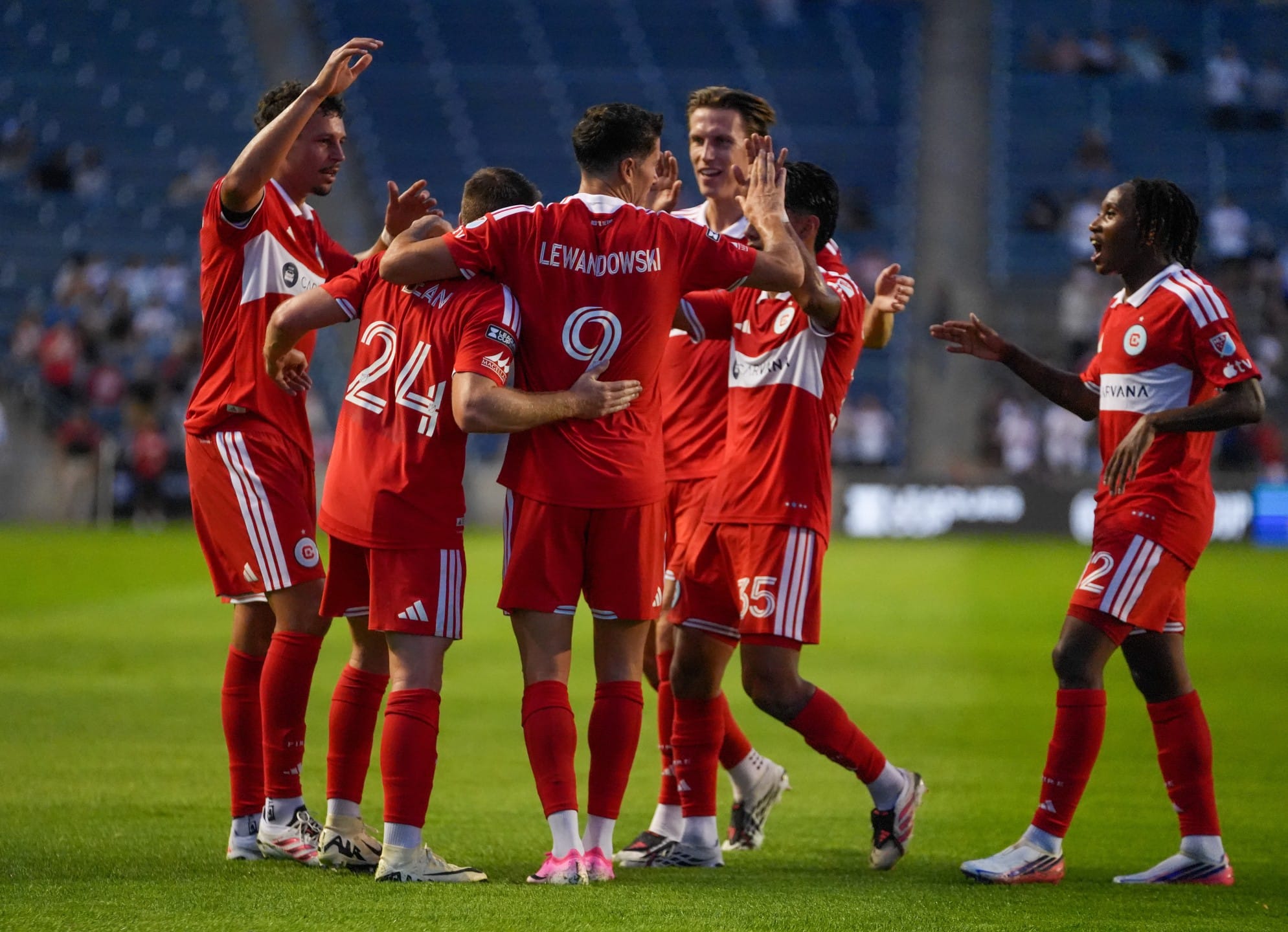
Last Saturday, the Fire evolved that into more of a 4-2-3-1 shape in their 2-1 win over Charlotte.
Against Necaxa, it played more like a 4-3-3. Overall, Djé D’Avilla was given responsibilities of a no. 6 defensive midfielder with Sergio Oregel Jr. and Anton Salétros playing as more advanced no. 8s, but it was fluid.
Whether it was the formation or the opponent, it put most of the Fire’s squad in a pretty flattering light, but none more than the midfield. Here’s Gregg Berhalter on all that:
“We're still trying to figure out the best shape and the best way to set us up. Today was another look, a different look, and we liked it. But it doesn't mean we're going to continue with it. We did let the fullbacks go forward. I thought Antone [Saletros] had a lot of movement, and that really helped him because he's so dynamic, and then we still had enough attack.”
“One of my concerns was whether we would get enough players into the attack, and we did with our fullbacks, our wingers, and our striker. So overall, I'm happy. But to me, the man of the match was [Dje] D’Avilla. I thought this was one of his best games for us; he was immense in the middle of the field, really controlled the ball. I thought he had a great game.”
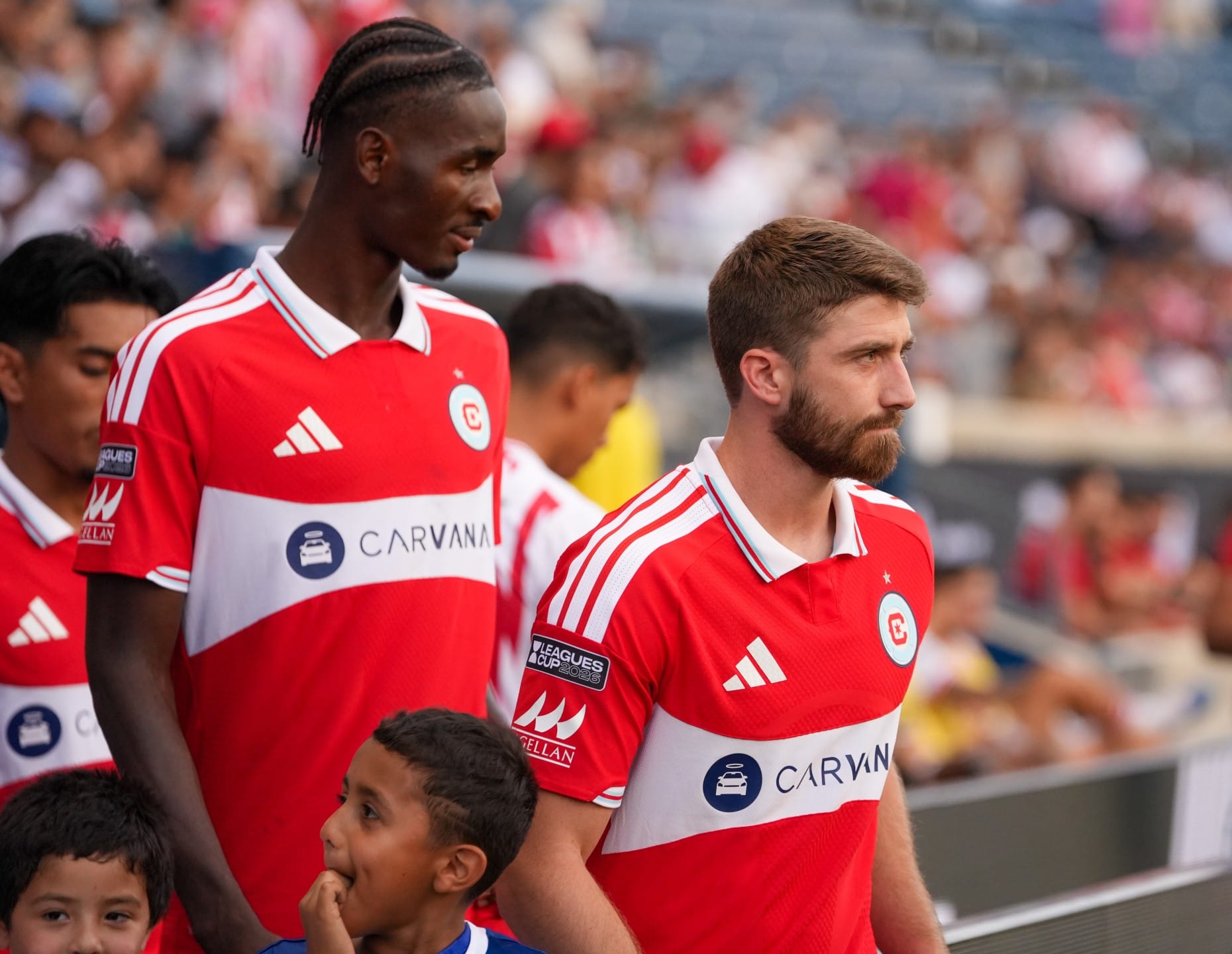
D’Avilla had his best performance of the year, coming off a good performance against Charlotte. That turns around a couple of outings he probably wishes he could get back against Miami and New York City. I don’t think the formation shift is coincidental to that.
The depth looked good
Listen: The Fire won’t face another opponent like Necaxa. Santos Laguna on Sunday and Cruz Azul next Thursday are both better teams with different styles. Having said that: One thing about the Fire in 2026 is they’ve improved on 2025 in most metrics, but they’ve done it by relying on the same group of starters with relatively little variation.
Some players, though, haven’t seen many opportunities. A lot did last night, and not only did they rise to the task, they looked good doing it across the pitch. “For Sam [Rogers] to step in,” Berhalter said, “he hasn't played since matchday one, and for him to step in and have that type of performance was really good. Some of those line-breaking passes were really strong.”
Oregel also had just his third start of the year (all outside of MLS competition), and showed what he can do in advancing the ball. His performance looks even better when adjusting for the fact that hasn’t been given many opportunities for minutes this year.
Again, here’s the GGGafer on that: “When your number gets called, all you can do is perform at your best, and Sergio did that today. Pineda came in and did a good job securing the ball, so overall, really pleased. Puso [Dithejane] was electrifying on the field.”
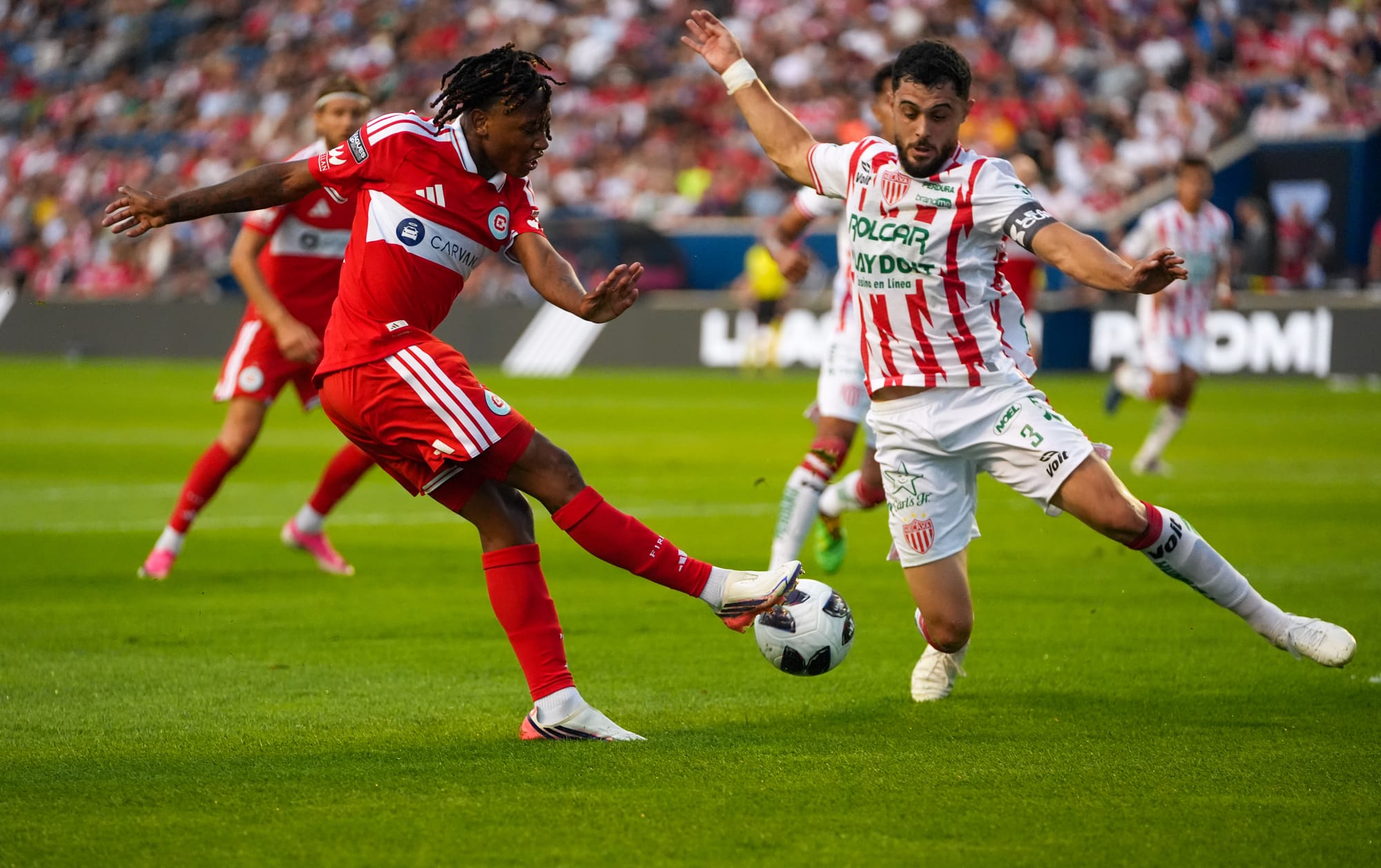
Not everyone had their number called – Jason Shokalook, despite a hat trick with Fire II, didn’t come off the bench; neither did Robert Turdean in his first involvement with the first team.
Turdean is understandable: You want to familiarize him with the environment so that when his number is called, he’s ready to step into the moment.
Shokalook, too, can be explained: With the Fire ahead, preserving the lead was more important than scoring. Regardless of who starts up top for the Fire on Sunday, having a striker with fresh legs available on Sunday is going to be critical.
The Fire really should’ve thought about putting Leagues Cup tickets in season ticket packages
Last night’s announced attendance at SeatGeek Stadium was 9,005. We can quibble about announced attendance vs. butts you can count in seats, but even an optimist has to admit that means that SeatGeek was something less than half full.
Part of the reason behind that is because all tickets were sold either individually or as part of a pack of all three Leagues Cup matches. For most teams, the majority of tickets are sold as part of season ticket packages. That makes attendance easier to predict and greatly reduces the burden on the sales team for any given match.
The Fire did offer ticket deals and early access to season ticket holders, but, well, we saw the result.
The fans that were there – mostly pro-Fire but with a notable Necaxa contingent – were loud and involved and the atmosphere was overall, a fun one, but still: The idea that the team couldn’t get 10,000 people there for Robert Lewandowski’s second-ever home game in Chicago isn’t a great look.
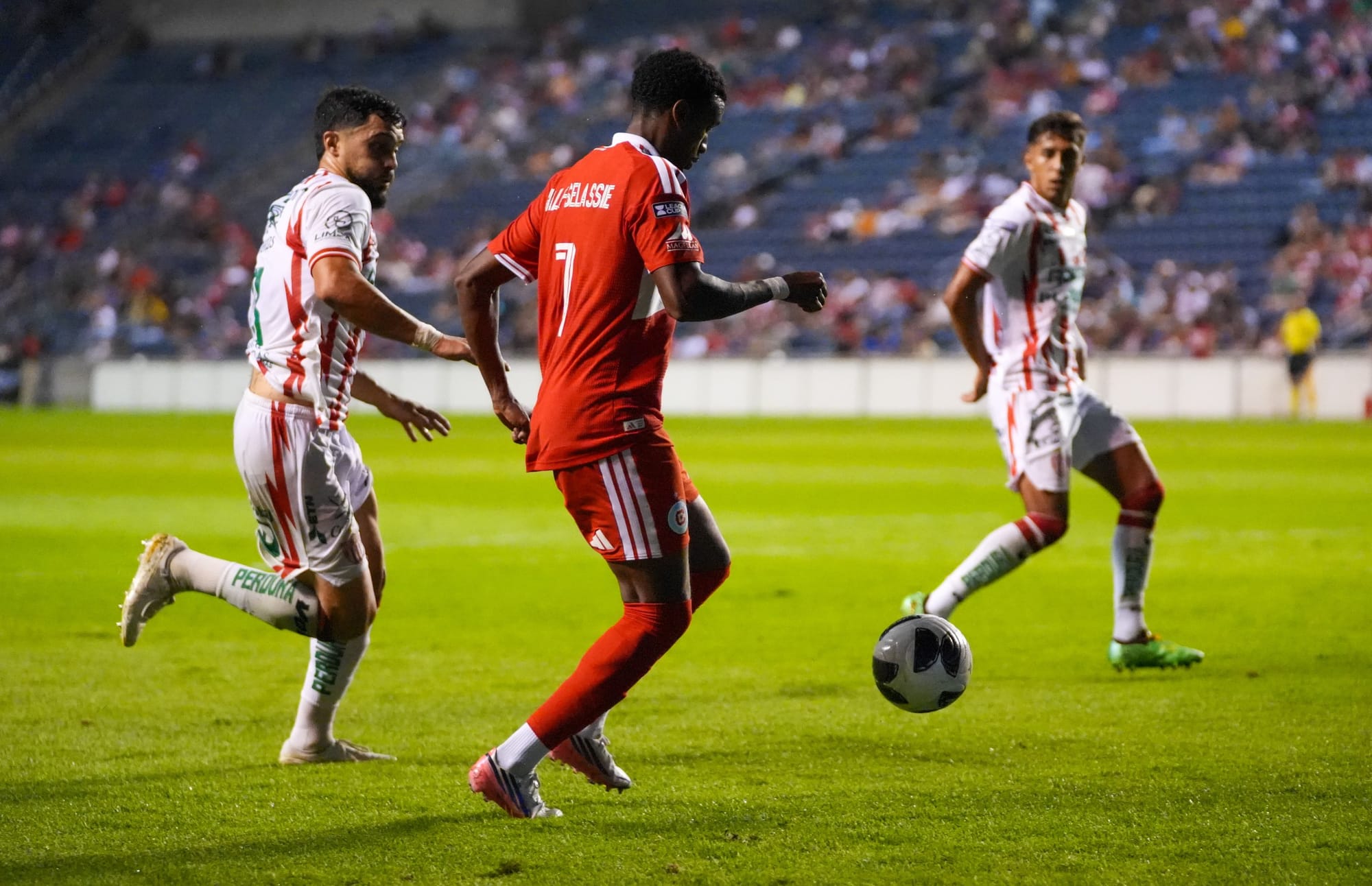
Yes, it was a weeknight. And yes, SeatGeek games have typically suffered lower attendance, in particular since the team moved back to Soldier Field for most matches.
Still: On August 24, 2016 – a Wednesday – the Fire were able to get a crowd of 16,179 out to Bridgeview to see the Fire take on the LA Galaxy. The Fire were midway through their second straight season where they’d finish last place in the league. This was before Bastian Schweinsteiger joined the Fire, and at a time when the Galaxy’s biggest stars were arguably Mike Magee and Gyasi Zardes.
Unlike the Fire’s early spring Open Cup games, where the team has just weeks after the game is scheduled to sell tickets, this game has been on sale for months.
Some games – like the one next Thursday against Cruz Azul – practically sell themselves. This one didn’t, and it does feel like it’s a missed opportunity.