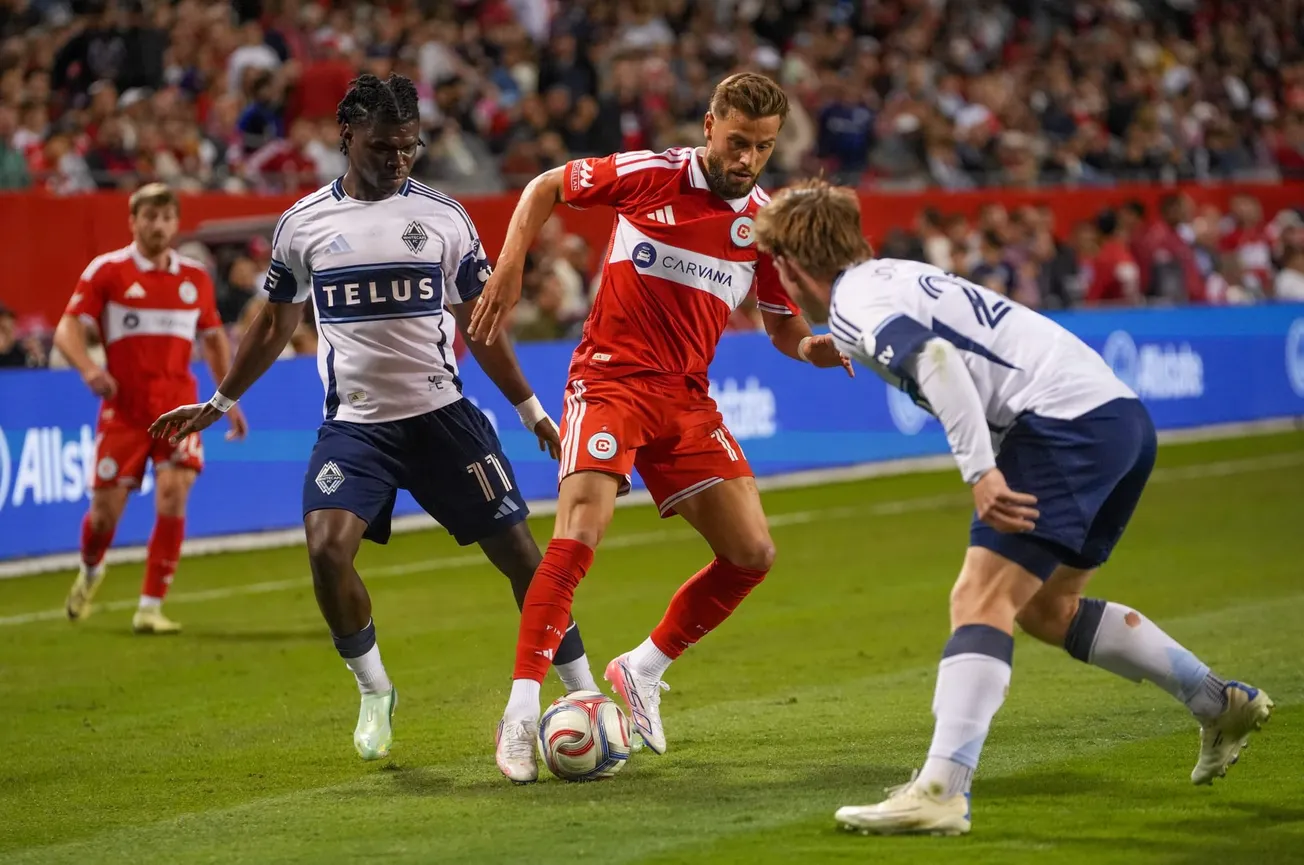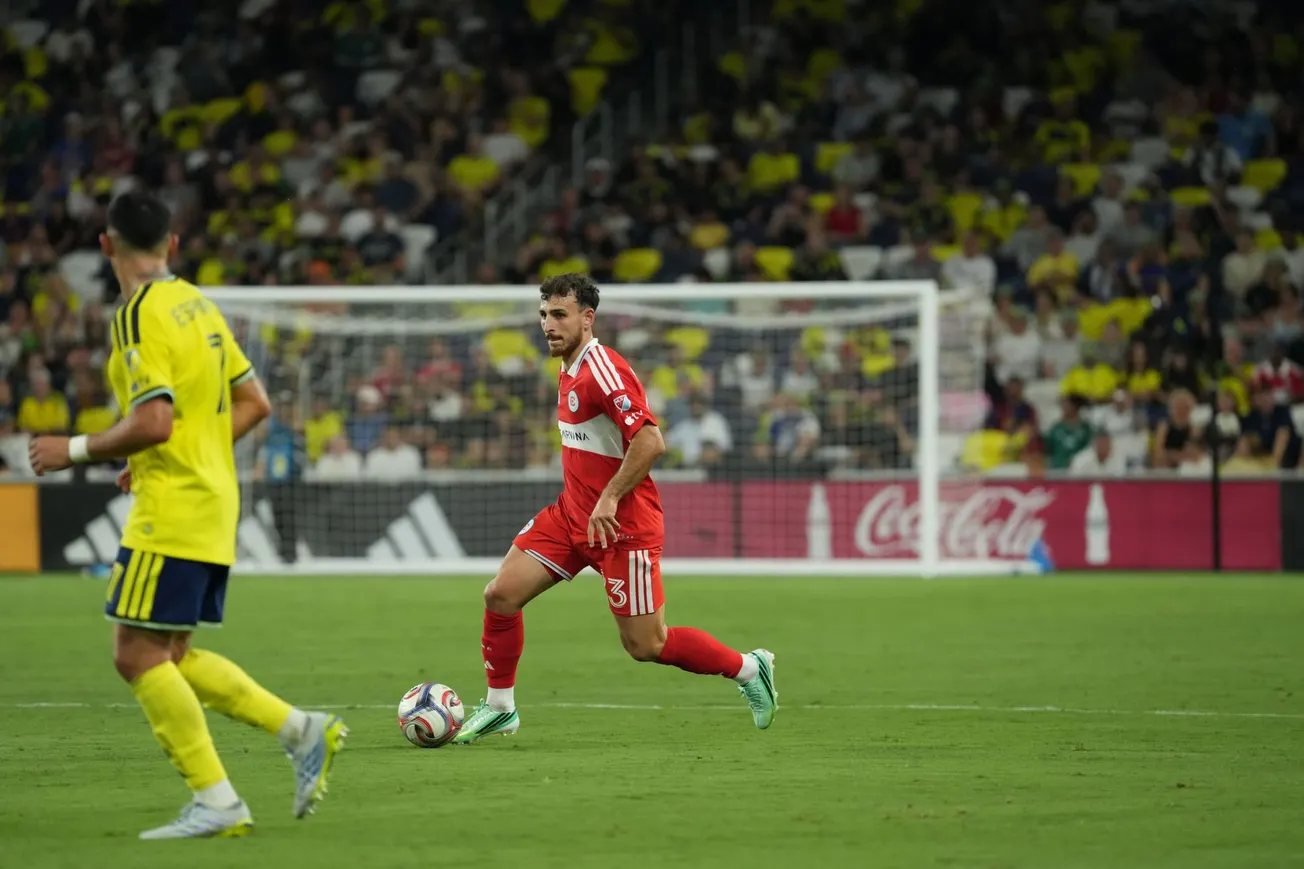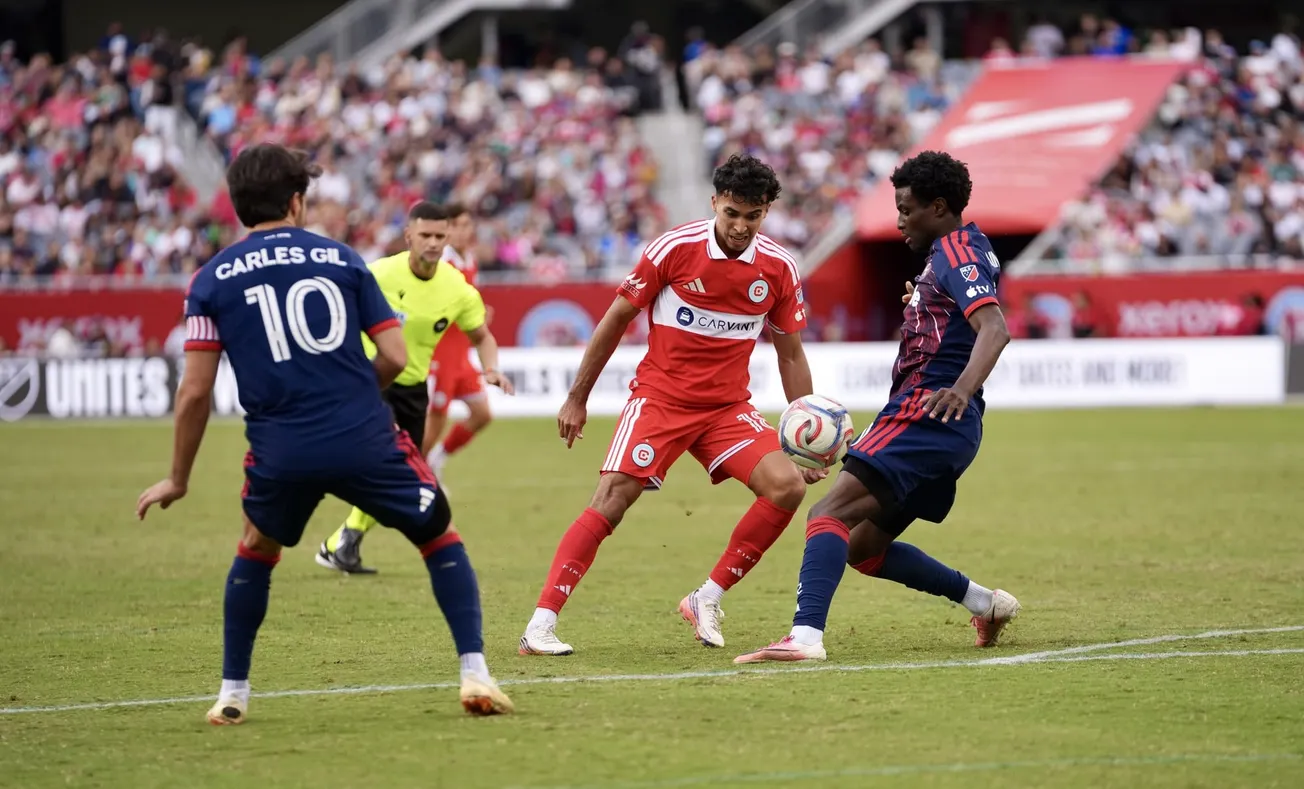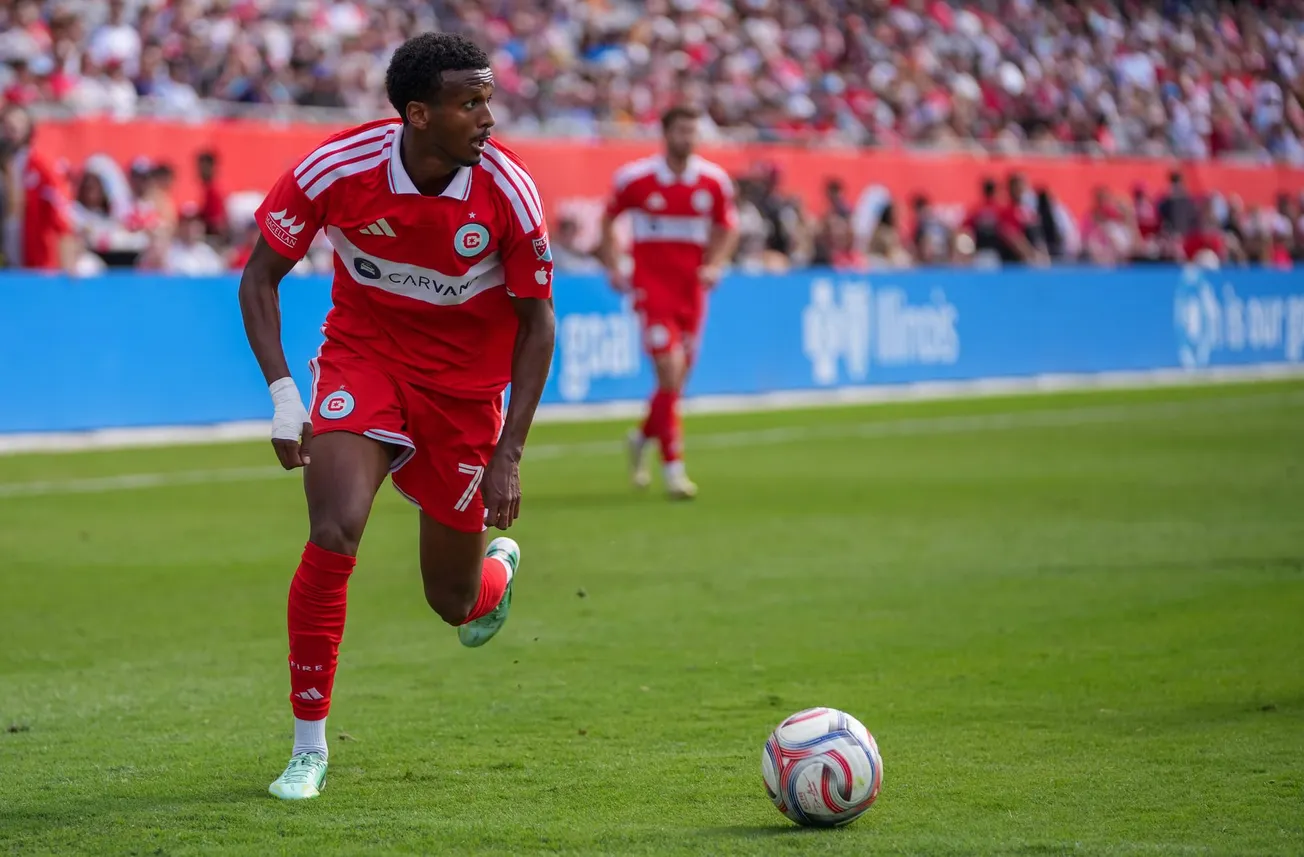

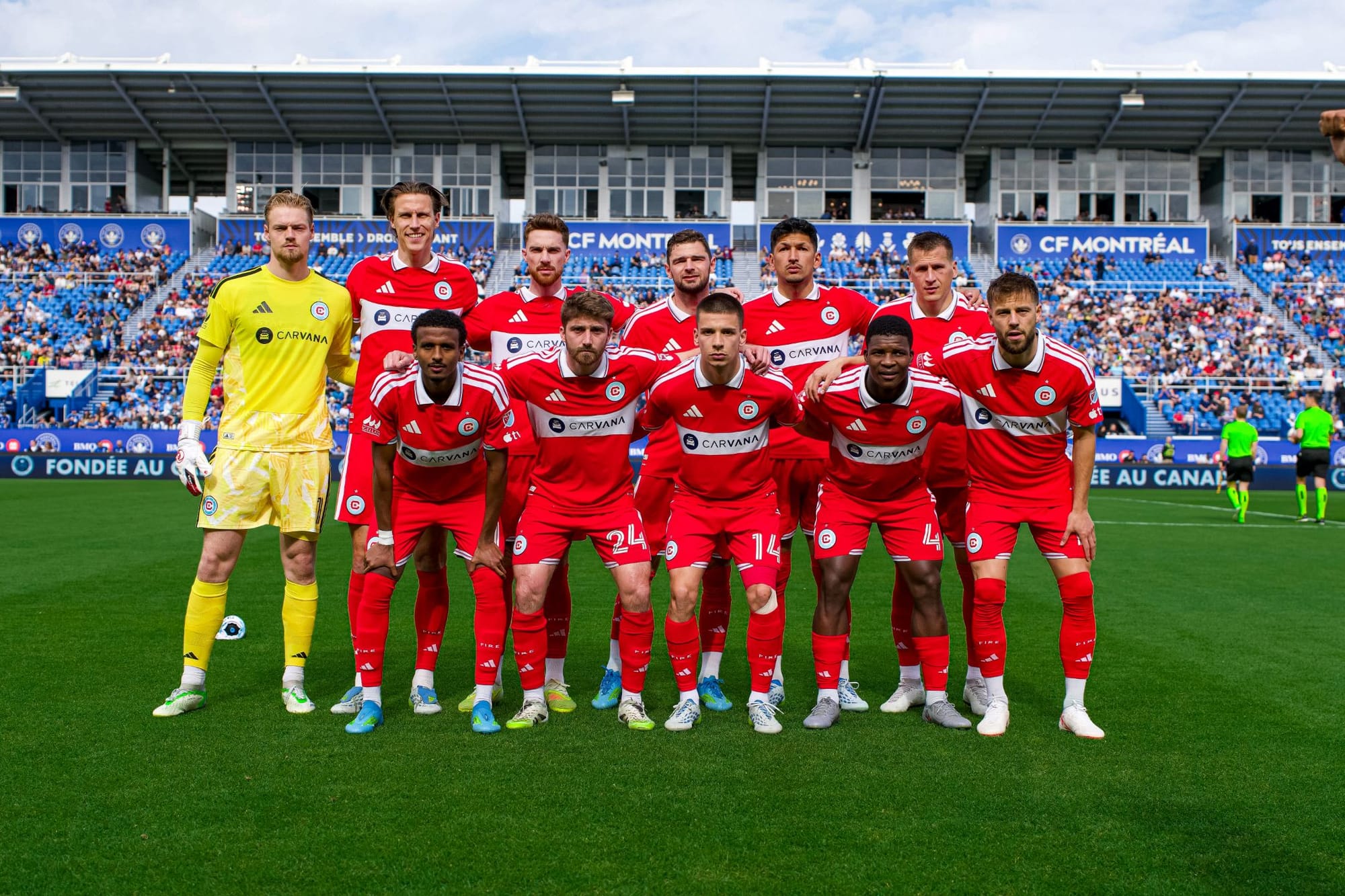
The Chicago Fire completed their annual series against CF Montréal and for the second time in 2026, walked away with a victory and a clean sheet. It wasn’t always pretty – in fact, a lot of it was anything but – but in the end, the Fire got the only thing that matters, walking away from Stade Saputo with a win and three points.
Here’s five things we learned from the Fire’s trip to La Belle Province.
1. Chris Brady loves Stade Saputo
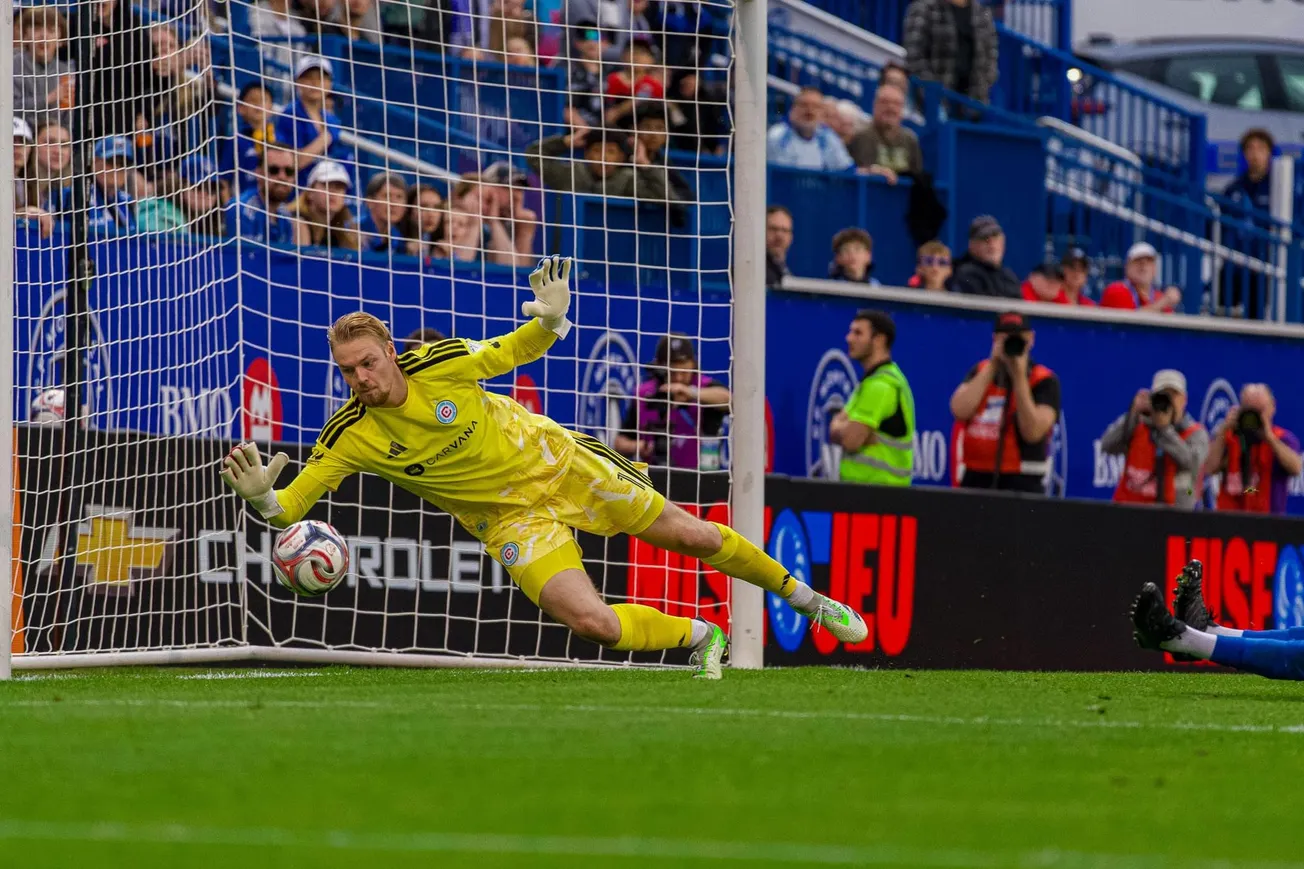
In a familiar story for a Fire visit to Montréal, Chris Brady came away as the clear man of the match. The 22-year-old had five saves, all of which required quality on his part. It also made the Fire the first team to shut out CF Montréal in eight matches.
It’s not the first time this has happened for him there. In 2023, Brady was the hero who preserved an unlikely 0-0 draw to keep the Fire’s playoff hopes alive. Last season, he again was crucial to keeping the clean sheet in a 2-0 win, making four saves.
Like in previous meetings, Brady’s efforts were undoubtedly central to the Fire’s win. Montréal were the more dangerous team for long spells, and at several moments were peppering Brady’s goal with shots. The Fire’s #1 had to make numerous high-difficulty stops, and it’s quite impressive that not even one snuck past him.
One other moment that should be marked down as a positive for Brady was a quickly taken long ball over the top in the direction of Hugo Cuypers, who was wide open with half the field in front of him. It ultimately didn’t work, with the ball slightly overhit, but the ingenuity to spot that gap and seek out the forward for an attempted second career MLS assist is not something we’ve seen from Brady on any sort of regular basis and adds a new attacking dimension to his game as a goalkeeper.
Most importantly, however, this is the kind of performance that builds confidence and form for Brady, and with the U.S. World Cup roster being announced next week, that’s a big moment to find a rhythm. While Brady does have the inside track to being the U.S. no. 3 after impressing coaches during the March international window, some inconsistency between then and now did leave some ambiguity, particularly with Roman Celentano regaining form as of late.
2. That midfield didn’t work but it got the job done
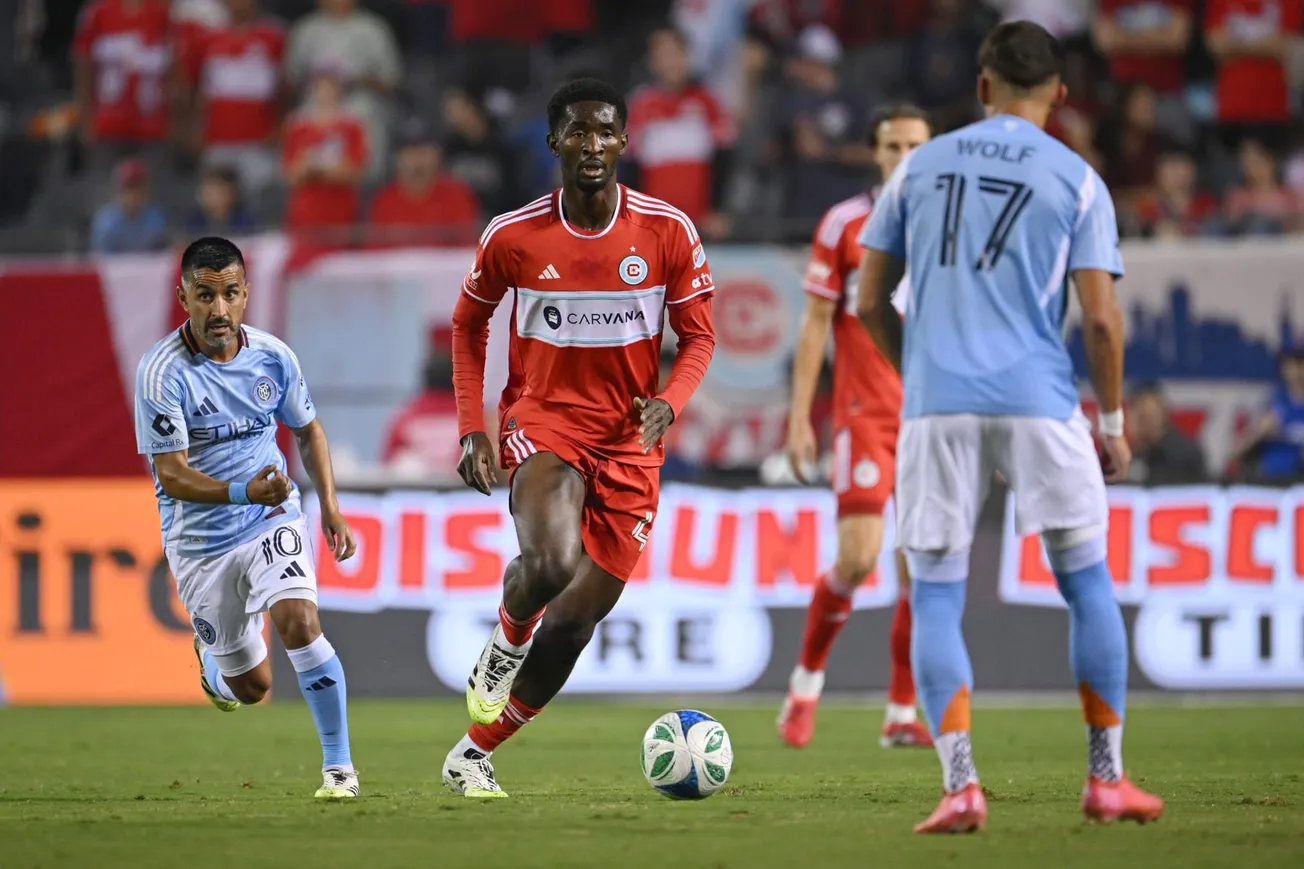
The Fire traveled to Montréal with only one midfielder. Mauricio Pineda, probably the fourth or fifth central midfielder on the roster’s depth chart, was that guy, and he was tasked with being the primary anchor in the double pivot. He was partnered with Joel Waterman, who has never played in midfield since joining the Fire, though he did previously at times for CF Montréal prior to coming to Chicago.
In this game, the midfield was the primary driver of the Fire’s problems. Waterman and Pineda both sat very deep, right in front of the center backs. At least initially, the wingers (Maren Haile-Selassie and Philip Zinckernagel) were positioned very wide and high, while the nominal #10 (Robin Lod) played like more of a second striker next to Hugo Cuypers.
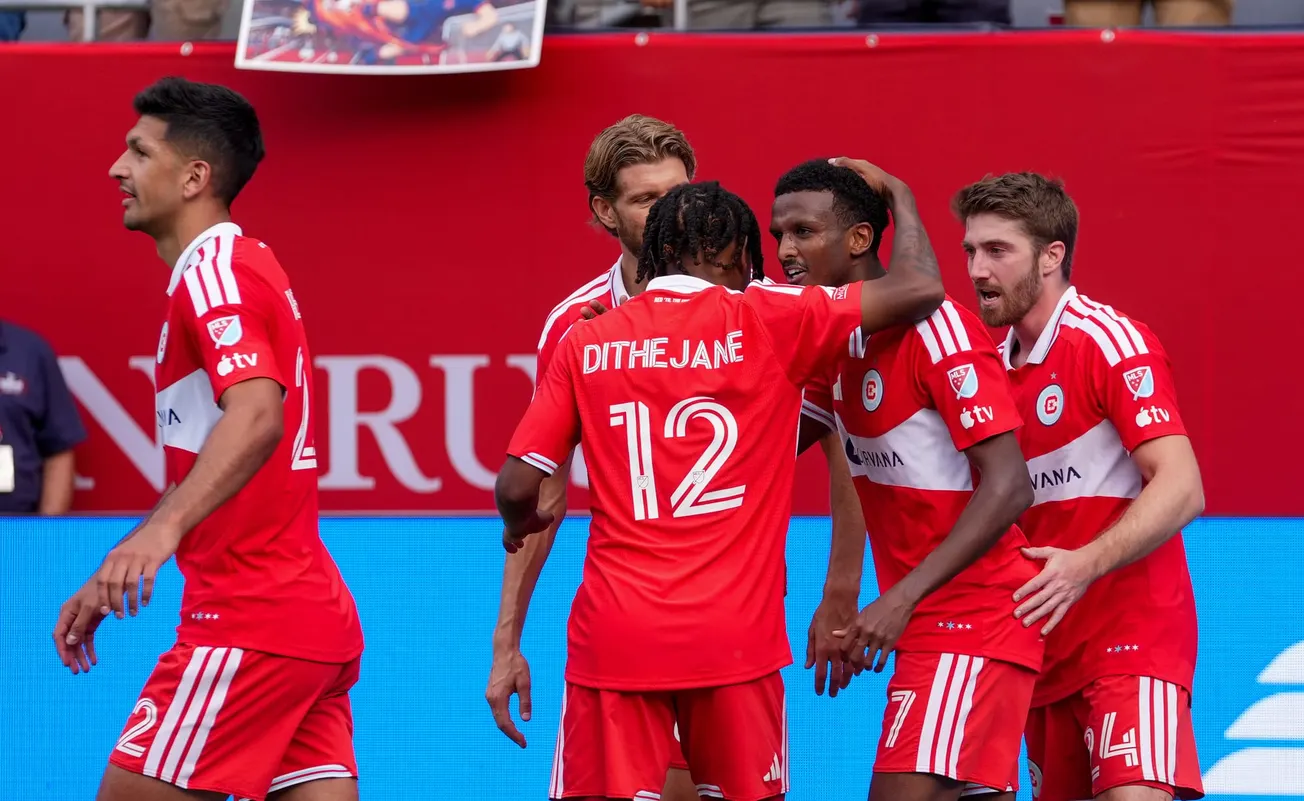
That left an enormous gap in the midfield, allowing Montréal to dominate the opening phases and generally maintain more of the meaningful possession. Despite that start to the game, the Fire got the opening goal against the run of play to that point, fueling an opportunity through the wings; Viktor Radojević fed an opportunity to Haile-Selassie, who sent the ball across the penalty box to find an arriving Zinckernagel.
Despite the lead, the Fire were stuck in that hyper-defensive and awkward midfield shape for the whole match. It was enough to get the job done, but chance creation was low, and the midfield was not a part of any opportunities that did filter through.
Frankly, there weren’t really any other options for the midfield. All things considered, Waterman did fine. There was a tremendous physical toll placed on him, as he’s someone who doesn’t even feature week in, week out, and was now being tasked with playing a much more complex and taxing position. However, without any sort of creative force in the center of the pitch, there was simply no connection between the defensive line and the attacking four.
Once Anton Salétros and his backup Sergio Oregel return, the problem of not having a playmaker will be alleviated. Djé D’Avilla’s return from suspension will also erase some of the issues, as he is one of the team’s midfielders and certainly the top no. 6. If the Fire do persist with the 4-4-2/unbalanced 4-2-3-1, possibly to accommodate another striker arriving, they’ll have to figure out what to do with the middle; even a duo of D’Avilla and Franco or Salétros runs the risk of being quickly overrun, even if the creativity problem is erased.
3. And so did Hugo and Zinck
Overall, per American Soccer Analysis’s model, the Fire managed 1.09 xG to Montréal’s 0.92, narrowly edging out the hosts. They got outshot – again – 16 to 11, and had just six shots on target (Montréal had 10).
Although one goal would have ultimately been enough, the fact that the Fire played with the lead for the vast majority of the game helped the team tremendously.
Zinckernagel’s 14th minute go-ahead goal came off what was just a 0.14 xG shot, per Opta’s model, but 0.58 xG on Target (xGOT). Cuypers’s goal in the second half came off a similarly low 0.16 xG shot, but his strike was 0.73 xGOT. In other words, both players were able to translate low-quality positions to very high quality chances.
Over the course of the 2026, Cuypers has outperformed his xG (but leads the league in xG per 90 minutes, according to Opta’s data), but that’s exactly what you expect from a top, in-form striker. Philip Zinckernagel, after a slow start, has goal contributions in four of the Fire’s past five league games (with the loss to the Red Bulls the only time he was left off the scoresheet), getting 3G/4A over that stretch. And Hugo Cuypers has been flying, scoring in every game that he’s played as he’s rocketed to the top of the MLS Golden Boot race.
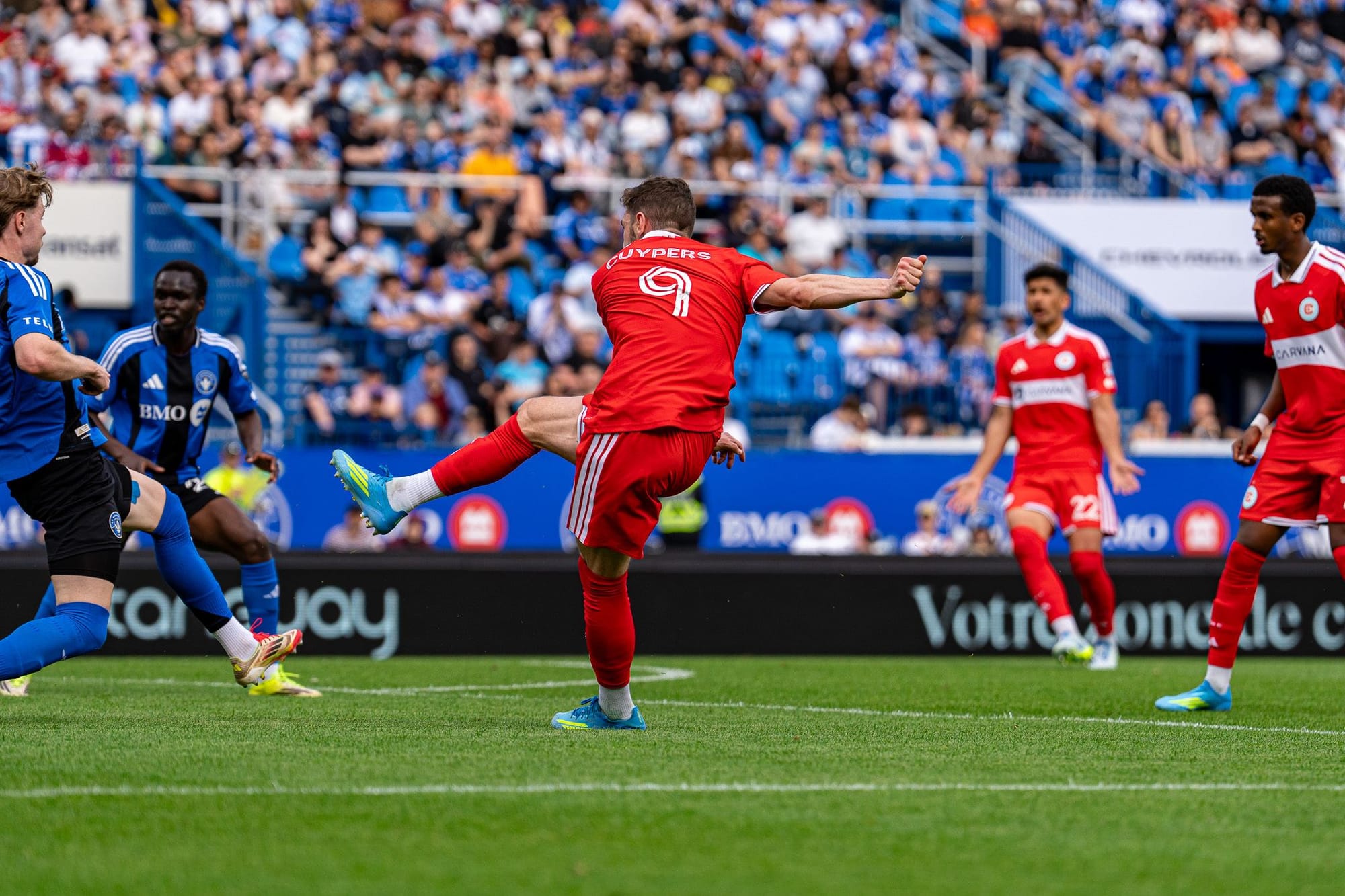
Absences and the switch in model have been challenging for the Fire, but the play of Golden Boot-leading Hugo Cuypers and the return to 2025 form of Zinckernagel has tiding the team over and getting them points.
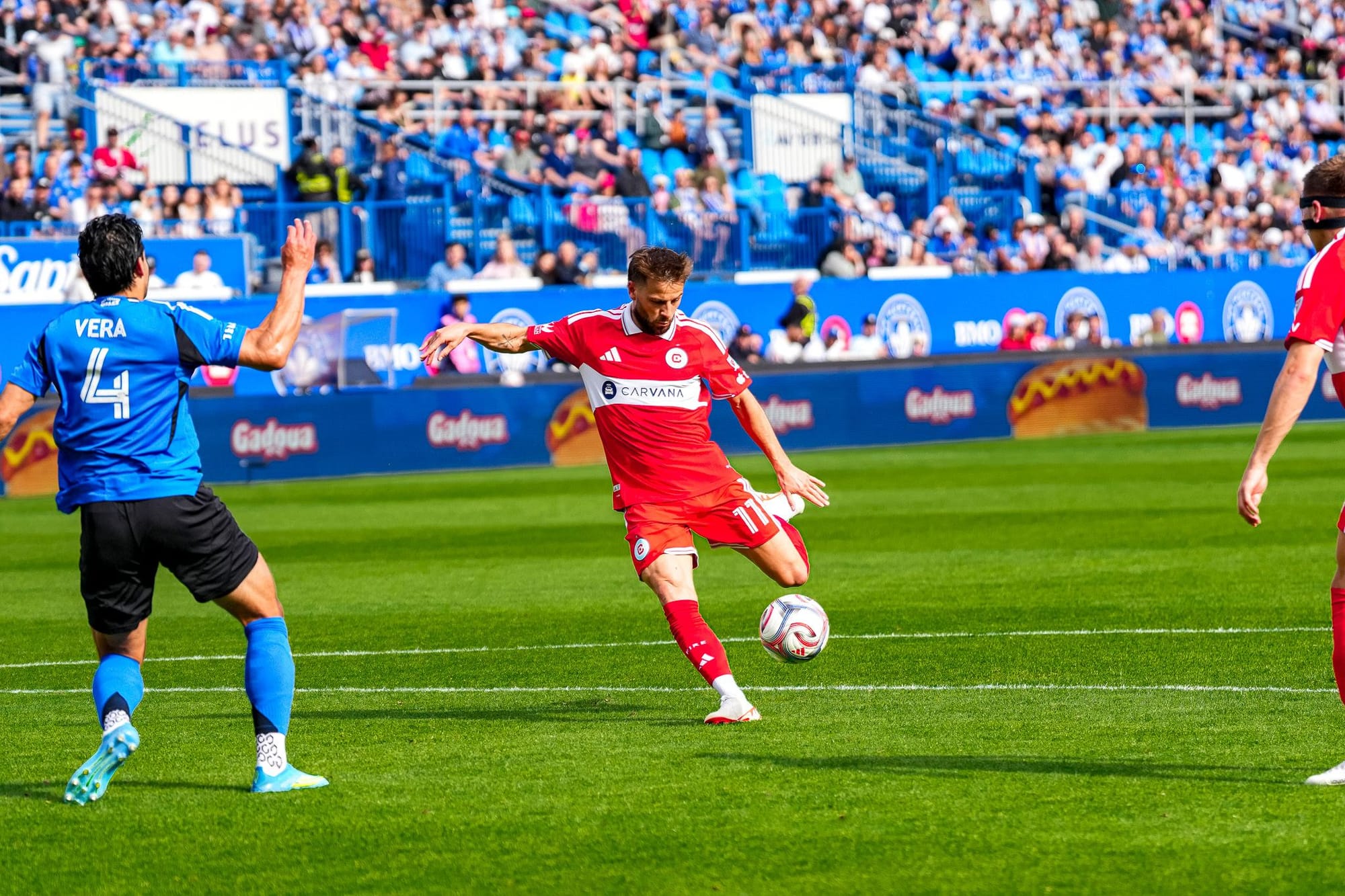
4. Sometimes, though, winning isn’t enough
On Wednesday, the Fire ended a losing skid that had stretched to three games across all comps in their first come-from-behind result of the year. They followed that up in this one with another road win as they kept a clean sheet against CF Montréal. In any of the Fire’s previous seasons, that would probably be enough to make everyone feel great about the state of the Fire.
And that’s even without considering that the Fire are in fourth place in the East! They’re two points behind Inter Miami in the standings and have the fourth-best goal differential in the league.
Not long ago – heck, a year ago – that’d be enough to send the fanbase over the moon. This year, however? It doesn’t feel that way, and the expectations around this team are a big part of why.
Losses to FC Cincinnati and the Red Bulls showed the weaknesses with the team playing out of a 4-4-2. D.C. were able to exploit those to get a goal and a number of solid chances against the Fire. Montréal tried, but at the end of the day, they didn’t have the quality (or quantity of chances) to beat Brady.
Across both the Fire’s two recent wins and the three losses across all competitions before that, it feels like teams have figured out how to get chances off against the Fire. And nothing we saw against Montréal suggests that the Fire are making progress at solving that yet.
The field tilt – the share of passes in each team’s attacking third – was 72-28 in favor of Montréal. Montréal had almost three times as many passes in the Fire’s end as the Fire did in theirs. Against teams that, frankly, aren’t CF Montréal, that’s a stat that would suggest a loss. Yes, personnel availability was an issue – but it continues a trend we’ve seen even when it wasn’t.
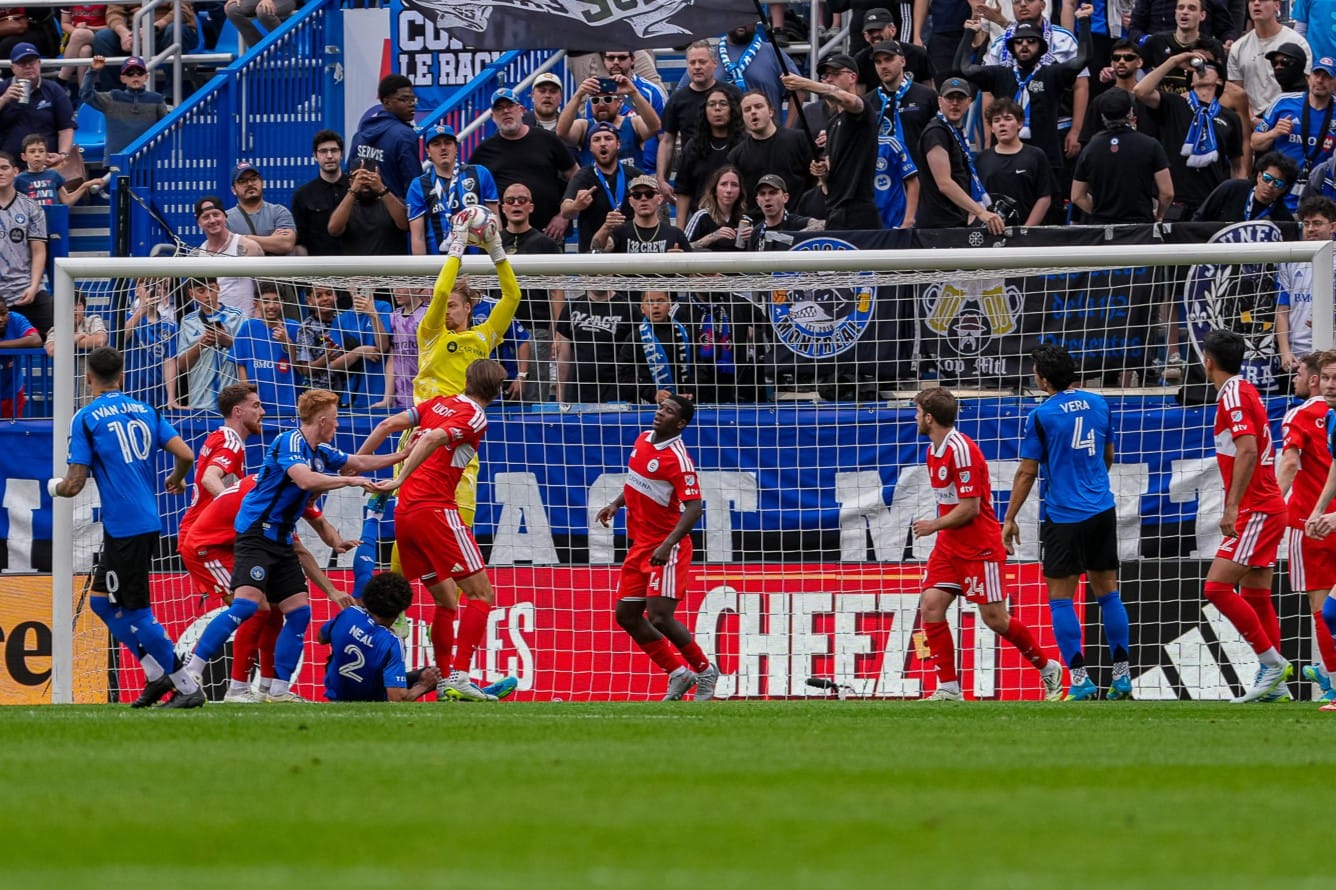
In previous years, getting a win was enough. This year, the Fire are supposed to beat teams like Montréal and D.C. And they did.
But the yardstick for the Fire’s 2026 season won’t be how they did against those kinds of opponents.
And on that note:
5. Right now, Lewandowski won’t help the Fire win
Rumors are swirling that Polish superstar Robert Lewandowski might join the Fire this summer. The Fire have been open about their interest in bringing in the ex-Bayern and soon-to-be(?) ex-Barcelona man.
Lewandowski’s talent is undeniable. As is the fact that at 37 years old, he is still a very, very potent player.
Still, based on how the Fire have been playing, right now, it isn’t clear that Lewandowski will help the Fire win games.
The Fire deserve credit for getting a win despite missing four starters on the depth chart in Jonathan Bamba, Djé D’Avilla, André Franco (who the Fire have been missing, in both senses of the term, all year) and Anton Salétros.
Here’s the thing, though: the Fire got that win, off goals from Philip Zinckernagel and Hugo Cuypers, who are two of the league’s most effective attackers (and Cuypers remains, at time of writing, in the lead for MLS’s Golden Boot).
Sometimes, a superstar comes to an MLS team and helps them win trophies. Lionel Messi is the most recent example of that, although for that to happen, Lionel Messi brought along a number of his friends.
Sometimes, though, a global superstar comes in and is fun to watch, but doesn’t ultimately change a team’s fortunes in the ways that matter. Zlatan Ibrahimović is probably the best example.
When he joined the LA Galaxy, he put together some absolute highlight reel moments, but ultimately? He helped the team win against bad teams. He didn’t help the team win against good teams.
That’s why, despite winning personal accolades in the league including Newcomer of the Year in 2018 and back-to-back MLS Best XI selections, he didn’t add to the Galaxy’s trophy case as a team in his time in LA.
Right now, especially if the Fire are committed to playing out of a 4-4-2 (as Berhalter has hinted the team might be, in saying that Lewandowski and Cuypers could be a great “pairing”), it really feels like Lewandowski would be in the same situation as Zlatan was.
The Fire won this one 2-0. With Lewa in the squad, it’s easy to see that margin going up. But it’s hard to see the team getting results against the league’s top teams given what it’s costing the team’s defensive structure and ability to build up as a result.
And that means that although the Fire would be better with Lewa, right now, it’s hard to see how he’d help the team win games that they aren’t already.